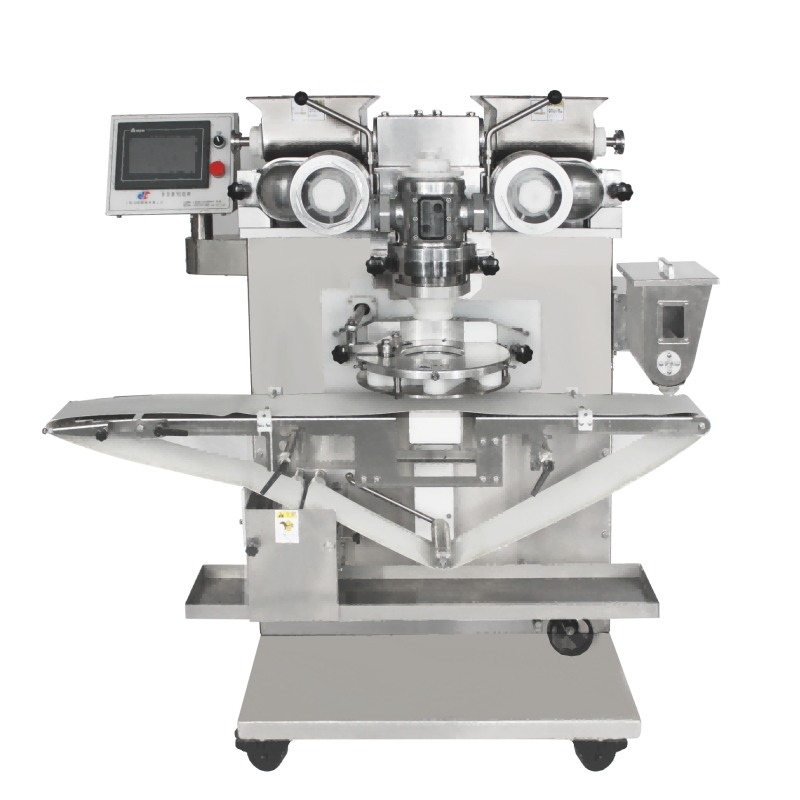
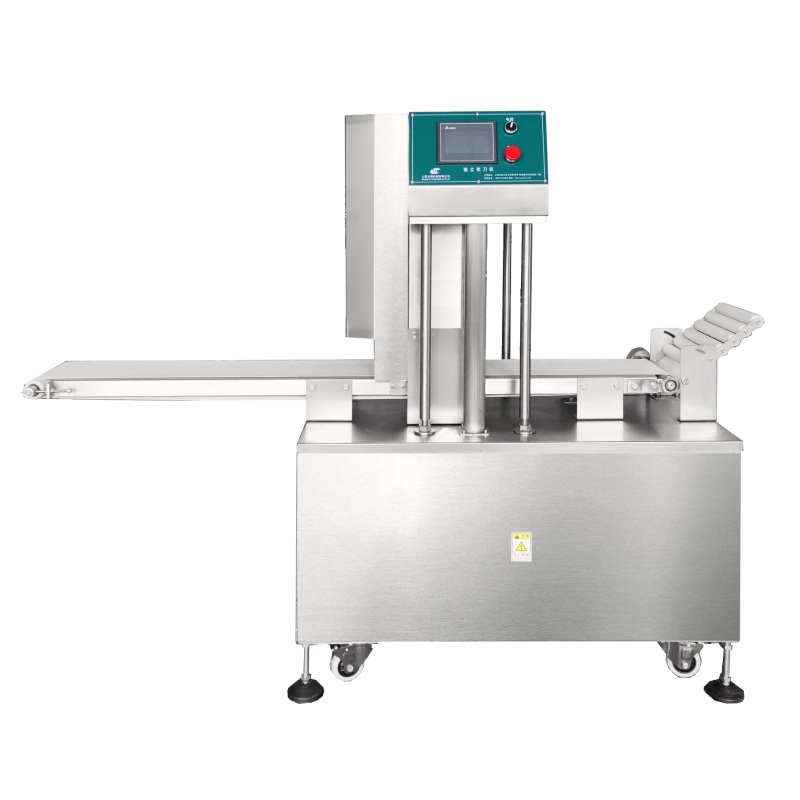
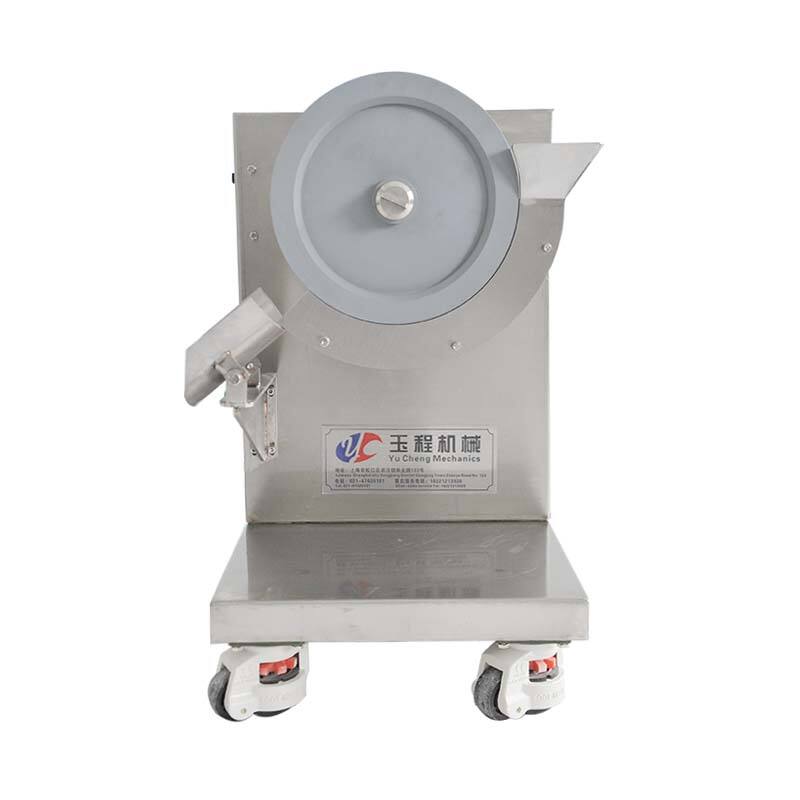
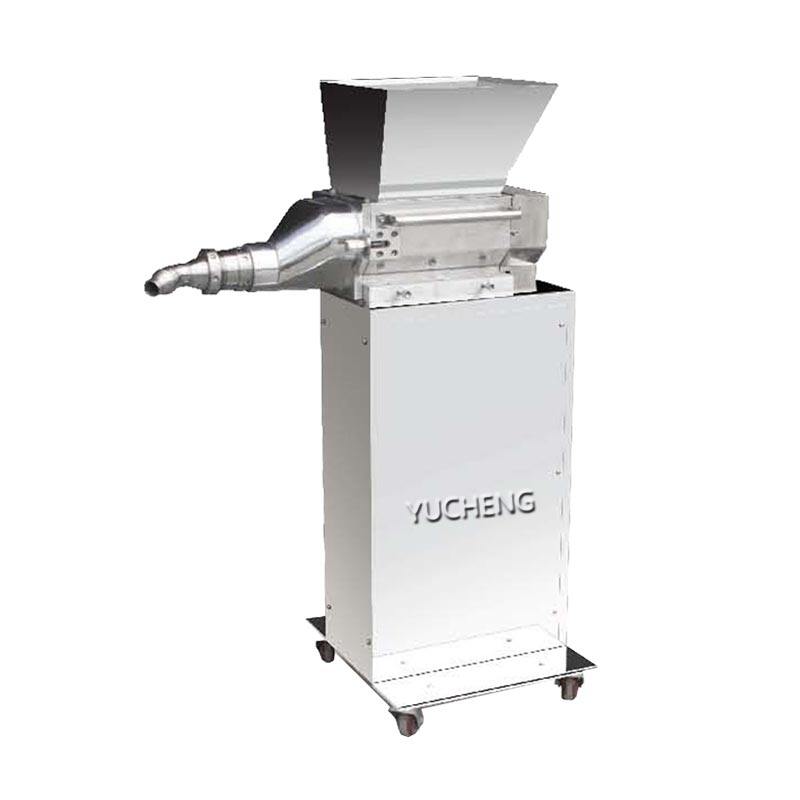
High Efficiency Food Production Line: Advanced Automation Solutions for Modern Manufacturing

Get a Free Quote

Our representative will contact you soon.
Email
Name
Company Name
Message
0/1000

high efficiency food production line

The high efficiency food production line represents a revolutionary advancement in modern food manufacturing technology, designed to streamline operations while maintaining exceptional quality standards. This comprehensive system integrates cutting-edge automation, precision control mechanisms, and intelligent monitoring capabilities to deliver unparalleled performance in food processing environments. The high efficiency food production line incorporates advanced conveyor systems, automated sorting mechanisms, temperature-controlled processing units, and real-time quality assurance protocols that work seamlessly together to optimize production workflows. Key technological features include programmable logic controllers that manage complex processing sequences, servo-driven machinery that ensures precise positioning and timing, and integrated sensor networks that continuously monitor product quality throughout the manufacturing process. The system utilizes state-of-the-art sterilization technologies, vacuum packaging systems, and automated labeling solutions that maintain food safety standards while maximizing throughput rates. Advanced human-machine interface panels provide operators with intuitive control over all production parameters, enabling quick adjustments and comprehensive monitoring capabilities. The high efficiency food production line finds extensive applications across diverse food manufacturing sectors, including bakery operations, dairy processing facilities, meat and poultry plants, beverage manufacturing, and packaged food production. These systems excel in producing consistent results for items such as processed meats, frozen foods, canned goods, snack products, and ready-to-eat meals. The modular design philosophy allows manufacturers to customize configurations according to specific production requirements, whether processing fresh produce, creating complex multi-ingredient products, or handling delicate items that require gentle processing techniques. Integration capabilities enable seamless connection with existing warehouse management systems, inventory control platforms, and enterprise resource planning software, creating a comprehensive manufacturing ecosystem that optimizes resource allocation and minimizes operational overhead costs.

New Product Recommendations

The high efficiency food production line delivers transformative benefits that directly impact operational profitability and market competitiveness. Manufacturing facilities experience dramatic productivity increases, with many operations reporting output improvements of 200-300% compared to traditional manual processing methods. This enhanced productivity stems from the system's ability to operate continuously with minimal downtime, processing thousands of units per hour while maintaining consistent quality standards. Labor cost reduction represents another significant advantage, as the high efficiency food production line automates repetitive tasks that previously required substantial human intervention. Companies typically reduce their workforce requirements by 40-60% while simultaneously improving workplace safety by eliminating exposure to hazardous processing environments. The automated systems handle heavy lifting, chemical exposure risks, and repetitive strain injuries that commonly affect manual workers. Quality consistency becomes remarkably superior through precise control mechanisms that eliminate human error variables. Every product receives identical processing parameters, ensuring uniform taste, texture, appearance, and nutritional content that strengthens brand reputation and customer satisfaction. The high efficiency food production line incorporates advanced quality control sensors that detect defects, contamination, or specification deviations in real-time, automatically removing substandard products before they reach packaging stages. Energy efficiency improvements deliver substantial operational savings, with modern systems consuming 30-50% less power than conventional equipment through optimized motor controls, intelligent heating systems, and waste heat recovery mechanisms. Maintenance costs decrease significantly due to predictive maintenance capabilities that monitor equipment performance continuously, identifying potential issues before they cause expensive breakdowns. The system's modular construction simplifies repairs and component replacements, reducing downtime and maintenance expenses. Scalability advantages allow businesses to expand production capacity without complete system overhauls, simply by adding processing modules or upgrading specific components. This flexibility protects capital investments while accommodating business growth. Regulatory compliance becomes streamlined through built-in documentation systems that automatically record processing parameters, temperatures, timing sequences, and quality control data required by food safety authorities. The high efficiency food production line generates comprehensive audit trails that simplify inspections and certification processes, reducing compliance-related administrative burdens while ensuring adherence to stringent food safety regulations.

Tips And Tricks

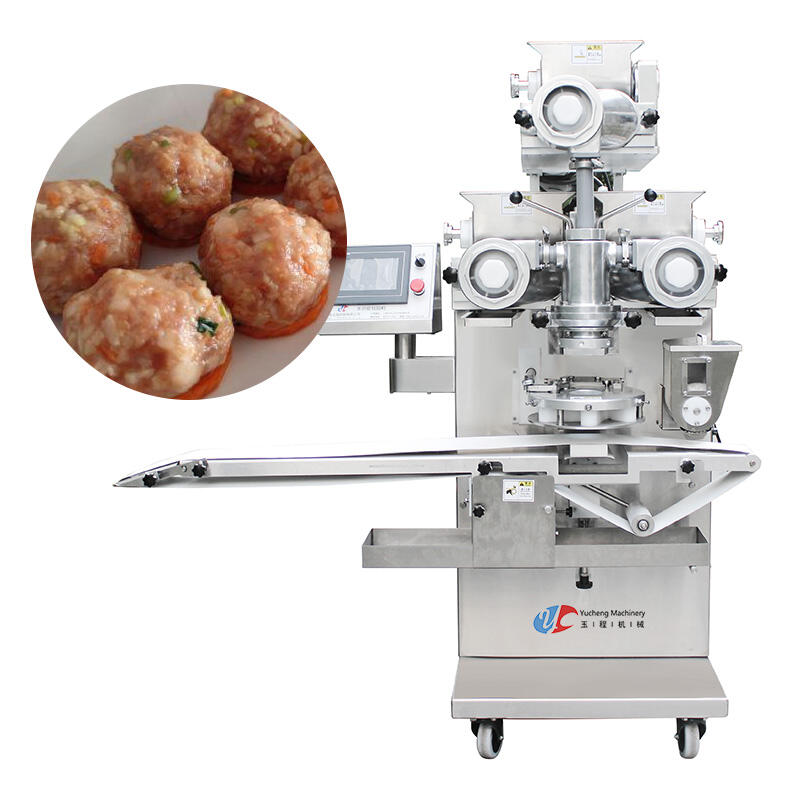
Explore the Key Advantages of Using a Meatball Machine in Kitchens

21

Oct

Explore the Key Advantages of Using a Meatball Machine in Kitchens

Revolutionizing Kitchen Efficiency with Modern Meatball Production The food service industry continues to evolve with innovative technologies that streamline kitchen operations. Among these game-changing innovations, the meatball machine stands out a...
View More
How Does a Pastry Making Machine Improve Efficiency and Quality?

21

Oct

How Does a Pastry Making Machine Improve Efficiency and Quality?

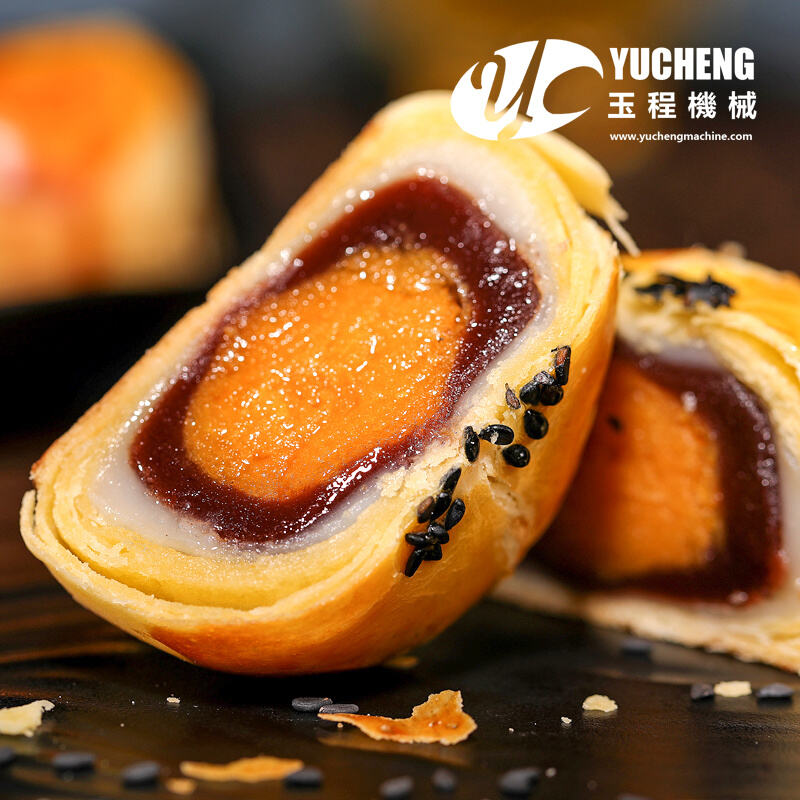
Revolutionizing Commercial Bakery Operations with Advanced Equipment The modern bakery landscape has undergone a remarkable transformation with the integration of pastry making machines. These sophisticated pieces of equipment have become the backbon...
View More
How Does an Encrusting Machine Transform Food Production?

23

Dec

How Does an Encrusting Machine Transform Food Production?

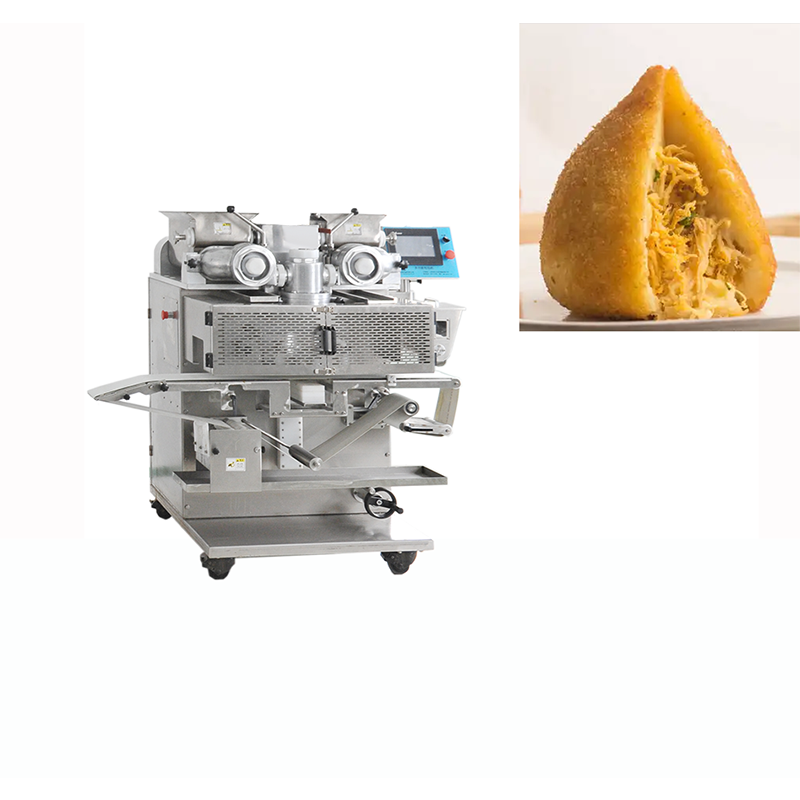
Food production has undergone remarkable transformations in recent decades, with automation technologies revolutionizing how manufacturers create consistent, high-quality products. Among these innovations, the encrusting machine stands out as a game-...
View More
How does a date bar machine actually work in 2025?

21

Jan

How does a date bar machine actually work in 2025?

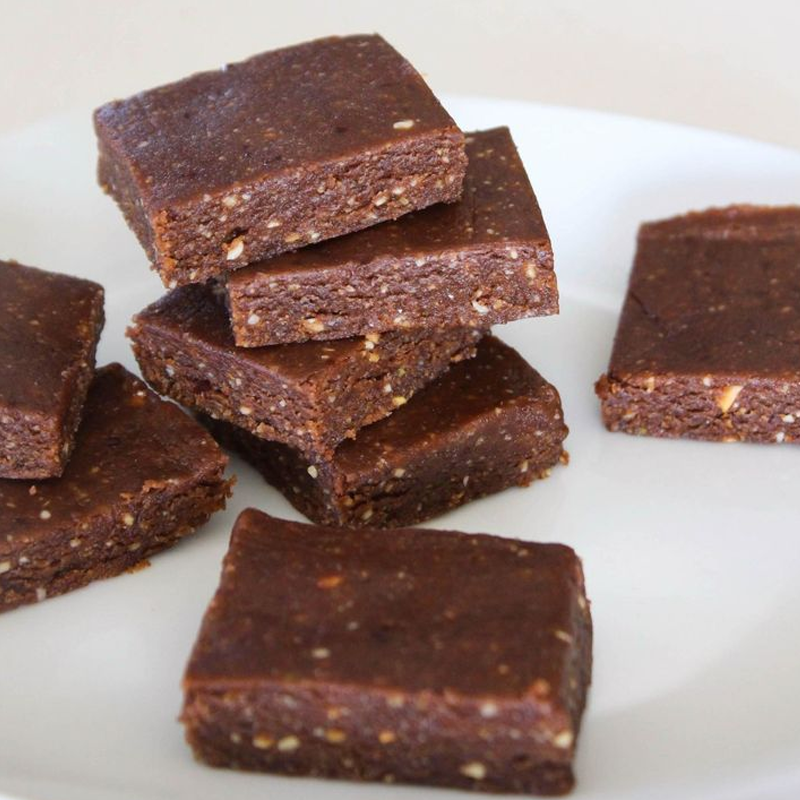
The modern food manufacturing landscape has witnessed remarkable technological advancements, particularly in automated equipment designed for healthy snack production. Understanding how a date bar machine operates in 2025 requires examining sophistic...
View More

Get a Free Quote

Our representative will contact you soon.
Email
Name
Company Name
Message
0/1000

high efficiency food production line

Advanced Automation Technology Integration

Advanced Automation Technology Integration

The cornerstone of any high efficiency food production line lies in its sophisticated automation technology that revolutionizes traditional manufacturing processes through intelligent system integration. This advanced automation encompasses multiple layers of technological innovation, beginning with programmable logic controllers that orchestrate complex production sequences with microsecond precision. These controllers manage intricate timing relationships between conveyor speeds, processing temperatures, ingredient dispensing rates, and packaging operations to ensure optimal product quality and maximum throughput efficiency. The automation system utilizes servo-driven actuators and precision motors that provide exceptional positioning accuracy for delicate food handling operations, preventing product damage while maintaining consistent processing parameters. Integrated sensor networks continuously monitor critical variables such as temperature fluctuations, humidity levels, product weight variations, and packaging integrity throughout the entire production cycle. These sensors feed real-time data to central processing units that make instantaneous adjustments to maintain optimal operating conditions, eliminating the inconsistencies inherent in manual operations. The high efficiency food production line incorporates machine learning algorithms that analyze historical production data to identify optimization opportunities and predict potential equipment failures before they occur. This predictive capability enables proactive maintenance scheduling that minimizes unexpected downtime while extending equipment lifespan significantly. Advanced human-machine interfaces provide operators with comprehensive oversight capabilities through intuitive touchscreen panels that display real-time production metrics, quality indicators, and system diagnostics. These interfaces allow authorized personnel to modify processing parameters quickly while maintaining detailed logs of all operational changes for regulatory compliance purposes. The automation technology seamlessly integrates with enterprise resource planning systems, inventory management platforms, and quality assurance databases to create a unified production environment that optimizes resource allocation and scheduling efficiency. This integration enables automatic raw material ordering based on production forecasts, eliminates inventory shortages, and reduces waste through precise ingredient management. The result is a transformative manufacturing capability that delivers consistent high-quality products while dramatically reducing operational costs and improving workplace safety through reduced human exposure to hazardous processing environments.
Superior Quality Control and Food Safety Systems

Superior Quality Control and Food Safety Systems

Quality control and food safety represent paramount concerns in modern food manufacturing, and the high efficiency food production line addresses these critical requirements through comprehensive monitoring and control systems that exceed industry standards. The integrated quality assurance framework begins with incoming ingredient inspection systems that utilize advanced spectroscopic analysis, metal detection technology, and contamination screening protocols to ensure only premium raw materials enter the production process. These initial screening procedures prevent contaminated or substandard ingredients from compromising final product quality while maintaining detailed documentation for traceability purposes. Throughout the production cycle, the high efficiency food production line employs multiple quality checkpoints that monitor product specifications using vision systems, weight verification sensors, and chemical composition analyzers. These automated inspection systems detect deviations from established parameters with remarkable precision, automatically diverting non-conforming products to rejection bins while alerting operators to potential issues requiring attention. Temperature monitoring represents a critical component of the quality control system, with precision sensors tracking thermal conditions throughout cooking, cooling, and storage phases to ensure food safety requirements are consistently met. The system maintains detailed temperature logs that provide evidence of proper pasteurization, sterilization, and preservation processes required by regulatory authorities. Advanced packaging integrity verification systems examine seal quality, package dimensions, and labeling accuracy to prevent defective products from reaching consumers. These systems utilize pressure testing, visual inspection cameras, and barcode verification technology to ensure every package meets specifications before entering distribution channels. The high efficiency food production line incorporates Hazard Analysis Critical Control Points principles into its operational framework, establishing systematic approaches to identifying and controlling potential food safety risks throughout the manufacturing process. Automated documentation systems capture all critical control point data, creating comprehensive records that demonstrate compliance with food safety regulations and facilitate rapid response to potential contamination incidents. Environmental monitoring systems track airborne contaminants, surface cleanliness, and microbial presence in processing areas to maintain sanitary conditions that prevent cross-contamination between products. These monitoring capabilities enable immediate corrective actions when environmental conditions exceed acceptable parameters, protecting product integrity while maintaining regulatory compliance standards that are essential for market access and consumer confidence.
Exceptional Energy Efficiency and Cost Optimization

Exceptional Energy Efficiency and Cost Optimization

Modern manufacturing facilities face increasing pressure to reduce operational costs while minimizing environmental impact, making energy efficiency a crucial consideration for sustainable business operations. The high efficiency food production line addresses these challenges through innovative engineering solutions that dramatically reduce power consumption while maintaining superior performance levels. Advanced motor control systems utilize variable frequency drives that automatically adjust operating speeds based on real-time production demands, eliminating the energy waste associated with constant-speed motors running at full capacity regardless of actual requirements. These intelligent control systems can reduce motor energy consumption by 30-50% compared to conventional fixed-speed alternatives while providing smoother operation that extends equipment lifespan significantly. Heat recovery systems capture thermal energy from cooking, sterilization, and cooling processes, redirecting this recovered energy to preheat incoming ingredients, warm wash water, or provide facility heating during colder months. This heat recovery capability can reduce overall energy costs by 20-40% while minimizing the environmental footprint of manufacturing operations. The high efficiency food production line incorporates advanced insulation materials and thermal management systems that minimize heat loss during processing operations, maintaining consistent temperatures with reduced energy input requirements. LED lighting systems throughout production areas consume substantially less electricity than traditional fluorescent or incandescent alternatives while providing superior illumination quality that improves worker productivity and safety. Smart scheduling algorithms optimize production sequences to minimize equipment startup and shutdown cycles, reducing energy consumption associated with thermal cycling while maintaining continuous operation efficiency. These algorithms analyze production orders, ingredient availability, and equipment maintenance schedules to create optimal manufacturing sequences that maximize throughput while minimizing resource consumption. Water conservation systems incorporate closed-loop cleaning circuits, automated chemical dosing systems, and advanced filtration technology that reduce water consumption by 40-60% compared to traditional cleaning methods. These conservation measures significantly reduce utility costs while supporting environmental sustainability initiatives that are increasingly important for corporate responsibility and regulatory compliance. Compressed air systems utilize energy-efficient compressors with automatic pressure regulation that eliminates energy waste from over-pressurization while maintaining consistent pneumatic operation throughout the production line. The cumulative effect of these energy optimization features creates substantial operational savings that typically result in equipment payback periods of 2-3 years while providing ongoing cost advantages that improve long-term profitability and competitive positioning in the marketplace.
Inquiry Inquiry Email Email Youtube Youtube Tiktok Tiktok TopTop

Get a Free Quote

Our representative will contact you soon.
Email
Name
Company Name
Message
0/1000