Advanced Food Production Line Factory Solutions - Complete Manufacturing Systems

Get a Free Quote

Our representative will contact you soon.
Email
Name
Company Name
Message
0/1000

food production line factory

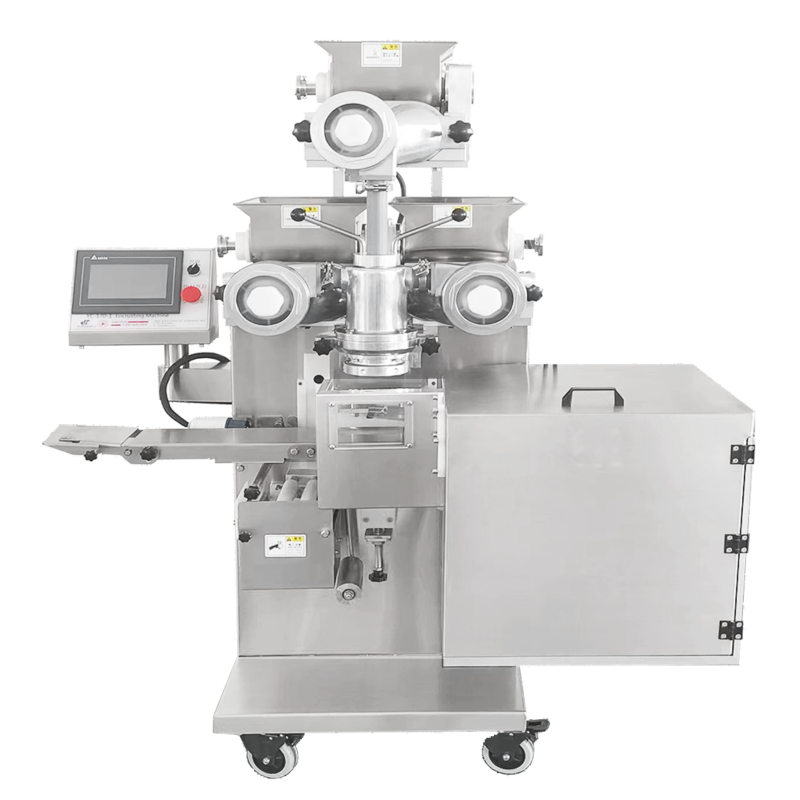
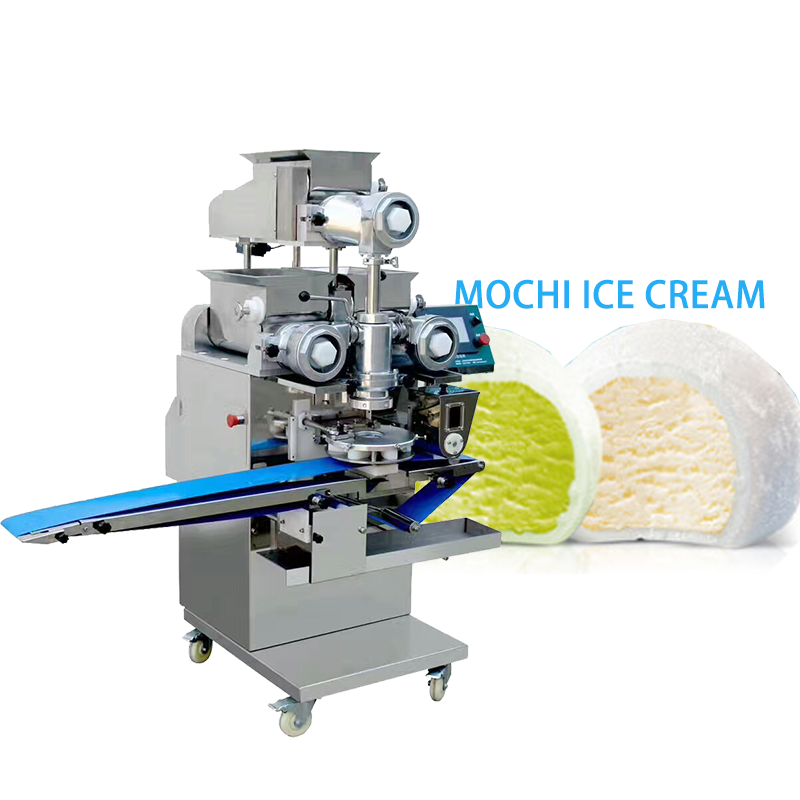
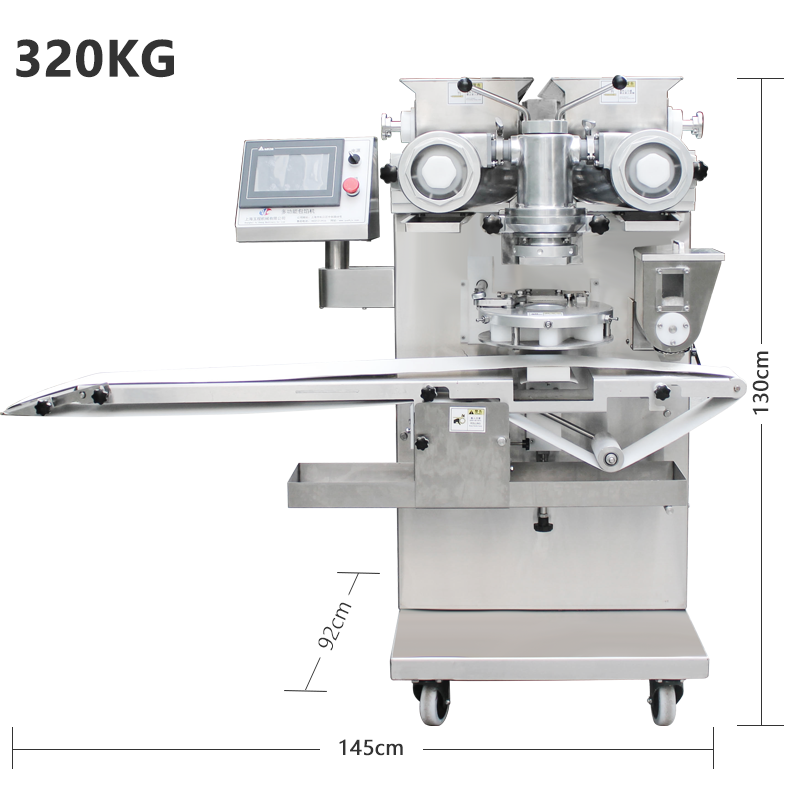
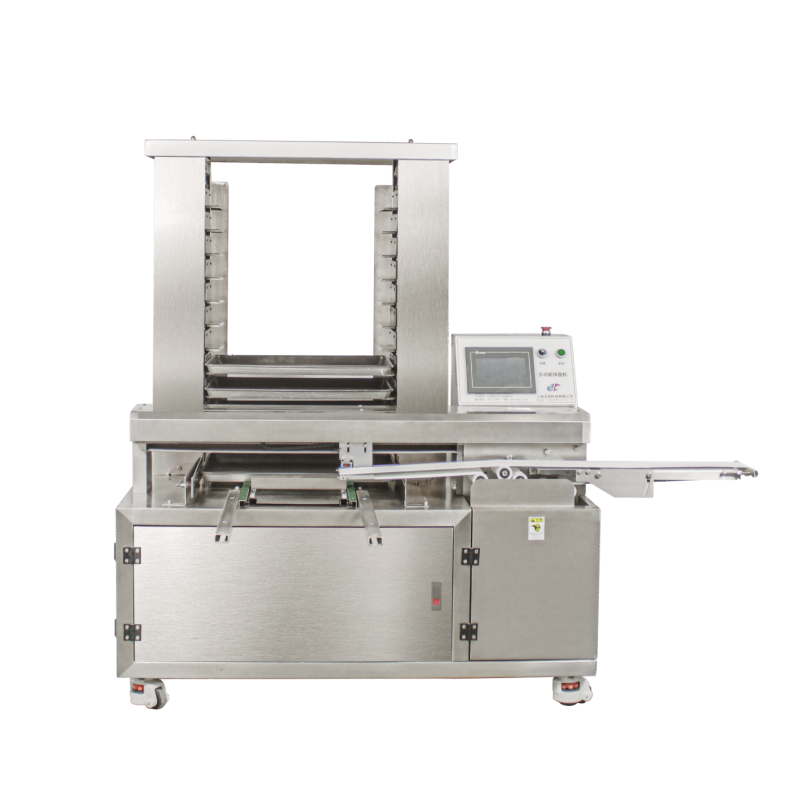
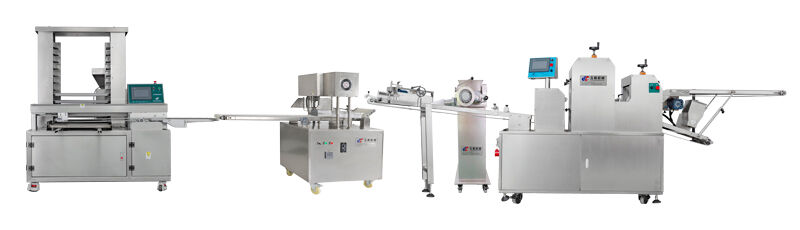
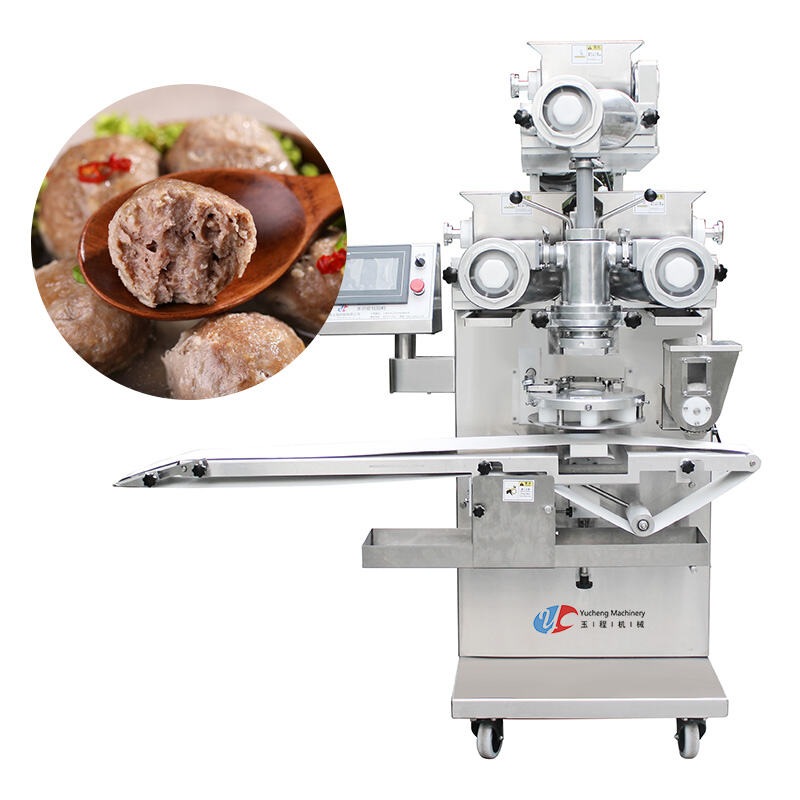
A food production line factory represents a sophisticated manufacturing facility designed to transform raw ingredients into finished food products through automated processes. These modern facilities integrate cutting-edge technology with streamlined workflows to ensure consistent quality, safety, and efficiency in food manufacturing. The primary function of a food production line factory revolves around processing various food categories including baked goods, beverages, dairy products, processed meats, and packaged snacks. Each production line operates with precision-engineered equipment that handles multiple stages from ingredient preparation to final packaging. The technological infrastructure includes automated mixing systems, temperature-controlled cooking chambers, conveyor belt networks, quality inspection stations, and packaging machinery. Advanced control systems monitor every aspect of production, ensuring optimal temperature, humidity, and timing throughout each process. The food production line factory employs sophisticated sensors and monitoring devices that track product quality in real-time, detecting any deviations from established parameters. Modern facilities incorporate computerized recipe management systems that ensure consistent flavor profiles and nutritional content across batches. The applications of food production line factories span across numerous sectors including commercial food service, retail distribution, and export markets. These facilities serve restaurants, supermarkets, convenience stores, and institutional buyers such as schools and hospitals. The scalability of production lines allows manufacturers to adjust output volumes based on market demand while maintaining cost-effectiveness. Environmental considerations have become integral to modern food production line factory design, with energy-efficient equipment and waste reduction systems becoming standard features. Water recycling systems and sustainable packaging solutions demonstrate the industry's commitment to environmental responsibility while maintaining operational excellence.

Popular Products

Food production line factory operations deliver exceptional efficiency that dramatically reduces manufacturing costs and timeframes compared to traditional manual processing methods. Automated systems eliminate human error while maintaining consistent product quality across thousands of units daily. The standardized processes ensure every product meets exact specifications, creating reliable brand reputation and customer satisfaction. These facilities maximize ingredient utilization through precise measuring and minimal waste generation, directly impacting profitability margins. The speed of production allows manufacturers to respond quickly to market fluctuations and seasonal demands without compromising quality standards. Quality control mechanisms built into food production line factory systems detect contamination or defects immediately, preventing costly recalls and protecting consumer safety. The controlled environment eliminates external contamination risks while maintaining optimal hygiene standards throughout production cycles. Traceability systems enable complete product tracking from raw materials to finished goods, ensuring compliance with food safety regulations and facilitating rapid response to any quality issues. Scalability represents another significant advantage, allowing businesses to increase production volumes without proportional increases in labor costs or facility requirements. Modern food production line factory setups accommodate multiple product variations on single lines, maximizing equipment utilization and reducing capital investments. The reduced labor requirements lower operational expenses while eliminating workforce-related challenges such as training costs, turnover, and scheduling conflicts. Energy-efficient equipment designs minimize utility costs while advanced maintenance scheduling prevents unexpected downtime. Inventory management becomes more predictable through consistent production scheduling, reducing storage costs and minimizing ingredient spoilage. The food production line factory approach enables manufacturers to meet strict regulatory requirements more easily through built-in compliance monitoring and documentation systems. Risk management improves significantly through automated safety protocols and emergency shutdown procedures that protect both workers and equipment investments.

Latest News

How Does a Pastry Making Machine Improve Efficiency and Quality?

21

Oct

How Does a Pastry Making Machine Improve Efficiency and Quality?

Revolutionizing Commercial Bakery Operations with Advanced Equipment The modern bakery landscape has undergone a remarkable transformation with the integration of pastry making machines. These sophisticated pieces of equipment have become the backbon...
View More
Why choose automatic machinery over manual processes?

23

Dec

Why choose automatic machinery over manual processes?

The manufacturing landscape has undergone a dramatic transformation over the past few decades, with automatic machinery emerging as a cornerstone of modern industrial operations. Companies across various sectors are increasingly recognizing the subst...
View More
What Makes Commercial Fishball Machines So Efficient?

23

Dec

What Makes Commercial Fishball Machines So Efficient?

Commercial food production has revolutionized how restaurants and food manufacturers create consistent, high-quality products at scale. The fishball machine represents a pinnacle of engineering efficiency in automated food processing, transforming tr...
View More
How to Choose the Right Fishball Machine for Your Kitchen?

23

Dec

How to Choose the Right Fishball Machine for Your Kitchen?

Commercial food production demands precision, efficiency, and consistency when creating popular items like fishballs. A high-quality fishball machine transforms raw fish ingredients into perfectly shaped, uniform products that meet consumer expectati...
View More

Get a Free Quote

Our representative will contact you soon.
Email
Name
Company Name
Message
0/1000

food production line factory

Advanced Automation Technology Integration

Advanced Automation Technology Integration

The sophisticated automation technology within a food production line factory revolutionizes manufacturing capabilities through intelligent control systems that orchestrate every aspect of production with unprecedented precision. These systems integrate multiple technologies including programmable logic controllers, servo motors, vision inspection systems, and artificial intelligence algorithms that work together seamlessly. The automation reduces dependency on manual labor while eliminating inconsistencies that often occur with human intervention. Robotic systems handle delicate products with controlled pressure and movement, ensuring product integrity throughout processing stages. The technology enables 24-hour continuous operation without quality degradation, maximizing production capacity and meeting high-volume demands effectively. Sensor networks monitor critical parameters such as temperature, pressure, flow rates, and product dimensions in real-time, automatically adjusting processes to maintain optimal conditions. The integration allows for complex recipe management where multiple ingredients are combined with exact timing and proportions, ensuring consistent flavor profiles and nutritional content across all batches. Quality inspection systems utilize high-resolution cameras and spectral analysis to detect defects, foreign objects, or contamination that human inspectors might miss. The automation technology facilitates rapid changeovers between different products, reducing downtime and increasing production flexibility. Data collection capabilities provide valuable insights into production efficiency, enabling continuous improvement initiatives and predictive maintenance scheduling. The sophisticated control systems can simulate various production scenarios, allowing operators to optimize processes before implementing changes on actual production runs. This technological advancement transforms the food production line factory into a highly efficient, reliable, and adaptable manufacturing environment that consistently delivers superior products while maintaining cost-effectiveness and operational excellence.
Comprehensive Quality Assurance Systems

Comprehensive Quality Assurance Systems

The comprehensive quality assurance systems implemented in modern food production line factory environments establish multiple layers of protection that ensure product safety, consistency, and regulatory compliance throughout every stage of manufacturing. These systems begin with incoming ingredient inspection using advanced analytical equipment that verifies quality parameters, nutritional content, and contamination levels before materials enter production processes. In-line monitoring equipment continuously evaluates product characteristics during processing, measuring factors such as moisture content, protein levels, fat distribution, and microbiological safety indicators. The quality assurance framework includes environmental monitoring systems that track air quality, surface cleanliness, and equipment sanitization effectiveness to maintain hygienic production conditions. Automated sampling systems collect representative product samples at predetermined intervals, subjecting them to rigorous laboratory testing using sophisticated analytical instruments. The food production line factory quality systems incorporate statistical process control methodologies that identify trends and variations before they impact final product quality. Traceability systems maintain detailed records of every ingredient batch, processing parameter, and quality test result, enabling rapid identification and isolation of any quality issues. Temperature mapping studies ensure thermal processing equipment delivers uniform heat treatment across all product zones, validating the effectiveness of pasteurization or sterilization processes. Packaging integrity testing verifies seal strength, barrier properties, and leak detection to ensure product protection during distribution and storage. The quality assurance systems include supplier qualification programs that evaluate and monitor ingredient suppliers based on their own quality management systems and performance history. Regular calibration and maintenance of testing equipment ensures measurement accuracy and reliability throughout the production cycle. Continuous training programs keep quality personnel updated on latest testing methods, regulatory requirements, and industry best practices, maintaining the highest standards of quality assurance excellence.
Flexible Production Scalability Solutions

Flexible Production Scalability Solutions

The flexible production scalability solutions offered by modern food production line factory systems provide manufacturers with unprecedented adaptability to market demands, seasonal fluctuations, and business growth opportunities without requiring massive capital investments or facility expansions. These scalable systems utilize modular equipment designs that allow incremental capacity increases through additional processing modules, packaging stations, or parallel production lines. The flexibility enables manufacturers to produce multiple product variants on single production lines through quick-change tooling systems and programmable recipe databases. Production scheduling software optimizes line utilization by automatically sequencing different products based on changeover requirements, ingredient availability, and delivery deadlines. The food production line factory scalability extends to packaging options where single lines accommodate various container sizes, labeling requirements, and closure types through adjustable components and servo-driven positioning systems. Ingredient handling systems scale proportionally with production volumes, featuring expandable storage silos, flexible conveying networks, and automated dosing systems that maintain accuracy across different batch sizes. The modular approach allows manufacturers to start with basic production capabilities and gradually add advanced features such as inline quality testing, automated case packing, and palletizing systems as business volumes justify additional investments. Utility systems including compressed air, steam generation, and refrigeration scale efficiently through variable-capacity equipment that adjusts energy consumption based on actual production demands. The scalable design philosophy extends to control systems where additional sensors, monitoring points, and data collection capabilities integrate seamlessly with existing infrastructure. Workforce requirements remain relatively stable across different production volumes due to automated systems handling capacity increases without proportional labor additions. This scalability enables small and medium-sized manufacturers to compete effectively with larger competitors while maintaining operational efficiency and product quality standards throughout their growth journey.
Inquiry Inquiry Email Email Youtube Youtube Tiktok Tiktok TopTop

Get a Free Quote

Our representative will contact you soon.
Email
Name
Company Name
Message
0/1000