Commercial Food Production Line Solutions - Advanced Manufacturing Systems for Food Processing

Get a Free Quote

Our representative will contact you soon.
Email
Name
Company Name
Message
0/1000

commercial food production line

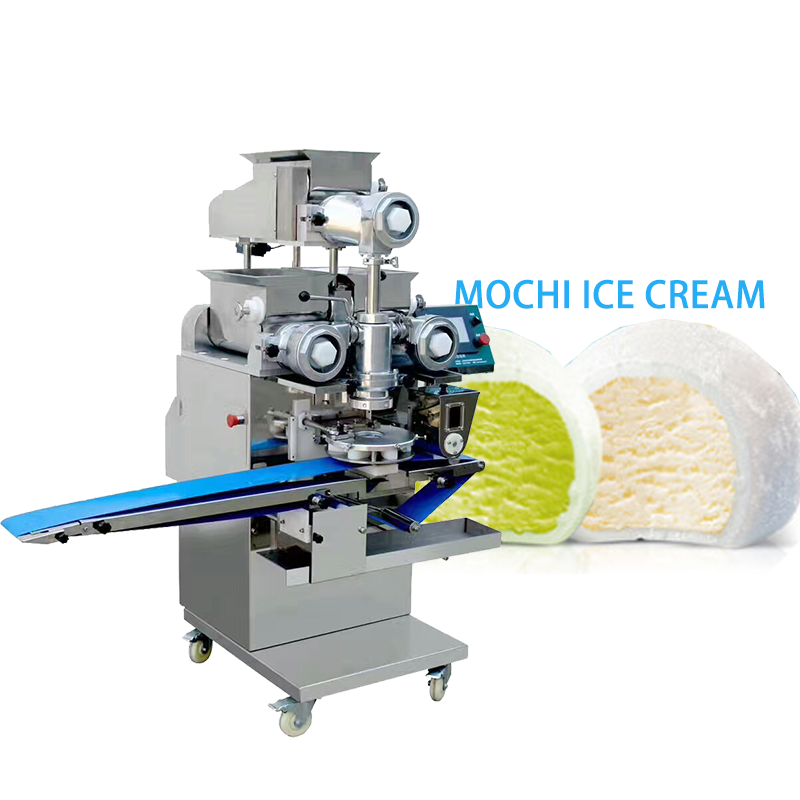
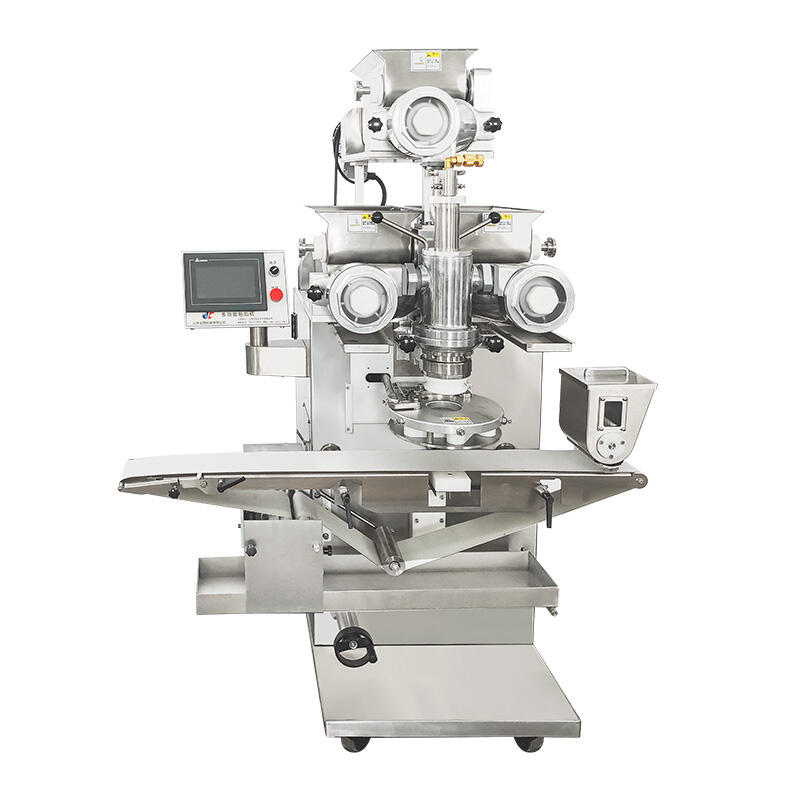
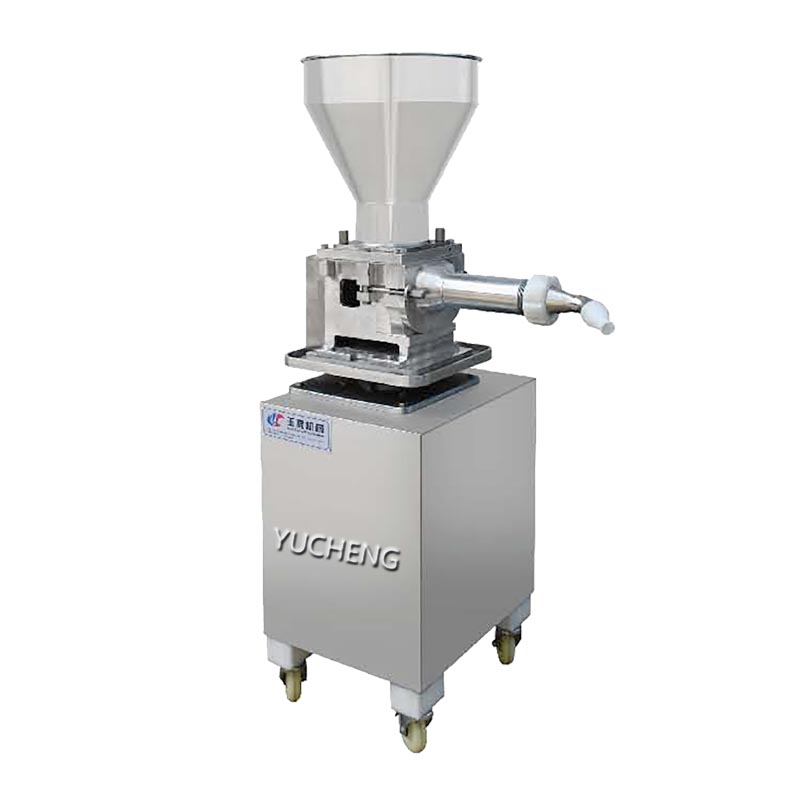
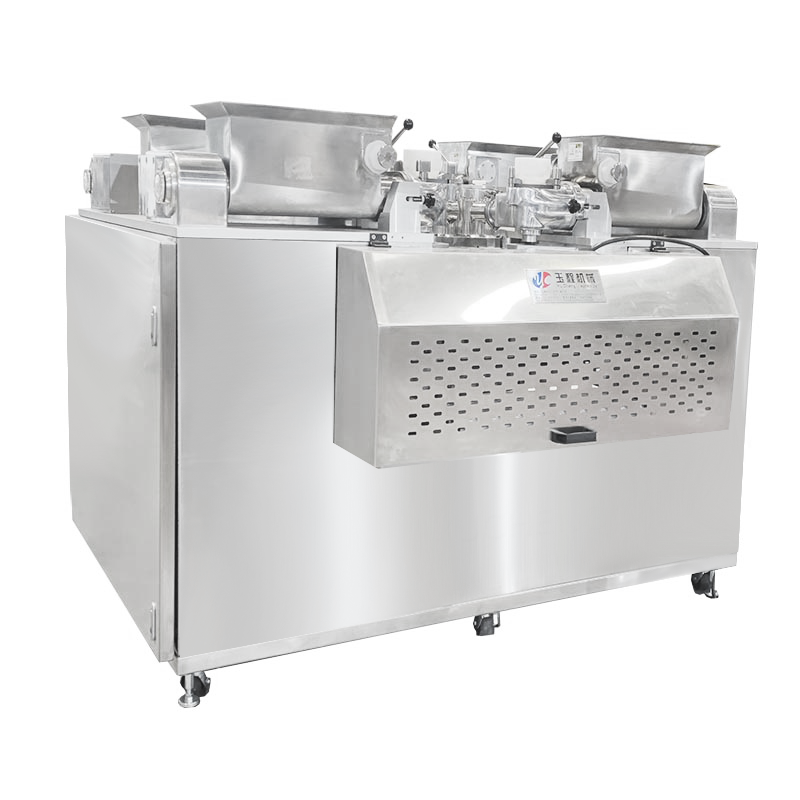
A commercial food production line represents a sophisticated manufacturing system designed to transform raw ingredients into finished food products through automated processes. These integrated systems combine multiple processing stages, including preparation, cooking, packaging, and quality control, to deliver consistent results at industrial scale. The commercial food production line incorporates advanced machinery such as conveyor systems, mixing equipment, cooking units, cooling chambers, and automated packaging stations. Modern production lines utilize programmable logic controllers and human-machine interfaces to monitor temperature, timing, and product flow throughout the manufacturing process. Key technological features include stainless steel construction for hygiene compliance, variable speed controls for different product requirements, and integrated cleaning systems for sanitation maintenance. The commercial food production line serves diverse applications across bakery operations, snack manufacturing, beverage production, dairy processing, and prepared meal assembly. These systems accommodate various product formats from liquid beverages to solid confections, enabling manufacturers to diversify their offerings efficiently. Safety mechanisms such as emergency stops, protective barriers, and automated quality checks ensure operator protection and product integrity. The modular design allows businesses to customize their commercial food production line according to specific requirements, whether processing cereals, meat products, or frozen foods. Energy-efficient components reduce operational costs while maintaining optimal performance standards. Integration capabilities enable seamless connection with existing warehouse management systems and supply chain operations, facilitating real-time inventory tracking and production scheduling. The commercial food production line supports compliance with food safety regulations through traceable processes and documentation systems, ensuring manufacturers meet industry standards consistently.

New Products

The commercial food production line delivers substantial cost savings through automated processes that reduce manual labor requirements and minimize human error. Businesses experience increased profitability as these systems operate continuously with minimal supervision, maximizing output while controlling expenses. Production consistency becomes achievable through precise control mechanisms that ensure every product meets established quality standards, eliminating variations that occur with manual processes. The commercial food production line significantly reduces production time by processing multiple batches simultaneously and maintaining steady throughput rates. Manufacturers can scale operations efficiently without proportional increases in staffing, allowing rapid response to market demand fluctuations. Food safety improvements occur naturally through enclosed processing environments that minimize contamination risks and maintain hygienic conditions throughout production cycles. The automated systems generate detailed production data that enables managers to identify optimization opportunities and track performance metrics accurately. Waste reduction represents another key advantage, as the commercial food production line precisely measures ingredients and minimizes spillage through controlled dispensing systems. Equipment maintenance becomes predictable through built-in diagnostic systems that alert operators to potential issues before breakdowns occur, reducing unexpected downtime costs. Worker safety improves significantly as employees interact less directly with potentially hazardous equipment and high-temperature processes. The commercial food production line enables businesses to expand product varieties without substantial additional investment, supporting market diversification strategies. Quality control becomes more reliable through integrated inspection systems that automatically detect defects and remove substandard products from the production stream. Energy efficiency features reduce utility costs while supporting environmental sustainability goals that increasingly influence consumer purchasing decisions. The commercial food production line provides competitive advantages by enabling faster market entry for new products and supporting rapid scaling when demand increases unexpectedly.

Practical Tips

How Does a Pastry Making Machine Improve Efficiency and Quality?

21

Oct

How Does a Pastry Making Machine Improve Efficiency and Quality?

Revolutionizing Commercial Bakery Operations with Advanced Equipment The modern bakery landscape has undergone a remarkable transformation with the integration of pastry making machines. These sophisticated pieces of equipment have become the backbon...
View More
How to select the right mochi ice cream machine size?

23

Dec

How to select the right mochi ice cream machine size?

Selecting the appropriate mochi ice cream machine for your business requires careful consideration of multiple factors that directly impact production capacity, operational efficiency, and long-term profitability. The size of your mochi ice cream mac...
View More
How does a date ball machine improve production efficiency?

23

Dec

How does a date ball machine improve production efficiency?

Modern food manufacturing facilities are continuously seeking innovative solutions to enhance their production capabilities while maintaining consistent quality standards. The implementation of automated equipment has revolutionized how specialty foo...
View More
When should you buy a bread making machine in 2025?

21

Jan

When should you buy a bread making machine in 2025?

The bread making industry continues to evolve rapidly, and 2025 presents unique opportunities for businesses and commercial operations to invest in advanced bread making machine technology. Understanding the optimal timing for acquiring a bread makin...
View More

Get a Free Quote

Our representative will contact you soon.
Email
Name
Company Name
Message
0/1000

commercial food production line

Advanced Automation Technology for Maximum Efficiency

Advanced Automation Technology for Maximum Efficiency

The commercial food production line incorporates cutting-edge automation technology that revolutionizes manufacturing efficiency through intelligent process control and real-time monitoring capabilities. This sophisticated system utilizes programmable logic controllers integrated with advanced sensors that continuously monitor critical parameters such as temperature, pressure, flow rates, and product quality metrics throughout the entire production cycle. The automation technology enables precise ingredient dosing, ensuring consistent product formulations while minimizing waste through exact measurements and controlled dispensing systems. Machine learning algorithms analyze production data to optimize processing parameters automatically, adapting to variations in raw materials and environmental conditions without human intervention. The commercial food production line features touchscreen interfaces that provide operators with intuitive control over complex processes, displaying real-time production statistics and performance indicators that facilitate informed decision-making. Automated quality inspection systems utilize computer vision technology to detect defects, foreign objects, and packaging inconsistencies at speeds impossible for manual inspection, ensuring only products meeting strict quality standards reach consumers. The technology supports predictive maintenance protocols that analyze equipment performance data to schedule maintenance activities before failures occur, minimizing unexpected downtime and extending equipment lifespan. Integration capabilities allow the commercial food production line to communicate seamlessly with enterprise resource planning systems, enabling automatic inventory updates, production scheduling, and supply chain coordination. Remote monitoring capabilities enable managers to oversee operations from multiple locations, receiving instant alerts about production issues or maintenance requirements through mobile applications and web-based dashboards. The automation technology reduces labor dependency while improving workplace safety by minimizing human exposure to potentially hazardous processes such as high-temperature cooking, chemical sanitization, and heavy machinery operation.
Scalable Production Capacity for Growing Businesses

Scalable Production Capacity for Growing Businesses

The commercial food production line offers exceptional scalability that accommodates business growth without requiring complete system replacement or extensive facility modifications. This modular design philosophy enables manufacturers to start with essential processing components and gradually expand capacity by adding complementary modules as production demands increase. The scalable architecture supports incremental capacity increases ranging from small percentage improvements to doubling or tripling output levels through strategic equipment additions and process optimization. Flexible configuration options allow the commercial food production line to process multiple product types on the same equipment by adjusting parameters and changing tooling configurations, maximizing equipment utilization while supporting product diversification strategies. The system accommodates seasonal demand fluctuations through variable speed controls and batch size adjustments that maintain efficiency across different production volumes without compromising product quality. Standardized interfaces between system components ensure compatibility when adding new modules or upgrading existing equipment, protecting initial investments while supporting future expansion plans. The commercial food production line supports both horizontal scaling through additional parallel processing lines and vertical scaling through enhanced processing capabilities on existing equipment. Quick changeover capabilities enable rapid transitions between different product formulations, reducing downtime and supporting just-in-time manufacturing approaches that respond efficiently to market demand changes. The scalable design accommodates various facility sizes and layouts, from compact operations in urban environments to large-scale manufacturing facilities in industrial parks. Future-proofing features ensure the commercial food production line remains compatible with emerging technologies and evolving industry standards, protecting long-term investments while maintaining competitive advantages. Training programs support scaling operations by ensuring staff can operate expanded systems effectively, while comprehensive documentation facilitates smooth transitions during capacity expansion projects.
Comprehensive Quality Control and Food Safety Assurance

Comprehensive Quality Control and Food Safety Assurance

The commercial food production line implements comprehensive quality control measures that exceed industry standards while ensuring complete food safety compliance throughout every production stage. Multi-point inspection systems monitor critical control points identified through Hazard Analysis and Critical Control Points protocols, automatically documenting temperatures, processing times, and sanitation procedures to maintain complete traceability records. Advanced detection systems identify potential contaminants including metal fragments, plastic particles, and foreign objects through electromagnetic sensors and optical inspection technologies that operate at production speeds without slowing throughput rates. The commercial food production line incorporates automated cleaning-in-place systems that execute precisely programmed sanitation cycles using controlled chemical concentrations and timing sequences to eliminate pathogens and maintain hygienic processing environments. Temperature monitoring systems ensure proper cooking temperatures throughout processing equipment, automatically adjusting heating elements to maintain food safety standards while preventing overcooking that degrades product quality. Integrated documentation systems generate comprehensive production records that support regulatory compliance requirements and facilitate rapid response to quality investigations or product recalls if necessary. The quality control framework includes statistical process control capabilities that analyze production data trends to identify potential quality issues before they affect finished products, enabling proactive adjustments rather than reactive corrections. Allergen control measures prevent cross-contamination between products containing different allergens through dedicated processing lines, thorough cleaning protocols, and controlled ingredient handling procedures. The commercial food production line supports various quality certifications including ISO 22000, HACCP, and SQF standards through built-in compliance monitoring and reporting capabilities. Laboratory integration enables real-time quality testing of samples throughout production cycles, with automatic production adjustments based on test results to maintain consistent product specifications. Environmental monitoring systems track air quality, humidity levels, and pest control measures to maintain optimal processing conditions that support both product quality and regulatory compliance requirements.
Inquiry Inquiry Email Email Youtube Youtube Tiktok Tiktok TopTop

Get a Free Quote

Our representative will contact you soon.
Email
Name
Company Name
Message
0/1000