 EN
EN

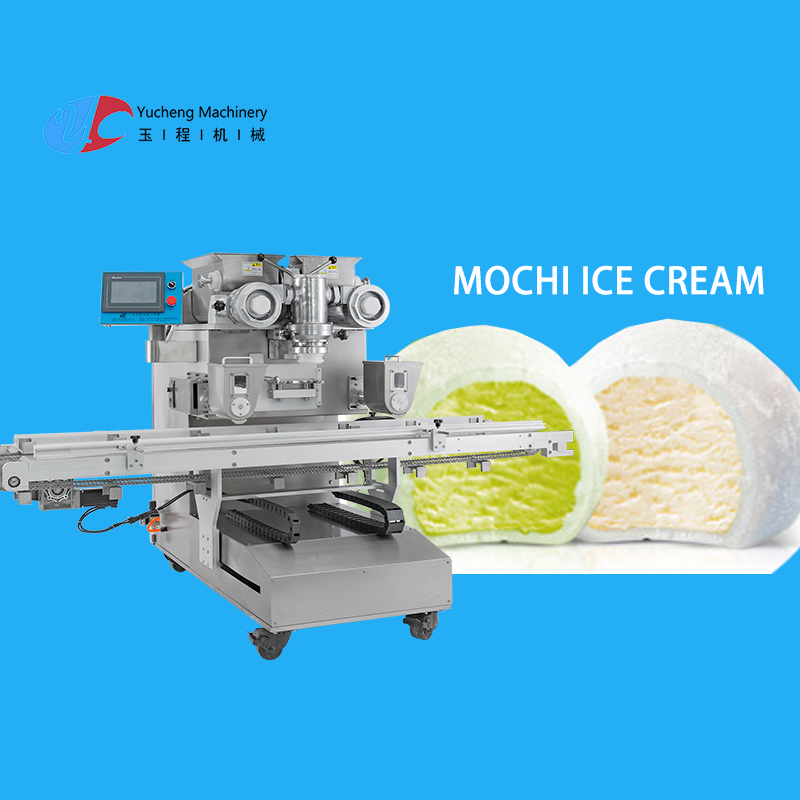
Selecting the appropriate mochi ice cream machine for your business requires careful consideration of multiple factors that directly impact production capacity, operational efficiency, and long-term profitability. The size of your mochi ice cream machine determines not only the volume of products you can produce but also influences energy consumption, floor space requirements, and staffing needs. Understanding these variables ensures you make an informed investment that aligns with your business goals and market demands.
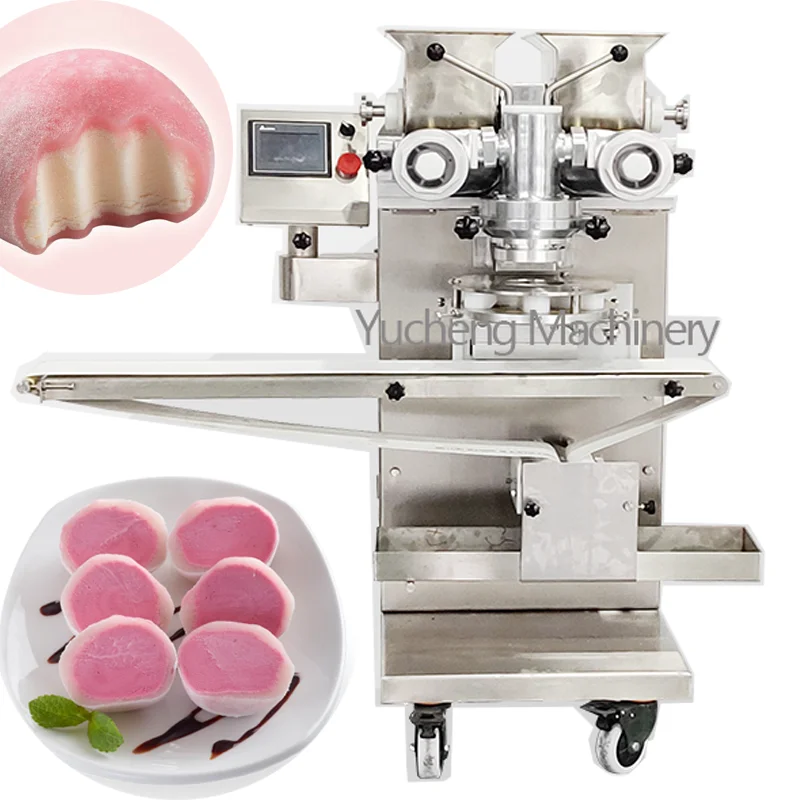
Production Capacity Requirements
Determining Your Daily Output Needs
Calculating your daily production requirements forms the foundation for selecting the right mochi ice cream machine size. Start by analyzing your target market, expected customer traffic, and sales projections to establish realistic production goals. Consider peak demand periods, seasonal fluctuations, and potential growth trajectories when evaluating capacity needs. A properly sized mochi ice cream machine should handle your current production requirements while providing room for expansion without overwhelming your operational capabilities.
Small-scale operations typically require machines capable of producing 50-200 pieces per hour, making them suitable for specialty dessert shops, food trucks, or startup ventures. Medium-capacity machines can handle 200-500 pieces hourly, accommodating established restaurants, cafeterias, or regional suppliers. Large-scale commercial operations demand high-output machines producing 500-1000+ pieces per hour, supporting wholesale distributors, large restaurant chains, or manufacturing facilities.
Batch Size Considerations
Understanding batch production cycles helps optimize your mochi ice cream machine selection for maximum efficiency. Smaller machines typically process batches of 20-50 pieces, requiring more frequent operation cycles but offering greater flexibility for variety production. Larger machines handle batches of 100-300 pieces, reducing labor time per unit but requiring longer setup and changeover periods between different flavors or products.
Consider your product mix strategy when evaluating batch sizes, as frequent flavor changes may favor smaller, more agile machines despite lower absolute capacity. Conversely, operations focusing on high-volume production of standard flavors benefit from larger batch capabilities that maximize throughput efficiency and minimize labor costs per unit produced.
Space and Infrastructure Constraints
Kitchen Layout and Floor Space
Available floor space directly influences your mochi ice cream machine size selection, requiring careful measurement and layout planning before purchase. Compact countertop models occupy minimal space, typically requiring 2-4 square feet of workspace, making them ideal for small kitchens or existing food service operations with limited expansion room. These smaller units integrate easily into existing workflows without major infrastructure modifications.
Floor-standing mochi ice cream machine models require dedicated workspace of 6-15 square feet, depending on size and configuration. Consider operator movement space, ingredient storage areas, and maintenance access when calculating total space requirements. Large commercial units may demand 20+ square feet plus additional space for auxiliary equipment, raw material storage, and finished product handling areas.
Utility Requirements and Infrastructure
Power requirements vary significantly between different mochi ice cream machine sizes, impacting electrical infrastructure needs and operating costs. Smaller units typically operate on standard 110V household current, drawing 5-15 amps during operation. Medium-sized machines often require 220V service with 20-30 amp capacity, necessitating electrical upgrades in many commercial kitchens.
Large commercial mochi ice cream machine installations may demand three-phase power, specialized ventilation systems, and reinforced flooring to support equipment weight. Evaluate your facility's existing utilities and factor upgrade costs into your total investment calculation. Additionally, consider water access for cleaning, compressed air requirements for pneumatic components, and waste heat management for proper equipment operation.
Budget and Cost Considerations
Initial Investment Analysis
Equipment costs increase substantially with mochi ice cream machine size and capability, requiring careful budget analysis to determine optimal value propositions. Entry-level small machines typically range from $3,000-$8,000, offering basic functionality suitable for low-volume operations or market testing. Mid-range units cost $8,000-$25,000, providing enhanced features, higher capacity, and improved reliability for established businesses.
High-capacity commercial mochi ice cream machine systems can exceed $50,000, incorporating advanced automation, quality control systems, and industrial-grade components. While initial costs appear substantial, calculate cost-per-unit capacity to determine actual value, as larger machines often provide better economic efficiency for high-volume operations.
Operating Cost Implications
Energy consumption varies significantly between different mochi ice cream machine sizes, directly impacting long-term operational expenses. Smaller units typically consume 2-5 kWh during production cycles, while large commercial machines may require 15-25 kWh for equivalent output volumes. Factor local electricity rates and expected operating hours into your cost analysis to determine total energy expenses.
Maintenance costs also scale with machine size and complexity, requiring regular service, replacement parts, and potential downtime expenses. Larger machines often require specialized technicians, more expensive components, and longer repair times, but typically offer better reliability and lower per-unit maintenance costs over extended operating periods.
Operational Efficiency Factors
Automation and Labor Requirements
Machine size directly correlates with automation levels and staffing requirements, significantly impacting operational efficiency and labor costs. Smaller mochi ice cream machine units typically require hands-on operation, with operators manually feeding ingredients, monitoring production cycles, and handling finished products. This approach provides maximum flexibility but increases labor intensity and limits production scalability.
Larger commercial machines incorporate advanced automation features including automatic ingredient feeding, portion control, temperature monitoring, and quality assurance systems. These capabilities reduce skilled labor requirements, improve consistency, and enable higher production rates with minimal supervision. However, automated systems require operator training, regular calibration, and more complex maintenance procedures.
Production Flexibility and Changeover
Consider production flexibility requirements when selecting mochi ice cream machine size, as different scales offer varying advantages for product variety and changeover efficiency. Smaller machines excel at frequent flavor changes, custom orders, and seasonal product variations due to minimal changeover time and reduced ingredient waste during transitions.
Larger machines optimize efficiency for consistent, high-volume production but require longer changeover periods and generate more waste during flavor transitions. Evaluate your product strategy and customer demands to determine whether flexibility or maximum throughput better serves your business model and market positioning.
Quality and Consistency Standards
Temperature Control and Processing Precision
Machine size influences temperature control capabilities and processing precision, directly affecting product quality and consistency. Smaller mochi ice cream machine models may have limited temperature control zones, requiring careful monitoring to maintain optimal processing conditions throughout production cycles. Manual adjustments and smaller thermal mass can lead to temperature fluctuations affecting product texture and quality.
Larger commercial machines typically incorporate multiple temperature zones, advanced control systems, and greater thermal stability for consistent processing conditions. These features ensure uniform product quality, reduce waste from defective products, and enable precise control over mochi texture, ice cream firmness, and overall product characteristics that meet professional quality standards.
Hygiene and Cleaning Considerations
Sanitation requirements and cleaning procedures vary significantly between different mochi ice cream machine sizes, impacting daily operations and regulatory compliance. Smaller units often feature removable components and simplified designs that facilitate thorough cleaning with standard kitchen equipment and procedures. This accessibility reduces cleaning time and ensures proper sanitation with minimal specialized training.
Large commercial machines may require specialized cleaning procedures, industrial sanitizers, and extended downtime for proper hygiene maintenance. However, they often incorporate automated cleaning systems, self-monitoring capabilities, and food-grade materials that maintain higher sanitation standards with proper operation and maintenance protocols.
Future Growth and Scalability
Expansion Planning Strategies
Selecting a mochi ice cream machine size requires careful consideration of future growth plans and scalability requirements to avoid premature equipment obsolescence. Purchasing equipment slightly larger than current needs provides growth capacity while maintaining operational efficiency, but excessive oversizing increases unnecessary costs and complexity for current operations.
Consider modular equipment options or multiple smaller units that can scale incrementally with business growth, providing flexibility and redundancy while managing capital investment. This approach enables gradual capacity increases, reduces single-point-of-failure risks, and maintains operational continuity during maintenance or equipment upgrades.
Market Adaptation Capabilities
Market conditions and consumer preferences evolve continuously, requiring mochi ice cream machine capabilities that adapt to changing demands and opportunities. Smaller, more flexible machines enable rapid product development, market testing, and niche product creation that larger operations cannot efficiently accommodate. This agility provides competitive advantages in dynamic markets and emerging trend adoption.
Conversely, large-scale operations offer cost advantages, supply chain efficiency, and market presence that enable competitive pricing and broad distribution capabilities. Evaluate your market position, competitive landscape, and strategic objectives to determine whether agility or scale provides greater long-term value for your specific business model and market environment.
FAQ
What factors determine the optimal mochi ice cream machine size for small businesses
Small businesses should prioritize compact mochi ice cream machine models that balance production capacity with space constraints and budget limitations. Consider daily production requirements, available floor space, electrical capacity, and initial investment capabilities when selecting equipment. Machines producing 50-200 pieces per hour typically suit small operations while providing room for modest growth without overwhelming operational capabilities or requiring major infrastructure investments.
How does machine size affect product quality and consistency in mochi ice cream production
Larger mochi ice cream machine units generally provide superior temperature control, processing consistency, and automated quality monitoring compared to smaller manual systems. Advanced temperature zones, precise portion control, and automated monitoring systems ensure uniform product characteristics and reduce waste from defective products. However, smaller machines offer greater flexibility for custom products and specialized variations when operated by skilled technicians with proper training and attention to detail.
What are the long-term cost implications of choosing different mochi ice cream machine sizes
Total ownership costs include initial purchase price, energy consumption, maintenance expenses, and labor requirements over the equipment's operational lifetime. Smaller machines typically have lower initial costs but higher per-unit labor and energy expenses, while larger systems require greater capital investment but offer better efficiency and lower operating costs for high-volume production. Calculate cost-per-unit output over expected equipment lifetime to determine true economic value for your specific operational requirements.
How can businesses plan for future expansion when selecting mochi ice cream machine size
Strategic planning involves selecting equipment that accommodates current needs while providing reasonable growth capacity without excessive oversizing. Consider modular approaches, multiple smaller units, or equipment with expandable capabilities that can scale incrementally with business development. Factor future space availability, utility capacity, and market growth projections into equipment selection to ensure long-term operational flexibility and avoid premature obsolescence or capacity constraints that limit business expansion opportunities.
Table of Contents
- Production Capacity Requirements
- Space and Infrastructure Constraints
- Budget and Cost Considerations
- Operational Efficiency Factors
- Quality and Consistency Standards
- Future Growth and Scalability
-
FAQ
- What factors determine the optimal mochi ice cream machine size for small businesses
- How does machine size affect product quality and consistency in mochi ice cream production
- What are the long-term cost implications of choosing different mochi ice cream machine sizes
- How can businesses plan for future expansion when selecting mochi ice cream machine size


