 EN
EN

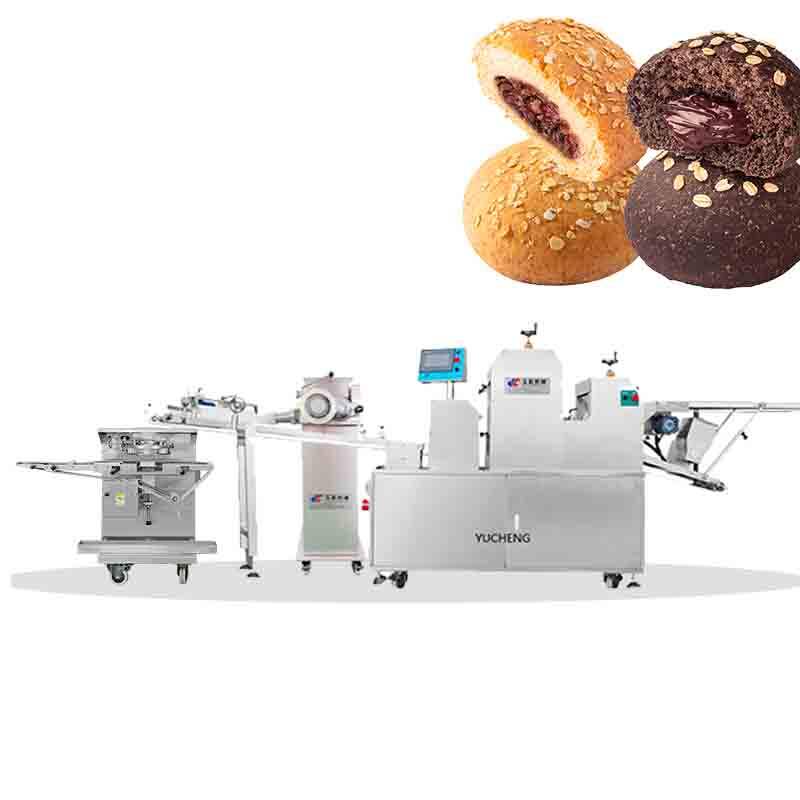
The manufacturing landscape has undergone a dramatic transformation over the past few decades, with automatic machinery emerging as a cornerstone of modern industrial operations. Companies across various sectors are increasingly recognizing the substantial advantages that automated systems offer over traditional manual processes. This shift represents more than just technological advancement; it signifies a strategic approach to enhancing productivity, quality, and profitability in today's competitive marketplace.
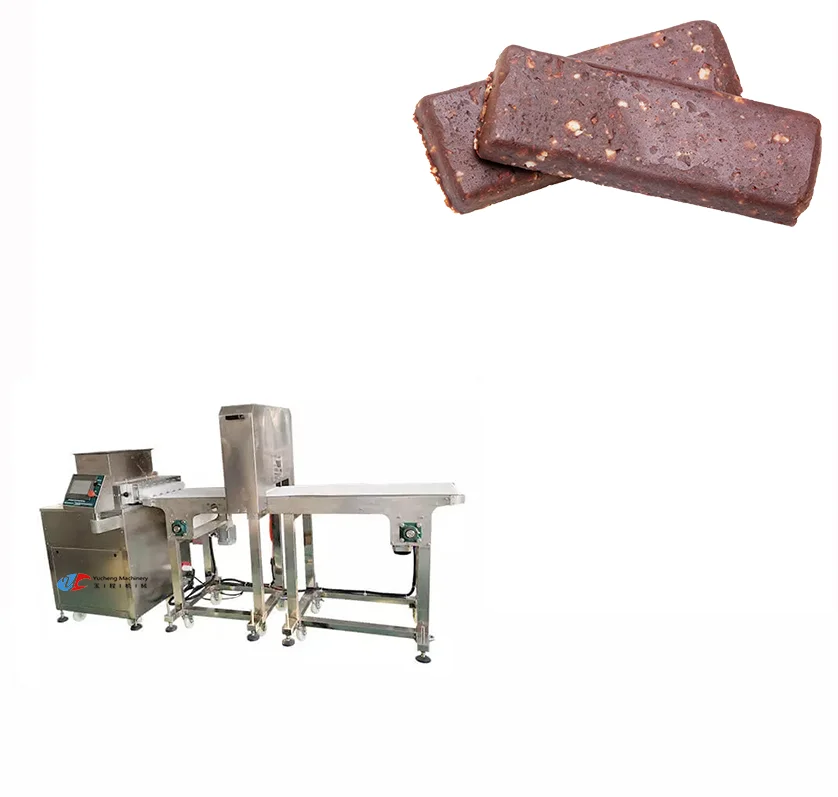
The evolution from manual to automated processes reflects the natural progression of industrial development, where efficiency and precision become paramount. Modern businesses face unprecedented pressure to deliver consistent quality while maintaining cost-effectiveness and meeting stringent safety standards. Automatic machinery addresses these challenges by providing reliable, repeatable, and scalable solutions that manual processes simply cannot match.
Understanding the Fundamental Differences
Core Operational Principles
Automatic machinery operates on sophisticated control systems that execute predetermined sequences with minimal human intervention. These systems integrate sensors, actuators, and programmable logic controllers to maintain precise control over manufacturing parameters. Unlike manual processes that rely heavily on human skill and judgment, automated systems deliver consistent performance regardless of external factors such as operator fatigue or environmental conditions.
The operational framework of automatic machinery encompasses multiple layers of control and monitoring. Real-time feedback mechanisms continuously adjust process variables to maintain optimal performance, while integrated quality control systems identify and correct deviations before they impact final product quality. This level of sophistication represents a fundamental departure from the reactive nature of manual processes.
Technology Integration Capabilities
Modern automatic machinery seamlessly integrates with enterprise resource planning systems, enabling real-time data exchange and comprehensive production monitoring. This connectivity allows for predictive maintenance scheduling, inventory optimization, and production planning based on actual performance metrics rather than estimates. The integration extends to quality management systems, ensuring complete traceability and compliance with industry standards.
The technological sophistication of contemporary automated systems enables remote monitoring and control capabilities, allowing operators to oversee multiple production lines simultaneously. This remote accessibility proves particularly valuable for maintaining operations during unexpected circumstances or managing facilities across multiple locations. Such capabilities remain impossible to achieve with manual processes alone.
Enhanced Productivity and Efficiency
Speed and Throughput Advantages
Automatic machinery consistently operates at optimal speeds without the natural variations associated with human performance. While manual processes are subject to productivity fluctuations due to fatigue, breaks, and individual skill differences, automated systems maintain steady output rates throughout entire production shifts. This consistency translates directly into higher overall equipment effectiveness and improved capacity utilization.
The speed advantages extend beyond simple operational velocity to encompass reduced changeover times and faster startup procedures. Advanced automatic machinery incorporates quick-change tooling systems and automated setup procedures that minimize downtime between production runs. These capabilities become increasingly valuable in high-mix, low-volume production environments where flexibility and responsiveness are critical success factors.
Resource Optimization Benefits
Automated systems optimize resource utilization through precise material handling and waste reduction mechanisms. Advanced automatic machinery incorporates material tracking systems that monitor consumption rates and identify opportunities for efficiency improvements. These systems can adjust processing parameters in real-time to minimize material waste while maintaining product quality specifications.
Energy consumption optimization represents another significant advantage of modern automated systems. Intelligent power management features automatically adjust system operation based on production requirements, reducing energy consumption during idle periods and optimizing power usage during active production. This level of energy management proves difficult to achieve consistently through manual process control.
Superior Quality Control and Consistency
Precision and Repeatability
The precision capabilities of automatic machinery far exceed what human operators can achieve consistently over extended periods. Servo-controlled positioning systems maintain tolerances measured in micrometers, while sophisticated measurement systems provide continuous feedback to ensure dimensional accuracy. This precision capability proves essential in industries where tight tolerances are critical for product performance and safety.
Repeatability represents perhaps the most significant quality advantage of automated systems. Once properly calibrated and programmed, automatic machinery reproduces identical results across thousands or millions of production cycles. This consistency eliminates the variations inherent in manual processes, where individual operator techniques and judgment calls can introduce unwanted variability into final products.
Integrated Quality Assurance
Modern automatic machinery incorporates comprehensive quality assurance systems that monitor critical parameters throughout the production process. Vision systems, weight checking devices, and dimensional measurement tools provide real-time quality feedback, enabling immediate corrective action when deviations occur. This integrated approach to quality control ensures that defective products are identified and removed before reaching customers.
Statistical process control capabilities built into advanced automated systems provide valuable insights into process capability and long-term trends. These systems automatically generate control charts and capability studies, enabling continuous improvement initiatives based on objective data rather than subjective observations. Such analytical capabilities remain challenging to implement effectively in manual production environments.
Economic Benefits and Cost Considerations
Labor Cost Optimization
While the initial investment in automatic machinery may be substantial, the long-term labor cost savings often justify the expenditure within reasonable payback periods. Automated systems reduce the number of operators required per production line while enabling remaining personnel to focus on higher-value activities such as quality monitoring and continuous improvement. This reallocation of human resources creates opportunities for skill development and career advancement.
The labor cost advantages extend beyond direct operator reductions to encompass reduced supervision requirements and decreased training costs. Automatic machinery operates according to programmed parameters, reducing the need for constant oversight and minimizing the impact of operator turnover on production continuity. These indirect labor savings contribute significantly to the overall economic benefits of automation.
Return on Investment Calculations
Calculating the return on investment for automatic machinery requires consideration of multiple factors beyond simple labor cost savings. Improved product quality reduces warranty claims and customer complaints, while increased production capacity enables revenue growth without proportional increases in overhead costs. Reduced material waste and energy consumption provide additional cost savings that contribute to overall profitability.
The financial benefits of automated systems compound over time as operational experience leads to further optimization opportunities. Predictive maintenance programs reduce unexpected downtime costs, while data-driven process improvements enhance efficiency and quality. These ongoing benefits often exceed initial projections, making automatic machinery investments increasingly attractive over their operational lifetime.
Safety and Workplace Environment
Hazard Reduction Capabilities
Automatic machinery significantly reduces workplace safety risks by minimizing direct human interaction with potentially dangerous processes and equipment. Automated systems can operate in hazardous environments where human presence would pose unacceptable safety risks, such as high-temperature processes, toxic chemical handling, or high-pressure operations. Safety interlocks and emergency shutdown systems provide additional protection for both equipment and personnel.
The safety advantages of automated systems extend to ergonomic improvements for remaining human workers. Automatic machinery eliminates repetitive manual tasks that can lead to musculoskeletal injuries, while reducing exposure to noise, vibration, and other environmental hazards. These improvements contribute to reduced workers' compensation costs and improved employee satisfaction.
Compliance and Regulatory Benefits
Modern automatic machinery incorporates comprehensive documentation and traceability systems that facilitate compliance with industry regulations and quality standards. Automated data collection ensures complete process records without relying on manual documentation, reducing the risk of compliance failures due to human error or oversight. This capability proves particularly valuable in heavily regulated industries such as pharmaceuticals, food processing, and aerospace manufacturing.
The audit trail capabilities of advanced automated systems provide detailed records of all process parameters, operator actions, and quality measurements. These records support regulatory inspections and provide valuable data for continuous improvement initiatives. Manual processes struggle to maintain such comprehensive documentation consistently over extended periods.
Scalability and Future Adaptability
Capacity Expansion Potential
Automatic machinery offers superior scalability compared to manual processes, enabling businesses to respond effectively to changing market demands. Modular system designs allow for incremental capacity additions without disrupting existing operations, while standardized interfaces facilitate integration with existing equipment. This flexibility proves essential for companies experiencing growth or seasonal demand variations.
The scalability advantages extend to product variety capabilities, where flexible automatic machinery can accommodate multiple product configurations through programming changes rather than extensive physical modifications. This adaptability enables efficient high-mix production strategies that would prove challenging to implement with manual processes.
Technology Evolution Compatibility
Contemporary automatic machinery designs incorporate upgrade paths that enable integration of emerging technologies as they become available. Industry 4.0 capabilities such as artificial intelligence, machine learning, and advanced analytics can be retrofitted to existing automated systems, extending their useful life and maintaining competitive advantages. Manual processes lack this evolutionary potential, requiring complete replacement to incorporate new capabilities.
The forward compatibility of modern automated systems ensures that current investments remain valuable as manufacturing technologies continue advancing. Software updates can add new features and capabilities without hardware modifications, while communication protocols enable integration with future enterprise systems and manufacturing execution platforms.
Implementation Strategies and Best Practices
Planning and Assessment Approaches
Successful implementation of automatic machinery requires thorough assessment of current processes, production requirements, and organizational capabilities. Comprehensive feasibility studies should evaluate technical requirements, economic justification, and implementation risks before committing to automation projects. This planning phase proves critical for achieving projected benefits and avoiding common implementation pitfalls.
The assessment process should include evaluation of existing infrastructure, utility requirements, and facility modifications necessary to support automated systems. Integration with existing equipment and information systems requires careful planning to ensure seamless operation and data connectivity. Proper planning minimizes implementation disruptions and accelerates time to full production capability.
Training and Change Management
Successful automation implementation requires comprehensive training programs that prepare personnel for new roles and responsibilities. Operators must develop skills in system monitoring, troubleshooting, and maintenance rather than direct process control. This transition requires structured training programs and ongoing support to ensure personnel can effectively utilize automatic machinery capabilities.
Change management initiatives should address organizational culture and resistance to automation adoption. Clear communication about benefits, job security, and career development opportunities helps build support for automation projects. Involving key personnel in system selection and implementation planning creates ownership and facilitates successful adoption of new technologies.
FAQ
What are the primary advantages of automatic machinery over manual processes
Automatic machinery offers several key advantages including consistent quality output, higher production speeds, reduced labor costs, improved safety conditions, and better resource utilization. Automated systems operate continuously without fatigue, maintain precise control over process parameters, and provide comprehensive data collection capabilities that manual processes cannot match. The combination of these benefits typically results in improved profitability and competitive positioning.
How do I determine if automatic machinery is suitable for my production needs
Evaluating suitability requires analysis of production volumes, quality requirements, labor availability, and economic factors. High-volume production with consistent specifications generally favors automation, while low-volume custom work may benefit from manual flexibility. Consider factors such as product complexity, changeover frequency, quality standards, and available capital when making automation decisions. Professional consultation can help assess technical feasibility and economic justification.
What challenges should I expect when transitioning from manual to automatic machinery
Common challenges include initial capital investment, personnel training requirements, potential production disruptions during installation, and the need for maintenance skill development. Technical integration with existing systems may require facility modifications and utility upgrades. Organizational resistance to change can also present challenges that require careful management. Proper planning, phased implementation, and comprehensive training programs help mitigate these challenges and ensure successful automation adoption.
How long does it typically take to see return on investment from automatic machinery
Payback periods for automatic machinery vary significantly based on application, production volumes, labor costs, and system complexity. Typical payback periods range from 1-5 years, with high-volume operations generally achieving faster returns. Factors such as quality improvements, reduced waste, energy savings, and increased capacity contribute to overall return calculations. Comprehensive financial analysis considering all benefits and costs provides the most accurate payback projections for specific applications.
Table of Contents
- Understanding the Fundamental Differences
- Enhanced Productivity and Efficiency
- Superior Quality Control and Consistency
- Economic Benefits and Cost Considerations
- Safety and Workplace Environment
- Scalability and Future Adaptability
- Implementation Strategies and Best Practices
-
FAQ
- What are the primary advantages of automatic machinery over manual processes
- How do I determine if automatic machinery is suitable for my production needs
- What challenges should I expect when transitioning from manual to automatic machinery
- How long does it typically take to see return on investment from automatic machinery


