 EN
EN


The bread making industry continues to evolve rapidly, and 2025 presents unique opportunities for businesses and commercial operations to invest in advanced bread making machine technology. Understanding the optimal timing for acquiring a bread making machine requires careful consideration of market trends, technological advancements, and operational needs. Whether you're establishing a new bakery, expanding an existing operation, or upgrading outdated equipment, the strategic timing of your bread making machine purchase can significantly impact your business success and return on investment.
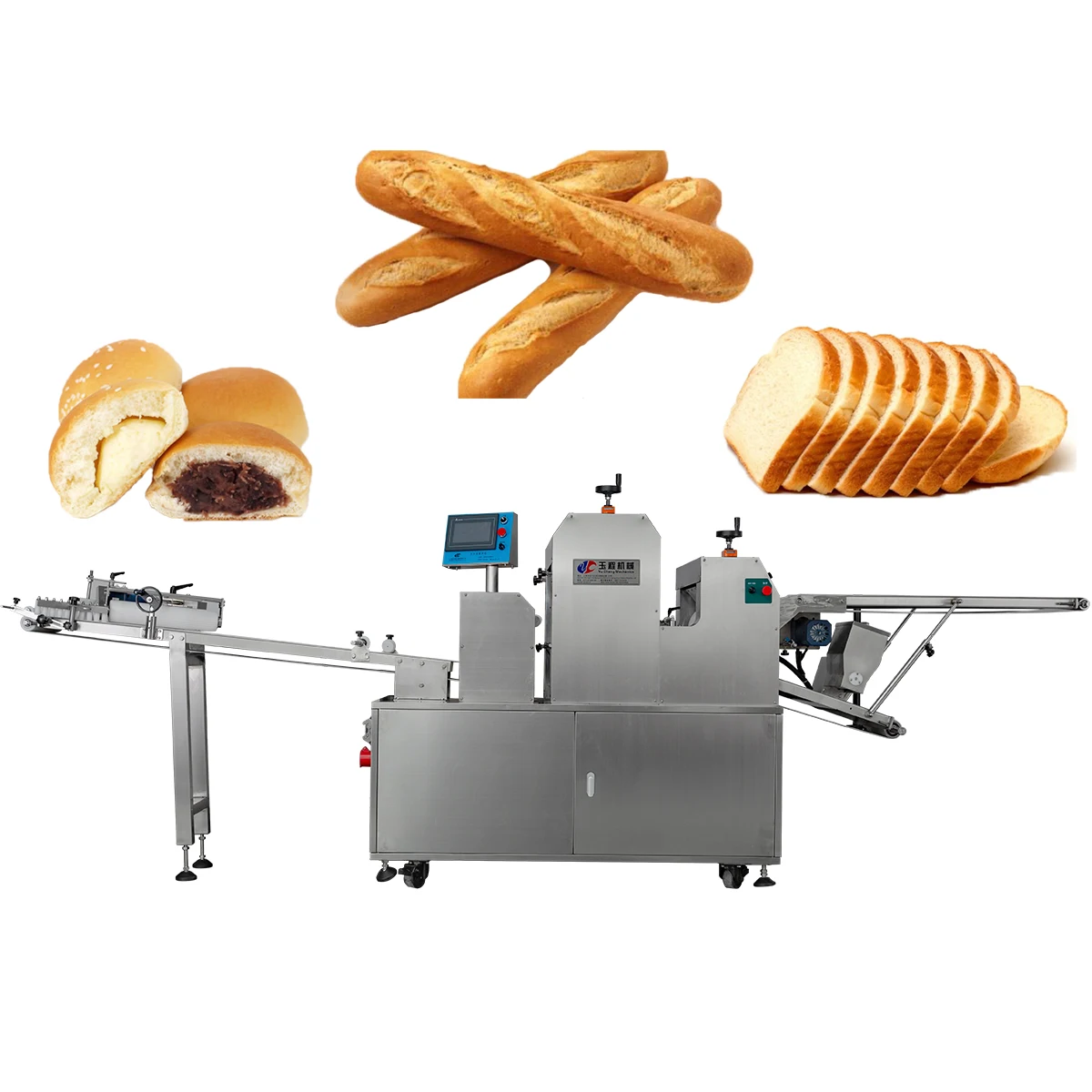
The commercial baking sector is experiencing unprecedented growth, driven by increasing consumer demand for artisanal and fresh-baked products. Modern bread making machine systems offer enhanced automation, improved energy efficiency, and superior product consistency compared to previous generations. These technological improvements make 2025 an ideal time to evaluate your current equipment and consider strategic upgrades that can position your business for long-term success.
Market Conditions Favoring Equipment Investment
Economic Recovery and Business Growth
The global economy in 2025 shows strong indicators for business expansion and equipment investment. Interest rates have stabilized, creating favorable financing conditions for commercial bread making machine purchases. Many financial institutions are actively supporting food service and manufacturing businesses with competitive loan packages specifically designed for equipment acquisition. This economic environment provides an excellent foundation for businesses to secure funding for high-quality bread making machine systems without excessive financial strain.
Consumer spending on bakery products continues to rise, with premium bread categories showing particularly strong growth. This increased demand creates a compelling business case for investing in advanced bread making machine technology that can handle higher production volumes while maintaining consistent quality. The market conditions strongly support businesses that can deliver fresh, high-quality bread products efficiently and cost-effectively.
Supply Chain Stability and Equipment Availability
After years of supply chain disruptions, 2025 marks a period of improved stability in manufacturing and equipment delivery. Bread making machine manufacturers have strengthened their production capabilities and supply networks, resulting in more predictable delivery schedules and competitive pricing. This stability allows businesses to plan their equipment purchases with greater confidence and reduced risk of unexpected delays or cost overruns.
The improved supply chain conditions also mean better availability of replacement parts and service support for bread making machine systems. Manufacturers are investing heavily in after-sales support infrastructure, ensuring that businesses can maintain optimal equipment performance throughout the operational lifecycle. This enhanced service ecosystem makes 2025 an opportune time to establish relationships with reliable equipment providers.
Technological Advancements Driving Purchase Decisions
Automation and Smart Technology Integration
Modern bread making machine technology has reached new levels of sophistication, incorporating artificial intelligence, IoT connectivity, and advanced process control systems. These innovations enable unprecedented precision in mixing, kneading, proofing, and baking processes, resulting in consistently superior product quality. The latest bread making machine models can automatically adjust parameters based on ingredient variations, environmental conditions, and desired product specifications, significantly reducing waste and improving efficiency.
Smart connectivity features allow operators to monitor and control bread making machine performance remotely, enabling proactive maintenance scheduling and real-time production optimization. These technological capabilities represent a significant competitive advantage for businesses that adopt them early, making 2025 an strategic time to upgrade to next-generation equipment. The integration of data analytics provides valuable insights into production patterns, helping businesses optimize their operations and identify opportunities for further improvement.
Energy Efficiency and Sustainability Features
Environmental sustainability has become a critical business consideration, and modern bread making machine designs prioritize energy efficiency and reduced environmental impact. Advanced heating systems, improved insulation, and intelligent power management reduce energy consumption by up to 30% compared to older equipment. These efficiency gains translate directly into lower operating costs and improved profit margins over the equipment's operational life.
Sustainability features also include waste reduction capabilities, water conservation systems, and compatibility with renewable energy sources. As environmental regulations become more stringent and consumer awareness increases, businesses with sustainable bread making machine operations gain significant competitive advantages. The technological maturity of these features in 2025 makes it an ideal time to invest in equipment that meets both current and future sustainability requirements.
Strategic Timing Considerations for Different Business Types
New Bakery Establishments
For entrepreneurs planning to establish new bakery operations in 2025, the timing considerations focus on market entry strategy and initial capital efficiency. Starting with modern bread making machine technology provides significant advantages in terms of product quality, production efficiency, and operational flexibility. The current market conditions offer excellent opportunities for new businesses to secure competitive equipment pricing and establish strong supplier relationships.
New businesses should consider purchasing bread making machine equipment during the first quarter of 2025 to take advantage of promotional pricing and ensure adequate time for staff training and process optimization before peak demand periods. This timing allows for thorough testing and refinement of operations while building a solid foundation for sustainable growth. The investment in quality equipment from the beginning typically results in lower long-term operational costs and higher customer satisfaction.
Expanding Existing Operations
Established bakeries considering expansion should evaluate their current bread making machine capacity and performance against projected growth requirements. The second quarter of 2025 presents optimal timing for capacity expansion, allowing businesses to implement new equipment during traditionally slower periods while preparing for increased demand in the latter half of the year. This strategic timing minimizes operational disruption while maximizing the benefit of additional production capacity.
Expansion-focused businesses should also consider the integration capabilities of new bread making machine systems with existing equipment. Modern systems offer excellent compatibility and can often be integrated seamlessly with older equipment, extending the useful life of previous investments while adding enhanced capabilities. This approach provides cost-effective scaling solutions that support sustainable business growth.
Financial and Operational Optimization
Tax Advantages and Depreciation Benefits
The tax implications of bread making machine purchases in 2025 include several favorable provisions that can significantly improve the financial attractiveness of equipment investments. Section 179 deductions allow businesses to deduct the full cost of qualifying equipment in the year of purchase, providing immediate tax benefits that can offset a substantial portion of the initial investment. Additionally, bonus depreciation provisions may apply, further enhancing the financial benefits of strategic equipment purchases.
Businesses should consult with their tax advisors to understand the specific benefits available for bread making machine investments in 2025. The timing of purchases within the tax year can be optimized to maximize these benefits while aligning with operational requirements. These financial incentives make the first half of 2025 particularly attractive for equipment acquisition, allowing businesses to realize tax benefits while implementing improved production capabilities.
Operational Efficiency and Cost Reduction
Modern bread making machine technology offers significant operational cost savings through reduced labor requirements, lower energy consumption, and minimized waste production. The efficiency improvements available in 2025 equipment models can reduce overall production costs by 20-35% compared to older systems. These cost reductions compound over time, making the investment in new bread making machine technology increasingly attractive from a long-term financial perspective.
The automation capabilities of advanced bread making machine systems also reduce the skill level requirements for operators, addressing labor shortage challenges while improving consistency and quality. This operational flexibility provides businesses with greater adaptability to market changes and seasonal demand fluctuations. The combination of cost reduction and operational improvements creates a compelling business case for equipment investment in 2025.
Market Demand and Consumer Trends
Artisanal and Premium Bread Categories
Consumer preferences continue to shift toward artisanal, premium, and specialty bread products that command higher margins and demonstrate strong growth potential. Advanced bread making machine technology enables businesses to produce these high-value products with consistent quality and efficient processes. The capability to handle diverse recipes, specialty ingredients, and varying batch sizes positions businesses to capitalize on these lucrative market segments.
The trend toward premium bread products also supports the investment in high-quality bread making machine equipment that can deliver superior results. Consumers are willing to pay premium prices for products that demonstrate exceptional quality, freshness, and craftsmanship. Businesses that invest in advanced equipment positioning themselves to capture this growing market segment and achieve higher profitability throughout 2025 and beyond.
Health-Conscious and Specialty Products
The increasing focus on health and nutrition drives demand for whole grain, gluten-free, organic, and other specialty bread products. Modern bread making machine systems are specifically designed to handle these challenging ingredients and processes effectively. The ability to produce specialty products opens new revenue streams and market opportunities that justify the investment in advanced equipment technology.
Specialty bread production often requires precise control over mixing, fermentation, and baking processes that are best achieved with modern bread making machine technology. The investment in equipment capable of producing these products positions businesses to meet evolving consumer demands while achieving premium pricing and strong customer loyalty. This market trend supports equipment purchases throughout 2025 as businesses position themselves for continued growth in specialty segments.
FAQ
What factors should businesses consider when timing their bread making machine purchase in 2025?
The optimal timing depends on several key factors including current equipment condition, production capacity requirements, seasonal demand patterns, and available financing options. Businesses should evaluate their existing bread making machine performance against projected growth needs while considering market conditions, technology advancements, and tax incentives. The first half of 2025 generally offers favorable conditions for equipment purchases due to promotional pricing, improved supply chain stability, and tax advantages.
How do the latest technological features justify investing in new bread making machine equipment?
Modern bread making machine technology incorporates advanced automation, smart connectivity, energy-efficient systems, and precision control capabilities that significantly improve product quality, reduce operational costs, and enhance production flexibility. These technological improvements typically provide 20-35% cost savings through reduced labor requirements, lower energy consumption, and minimized waste. The advanced features also enable businesses to produce premium and specialty products that command higher margins and meet evolving consumer demands.
What financing options are available for bread making machine purchases in 2025?
The current economic environment offers favorable financing conditions including competitive interest rates, specialized equipment loans, and manufacturer financing programs. Many financial institutions provide dedicated funding packages for food service and manufacturing businesses with flexible terms and competitive rates. Additionally, tax incentives such as Section 179 deductions and bonus depreciation can significantly reduce the effective cost of bread making machine investments when properly structured with professional tax guidance.
How should businesses evaluate the return on investment for bread making machine upgrades?
ROI evaluation should consider both direct cost savings from improved efficiency and indirect benefits from enhanced product quality and market opportunities. Key metrics include reduced labor costs, lower energy consumption, decreased waste production, increased production capacity, and ability to produce premium products. Most modern bread making machine investments achieve positive ROI within 18-24 months through operational improvements, with additional long-term benefits from enhanced market positioning and customer satisfaction.
Table of Contents
- Market Conditions Favoring Equipment Investment
- Technological Advancements Driving Purchase Decisions
- Strategic Timing Considerations for Different Business Types
- Financial and Operational Optimization
- Market Demand and Consumer Trends
-
FAQ
- What factors should businesses consider when timing their bread making machine purchase in 2025?
- How do the latest technological features justify investing in new bread making machine equipment?
- What financing options are available for bread making machine purchases in 2025?
- How should businesses evaluate the return on investment for bread making machine upgrades?


