 EN
EN

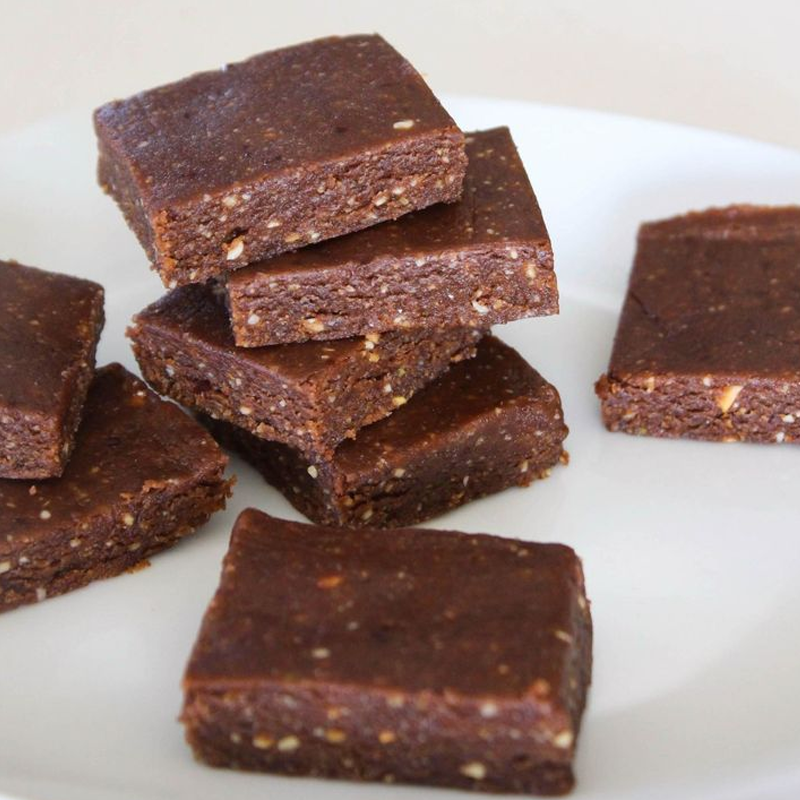
The modern food manufacturing landscape has witnessed remarkable technological advancements, particularly in automated equipment designed for healthy snack production. Understanding how a date bar machine operates in 2025 requires examining sophisticated engineering principles that combine precision mixing, forming, and packaging capabilities. These industrial systems have evolved to meet growing consumer demand for nutritious, convenient food products while maintaining consistent quality standards across large-scale production runs.
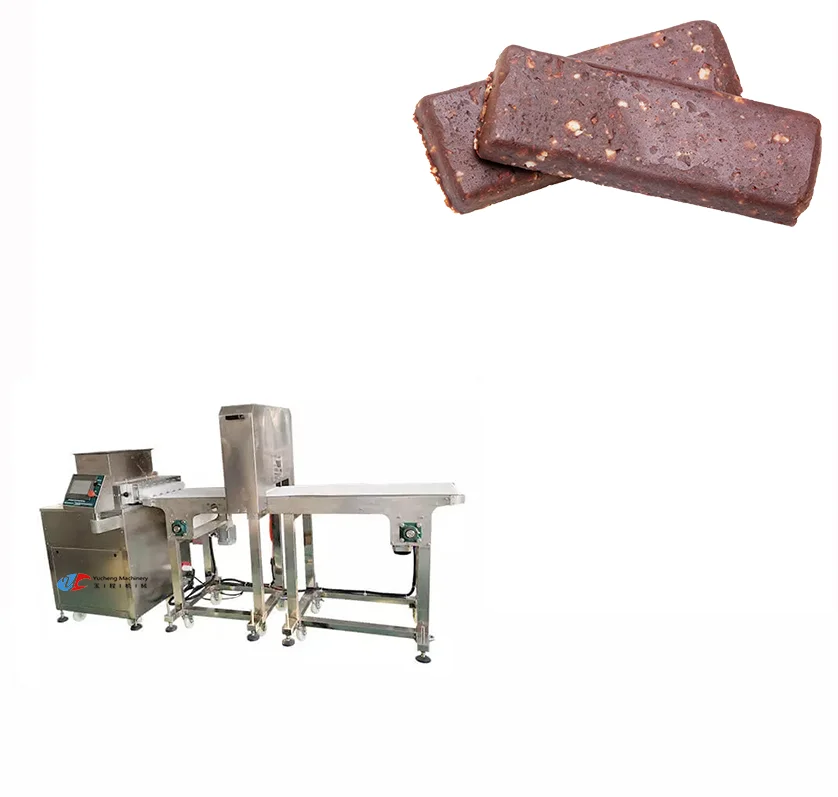
Core Components and Mechanical Architecture
Primary Processing Chamber Design
The heart of any advanced date bar machine centers around its primary processing chamber, which houses multiple interconnected systems working in perfect synchronization. This chamber typically features stainless steel construction with food-grade surfaces that resist corrosion and maintain hygiene standards throughout continuous operation. Temperature-controlled environments within these chambers ensure optimal processing conditions for various ingredient combinations, including dates, nuts, seeds, and binding agents.
Modern processing chambers incorporate servo-driven mechanisms that provide precise control over mixing speed, duration, and ingredient distribution patterns. These systems utilize advanced sensors to monitor mixture consistency and automatically adjust processing parameters to maintain product quality. The chamber design also includes specialized hoppers and feeding mechanisms that deliver ingredients at predetermined intervals, ensuring uniform composition across every batch produced.
Automated Mixing and Blending Systems
Contemporary date bar machine technology employs sophisticated mixing systems that go far beyond simple mechanical stirring. These systems utilize multiple mixing phases, beginning with gentle ingredient introduction to prevent damage to delicate components like whole nuts or dried fruits. The mixing process gradually increases in intensity as ingredients combine, creating homogeneous mixtures that maintain structural integrity while achieving optimal binding characteristics.
Advanced blending systems incorporate variable-speed drives and programmable logic controllers that adjust mixing patterns based on specific recipe requirements. Some machines feature dual-chamber mixing capabilities, allowing operators to prepare multiple formulations simultaneously or create layered products with distinct ingredient profiles. Temperature monitoring throughout the mixing process ensures that heat-sensitive ingredients maintain their nutritional properties and flavor profiles.
Precision Forming and Shaping Technology
Hydraulic Pressing Mechanisms
The forming stage represents one of the most critical aspects of date bar machine operation, where mixed ingredients transform into consistent, marketable products. Hydraulic pressing systems apply controlled pressure to compress ingredient mixtures into predetermined shapes and densities. These systems feature adjustable pressure settings that accommodate different recipe formulations and desired texture characteristics.
Modern hydraulic mechanisms incorporate pressure feedback systems that maintain consistent compression levels throughout production runs. This technology prevents over-compression that could damage ingredients while ensuring adequate binding to create structurally sound bars. The pressing systems also feature quick-release mechanisms that facilitate easy mold changes and reduce downtime between different product variations.
Cutting and Portioning Systems
Precision cutting technology in contemporary date bar machine designs utilizes computer-controlled blade systems that create uniform portions with minimal waste generation. These systems employ servo-driven cutting mechanisms that adjust blade speed and pressure based on product density and ingredient composition. Multi-blade configurations enable simultaneous cutting operations that significantly increase production throughput while maintaining consistent portion sizes.
Advanced portioning systems incorporate vision-based quality control that monitors cut quality and automatically adjusts parameters to maintain standards. Some machines feature heated blade technology that prevents ingredient adhesion and creates clean cuts through sticky or dense mixtures. The cutting systems also include collection and sorting mechanisms that organize finished products for packaging operations.
Quality Control and Monitoring Systems
Real-Time Process Monitoring
Modern date bar machine operations rely heavily on integrated monitoring systems that track critical process parameters throughout production cycles. These systems utilize multiple sensor types, including weight sensors, temperature probes, and moisture analyzers, to ensure consistent product quality. Real-time data collection enables immediate adjustments to processing parameters when variations are detected, preventing quality issues before they affect finished products.
Advanced monitoring systems feature predictive maintenance capabilities that analyze equipment performance trends and schedule maintenance activities before potential failures occur. This technology significantly reduces unplanned downtime and maintains consistent production schedules. The monitoring systems also generate comprehensive production reports that track yield rates, quality metrics, and equipment efficiency measures.
Automated Quality Inspection
Contemporary date bar machine designs incorporate sophisticated quality inspection systems that evaluate finished products using multiple criteria. Vision-based inspection systems analyze product dimensions, surface quality, and color consistency to identify products that don't meet specifications. Weight verification systems ensure portion accuracy and flag products that fall outside acceptable tolerances.
Advanced inspection systems utilize artificial intelligence algorithms that learn from historical quality data to improve detection accuracy over time. These systems can identify subtle quality variations that might not be apparent to human operators, ensuring only products meeting strict quality standards reach packaging stages. Rejected products are automatically diverted for reprocessing or waste disposal, maintaining production efficiency.
Operational Efficiency and Production Optimization
Throughput Enhancement Features
Modern date bar machine technology focuses heavily on maximizing production throughput while maintaining quality standards. Multi-lane processing capabilities allow simultaneous production of multiple product streams, effectively multiplying output capacity within the same facility footprint. Continuous-feed systems eliminate batch processing delays by maintaining constant ingredient flow throughout production cycles.
Advanced throughput enhancement features include rapid changeover systems that minimize downtime when switching between different product formulations. Quick-disconnect fittings and modular component designs enable operators to reconfigure machines for different products in minimal time. Some systems feature parallel processing capabilities that allow simultaneous production of multiple product varieties using shared equipment resources.
Energy Efficiency and Sustainability
Contemporary date bar machine designs prioritize energy efficiency through advanced motor controls and optimized heating systems. Variable frequency drives adjust motor speeds based on actual processing requirements, reducing energy consumption during lighter production periods. Regenerative braking systems capture energy from deceleration phases and feed it back into the electrical system for reuse.
Sustainability features in modern machines include waste heat recovery systems that capture thermal energy from processing operations and redirect it for other facility uses. Water recycling systems reduce consumption by treating and reusing cleaning water throughout multiple cycles. Some machines incorporate renewable energy integration capabilities that allow operation using solar or wind power sources when available.
Advanced Control Systems and Automation
Programmable Logic Controllers
The operational brain of any sophisticated date bar machine consists of programmable logic controllers that coordinate all system functions with precision timing and feedback control. These controllers manage complex sequences of operations, from ingredient delivery through final product packaging, ensuring optimal coordination between all machine components. Advanced programming capabilities allow operators to create custom recipes and processing protocols tailored to specific product requirements.
Modern control systems feature intuitive touchscreen interfaces that provide operators with real-time system status information and simplified control over complex processes. Recipe management systems store hundreds of different formulations with associated processing parameters, enabling quick product changeovers without manual parameter adjustments. Remote monitoring capabilities allow supervisors to oversee multiple machines from centralized control rooms.
Integration with Manufacturing Execution Systems
Contemporary date bar machine installations integrate seamlessly with broader manufacturing execution systems that coordinate production across entire facilities. These integrations enable automated scheduling, inventory management, and quality tracking that optimize overall production efficiency. Real-time data sharing between machines and central systems facilitates immediate responses to changing production demands or quality issues.
Advanced integration features include predictive analytics that forecast maintenance requirements and production capacity based on historical performance data. These systems optimize production schedules to maximize equipment utilization while ensuring adequate maintenance windows. Supply chain integration capabilities automatically trigger ingredient ordering based on production schedules and inventory levels, maintaining optimal stock levels without excess carrying costs.
Maintenance and Service Considerations
Preventive Maintenance Protocols
Effective date bar machine operation depends heavily on comprehensive preventive maintenance programs that address all critical system components. Modern machines feature built-in maintenance scheduling systems that track operating hours and cycles to determine optimal service intervals. Automated lubrication systems ensure critical moving parts receive proper lubrication without manual intervention, reducing wear and extending component life.
Advanced maintenance protocols include condition monitoring systems that track vibration levels, temperature patterns, and other performance indicators to identify potential issues before they cause failures. Modular component designs facilitate rapid replacement of worn parts, minimizing production downtime during maintenance activities. Some systems feature self-diagnostic capabilities that automatically identify maintenance requirements and schedule appropriate service activities.
Troubleshooting and Technical Support
Modern date bar machine designs incorporate comprehensive troubleshooting systems that help operators quickly identify and resolve operational issues. Interactive diagnostic systems guide operators through systematic problem-solving procedures, reducing the need for specialized technical expertise during routine troubleshooting. Remote diagnostic capabilities enable equipment manufacturers to provide real-time technical support without on-site visits.
Advanced technical support systems include augmented reality interfaces that overlay diagnostic information onto machine components, helping technicians quickly locate and address issues. Comprehensive documentation systems provide instant access to technical manuals, wiring diagrams, and parts catalogs through integrated tablet interfaces. Video communication systems enable direct consultation with technical experts during complex troubleshooting procedures.
FAQ
What production capacity can modern date bar machines achieve
Contemporary date bar machine systems can achieve production rates ranging from 500 to 5000 bars per hour, depending on specific machine configuration and product complexity. High-speed industrial systems with multiple processing lanes can produce over 10,000 units per hour when operating at full capacity. Production rates vary based on ingredient types, bar size, and packaging requirements, with denser formulations typically processing at slower speeds than lighter mixtures.
How do manufacturers ensure consistent product quality across large production runs
Quality consistency in date bar machine operations relies on integrated monitoring systems that track critical parameters including ingredient ratios, mixing times, pressure levels, and temperature controls. Automated feedback systems make real-time adjustments to maintain specifications, while statistical process control methods identify trends that might affect quality. Regular calibration of weighing systems and sensors ensures measurement accuracy throughout extended production periods.
What are the typical maintenance requirements for industrial date bar machines
Industrial date bar machine maintenance typically includes daily cleaning protocols, weekly lubrication of moving parts, and monthly calibration of weighing and measuring systems. Major maintenance activities occur quarterly and include comprehensive inspections of hydraulic systems, replacement of wear parts, and software updates. Annual overhauls involve complete system inspections, replacement of seals and gaskets, and performance verification testing to ensure optimal operation.
How do modern machines handle different ingredient types and formulations
Advanced date bar machine designs feature flexible processing systems that accommodate diverse ingredient types including sticky dates, hard nuts, seeds, and liquid binding agents. Programmable mixing profiles adjust speed and duration based on specific ingredient characteristics, while multiple hopper systems enable precise ingredient timing and distribution. Recipe management systems store processing parameters for different formulations, allowing quick changeovers between product varieties without manual adjustments to operating parameters.


