 EN
EN


The art of bread making has evolved significantly with modern technology, leading many bakers to reconsider traditional hand baking methods. A bread making machine offers unprecedented convenience and consistency that appeals to both commercial bakeries and home enthusiasts. Professional bakers and food production facilities increasingly recognize the substantial advantages that automated bread production brings to their operations. The transition from manual techniques to mechanized solutions represents a fundamental shift in how we approach bread manufacturing today.
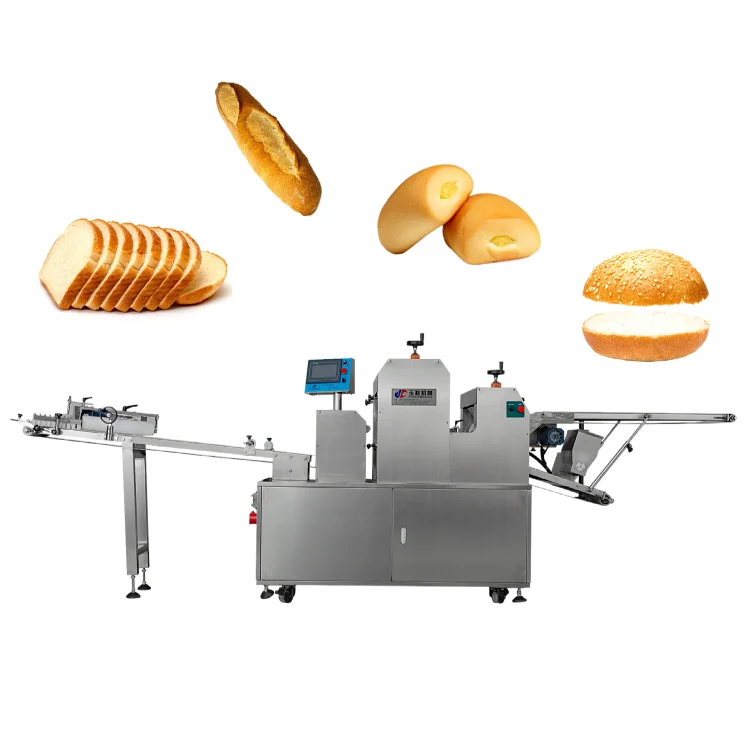
Modern bakery operations face mounting pressure to deliver consistent quality while managing labor costs and production timelines. Hand baking, while traditional and artisanal, presents numerous challenges that automated equipment effectively addresses. Understanding these differences helps bakery owners make informed decisions about their production methods and equipment investments.
Consistency and Quality Control Benefits
Standardized Production Results
A bread making machine eliminates the variability inherent in manual bread production processes. Human factors such as mixing duration, kneading pressure, and timing inconsistencies can significantly impact the final product quality. Automated equipment follows precise programming parameters that ensure every batch meets identical specifications. This standardization becomes crucial for commercial operations that must maintain brand consistency across multiple locations or large production volumes.
Temperature control represents another critical advantage of mechanized bread production. Hand baking relies on environmental conditions and baker expertise to maintain optimal temperatures throughout the process. Machine-controlled environments regulate temperature precisely during mixing, proofing, and baking phases. This precision directly translates to improved texture, crumb structure, and overall product quality that customers expect from professional bakeries.
Reduced Human Error Impact
Manual bread making involves numerous steps where human error can compromise entire batches. Ingredient measurement mistakes, timing errors, and technique variations frequently occur in hand baking operations. A bread making machine minimizes these risks through automated ingredient dispensing systems and programmed timing controls. The reduction in human error significantly decreases waste and ensures more predictable production outcomes.
Quality assurance becomes more manageable when using automated equipment because variables remain constant between batches. This consistency allows bakery operators to identify and address issues more quickly when they do arise. The predictable nature of machine production also enables better inventory planning and customer service delivery.
Operational Efficiency and Time Management
Labor Cost Optimization
Commercial bakeries face increasing labor costs that directly impact their profitability and competitiveness. Hand baking requires skilled workers who command higher wages due to their specialized knowledge and experience. A bread making machine reduces dependency on highly skilled labor while enabling existing staff to focus on other value-added activities such as product development and customer service.
Automated equipment operates continuously without breaks, sick days, or vacation time that affect human workers. This continuous operation capability allows bakeries to maximize their production capacity and meet customer demands more effectively. The labor savings achieved through automation often justify the initial equipment investment within a reasonable payback period.
Production Speed and Capacity
Manual bread making processes inherently limit production speed due to physical constraints and the sequential nature of hand operations. Machine automation enables simultaneous processing of multiple batches and reduces cycle times significantly. This increased throughput capacity allows bakeries to serve larger customer bases without proportional increases in facility size or staffing levels.
The scalability offered by automated bread production equipment provides flexibility for growing businesses. Operators can easily increase production volumes by running additional cycles or installing multiple machines rather than training and hiring additional skilled bakers. This scalability advantage becomes particularly valuable during peak demand periods or business expansion phases.
Technical Precision and Process Control
Advanced Mixing and Kneading Capabilities
Modern bread making machines incorporate sophisticated mixing technologies that achieve optimal gluten development more effectively than hand kneading. Programmable mixing speeds and durations ensure proper dough development while preventing overworking that can negatively impact texture. The consistent mechanical action produces uniform dough characteristics that translate directly to improved final product quality.
Automated systems can precisely control hydration levels and ingredient incorporation timing to optimize dough performance. This level of control proves difficult to achieve through manual methods, especially when producing large quantities. The technical precision available through machine operation enables bakeries to work with a wider range of recipes and achieve consistent results across different product lines.
Environmental Control Systems
Professional bread making machines feature integrated environmental controls that manage humidity, temperature, and air circulation throughout the production process. These controlled conditions optimize yeast activity and fermentation processes in ways that manual operations cannot consistently replicate. The ability to maintain ideal environmental parameters regardless of external weather conditions ensures year-round production consistency.
Proofing chambers within automated systems provide precise humidity and temperature control that promotes optimal dough rise and flavor development. This environmental control eliminates the guesswork associated with hand baking proofing methods and reduces the risk of under or over-proofed products that must be discarded.
Economic Considerations and Return on Investment
Long-term Cost Analysis
While the initial investment in a bread making machine appears substantial compared to hand baking tools, the long-term economic benefits typically justify the expenditure. Reduced labor costs, decreased waste from failed batches, and increased production capacity combine to generate significant cost savings over the equipment lifetime. Professional bakeries often recover their machine investment within the first few years of operation through these combined savings.
Energy efficiency represents another economic advantage of modern automated equipment. Many bread making machines incorporate energy-saving technologies that reduce utility costs compared to traditional ovens and heating systems used in hand baking operations. The precise control systems minimize energy waste by optimizing heating cycles and reducing idle time between batches.
Market Competitiveness
Bakeries using automated equipment can offer more competitive pricing due to their lower production costs per unit. This cost advantage enables them to compete more effectively with large commercial producers while maintaining higher profit margins. The consistent quality achieved through machine production also helps build customer loyalty and brand reputation that supports premium pricing strategies.
Product diversification becomes more feasible with automated equipment because operators can easily switch between different recipes and production parameters. This flexibility allows bakeries to respond quickly to market trends and customer preferences without significant additional investment in equipment or training.
Quality and Safety Standards
Food Safety Compliance
Commercial food production faces increasingly stringent safety regulations that automated equipment helps address more effectively than manual processes. A bread making machine typically includes features designed to meet health department requirements and industry standards for food safety. Enclosed mixing chambers, automated cleaning cycles, and temperature monitoring systems reduce contamination risks associated with human handling.
Documentation and traceability become simpler with automated systems that can log production parameters and maintain batch records. This documentation capability proves essential for regulatory compliance and quality management systems required in commercial food production. The ability to track and verify production conditions provides additional protection against liability issues.
Product Consistency and Brand Protection
Brand reputation depends heavily on consistent product quality that customers can rely on with every purchase. Hand baking introduces variability that can negatively impact customer satisfaction and brand perception. Machine production ensures that customers receive identical products regardless of which shift produced their bread or which location they visit.
The consistent results from automated bread production support marketing efforts and brand building initiatives that rely on predictable product characteristics. This consistency enables bakeries to develop signature products and maintain customer loyalty through reliable quality delivery.
FAQ
How much can a bakery save by switching from hand baking to machine production
Cost savings vary depending on production volume and labor rates, but most commercial bakeries see 30-50% reduction in labor costs and 15-25% decrease in material waste. The typical payback period ranges from 18-36 months, with larger operations often recovering investments more quickly due to higher volume production and greater labor cost savings.
What maintenance requirements do bread making machines have compared to hand baking tools
Modern bread making machines require scheduled maintenance including cleaning, lubrication, and component inspection, but this maintenance proves less intensive than managing multiple hand tools and equipment pieces. Most commercial machines include self-diagnostic systems that alert operators to maintenance needs, and proper maintenance typically extends equipment life to 10-15 years with consistent performance.
Can automated bread production match the artisanal quality of hand-made bread
Advanced bread making machines can replicate and often exceed the consistency of hand-made bread while maintaining artisanal characteristics. Modern equipment allows for complex programming that mimics traditional techniques while eliminating human variability. Many bakeries successfully combine machine efficiency with artisanal recipes to achieve both quality and production volume goals.
What types of bread products work best with automated production systems
Most standard bread varieties including white, whole wheat, multigrain, and specialty breads adapt well to machine production. Complex artisanal breads with unique shaping requirements may still benefit from hand finishing, but the majority of commercial bread products achieve excellent results through automated systems. Modern machines accommodate various dough consistencies and can handle both lean and enriched dough formulations effectively.
Table of Contents
- Consistency and Quality Control Benefits
- Operational Efficiency and Time Management
- Technical Precision and Process Control
- Economic Considerations and Return on Investment
- Quality and Safety Standards
-
FAQ
- How much can a bakery save by switching from hand baking to machine production
- What maintenance requirements do bread making machines have compared to hand baking tools
- Can automated bread production match the artisanal quality of hand-made bread
- What types of bread products work best with automated production systems


