 EN
EN

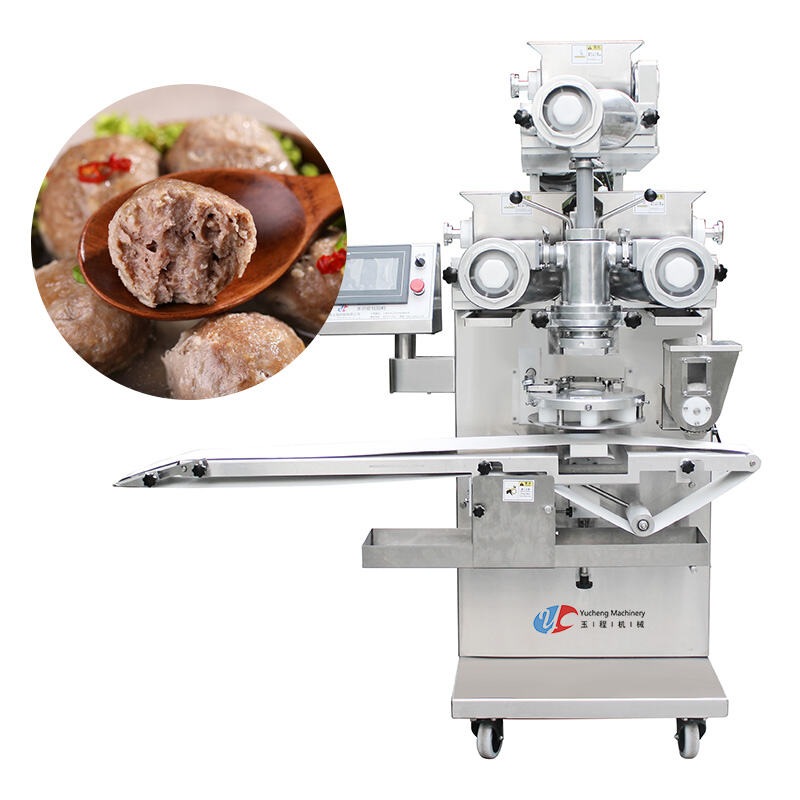
Selecting the perfect meatball machine for your commercial or home kitchen requires careful consideration of multiple factors that directly impact production efficiency, product quality, and operational costs. Whether you're running a bustling restaurant, catering business, or food processing facility, the right equipment can transform your meatball production from labor-intensive manual work into a streamlined, consistent process. Understanding the key features, capacity requirements, and technical specifications of different meatball machine models ensures you make an informed investment that serves your business needs for years to come.
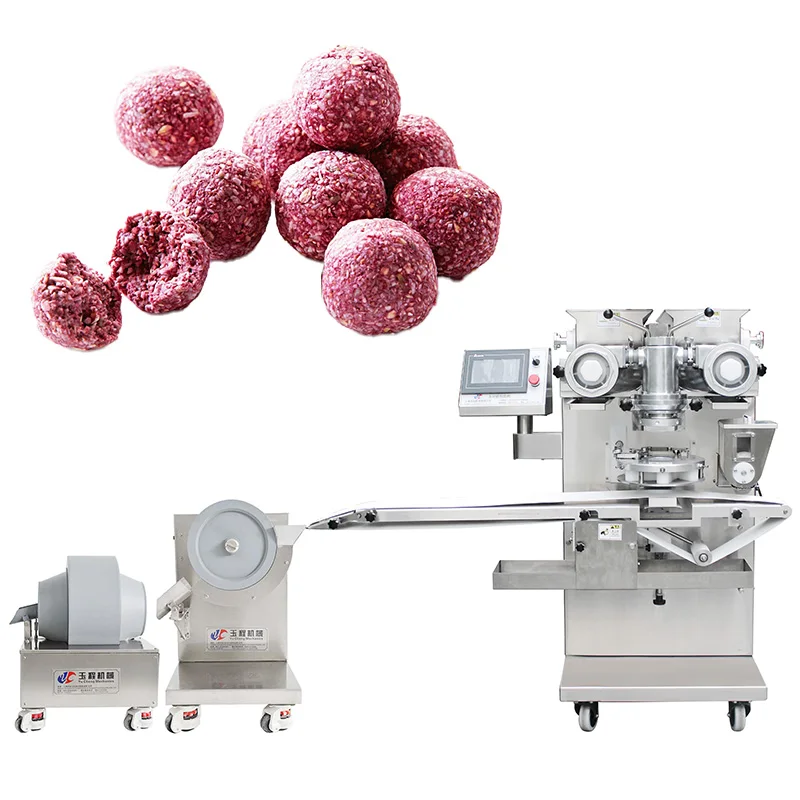
Understanding Production Capacity Requirements
Evaluating Your Daily Output Needs
Before investing in any meatball machine, accurately assess your daily production requirements by analyzing current demand patterns and projected growth. Commercial kitchens typically require machines capable of producing between 200 to 2000 meatballs per hour, depending on the size of the operation and customer base. High-volume establishments like school cafeterias, hospitals, or large restaurants need robust machines that can handle continuous operation without compromising quality or consistency.
Consider peak production times when calculating capacity needs, as your meatball machine should handle maximum demand without creating bottlenecks in your kitchen workflow. Factor in seasonal fluctuations, special events, and menu expansion plans that might increase your meatball production requirements. A machine operating at 80% capacity during normal periods allows for flexibility during busy seasons while maintaining optimal performance and extending equipment lifespan.
Sizing Options and Space Considerations
Modern meatball machine models come in various sizes, from compact countertop units suitable for small establishments to large floor-standing models designed for industrial-scale production. Measure your available kitchen space carefully, considering not only the machine's footprint but also clearance requirements for operation, maintenance, and cleaning. Most commercial units require additional space for ingredient preparation areas, finished product collection, and staff movement around the equipment.
Vertical clearance is equally important, especially for machines with hoppers or vertical feeding mechanisms that extend above the main unit. Consider the proximity to electrical outlets, water connections, and drainage systems when planning placement. The ideal location provides easy access for loading ingredients, removing finished products, and performing routine cleaning while maintaining smooth kitchen traffic flow.
Technical Features and Specifications
Motor Power and Performance Characteristics
The motor power of a meatball machine directly correlates with its ability to handle different meat textures, production volumes, and continuous operation demands. Most commercial models feature motors ranging from 0.5 to 3 horsepower, with higher-powered units capable of processing tougher meats and maintaining consistent output during extended operation periods. Variable speed controls allow operators to adjust production rates based on specific recipes and desired meatball characteristics.
Look for machines with robust gear systems and quality bearings that ensure smooth operation and minimize vibration. Stainless steel construction in critical components provides durability and easy cleaning while resisting corrosion from acidic ingredients or cleaning chemicals. The best meatball machine models incorporate overload protection systems that prevent damage from excessive loads or foreign objects while maintaining operator safety.
Portion Control and Size Accuracy
Consistent portion control is crucial for food cost management and customer satisfaction, making this feature a critical evaluation criterion for any meatball machine. Advanced models offer adjustable portion sizes through interchangeable plates or digital controls, allowing operators to produce meatballs ranging from small appetizer sizes to large main-course portions. Precision in portioning reduces waste, controls food costs, and ensures uniform cooking times across all products.
Digital displays and programmable settings enable operators to store multiple portion size configurations, making it easy to switch between different product lines or customer requirements. Some machines feature automated counting systems that track production quantities, helping with inventory management and quality control documentation. Consistent sizing also improves cooking efficiency and presentation quality in the final served product.
Material Construction and Hygiene Standards
Food-Grade Materials and Safety Compliance
Food safety regulations require all equipment components that contact ingredients to be constructed from approved food-grade materials, typically high-quality stainless steel that meets NSF or similar international standards. The surface finish should be smooth and non-porous to prevent bacterial growth and facilitate thorough cleaning and sanitization. Welded joints must be smooth and crevice-free to eliminate potential contamination areas that could harbor harmful microorganisms.
Verify that your chosen meatball machine meets local health department requirements and industry certifications relevant to your operation. Some models feature antimicrobial surface treatments or special alloys that provide additional protection against bacterial growth. Components like hoppers, forming chambers, and discharge chutes should be easily removable for thorough cleaning and inspection by health inspectors.
Cleaning and Maintenance Accessibility
Efficient cleaning procedures are essential for maintaining food safety standards and ensuring optimal performance of your meatball machine. Look for models with tool-free disassembly features that allow quick removal of key components for thorough washing. Smooth surfaces without sharp corners or hidden crevices make cleaning faster and more effective while reducing the risk of incomplete sanitization.
Consider machines with self-cleaning capabilities or wash-down designs that can withstand high-pressure cleaning systems commonly used in commercial kitchens. Sealed electrical components and moisture-resistant controls protect sensitive electronics from cleaning chemicals and water exposure. Easy access to lubrication points and wear components simplifies routine maintenance and extends equipment lifespan.
Cost Analysis and Return on Investment
Initial Purchase Price Versus Long-Term Value
While initial cost is an important consideration, evaluating the total cost of ownership provides a more accurate picture of the investment required for a meatball machine. Higher-quality units with premium components may have elevated upfront costs but often deliver superior durability, lower maintenance requirements, and better energy efficiency over their operational lifetime. Factor in warranty coverage, availability of replacement parts, and manufacturer support when comparing different models.
Calculate potential labor savings by comparing manual meatball production costs against automated machine operation. Most commercial operations see significant labor cost reductions and improved consistency when transitioning from hand-rolling to machine production. Consider the value of increased production capacity that allows you to serve more customers or expand menu offerings without proportional increases in labor costs.
Energy Efficiency and Operating Costs
Modern meatball machine designs incorporate energy-efficient motors and optimized mechanical systems that minimize power consumption during operation. Compare electricity usage ratings between different models, considering both idle and active power consumption patterns. Energy-efficient units reduce operating costs over time while supporting sustainability initiatives that many customers and regulatory bodies increasingly value.
Evaluate water usage requirements for cleaning and operation, especially in areas with high utility costs or water conservation mandates. Some advanced models feature recirculation systems or reduced water cleaning cycles that lower utility expenses. Factor in the cost of consumable items like lubricants, cleaning chemicals, and replacement parts when calculating total operating expenses.
Installation and Training Requirements
Setup and Integration Considerations
Professional installation ensures optimal performance and safety compliance for your new meatball machine while protecting warranty coverage. Most manufacturers provide detailed installation guidelines covering electrical requirements, ventilation needs, and proper positioning within your kitchen layout. Consider hiring certified technicians for complex installations involving electrical connections, gas lines, or specialized ventilation systems.
Integration with existing kitchen workflows requires careful planning to maximize efficiency gains from your new equipment. Position the machine to minimize ingredient transport distances and create logical production flow patterns. Consider proximity to refrigeration, seasoning stations, and cooking equipment to streamline the complete meatball production process from preparation through final cooking.
Staff Training and Operation Protocols
Comprehensive staff training is essential for maximizing the benefits of your meatball machine investment while maintaining safety standards and product quality. Most manufacturers provide training materials, instructional videos, or on-site training sessions covering proper operation procedures, safety protocols, and basic troubleshooting techniques. Establish clear operating procedures and ensure multiple staff members are trained to prevent production disruptions due to personnel changes.
Develop standardized recipes and procedures that take advantage of your machine's capabilities while maintaining consistent product quality. Document cleaning schedules, maintenance requirements, and quality control checkpoints to ensure consistent operation across different shifts and operators. Regular refresher training helps maintain high standards and introduces staff to new features or operational improvements.
FAQ
What size meatball machine do I need for a restaurant serving 200 customers daily
For a restaurant serving 200 customers daily, you'll typically need a meatball machine capable of producing 300-500 meatballs per hour, depending on your menu offerings and meatball serving sizes. A mid-range commercial model with 1-2 HP motor capacity should handle this volume comfortably while allowing for peak periods and menu expansion. Consider your specific menu requirements, as restaurants offering multiple meatball dishes or larger portion sizes may need higher-capacity equipment.
How often should I clean and maintain my meatball machine
Daily cleaning after each use is essential for food safety compliance, with thorough disassembly and sanitization of all food-contact surfaces. Weekly deep cleaning should include lubrication of moving parts and inspection of wear components. Monthly professional maintenance checks help identify potential issues before they cause production disruptions. Following manufacturer maintenance schedules and keeping detailed service records helps maximize equipment lifespan and maintain warranty coverage.
Can a meatball machine handle different meat types and recipes
Most commercial meatball machines can handle various ground meat types including beef, pork, poultry, fish, and plant-based alternatives, though some adjustments may be necessary for optimal results. Different meat textures and fat contents may require speed or pressure adjustments to achieve consistent forming. Many operators successfully use the same machine for traditional meatballs, fish balls, and vegetarian alternatives by adjusting recipes and machine settings appropriately.
What electrical requirements do meatball machines typically need
Commercial meatball machines typically require 220-240V single-phase or three-phase electrical connections, depending on motor size and capacity. Most units draw between 2-8 amps during operation, requiring dedicated electrical circuits with appropriate overcurrent protection. Consult with a qualified electrician to ensure your facility can accommodate the specific electrical requirements of your chosen machine model, including any special grounding or GFCI protection requirements mandated by local codes.


