 EN
EN

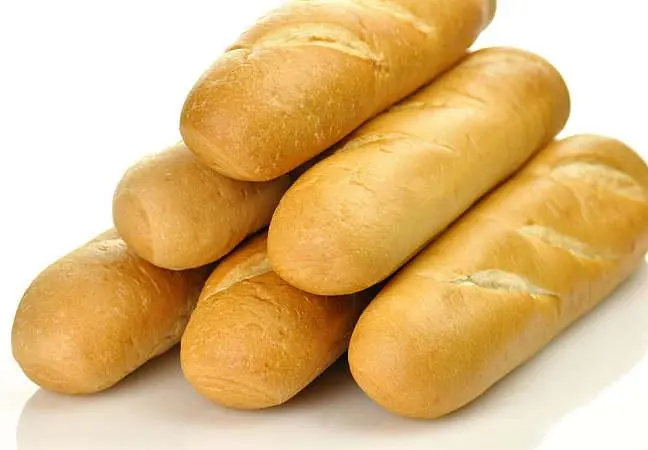
The surge in popularity of bread making machines has transformed modern kitchens and commercial bakeries worldwide. These innovative appliances have revolutionized how we approach bread production, offering unprecedented convenience and consistency that appeals to both home bakers and professional establishments. The growing demand for fresh, preservative-free bread combined with technological advancements has positioned the bread making machine as an essential tool for anyone seeking to create high-quality baked goods with minimal effort and maximum results.
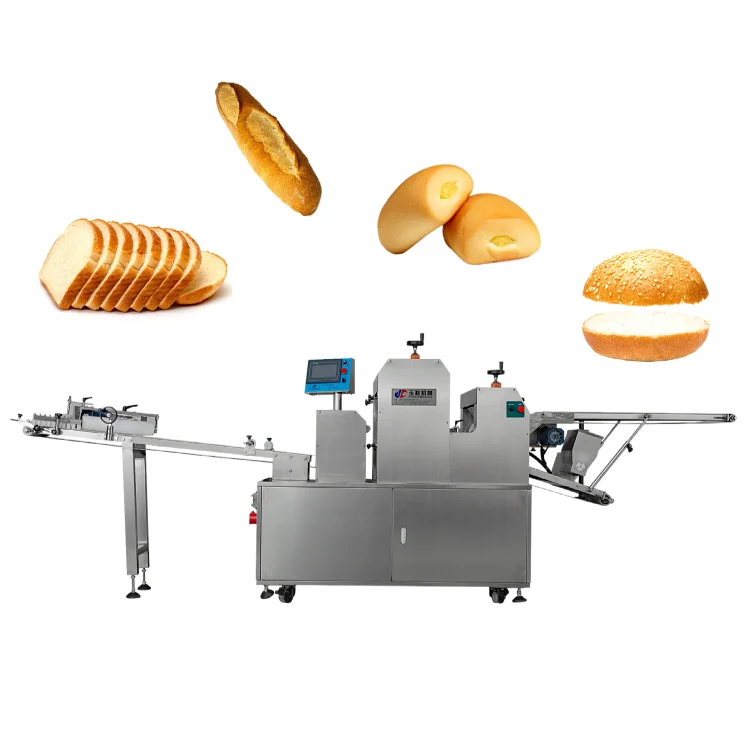
Revolutionary Technology Behind Modern Bread Making Equipment
Advanced Automation Features
Today's bread making machine incorporates sophisticated automation technologies that eliminate guesswork from the baking process. These machines feature programmable timers, multiple mixing cycles, and precise temperature controls that ensure consistent results every time. The integration of microprocessors allows for exact monitoring of fermentation periods and kneading intensity, creating optimal conditions for gluten development and yeast activation.
Modern units also include sensors that detect dough consistency and automatically adjust mixing times accordingly. This intelligent feedback system prevents over-kneading or under-mixing, which are common issues in manual bread preparation. The result is perfectly textured bread with ideal crumb structure and crust development that rivals traditional artisan methods.
Energy Efficiency and Smart Controls
Contemporary bread making machine designs prioritize energy efficiency without compromising performance. Advanced insulation systems maintain optimal baking temperatures while reducing power consumption by up to 40% compared to conventional ovens. Smart control panels with LCD displays provide real-time feedback on baking progress and allow users to customize settings for different bread types and recipes.
The incorporation of inverter technology in premium models ensures quiet operation and precise motor control, extending the machine's lifespan while delivering superior mixing performance. These technological improvements have made the bread making machine more accessible and appealing to environmentally conscious consumers who value sustainable kitchen appliances.
Health and Nutrition Benefits Driving Consumer Adoption
Complete Ingredient Control
One of the primary factors behind the bread making machine's popularity is the complete control it provides over ingredients. Users can eliminate artificial preservatives, excess sodium, and unnecessary additives commonly found in commercial bread products. This level of ingredient transparency appeals to health-conscious consumers who want to know exactly what goes into their daily bread consumption.
Fresh bread from a bread making machine retains higher nutritional value compared to store-bought alternatives that may sit on shelves for extended periods. The ability to incorporate whole grains, seeds, nuts, and other nutritious additions allows families to create customized bread that meets specific dietary requirements and preferences while maintaining superior taste and texture.
Dietary Accommodation Capabilities
Modern bread making machines excel at accommodating various dietary restrictions and preferences. Gluten-free bread production has become significantly more achievable with specialized programs that adjust mixing times and temperatures for alternative flour types. The bread making machine enables easy preparation of keto-friendly, low-carb, and diabetic-appropriate bread varieties that would be expensive or difficult to find in regular grocery stores.
The versatility extends to creating specialty breads for specific nutritional goals, such as high-protein formulations for athletes or fiber-rich options for digestive health. This adaptability has made bread making machines invaluable tools for households managing food allergies, intolerances, or specific wellness objectives.
Economic Advantages and Cost Savings
Long-term Financial Benefits
The economic appeal of owning a bread making machine becomes evident when calculating long-term costs versus purchasing commercial bread. A typical household consuming two loaves weekly can save hundreds of dollars annually by producing bread at home. The initial investment in a quality bread making machine typically pays for itself within six to twelve months of regular use.
Beyond direct cost savings, bread making machines reduce food waste by producing exact quantities needed and extending freshness through proper storage techniques. The ability to create various bread types with a single machine eliminates the need to purchase multiple specialty bread products, further enhancing the economic value proposition.
Commercial Scalability Options
Small bakeries and restaurants have discovered that investing in commercial-grade bread making machines provides exceptional return on investment. These establishments can offer fresh, artisan-quality bread without requiring specialized baking staff or extensive kitchen space. The consistent output quality helps build customer loyalty while maintaining competitive pricing structures.
The scalability of bread making machine operations allows businesses to start small and expand production capacity as demand grows. This flexibility has made these machines particularly attractive to entrepreneurs entering the food service industry or existing restaurants looking to add fresh bread offerings to their menus.
Convenience and Time-Saving Benefits
Automated Baking Process
The set-and-forget functionality of modern bread making machines has revolutionized home baking routines. Users can add ingredients before leaving for work and return to freshly baked bread, eliminating the need for constant monitoring and manual intervention. This automation particularly appeals to busy professionals and families seeking fresh bread without dedicating hours to traditional baking processes.
Programmable delay timers allow for strategic baking schedules, ensuring bread is ready at optimal times for meals or special occasions. The convenience factor has made bread making machine ownership practical for households that previously avoided baking due to time constraints or lack of expertise in traditional bread-making techniques.
Minimal Skill Requirements
Unlike traditional bread baking that requires years to master, bread making machines enable novice bakers to produce professional-quality results from their first attempt. Pre-programmed settings for different bread types eliminate guesswork about mixing times, rising periods, and baking temperatures. This accessibility has democratized bread making, allowing anyone to enjoy fresh homemade bread regardless of their culinary background.
The included recipe books and online resources provide endless inspiration for bread variations, encouraging experimentation with different flavors and ingredients. This educational aspect has sparked renewed interest in home baking among younger generations who value both convenience and creativity in their culinary pursuits.
Versatility and Multi-Functionality
Beyond Basic Bread Production
Modern bread making machines offer impressive versatility beyond standard loaf production. Many models include settings for creating pizza dough, pasta, jams, and even cake batters. This multi-functionality maximizes the appliance's value by replacing several kitchen tools with a single, space-efficient unit that serves multiple culinary purposes.
The ability to prepare dough for artisan breads, dinner rolls, and specialty baked goods has expanded the creative possibilities for home cooks. Advanced models feature removable baking pans and programmable cycles that accommodate various recipes and cooking techniques, making the bread making machine a comprehensive baking solution.
Customization and Recipe Innovation
The programmable nature of contemporary bread making machines encourages culinary creativity and recipe experimentation. Users can adjust ingredients, timing, and temperature settings to develop signature bread recipes tailored to their preferences. This customization capability has fostered online communities where bread making machine enthusiasts share recipes and techniques.
Seasonal ingredient incorporation becomes effortless with bread making machines, allowing bakers to create pumpkin spice breads in fall, cranberry variations during holidays, and herb-infused loaves using fresh garden produce. This adaptability keeps the baking experience fresh and engaging throughout the year.
Market Trends and Future Developments
Smart Home Integration
The integration of bread making machines with smart home ecosystems represents the next evolution in automated baking. WiFi-enabled models allow remote monitoring and control through smartphone applications, enabling users to start baking cycles from anywhere and receive notifications when bread is ready. These connectivity features align with modern lifestyle preferences for remote home management.
Future developments include voice control compatibility with virtual assistants and integration with meal planning applications that can automatically suggest bread recipes based on dietary preferences and available ingredients. These technological advances continue to enhance the appeal and practicality of bread making machine ownership.
Sustainable Manufacturing Focus
Environmental consciousness has influenced bread making machine design and manufacturing processes. Manufacturers increasingly use recyclable materials and energy-efficient components to appeal to eco-minded consumers. The durability improvements in modern machines extend product lifecycles, reducing electronic waste and providing better long-term value for consumers.
The trend toward sustainable living has also increased interest in home food production, positioning bread making machines as tools for reducing packaging waste and transportation emissions associated with commercial bread distribution. This environmental benefit adds another layer to the bread making machine's appeal among environmentally conscious consumers.
FAQ
How long does it take to make bread in a bread making machine
Most bread making machines complete a full cycle in 2-4 hours, depending on the bread type and recipe selected. Basic white and wheat breads typically require 2.5-3 hours, while whole grain and specialty breads may need up to 4 hours. The delay timer function allows you to set the machine to finish baking at your preferred time, so you can wake up to fresh bread or have it ready when you return home.
What ingredients are essential for bread making machine success
The basic ingredients include bread flour, active dry yeast, salt, sugar, and liquid (water or milk). Bread flour contains higher protein content than all-purpose flour, creating better gluten structure for machine baking. Fresh, active yeast is crucial for proper rising, and ingredients should be added in the correct order specified by your machine's manual. Room temperature ingredients generally produce better results than cold ingredients straight from the refrigerator.
Can bread making machines handle gluten-free recipes effectively
Yes, many modern bread making machines include specific gluten-free settings that adjust mixing times and temperatures for alternative flours. Gluten-free bread requires different handling than traditional wheat-based recipes, with shorter mixing cycles and modified rising periods. Success with gluten-free baking often requires specialized flour blends and binding agents like xanthan gum to achieve proper texture and structure.
What maintenance is required for bread making machines
Regular maintenance involves cleaning the bread pan and kneading paddle after each use with warm soapy water. The exterior should be wiped down regularly, and the interior cleaned periodically with a damp cloth. Most components are dishwasher safe, but check your manual for specific cleaning instructions. Proper maintenance extends machine life and ensures consistent baking performance over years of use.


