 EN
EN

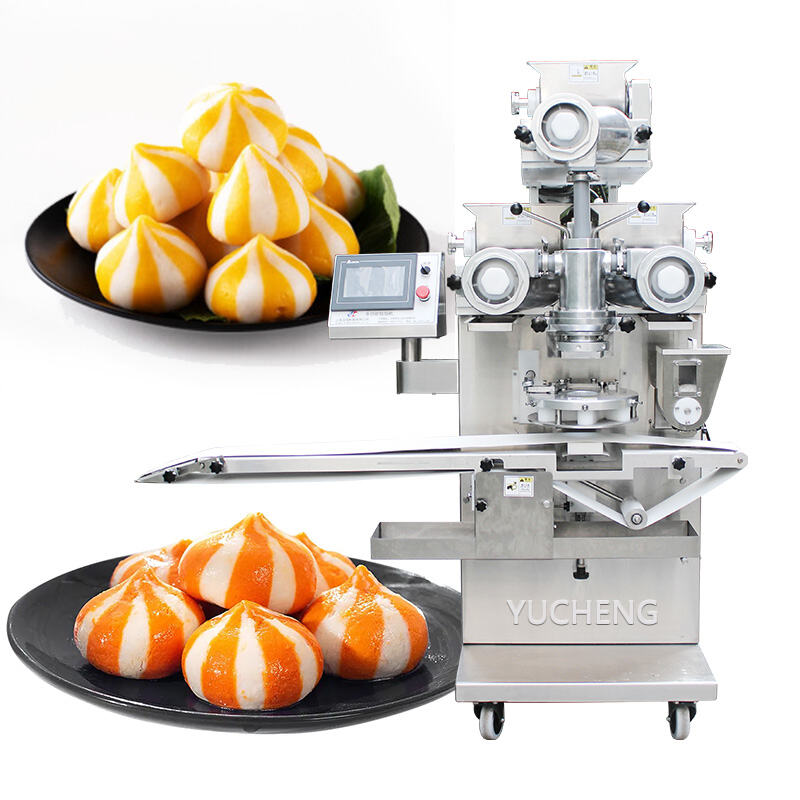
Commercial food production demands precision, efficiency, and consistency when creating popular items like fishballs. A high-quality fishball machine transforms raw fish ingredients into perfectly shaped, uniform products that meet consumer expectations while maximizing operational productivity. Understanding the essential features and specifications of modern fishball production equipment helps kitchen managers and food processors make informed purchasing decisions that align with their production goals and budget constraints.
Modern fishball manufacturing involves sophisticated machinery that combines traditional food preparation techniques with contemporary automation technology. Professional-grade equipment ensures consistent product quality while reducing labor costs and increasing production throughput. The right fishball machine selection directly impacts your kitchen's operational efficiency, product consistency, and overall profitability in today's competitive food service market.
Essential Technical Specifications for Fishball Production Equipment
Production Capacity and Output Requirements
Determining the appropriate production capacity represents the first critical consideration when evaluating fishball machine options. Commercial kitchens typically require equipment capable of producing between 300 to 1,500 fishballs per hour, depending on establishment size and customer demand patterns. High-volume operations benefit from automated systems that maintain consistent output rates while minimizing manual intervention requirements.
Professional fishball machine models feature adjustable production speeds that accommodate varying batch sizes and operational schedules. Advanced units incorporate variable-speed motors and programmable controls that allow operators to fine-tune production rates based on specific recipe requirements and kitchen workflow patterns.
Size Consistency and Shape Control Features
Uniform fishball sizing directly impacts cooking times, presentation quality, and customer satisfaction levels. Premium fishball machine designs incorporate precision molding mechanisms that produce consistently sized products ranging from 15mm to 35mm diameter specifications. Interchangeable sizing components allow operators to create multiple product variations using the same base equipment.
Advanced shape control systems ensure each fishball maintains proper spherical geometry while preventing irregular formations that negatively impact visual appeal. Quality machines feature adjustable pressure settings that accommodate different fish paste consistencies and ingredient formulations without compromising product integrity.
Material Construction and Durability Considerations
Food-Grade Stainless Steel Components
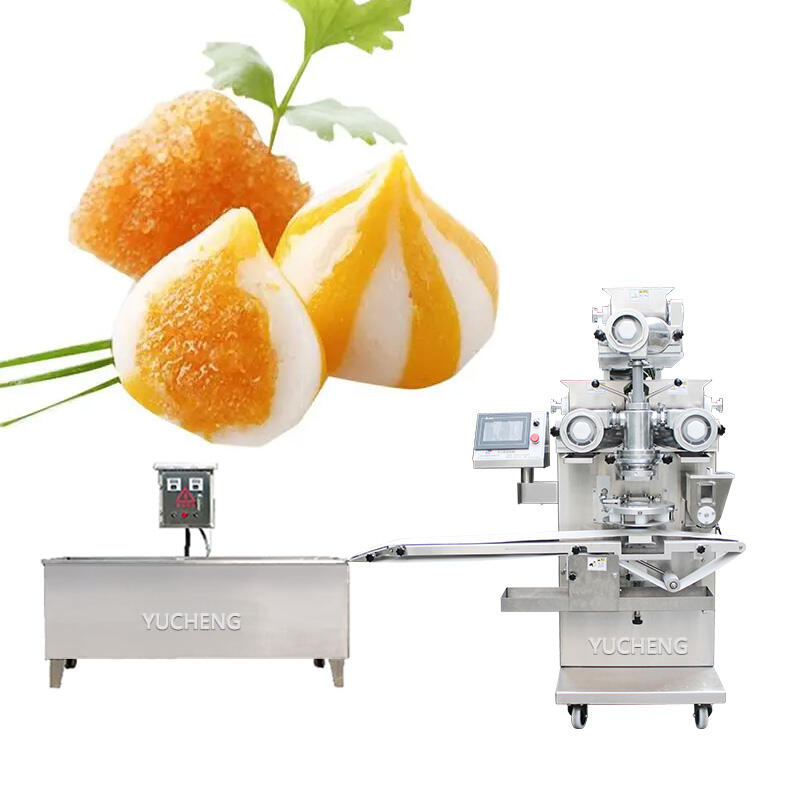
Restaurant-grade fishball machine construction requires high-quality stainless steel materials that meet stringent food safety regulations and hygiene standards. Grade 304 or 316 stainless steel provides excellent corrosion resistance while maintaining structural integrity under continuous commercial operation conditions. These materials facilitate thorough cleaning procedures and prevent bacterial contamination risks.
Premium manufacturers utilize seamless welding techniques and polished surface finishes that eliminate crevices where food particles might accumulate. This construction approach significantly reduces maintenance requirements while ensuring compliance with health department inspection standards and food safety protocols.
Motor Performance and Mechanical Reliability
Reliable motor systems form the foundation of effective fishball machine operation. Commercial-grade units feature heavy-duty motors rated for continuous operation under demanding kitchen environments. Variable-speed capabilities allow operators to adjust processing speeds based on ingredient characteristics and desired product texture outcomes.
Quality fishball machine designs incorporate sealed bearing assemblies and reinforced drive mechanisms that withstand regular cleaning procedures and temperature fluctuations typical in commercial kitchen environments. These engineering features extend equipment lifespan while minimizing unexpected maintenance interruptions.
Operational Efficiency and User Interface Design
Automated Control Systems and Programming Options
Modern fishball machine technology incorporates intuitive control interfaces that simplify operation procedures for kitchen staff members with varying technical experience levels. Digital display panels provide real-time production monitoring while preset programming options ensure consistent results across different operator shifts.
Advanced units feature memory storage capabilities that retain specific recipe parameters and production settings. This functionality streamlines daily operations while maintaining product consistency standards regardless of which team member operates the fishball machine during various service periods.
Cleaning and Maintenance Accessibility
Efficient cleaning procedures represent essential aspects of commercial fishball machine operation. Well-designed equipment features removable components and accessible cleaning points that facilitate thorough sanitization between production batches. Quick-disconnect fittings and tool-free disassembly options reduce cleaning time requirements while ensuring proper hygiene maintenance.
Comprehensive maintenance accessibility prevents minor issues from developing into costly repair situations. Quality fishball machine manufacturers provide detailed maintenance schedules and replacement part availability that support long-term operational reliability and equipment investment protection.
Energy Efficiency and Operating Cost Analysis
Power Consumption and Utility Requirements
Energy-efficient fishball machine operation contributes significantly to overall kitchen profitability through reduced utility expenses. Modern units feature optimized motor designs and intelligent power management systems that minimize electricity consumption while maintaining peak performance levels. Comparing power ratings across different models helps identify equipment that balances production capacity with operational costs.
Professional-grade fishball machine installations require appropriate electrical service capacity and proper grounding systems. Understanding voltage requirements and amperage specifications ensures compatibility with existing kitchen infrastructure while preventing electrical system overloads or safety hazards.
Long-Term Investment Value and ROI Calculations
Calculating return on investment for fishball machine purchases involves analyzing production efficiency gains, labor cost reductions, and product quality improvements. High-quality equipment typically generates cost savings through increased output rates, reduced ingredient waste, and minimized manual labor requirements over multi-year operational periods.
Comprehensive warranty coverage and manufacturer support services contribute to long-term investment value by protecting against unexpected repair expenses and equipment downtime situations. Evaluating total cost of ownership rather than initial purchase price provides more accurate financial projections for budget planning purposes.
Safety Features and Compliance Standards
Operator Protection and Emergency Controls
Commercial fishball machine safety systems protect kitchen personnel while ensuring compliance with occupational safety regulations. Emergency stop mechanisms and protective guards prevent accidental contact with moving components during normal operation procedures. Safety interlocks automatically shut down equipment when access panels are opened or safety barriers are removed.
Quality manufacturers incorporate comprehensive safety documentation and training materials that help establishments develop proper operating procedures and staff training programs. These resources support regulatory compliance while reducing liability risks associated with workplace accidents or equipment misuse incidents.
Food Safety and Hygiene Compliance
Meeting food safety standards requires fishball machine designs that prevent cross-contamination and facilitate proper sanitation procedures. Sealed electrical components and waterproof control panels allow thorough cleaning without damaging sensitive electronic systems. Non-porous surfaces and crevice-free construction eliminate potential bacterial growth areas.
Regulatory compliance documentation and certification support help establishments meet health department requirements and pass routine inspections. Quality fishball machine manufacturers provide detailed cleaning protocols and sanitization procedures that align with FDA and local health authority guidelines.
Installation Requirements and Space Planning
Kitchen Layout Integration and Workflow Optimization
Effective fishball machine placement within existing kitchen layouts requires careful consideration of workflow patterns, utility access, and storage proximity. Optimal positioning facilitates efficient ingredient preparation, product transfer, and cleaning procedures while minimizing staff movement and operational bottlenecks.
Professional installation services ensure proper equipment mounting, utility connections, and safety compliance while addressing specific kitchen configuration challenges. Experienced technicians provide valuable insights regarding optimal placement strategies that maximize operational efficiency and equipment accessibility.
Ventilation and Environmental Considerations
Commercial fishball machine operation generates heat and moisture that require adequate ventilation systems for optimal performance and operator comfort. Proper air circulation prevents condensation buildup while maintaining consistent ambient temperatures that support food safety standards and equipment longevity.
Environmental factors such as ambient temperature, humidity levels, and air quality directly impact fishball machine performance and maintenance requirements. Understanding these considerations during equipment selection helps ensure reliable operation under specific kitchen environmental conditions.
Supplier Evaluation and Purchase Decision Factors
Manufacturer Reputation and Industry Experience
Selecting reputable fishball machine manufacturers with extensive industry experience provides confidence in product quality, technical support, and long-term reliability. Established companies typically offer comprehensive warranty coverage, replacement part availability, and technical assistance that support successful equipment integration and ongoing operation.
Customer references and industry testimonials provide valuable insights regarding real-world performance and manufacturer support quality. Researching company history, manufacturing capabilities, and service network coverage helps identify suppliers that align with operational requirements and support expectations.
Training and Technical Support Services
Comprehensive training programs ensure kitchen staff can operate fishball machine equipment safely and efficiently while maximizing production potential. Quality manufacturers provide detailed operation manuals, video training resources, and hands-on instruction that address specific equipment features and maintenance requirements.
Ongoing technical support availability represents crucial factors in equipment selection decisions. Reliable manufacturers offer responsive customer service, troubleshooting assistance, and remote diagnostic capabilities that minimize operational disruptions and maintain production schedules.
FAQ
What production capacity should I expect from a commercial fishball machine?
Commercial fishball machine production capacities typically range from 300 to 1,500 fishballs per hour, depending on equipment size and specifications. High-end automated units can achieve higher output rates while maintaining consistent product quality and reducing manual labor requirements. Consider your peak demand periods and daily production volume when selecting appropriate capacity levels.
How often does a fishball machine require maintenance and cleaning?
Daily cleaning after each production session is essential for food safety compliance and equipment longevity. Comprehensive maintenance should occur weekly, including lubrication of moving parts and inspection of wear components. Professional service calls are typically recommended every 3-6 months to address technical adjustments and preventive maintenance requirements.
Can fishball machines accommodate different recipe formulations and ingredient types?
Quality fishball machine designs feature adjustable settings that accommodate various fish paste consistencies and ingredient formulations. Variable pressure controls and interchangeable sizing components allow operators to create different product variations while maintaining consistent quality standards. Advanced units include programmable settings that store specific recipe parameters for easy reproduction.
What electrical requirements are needed for commercial fishball machine installation?
Most commercial fishball machine models require 220-240V electrical service with appropriate amperage capacity based on motor specifications. Proper grounding systems and GFCI protection are essential for safe operation in commercial kitchen environments. Consult with qualified electricians to ensure adequate electrical infrastructure and compliance with local electrical codes before installation.
Table of Contents
- Essential Technical Specifications for Fishball Production Equipment
- Material Construction and Durability Considerations
- Operational Efficiency and User Interface Design
- Energy Efficiency and Operating Cost Analysis
- Safety Features and Compliance Standards
- Installation Requirements and Space Planning
- Supplier Evaluation and Purchase Decision Factors
-
FAQ
- What production capacity should I expect from a commercial fishball machine?
- How often does a fishball machine require maintenance and cleaning?
- Can fishball machines accommodate different recipe formulations and ingredient types?
- What electrical requirements are needed for commercial fishball machine installation?


