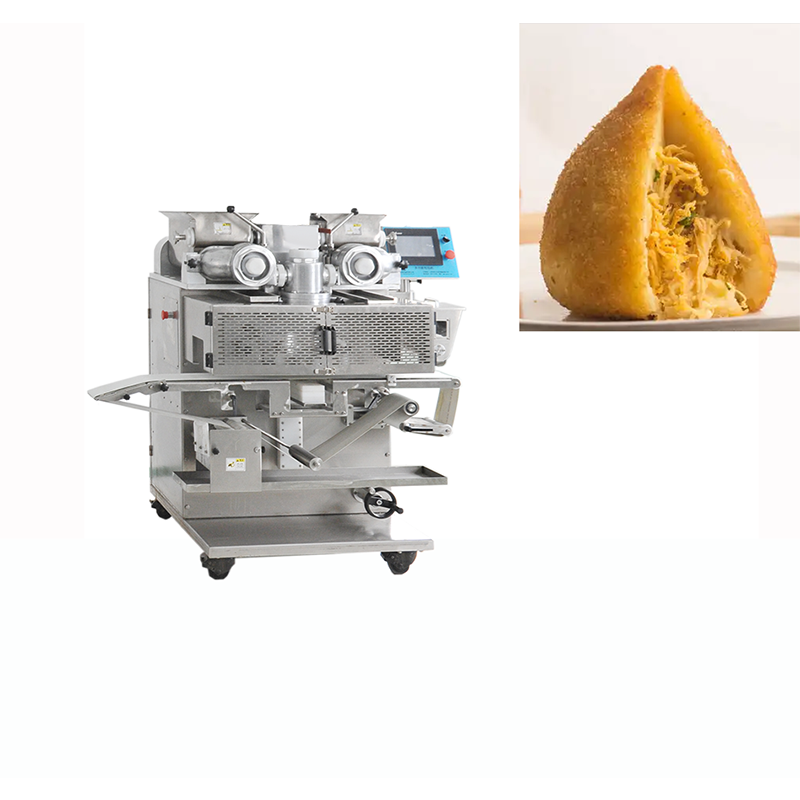
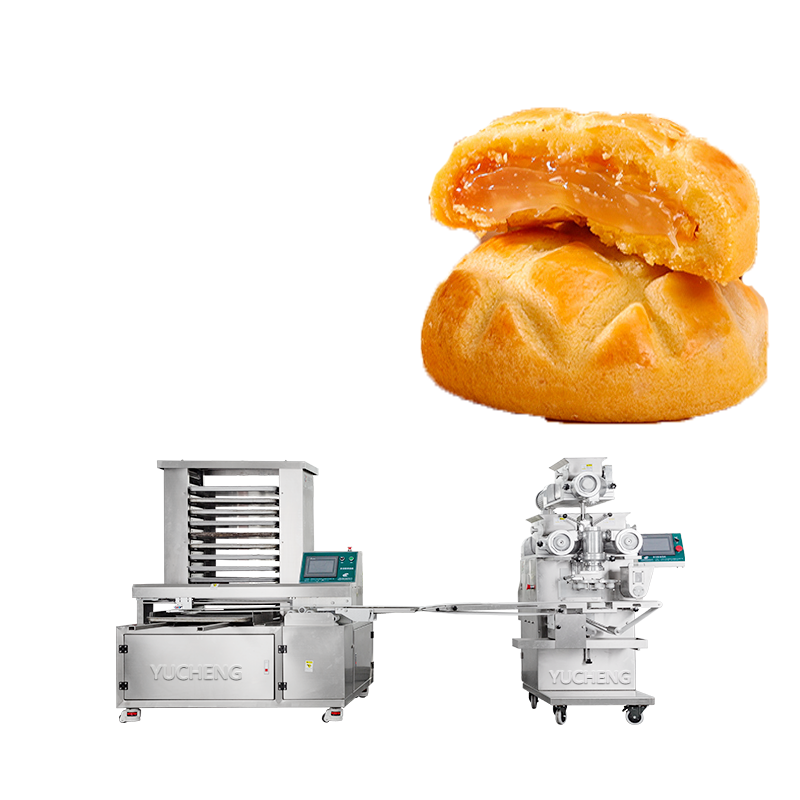
Industrial Food Production Line: Advanced Manufacturing Solutions for Enhanced Efficiency and Quality

Get a Free Quote

Our representative will contact you soon.
Email
Name
Company Name
Message
0/1000

industrial food production line

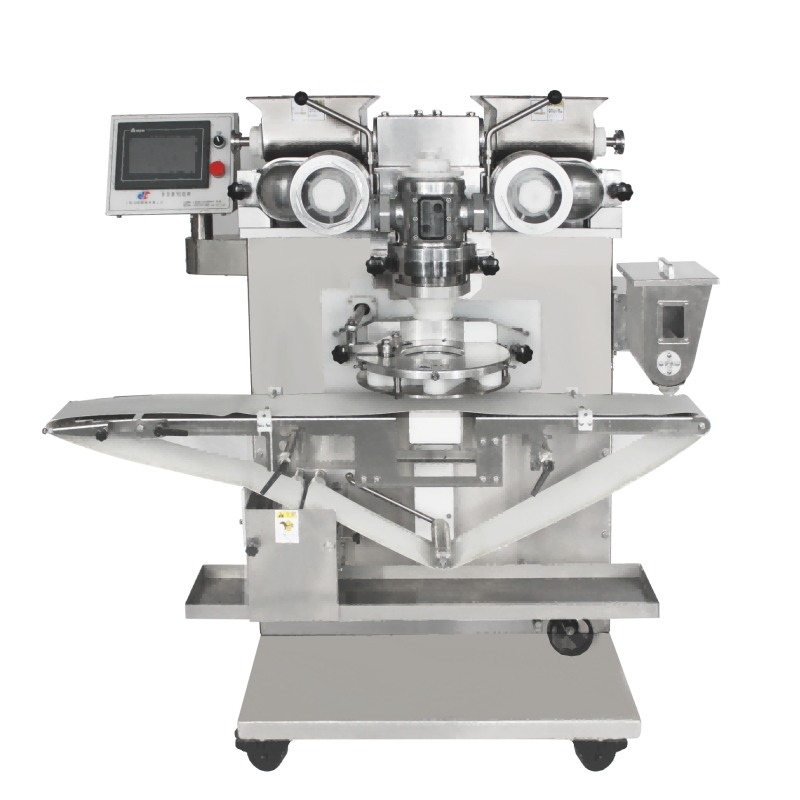
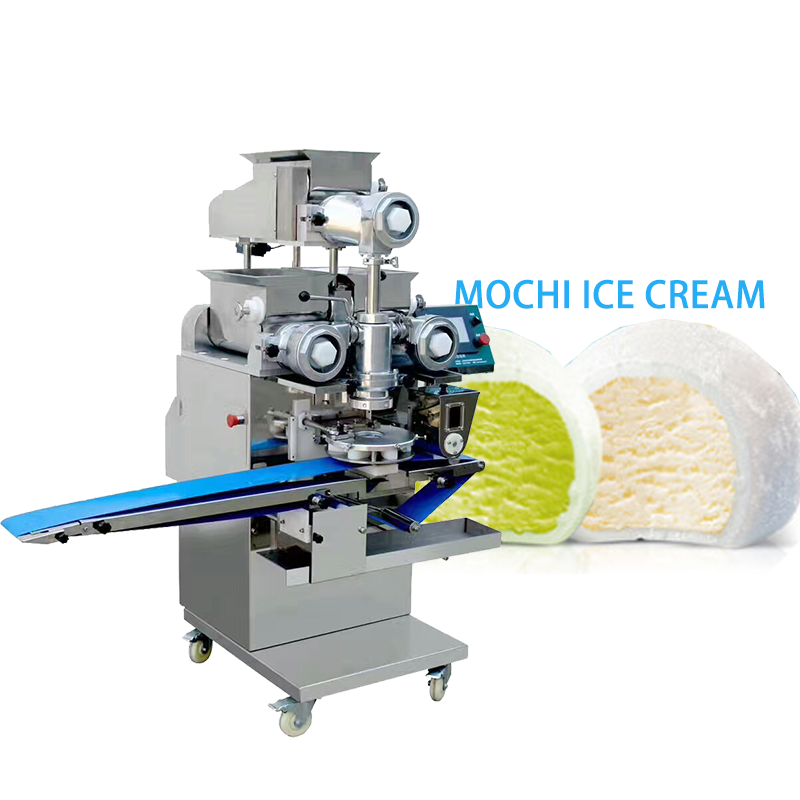
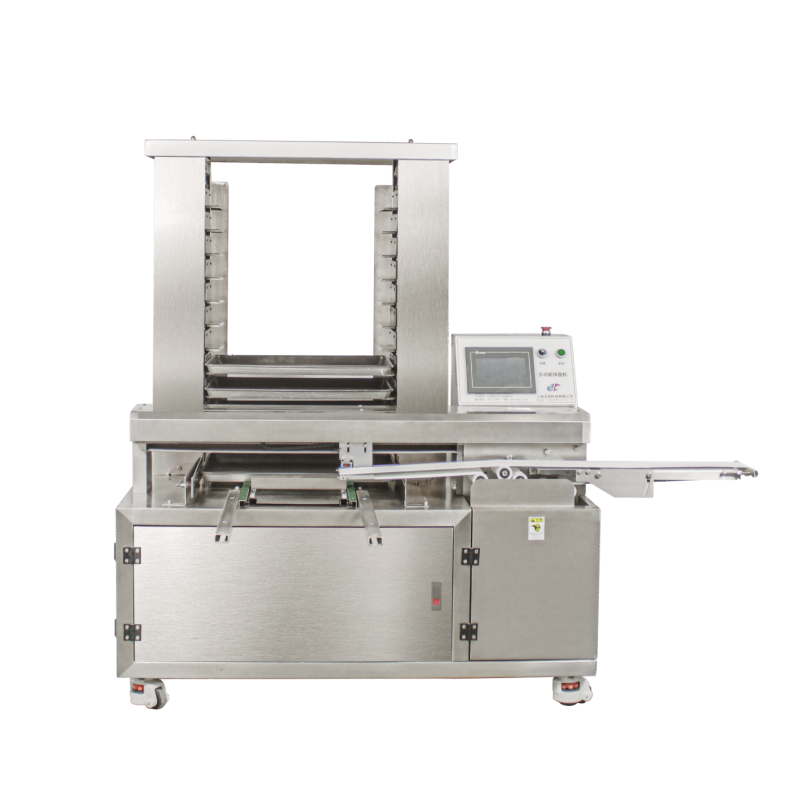
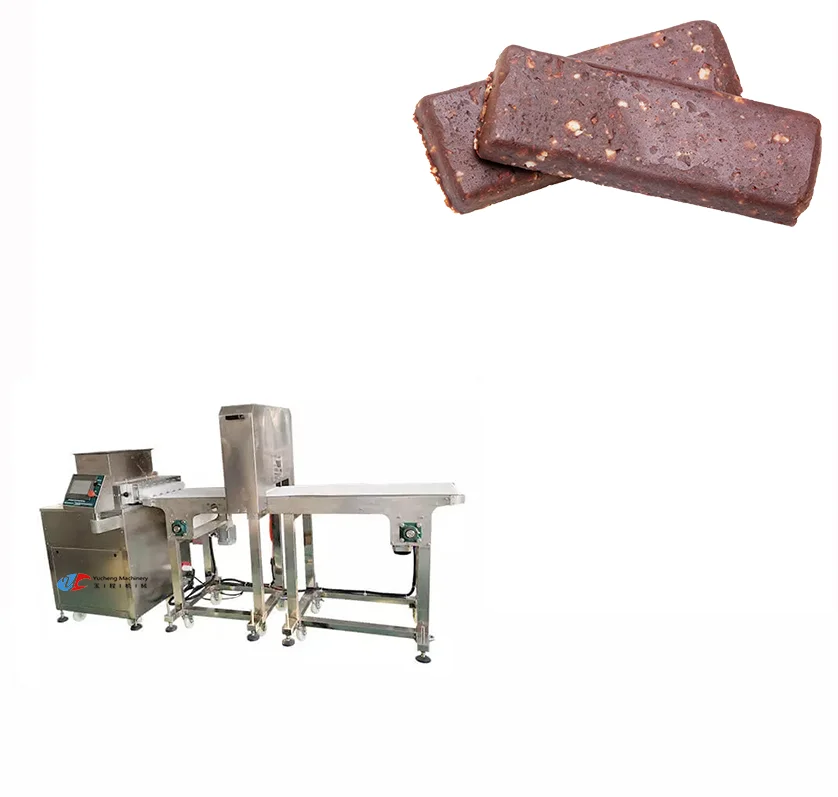
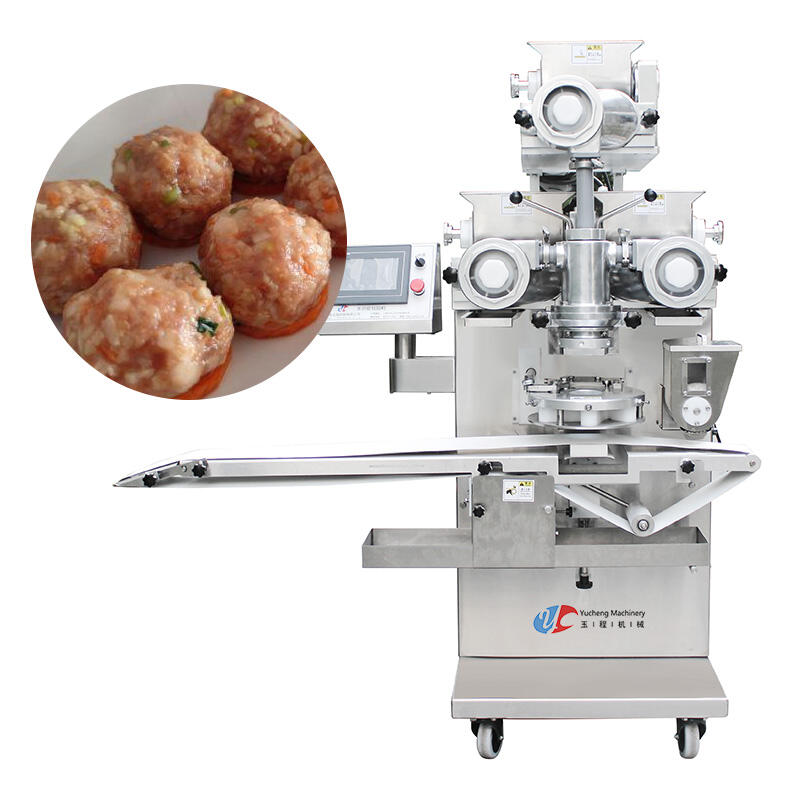
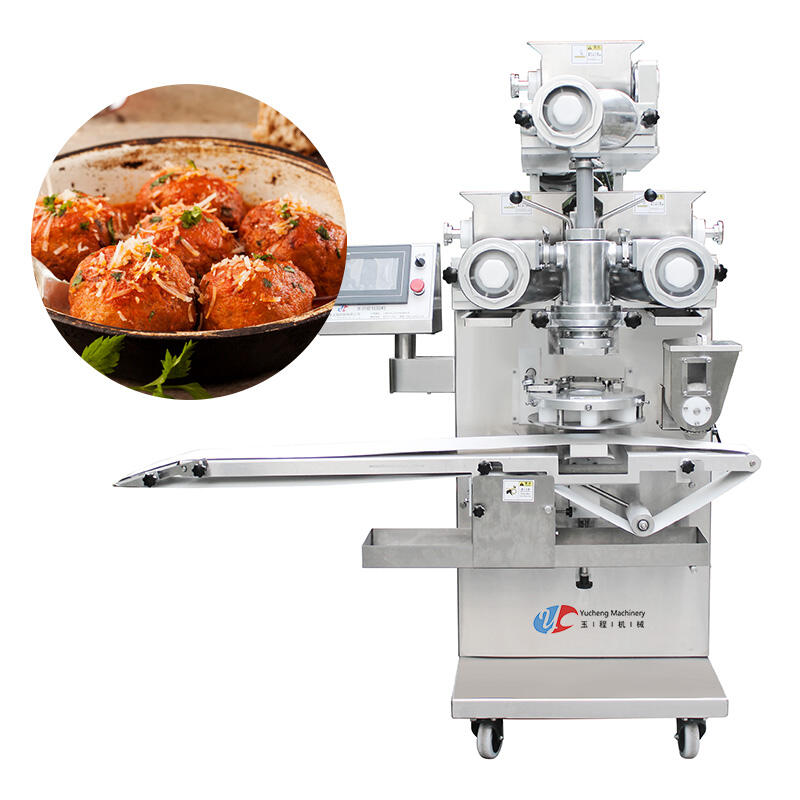
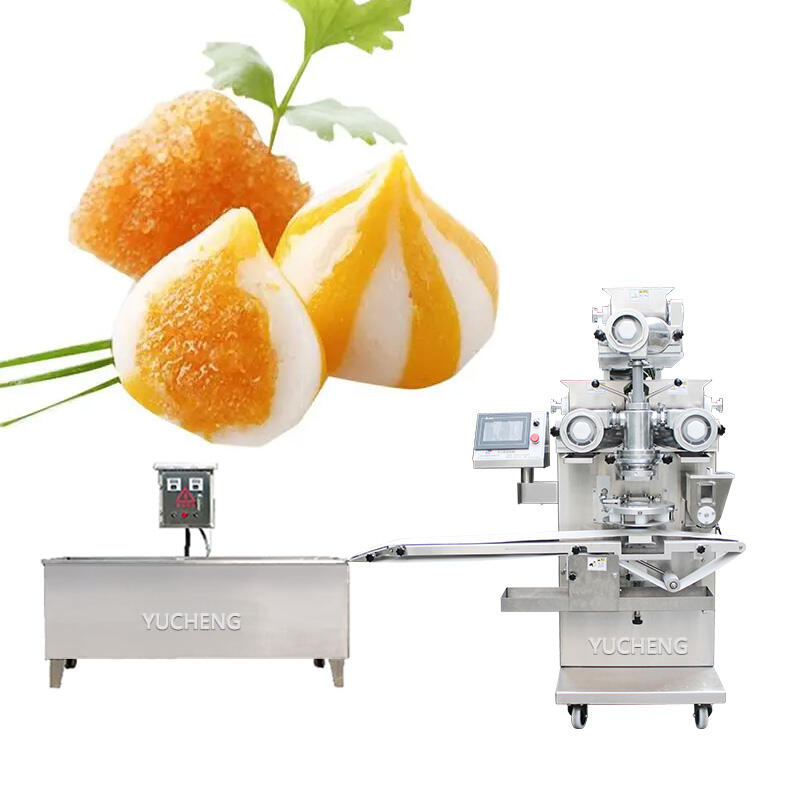
An industrial food production line represents a sophisticated manufacturing system designed to transform raw ingredients into finished food products through automated processes. This comprehensive system integrates multiple specialized machines, conveyor systems, and control technologies to create an efficient workflow that maintains consistent quality while maximizing output capacity. The industrial food production line serves as the backbone of modern food manufacturing, enabling companies to meet growing consumer demands while adhering to strict safety and quality standards. The main functions of an industrial food production line encompass ingredient preparation, mixing, processing, packaging, and quality control. These systems begin with raw material handling equipment that sorts, cleans, and prepares ingredients according to specific recipes and formulations. Advanced mixing and blending units ensure uniform distribution of components, while specialized processing equipment handles cooking, baking, freezing, or other transformation processes depending on the product type. The technological features of modern industrial food production lines include programmable logic controllers (PLC), human-machine interfaces (HMI), and sophisticated monitoring systems that track temperature, pressure, flow rates, and other critical parameters in real-time. These systems incorporate food-grade stainless steel construction, sanitary design principles, and automated cleaning-in-place (CIP) systems to maintain hygiene standards. Advanced sensor technology and data analytics provide continuous feedback for process optimization and quality assurance. The applications of industrial food production lines span across numerous sectors including bakery products, dairy processing, meat and poultry processing, beverage manufacturing, confectionery production, and ready-to-eat meal preparation. These versatile systems can be customized to accommodate specific product requirements, production volumes, and facility constraints. Whether producing simple packaged goods or complex multi-ingredient products, the industrial food production line adapts to various manufacturing needs while ensuring consistent results and operational efficiency.

New Product Recommendations

The industrial food production line delivers exceptional benefits that transform manufacturing operations and drive business success. Companies investing in these systems experience dramatically increased production capacity, often achieving output rates that are ten to twenty times higher than manual processes. This enhanced productivity directly translates to improved profitability and competitive positioning in the marketplace. The consistency achieved through automated processing ensures that every product meets identical specifications, eliminating the variability inherent in manual production methods. Quality control becomes more reliable and predictable, as the industrial food production line maintains precise control over temperature, timing, and ingredient proportions throughout the manufacturing process. Cost reduction represents another significant advantage, as automation reduces labor requirements while minimizing waste through precise measurement and controlled processes. The industrial food production line optimizes resource utilization, reducing ingredient waste, energy consumption, and production downtime. These efficiency gains compound over time, creating substantial cost savings that improve overall operational margins. Food safety standards receive enhanced protection through automated systems that reduce human contact with products and maintain sterile processing environments. The industrial food production line incorporates built-in safety features, contamination prevention measures, and traceability systems that ensure compliance with regulatory requirements. This comprehensive approach to food safety protects both consumers and manufacturers from potential risks while building brand reputation and consumer trust. Scalability becomes effortless with modular industrial food production line designs that accommodate business growth and changing market demands. Companies can expand capacity by adding modules or upgrading components without completely rebuilding their manufacturing infrastructure. This flexibility allows businesses to respond quickly to market opportunities and seasonal fluctuations. The advanced monitoring and control capabilities provide real-time visibility into production processes, enabling immediate adjustments and proactive maintenance scheduling. Data collection and analysis features help identify optimization opportunities and support continuous improvement initiatives. These technological advantages position companies for long-term success in competitive food manufacturing markets while ensuring sustainable and profitable operations.

Tips And Tricks

Explore the Key Advantages of Using a Meatball Machine in Kitchens

21

Oct

Explore the Key Advantages of Using a Meatball Machine in Kitchens

Revolutionizing Kitchen Efficiency with Modern Meatball Production The food service industry continues to evolve with innovative technologies that streamline kitchen operations. Among these game-changing innovations, the meatball machine stands out a...
View More
Top Benefits of Adding a Meatball Machine to Your Food Business

21

Oct

Top Benefits of Adding a Meatball Machine to Your Food Business

Transform Your Food Operations with Advanced Meatball Production The food service industry is constantly evolving, and staying competitive means embracing innovative solutions that enhance efficiency and product quality. A meatball machine represents...
View More
What Makes Commercial Fishball Machines So Efficient?

23

Dec

What Makes Commercial Fishball Machines So Efficient?

Commercial food production has revolutionized how restaurants and food manufacturers create consistent, high-quality products at scale. The fishball machine represents a pinnacle of engineering efficiency in automated food processing, transforming tr...
View More
How Does an Encrusting Machine Transform Food Production?

23

Dec

How Does an Encrusting Machine Transform Food Production?

Food production has undergone remarkable transformations in recent decades, with automation technologies revolutionizing how manufacturers create consistent, high-quality products. Among these innovations, the encrusting machine stands out as a game-...
View More

Get a Free Quote

Our representative will contact you soon.
Email
Name
Company Name
Message
0/1000

industrial food production line

Advanced Automation Technology Integration

Advanced Automation Technology Integration

The industrial food production line incorporates cutting-edge automation technology that revolutionizes manufacturing efficiency and operational control. This sophisticated integration combines programmable logic controllers, advanced sensors, and artificial intelligence to create a seamless production environment that operates with minimal human intervention. The automation system continuously monitors every aspect of the production process, from ingredient feeding and mixing to final packaging and quality inspection. Real-time data collection enables immediate process adjustments, ensuring optimal performance and consistent product quality throughout production runs. The industrial food production line utilizes machine learning algorithms that analyze historical production data to predict maintenance needs, optimize processing parameters, and identify potential quality issues before they impact final products. This predictive capability reduces unexpected downtime and maintains consistent production schedules, which is crucial for meeting delivery commitments and maintaining customer satisfaction. The automation technology also includes advanced vision systems that inspect products for defects, ensuring only high-quality items reach consumers. These systems can detect subtle variations in color, shape, size, and texture that human inspectors might miss, providing an additional layer of quality assurance. The integration extends to inventory management, where automated systems track ingredient usage, monitor stock levels, and generate procurement alerts when supplies run low. This comprehensive automation approach eliminates manual errors, reduces labor costs, and creates a more reliable and efficient manufacturing environment. The technology also provides detailed production reports and analytics that help manufacturers understand their processes better, identify improvement opportunities, and make data-driven decisions about equipment upgrades and process modifications. This level of technological sophistication positions companies at the forefront of modern manufacturing practices while delivering consistent competitive advantages in quality, efficiency, and operational excellence.
Comprehensive Quality Control Systems

Comprehensive Quality Control Systems

The industrial food production line features comprehensive quality control systems that ensure every product meets the highest standards for safety, consistency, and consumer satisfaction. These integrated quality management systems operate throughout the entire production process, from raw material inspection to final product verification, creating multiple checkpoints that guarantee product integrity. Advanced testing equipment automatically samples products at predetermined intervals, conducting chemical, physical, and microbiological analyses that verify compliance with established specifications and regulatory requirements. The quality control systems include sophisticated temperature monitoring that tracks thermal processing across all stages, ensuring proper pasteurization, sterilization, or cooking processes that eliminate harmful pathogens while preserving nutritional value and taste characteristics. The industrial food production line incorporates metal detection and X-ray inspection systems that identify foreign objects and contaminants, preventing defective products from reaching consumers and protecting brand reputation. These systems can detect particles as small as fractional millimeters, providing comprehensive protection against physical contamination. Statistical process control software analyzes quality data in real-time, identifying trends and variations that might indicate process drift or equipment issues before they affect product quality. This proactive approach enables immediate corrective actions and prevents the production of non-conforming products. The quality control systems also include comprehensive traceability features that track ingredients and products throughout the supply chain, enabling rapid response to any quality issues or regulatory inquiries. Batch coding and tracking systems ensure complete accountability and facilitate efficient recall procedures if necessary. Documentation systems automatically generate quality reports, certificates of analysis, and compliance records that satisfy regulatory requirements and customer specifications. The integration of quality control systems with production management software creates a seamless workflow that maintains high standards while maximizing efficiency. These comprehensive quality measures build consumer confidence, protect brand integrity, and ensure long-term business success in competitive food markets.
Flexible Production Capabilities and Customization

Flexible Production Capabilities and Customization

The industrial food production line offers exceptional flexibility and customization capabilities that enable manufacturers to adapt quickly to changing market demands and diverse product requirements. This versatility represents a crucial competitive advantage in today's dynamic food industry, where consumer preferences evolve rapidly and product innovation drives market success. The modular design architecture allows companies to configure their industrial food production line according to specific product categories, production volumes, and facility constraints. Individual modules can be easily reconfigured, replaced, or upgraded without disrupting the entire production system, providing remarkable adaptability for future growth and product diversification. The flexible processing capabilities accommodate multiple product formulations and packaging formats within the same production run, enabling efficient changeovers between different products with minimal downtime. Quick-change tooling systems and automated setup procedures reduce transition times from hours to minutes, maximizing productive capacity and improving overall equipment effectiveness. The industrial food production line supports various processing methods including thermal processing, freeze-drying, extrusion, fermentation, and mixing operations, allowing manufacturers to produce diverse product portfolios using the same basic infrastructure. Recipe management systems store hundreds of product formulations and automatically adjust processing parameters when switching between different products, ensuring consistent quality regardless of product complexity. Size and portion control systems provide precise serving sizes and packaging options, accommodating everything from individual portions to bulk containers according to market requirements. The customization extends to packaging integration, where the production line seamlessly connects with various packaging machines to create complete turnkey solutions. This integration capability reduces handling requirements, minimizes contamination risks, and improves overall production efficiency. Advanced scheduling software optimizes production sequences to minimize changeover frequency while maximizing throughput and equipment utilization. The flexibility also encompasses seasonal production adjustments, allowing manufacturers to modify capacity and product mix according to market cycles and promotional activities. This comprehensive flexibility ensures that investments in industrial food production line technology continue delivering value as business needs evolve and market opportunities emerge.
Inquiry Inquiry Email Email Youtube Youtube Tiktok Tiktok TopTop

Get a Free Quote

Our representative will contact you soon.
Email
Name
Company Name
Message
0/1000