professional food production line
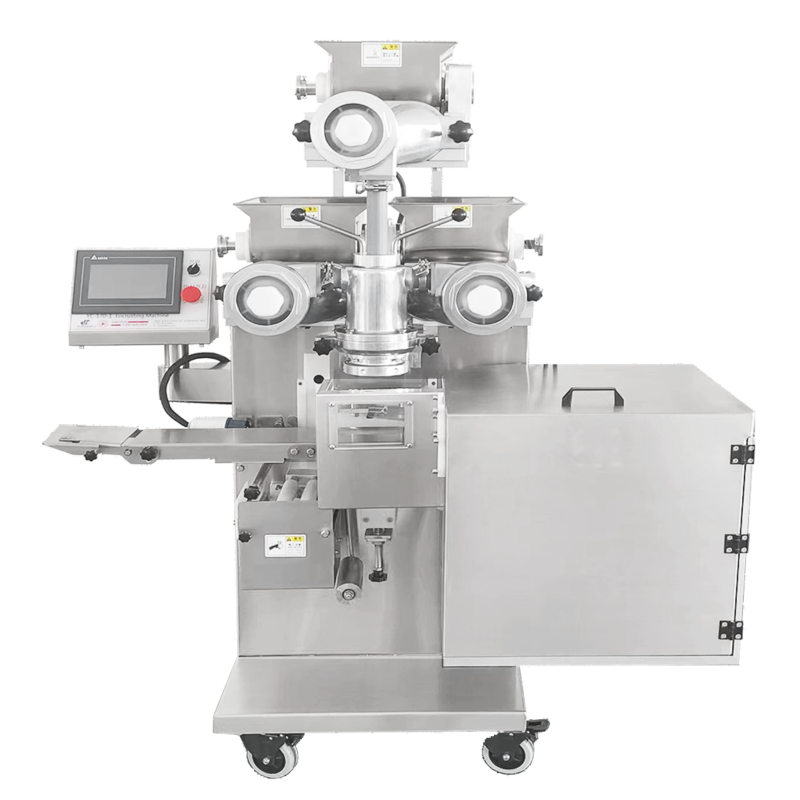
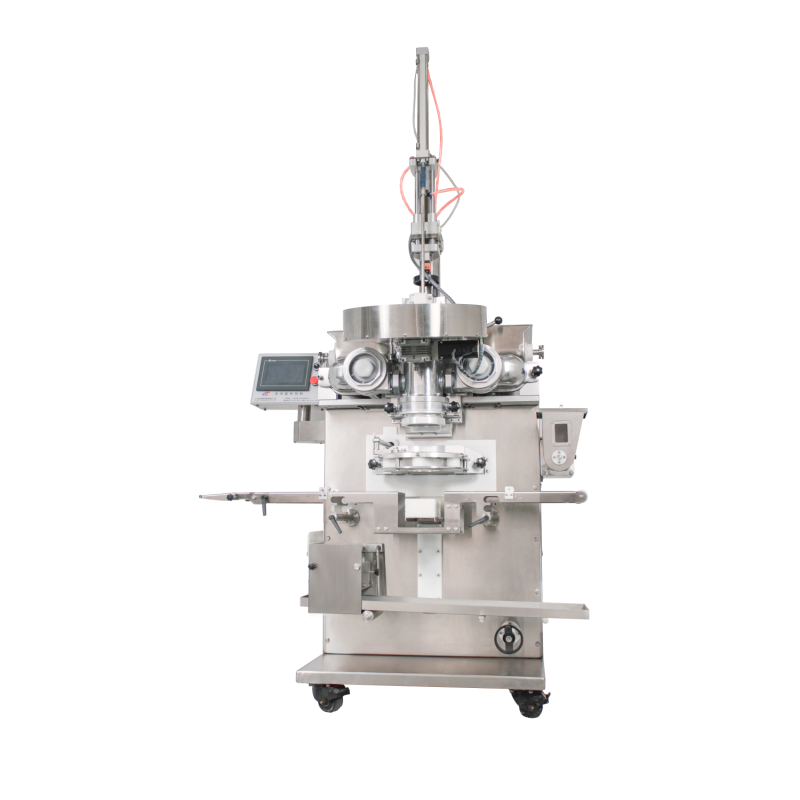
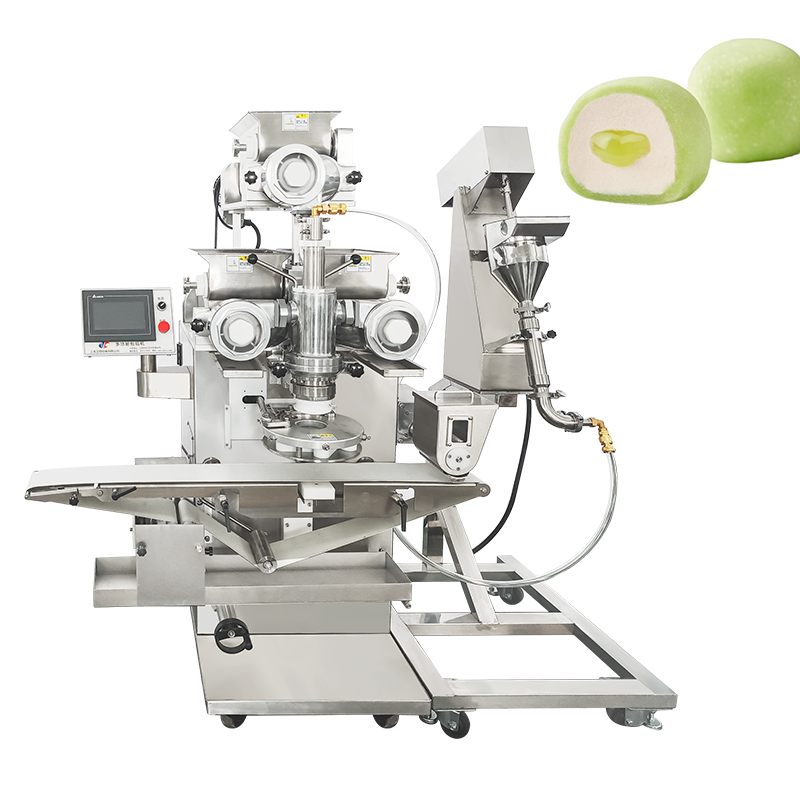
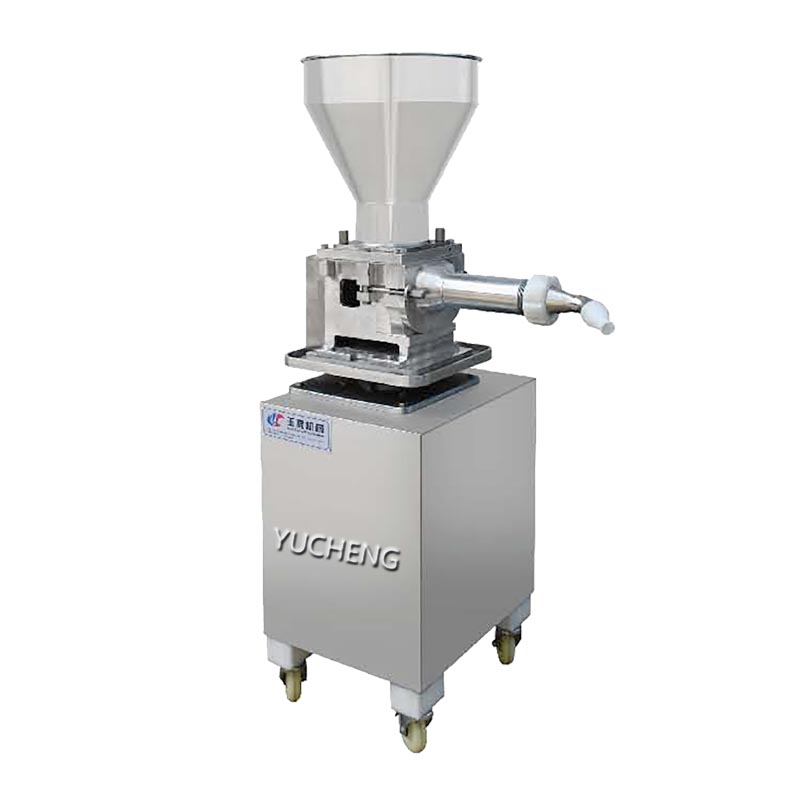
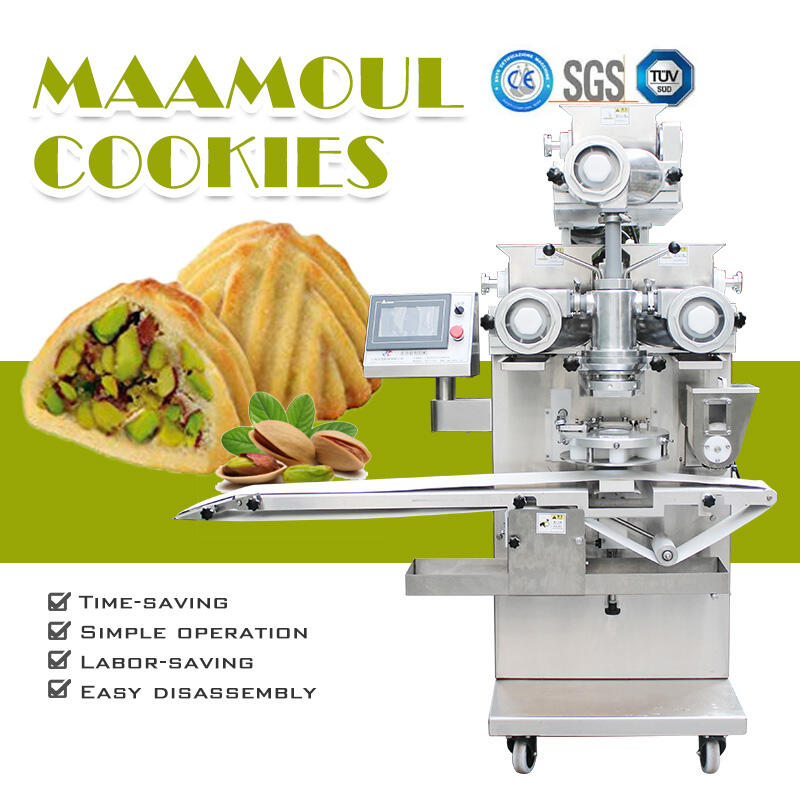
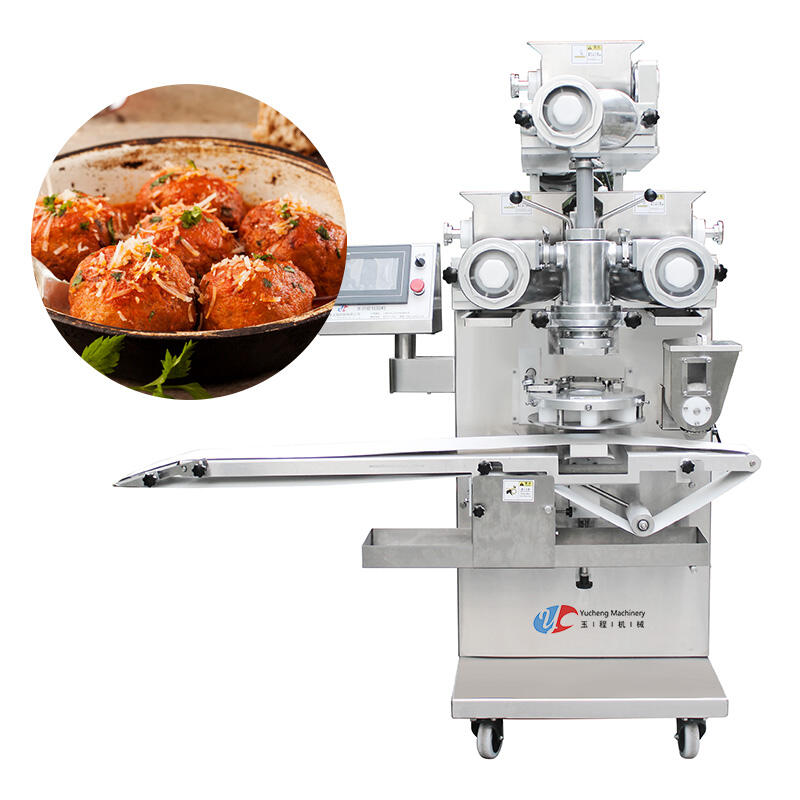
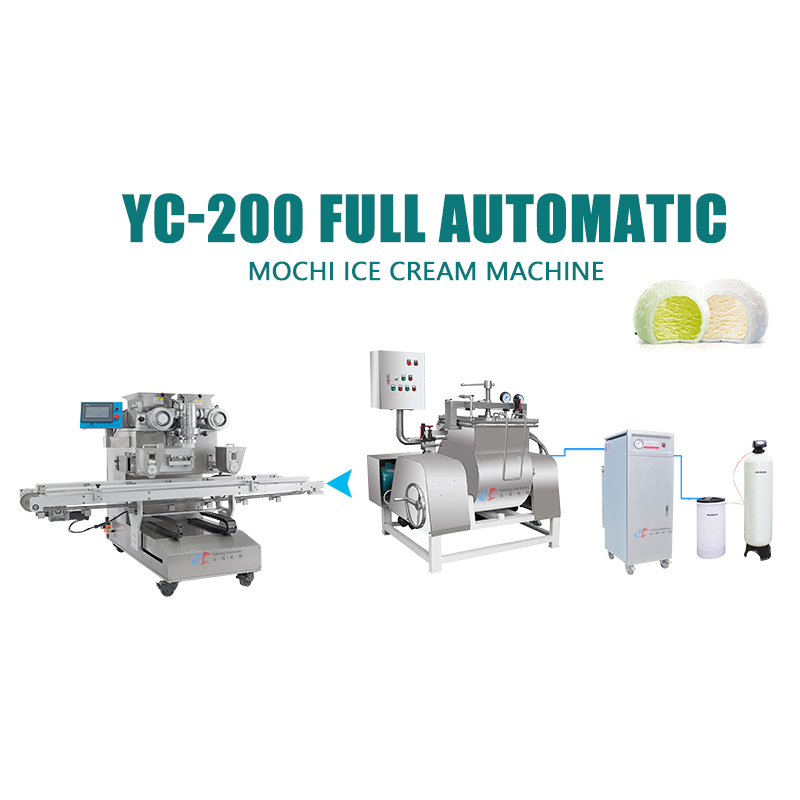
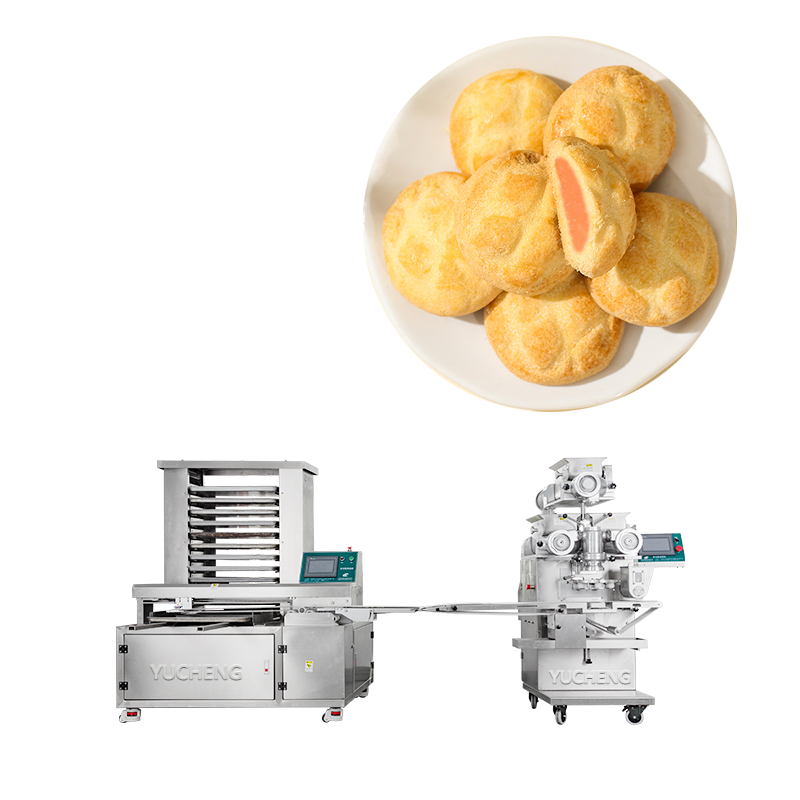
A professional food production line represents the backbone of modern food manufacturing, integrating advanced machinery, automated systems, and quality control mechanisms to transform raw ingredients into finished food products efficiently and safely. This sophisticated system encompasses multiple interconnected stages, from initial ingredient preparation through final packaging, creating a seamless workflow that maximizes productivity while maintaining consistent quality standards. The professional food production line operates through carefully orchestrated processes that include ingredient handling, mixing, processing, cooking, cooling, forming, and packaging operations. Each stage incorporates specialized equipment designed to handle specific food types, whether processing dairy products, baked goods, beverages, frozen foods, or ready-to-eat meals. Modern production lines feature computerized control systems that monitor temperature, pressure, timing, and ingredient ratios with precision, ensuring optimal results throughout the manufacturing process. The technological features of these systems include programmable logic controllers (PLCs) that coordinate machinery operations, sensor networks that provide real-time monitoring, and data collection systems that track production metrics. Advanced lines incorporate artificial intelligence and machine learning capabilities to optimize performance, predict maintenance needs, and adapt to varying production requirements. Food safety remains paramount, with built-in sanitation systems, contamination prevention measures, and traceability features that track products from raw materials to final distribution. Applications span across diverse food industry segments, including commercial bakeries, beverage manufacturers, meat processing facilities, dairy operations, and snack food production. These professional food production lines serve restaurants, food service companies, retail brands, and specialty food manufacturers seeking to scale operations while maintaining consistent quality. The versatility of modern systems allows customization for specific product requirements, dietary restrictions, and regional preferences, making them invaluable assets for businesses aiming to compete in today's demanding food market landscape.
 EN
EN