Advanced Automatic Food Production Line Solutions - Boost Efficiency & Quality

Get a Free Quote

Our representative will contact you soon.
Email
Name
Company Name
Message
0/1000

automatic food production line

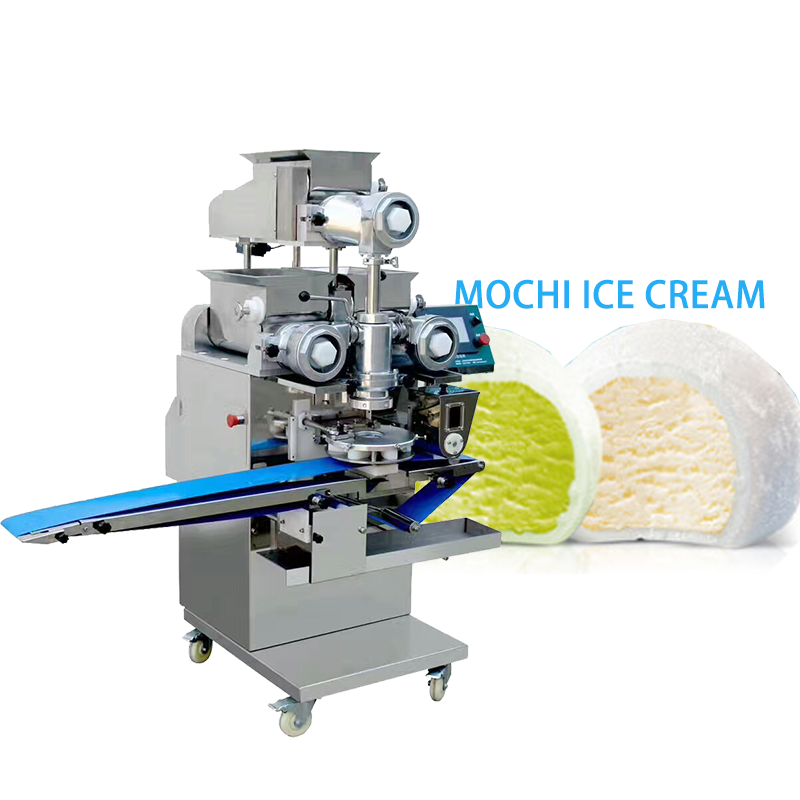
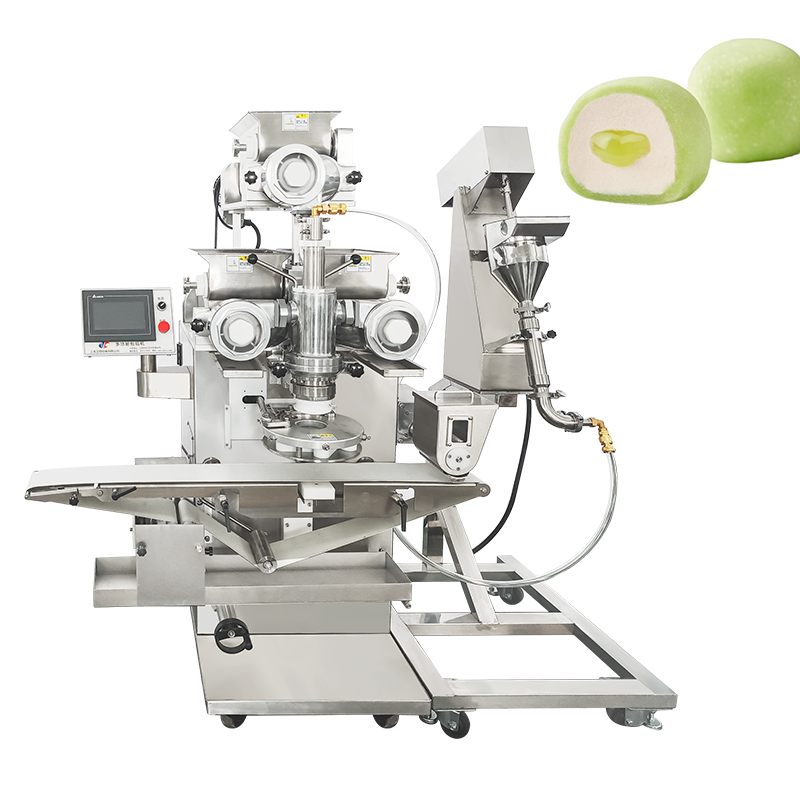
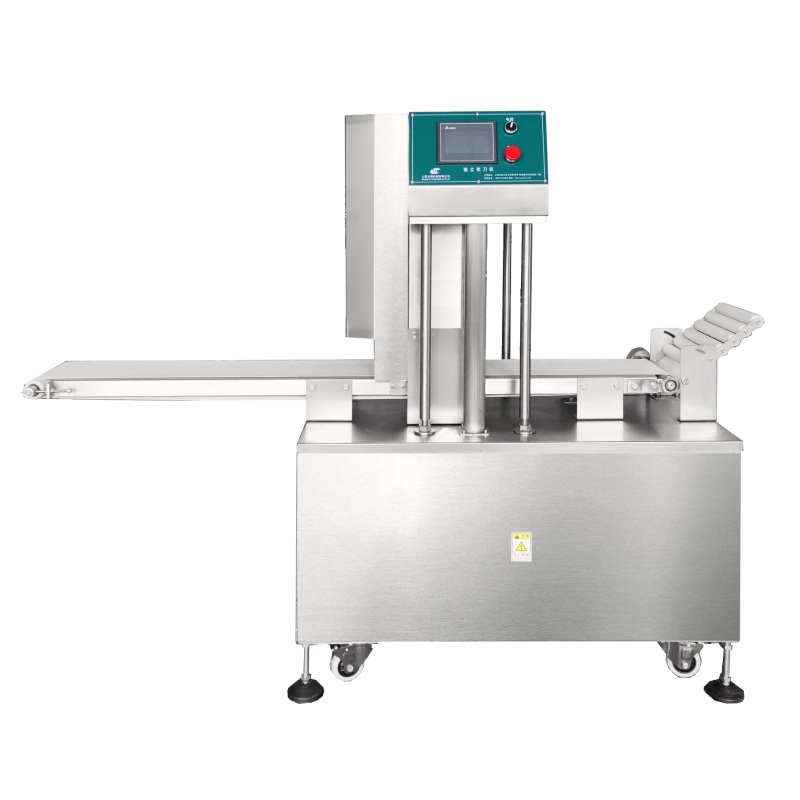
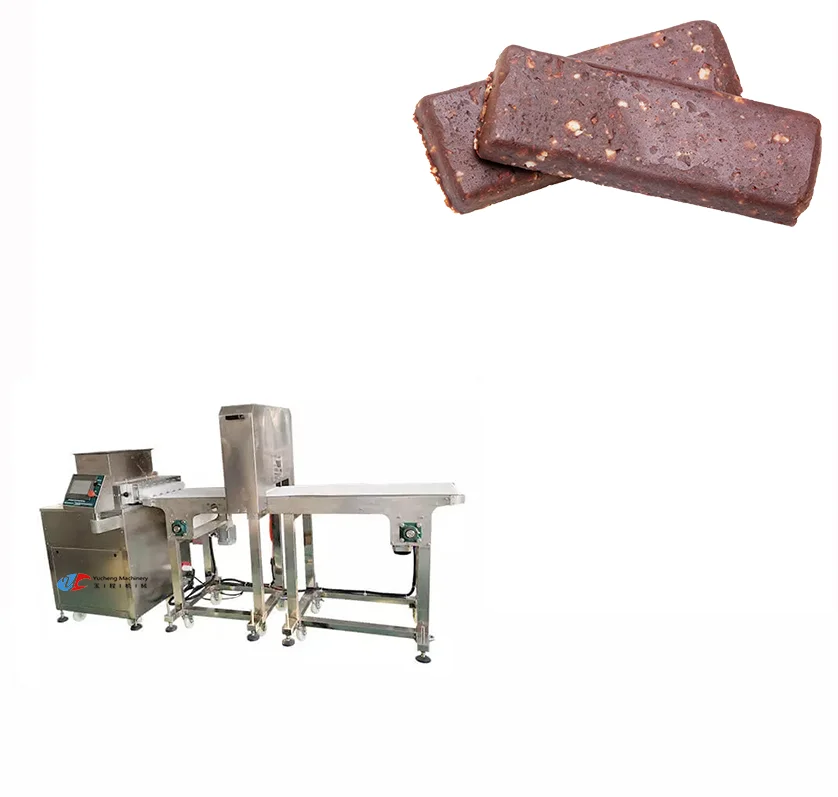
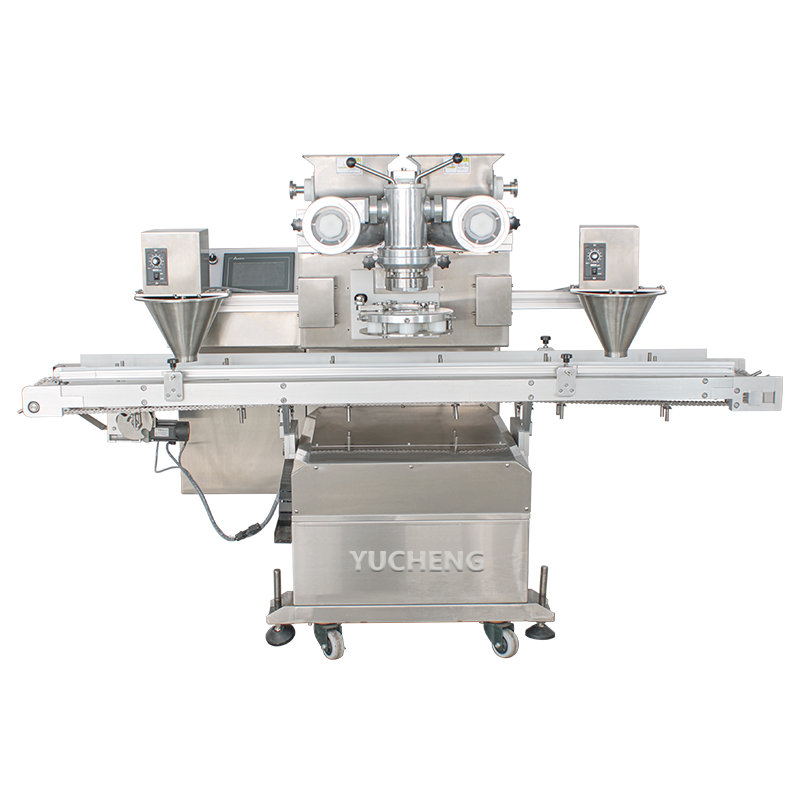
An automatic food production line represents a sophisticated manufacturing system that streamlines the entire food processing workflow from raw ingredient handling to final packaging. This advanced technology integrates multiple interconnected stations and machinery to create a seamless production environment that operates with minimal human intervention. The automatic food production line consists of several core components including ingredient preparation units, mixing and blending systems, cooking or processing chambers, forming and shaping equipment, quality control sensors, cooling systems, and packaging machinery. Each component is precisely calibrated to work in harmony with others, ensuring consistent product quality and optimal production efficiency. The technological backbone of these systems relies on programmable logic controllers (PLC), advanced sensor networks, and computerized monitoring systems that oversee every aspect of the manufacturing process. These intelligent systems continuously monitor temperature, pressure, timing, and ingredient ratios to maintain strict quality standards throughout production. Modern automatic food production lines incorporate sophisticated safety features including emergency shutdown protocols, contamination prevention systems, and compliance monitoring to meet stringent food safety regulations. The flexibility of these systems allows manufacturers to adapt quickly to different product specifications, seasonal demands, or market requirements without significant downtime. Integration capabilities enable seamless connection with enterprise resource planning systems, inventory management platforms, and quality assurance databases. The automatic food production line serves diverse applications across the food industry, from bakery products and confectionery to processed meats, dairy products, and ready-to-eat meals. These systems are particularly valuable for large-scale commercial production where consistency, speed, and cost-effectiveness are paramount considerations for business success.

New Product Recommendations

The automatic food production line delivers substantial cost savings through reduced labor requirements and increased operational efficiency. Companies typically experience a 40-60% reduction in labor costs while simultaneously boosting production capacity by up to 300%. This dramatic improvement in productivity directly translates to better profit margins and enhanced competitive positioning in the marketplace. Quality consistency represents another major advantage, as automated systems eliminate human error and variability that often plague manual production processes. Every product maintains identical specifications, taste profiles, and visual appearance, building stronger brand reputation and customer loyalty. Speed and throughput capabilities far exceed manual operations, with many automatic food production lines processing thousands of units per hour while maintaining precision and quality standards. This increased capacity allows businesses to meet growing market demands and capitalize on new opportunities without proportional increases in overhead costs. Food safety improvements are substantial, as automated systems minimize human contact with products and incorporate advanced sanitization protocols. Built-in monitoring systems detect potential contamination risks before they become problems, protecting both consumers and brand integrity. Waste reduction is another significant benefit, with precision ingredient dispensing and optimized cooking processes reducing material waste by 20-30% compared to traditional methods. Energy efficiency improvements result from optimized heating, cooling, and processing cycles that adjust automatically based on production requirements. Scalability features allow businesses to expand production capacity incrementally without completely redesigning their manufacturing infrastructure. Real-time data collection and analytics capabilities provide valuable insights into production performance, enabling continuous improvement and predictive maintenance strategies. Regulatory compliance becomes more manageable through automated documentation systems that track every aspect of the production process, simplifying audits and certifications. The automatic food production line also offers better working conditions for employees, reducing physical strain and creating opportunities for workers to develop technical skills in equipment operation and maintenance.

Practical Tips

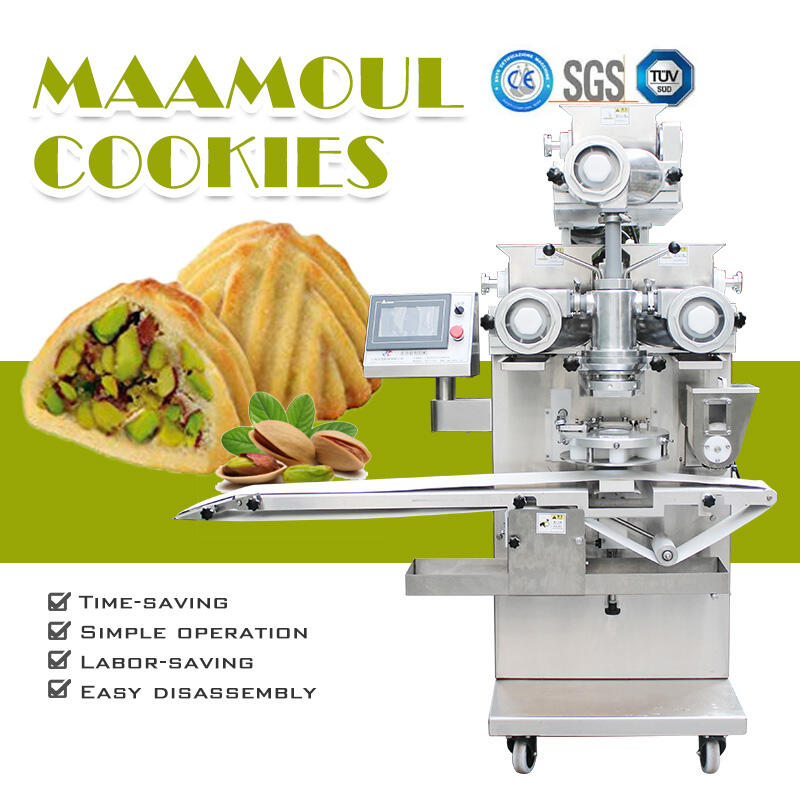
Can a Maamoul Making Machine Help Expand Your Pastry Business?

21

Oct

Can a Maamoul Making Machine Help Expand Your Pastry Business?

Transforming Traditional Middle Eastern Pastry Production The art of creating maamoul, those beloved Middle Eastern cookies filled with dates, pistachios, or walnuts, has long been a labor of love passed down through generations. However, as pastry b...
View More
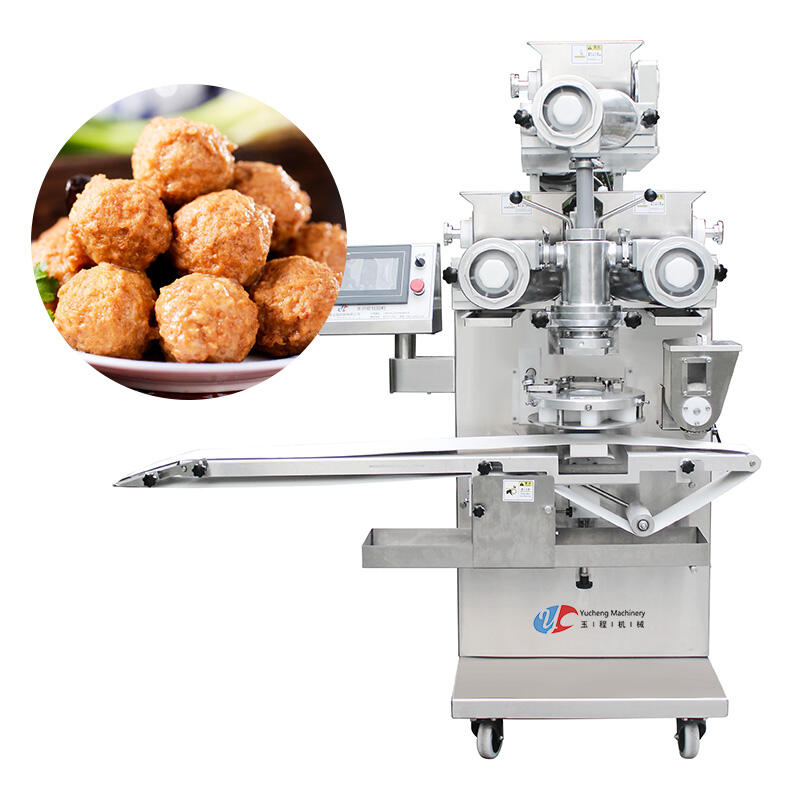
How Can a Meatball Machine Boost Productivity in Food Processing?

21

Oct

How Can a Meatball Machine Boost Productivity in Food Processing?

Revolutionizing Food Production with Advanced Meatball Processing Technology The food processing industry continues to evolve with innovative solutions that enhance efficiency and productivity. Among these innovations, the meatball machine stands out...
View More
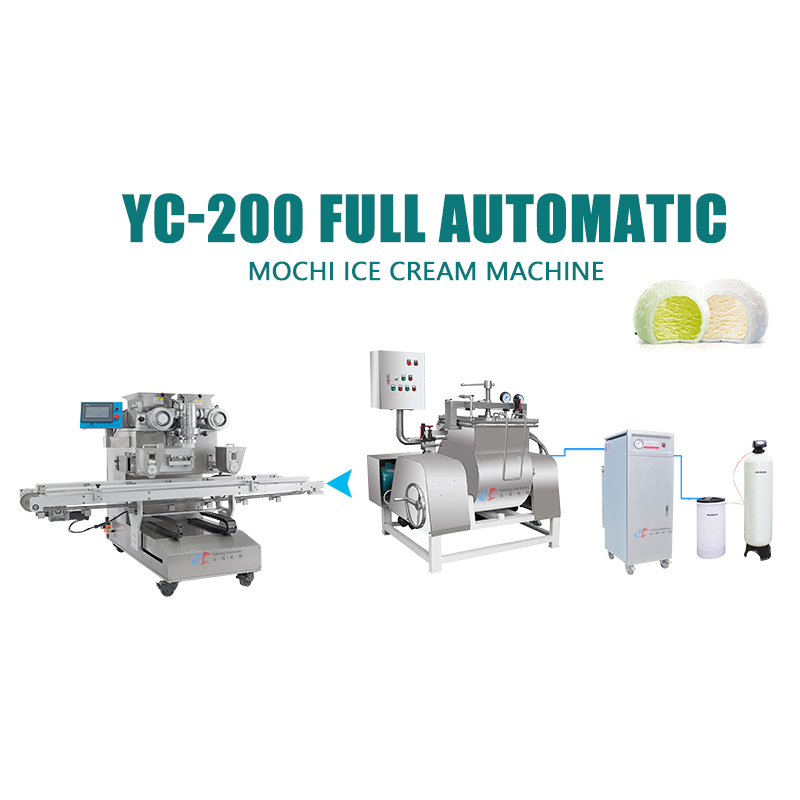
How does a mochi ice cream machine work in 2025?

23

Dec

How does a mochi ice cream machine work in 2025?

The modern mochi ice cream machine has revolutionized dessert production in commercial kitchens worldwide, transforming a traditionally labor-intensive process into an efficient automated system. These sophisticated machines combine precision enginee...
View More
Why choose automatic machinery over manual processes?

23

Dec

Why choose automatic machinery over manual processes?

The manufacturing landscape has undergone a dramatic transformation over the past few decades, with automatic machinery emerging as a cornerstone of modern industrial operations. Companies across various sectors are increasingly recognizing the subst...
View More

Get a Free Quote

Our representative will contact you soon.
Email
Name
Company Name
Message
0/1000

automatic food production line

Advanced Process Control and Monitoring Systems

Advanced Process Control and Monitoring Systems

The automatic food production line incorporates state-of-the-art process control technology that revolutionizes food manufacturing through intelligent automation and real-time monitoring capabilities. At the heart of this system lies a sophisticated network of sensors, controllers, and data analytics platforms that work together to optimize every aspect of production. Temperature sensors positioned throughout the line ensure precise thermal control during cooking, cooling, and storage phases, maintaining optimal conditions for food safety and quality preservation. Pressure monitoring systems regulate pneumatic and hydraulic components, ensuring consistent product formation and packaging integrity. Advanced weight sensors and flow meters guarantee accurate ingredient proportioning, eliminating waste and maintaining recipe consistency across all production batches. The integrated control system features touchscreen interfaces that allow operators to monitor multiple production parameters simultaneously, displaying real-time data on throughput rates, quality metrics, and equipment performance indicators. Automated alert systems notify operators immediately when parameters drift outside acceptable ranges, enabling rapid corrective action before quality issues develop. Historical data logging capabilities create comprehensive production records that support quality assurance protocols and regulatory compliance requirements. The system's predictive maintenance algorithms analyze equipment performance trends to forecast potential failures before they occur, minimizing unexpected downtime and maintenance costs. Remote monitoring capabilities enable production managers to oversee operations from anywhere, receiving instant notifications about production status and performance metrics. This comprehensive monitoring approach ensures that every automatic food production line operates at peak efficiency while maintaining the highest quality standards, ultimately delivering superior products to consumers while maximizing operational profitability for manufacturers.
Seamless Integration and Customization Flexibility

Seamless Integration and Customization Flexibility

The automatic food production line excels in its ability to integrate seamlessly with existing manufacturing infrastructure while offering extensive customization options to meet diverse production requirements. This adaptability makes it an ideal solution for food manufacturers ranging from small specialty producers to large-scale industrial operations. The modular design philosophy allows companies to implement automation gradually, starting with critical bottleneck areas and expanding systematically as business needs evolve. Each module within the automatic food production line can be configured independently, enabling manufacturers to optimize specific processing steps without disrupting entire production workflows. Integration capabilities extend to existing quality management systems, enterprise resource planning platforms, and supply chain management software, creating a unified operational ecosystem. The system accommodates various product formats, sizes, and specifications through adjustable parameters and interchangeable components, allowing manufacturers to switch between different product lines efficiently. Recipe management features store multiple formulations digitally, enabling rapid changeover between products with minimal setup time and reduced risk of cross-contamination. Packaging flexibility supports diverse container types, sizes, and labeling requirements, adapting automatically to different market segments and consumer preferences. The automatic food production line integrates with upstream ingredient handling systems and downstream distribution networks, creating seamless material flow throughout the entire value chain. Advanced communication protocols ensure compatibility with industry-standard automation systems, simplifying integration with existing plant infrastructure. Customization extends to safety systems, with configurable lockout procedures, emergency stops, and access controls tailored to specific facility requirements and regulatory standards. This comprehensive integration and customization flexibility ensures that each automatic food production line delivers optimal performance within its unique operational environment, maximizing return on investment while supporting long-term business growth objectives.
Sustainable Operations and Environmental Responsibility

Sustainable Operations and Environmental Responsibility

The automatic food production line demonstrates exceptional environmental stewardship through energy-efficient operations, waste minimization strategies, and sustainable manufacturing practices that benefit both businesses and the planet. Energy consumption optimization represents a cornerstone of sustainable operations, with intelligent systems that adjust power usage based on real-time production demands. Variable frequency drives on motors reduce energy consumption during low-demand periods, while optimized heating and cooling cycles minimize thermal energy waste. Heat recovery systems capture and reuse thermal energy from cooking processes, reducing overall energy requirements by up to 25% compared to conventional manufacturing methods. Water conservation features include closed-loop cleaning systems that recirculate and filter wash water, dramatically reducing water consumption and wastewater generation. Precise ingredient dispensing eliminates overuse of raw materials, while optimized cooking processes reduce food waste and byproduct generation. The automatic food production line incorporates advanced filtration and emission control systems that minimize environmental impact from production operations. Packaging optimization features reduce material usage while maintaining product protection, supporting sustainable packaging initiatives and reducing transportation costs. Predictive maintenance capabilities extend equipment lifespan and reduce the frequency of component replacements, minimizing manufacturing waste and resource consumption. Real-time monitoring systems identify opportunities for further efficiency improvements, enabling continuous optimization of environmental performance. The system supports the use of renewable energy sources through smart grid integration and load balancing capabilities that align energy consumption with renewable energy availability. Comprehensive data collection and reporting features help manufacturers track and document their environmental performance, supporting sustainability reporting and corporate responsibility initiatives. These environmental benefits extend beyond regulatory compliance, creating competitive advantages through reduced operating costs, enhanced brand reputation, and alignment with consumer preferences for environmentally responsible products. The automatic food production line thus represents a forward-thinking approach to food manufacturing that balances operational efficiency with environmental stewardship.
Inquiry Inquiry Email Email Youtube Youtube Tiktok Tiktok TopTop

Get a Free Quote

Our representative will contact you soon.
Email
Name
Company Name
Message
0/1000