 EN
EN

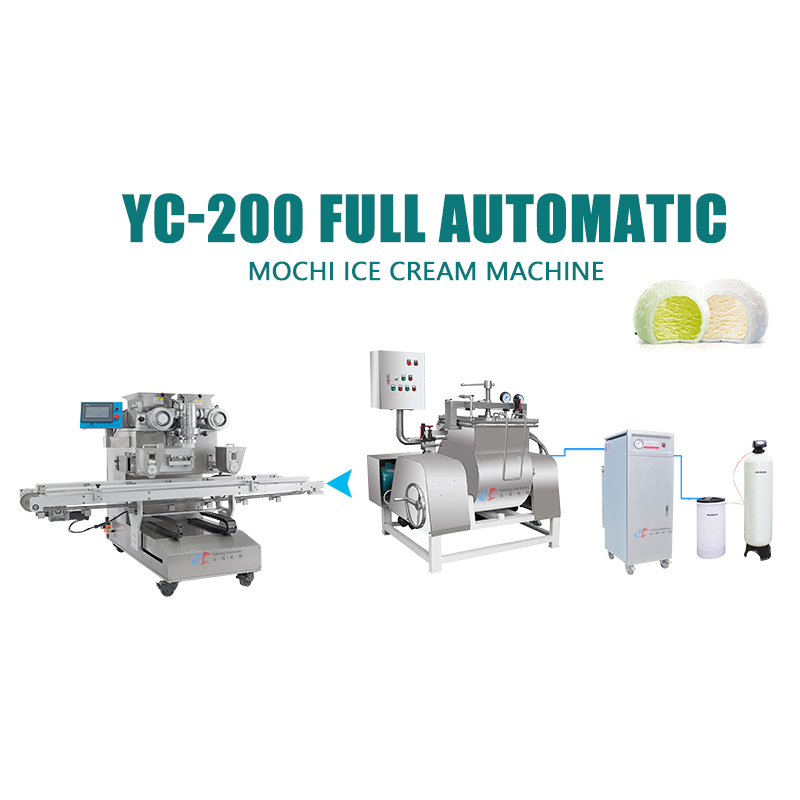
The modern mochi ice cream machine has revolutionized dessert production in commercial kitchens worldwide, transforming a traditionally labor-intensive process into an efficient automated system. These sophisticated machines combine precision engineering with food-grade materials to produce consistent, high-quality mochi ice cream products at scale. Understanding how a mochi ice cream machine operates requires examining its complex mechanisms, from dough preparation to final packaging, each step carefully orchestrated to maintain the delicate balance between the chewy mochi exterior and creamy frozen interior.
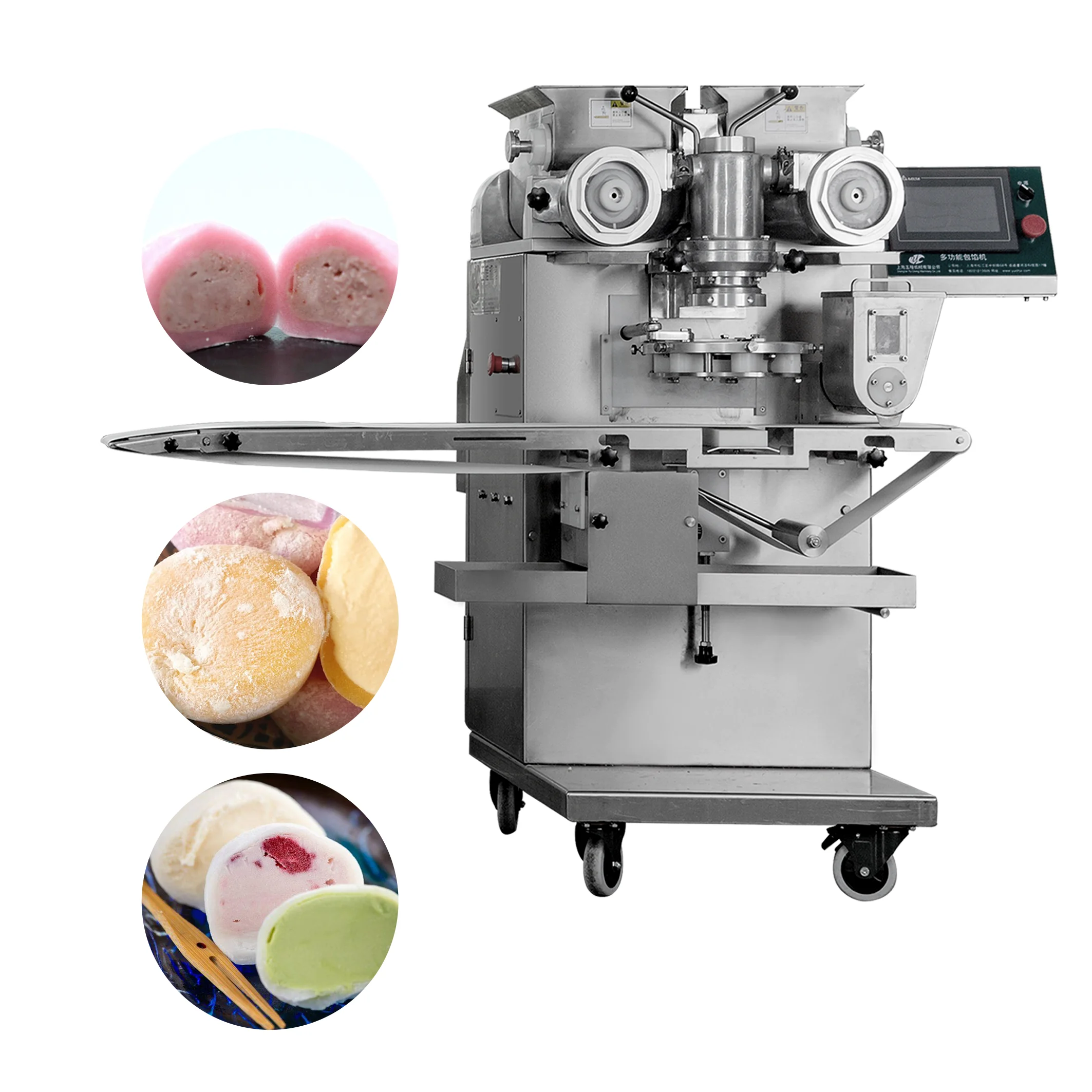
Core Components and Engineering Architecture
Dough Mixing and Preparation System
The foundation of any effective mochi ice cream machine lies in its dough preparation system, which transforms glutinous rice flour into the characteristic stretchy mochi wrapper. Advanced mixing chambers utilize precise temperature controls and automated ingredient dispensers to achieve optimal dough consistency. The system maintains temperatures between 85-95°C during the cooking phase, ensuring proper gelatinization of the rice starches while preventing overcooking that could compromise texture quality.
Modern machines incorporate stainless steel mixing bowls with specialized paddle configurations designed to handle the unique properties of mochi dough. Variable speed controls allow operators to adjust mixing intensity based on batch size and desired texture characteristics. The preparation system also features automated steam injection capabilities that provide the necessary moisture content for achieving the signature elasticity that defines premium mochi products.
Temperature Management and Cooling Systems
Temperature control represents one of the most critical aspects of mochi ice cream machine operation, requiring precise coordination between heating and cooling elements throughout the production cycle. The cooling system typically employs industrial-grade refrigeration units capable of maintaining consistent temperatures as low as -18°C in the ice cream storage compartments. These systems utilize advanced heat exchangers and insulation materials to prevent temperature fluctuations that could affect product quality.
Specialized cooling plates work in conjunction with the forming mechanisms to rapidly solidify the mochi exterior while preserving the frozen ice cream core. The timing of temperature transitions is crucial, as premature cooling can result in cracked mochi shells, while insufficient cooling leads to structural instability during handling and packaging processes.
Production Process and Operational Mechanics
Automated Forming and Shaping Mechanisms
The forming stage represents the heart of mochi ice cream machine operations, where precisely portioned ice cream portions are enveloped within perfectly sized mochi wrappers. Pneumatic systems control the dispensing mechanisms, ensuring consistent portion sizes through programmable volumetric controls. The forming chambers utilize custom-designed molds that shape both the ice cream core and the surrounding mochi shell simultaneously.
Advanced servo motors drive the positioning systems that place ice cream portions within the mochi wrappers with millimeter precision. The wrapping process involves carefully controlled pressure applications that seal the mochi around the ice cream without compromising the integrity of either component. Modern machines can produce multiple shapes and sizes simultaneously, accommodating diverse product lines and market demands through interchangeable tooling systems.
Quality Control and Monitoring Systems
Contemporary mochi ice cream machine designs incorporate comprehensive quality control systems that monitor every aspect of the production process in real-time. Integrated sensors track temperature variations, portion weights, and wrapper thickness to ensure consistent product quality across entire production runs. These monitoring systems provide immediate feedback to operators, enabling rapid adjustments when parameters drift outside acceptable tolerances.
Vision systems equipped with high-resolution cameras inspect each finished product for visual defects, automatically rejecting items that fail to meet predetermined quality standards. Weight verification systems ensure accurate portioning, while metal detectors provide food safety compliance by identifying any foreign materials that might have entered the production stream during processing.
Advanced Features and Technology Integration
Programmable Logic Controllers and Automation
Modern mochi ice cream machine operations rely heavily on sophisticated programmable logic controllers that coordinate the complex sequence of manufacturing steps required for consistent product output. These control systems manage timing sequences for ingredient dispensing, mixing cycles, forming operations, and cooling phases with precision measured in milliseconds. Operators can program multiple recipe profiles, allowing rapid changeovers between different product varieties without extensive manual adjustments.
Touch-screen interfaces provide intuitive control over machine parameters, displaying real-time production data and diagnostic information that simplifies troubleshooting and maintenance activities. Remote monitoring capabilities enable supervisors to track production metrics from off-site locations, while data logging functions maintain comprehensive records for quality assurance and regulatory compliance purposes.
Sanitation and Hygiene Systems
Food safety requirements demand that mochi ice cream machine designs prioritize easy cleaning and sanitization throughout all product-contact surfaces. Clean-in-place systems utilize automated spray nozzles and circulation pumps to deliver cleaning solutions to every component without requiring complete disassembly. Specialized detergent formulations designed for dairy and starch residues ensure thorough removal of product buildup between production runs.
Stainless steel construction with smooth, crevice-free surfaces prevents bacterial harboring while facilitating rapid cleaning cycles. Drainage systems are strategically positioned to eliminate standing water that could compromise sanitary conditions, and removable components feature quick-disconnect fittings that simplify access for manual cleaning when necessary.
Production Efficiency and Scalability Considerations
Throughput Optimization and Capacity Planning
Understanding the production capabilities of a mochi ice cream machine requires analyzing multiple factors that influence overall throughput rates, including cycle times, changeover requirements, and maintenance intervals. High-capacity models can produce several thousand units per hour, making them suitable for large-scale commercial operations serving regional or national markets. Smaller units designed for boutique producers offer lower throughput rates but provide greater flexibility for specialty products and custom formulations.
Capacity planning considerations must account for peak demand periods, seasonal variations, and planned maintenance schedules that temporarily reduce production availability. Energy efficiency improvements in newer mochi ice cream machine designs help reduce operational costs while maintaining consistent output quality, making them attractive investments for businesses focused on long-term profitability and sustainability goals.
Maintenance Requirements and Operational Costs
Regular maintenance protocols ensure optimal mochi ice cream machine performance while minimizing unexpected downtime that could disrupt production schedules. Preventive maintenance programs typically include daily cleaning routines, weekly lubrication schedules, and monthly calibration checks for critical sensors and control systems. Component replacement intervals vary based on usage intensity, with high-wear items like seals, gaskets, and drive belts requiring more frequent attention.
Operational cost analysis must consider electricity consumption for refrigeration systems, compressed air requirements for pneumatic components, and water usage for cleaning operations. Training requirements for operators and maintenance technicians represent additional investments, though modern machine designs emphasize user-friendly interfaces that reduce the learning curve for new personnel while maintaining safety standards and product quality expectations.
Market Applications and Industry Integration
Commercial Implementation Strategies
Successful integration of a mochi ice cream machine into existing production facilities requires careful consideration of workflow patterns, space constraints, and utility requirements that support optimal operation. Food service establishments must evaluate their current freezer capacity, electrical infrastructure, and water supply systems to ensure compatibility with machine specifications. Strategic placement within production areas should minimize handling distances while maintaining appropriate separation between hot and cold processes.
Market positioning strategies for businesses investing in mochi ice cream machine technology often focus on product differentiation through unique flavors, premium ingredients, and artisanal presentation methods. The ability to produce fresh mochi ice cream on-demand appeals to consumers seeking authentic experiences and customizable options that distinguish businesses from competitors relying on pre-manufactured frozen desserts.
Regulatory Compliance and Safety Standards
Operating a mochi ice cream machine in commercial food production environments requires adherence to comprehensive regulatory frameworks governing food safety, equipment design, and workplace safety standards. FDA regulations specify requirements for food-contact materials, cleaning procedures, and documentation practices that ensure consumer protection throughout the manufacturing process. Local health departments may impose additional requirements related to facility design, operator training, and inspection schedules.
Safety features integrated into modern mochi ice cream machine designs include emergency stop systems, safety interlocks that prevent operation during maintenance activities, and protective guards that shield operators from moving components. Electrical systems must comply with relevant codes and standards, while pressure vessel components require periodic inspections and certifications to maintain safe operating conditions.
FAQ
What types of ice cream flavors work best in mochi ice cream machines
Most mochi ice cream machines accommodate a wide variety of ice cream flavors, though certain characteristics affect processing efficiency and final product quality. Dense, premium ice creams with lower overrun percentages typically perform better than light, airy formulations that may compress during the wrapping process. Flavors containing large particulates like nuts or chocolate chips may require modified processing parameters or specialized handling techniques to prevent wrapper tears or uneven distribution within the finished product.
How much space is required to install a commercial mochi ice cream machine
Space requirements for mochi ice cream machine installations vary significantly based on production capacity and configuration options, with compact models requiring as little as 10 square feet of floor space while high-capacity systems may need 50 square feet or more. Additional considerations include clearance zones for maintenance access, utility connections for electrical, water, and compressed air services, and adequate ventilation for heat dissipation from refrigeration components. Ceiling height requirements typically range from 8 to 12 feet to accommodate overhead components and lifting equipment used during maintenance activities.
What is the typical production rate for automated mochi ice cream machines
Production rates for mochi ice cream machines depend on several variables including product size, recipe complexity, and machine configuration, with entry-level models producing 200-500 pieces per hour while high-speed commercial units can achieve rates exceeding 3000 pieces per hour. Factors affecting throughput include cooling time requirements, changeover procedures between different products, and quality control inspection processes that may slow production during certain periods. Operators should expect lower initial production rates during startup periods as staff become familiar with equipment operation and optimization procedures.
How do you maintain consistent quality when operating a mochi ice cream machine
Maintaining consistent quality in mochi ice cream machine operations requires strict adherence to standardized procedures for ingredient preparation, temperature control, and timing parameters throughout the production cycle. Regular calibration of weighing systems ensures accurate portioning, while temperature monitoring at multiple points prevents quality variations caused by thermal fluctuations. Implementing comprehensive training programs for operators, establishing clear standard operating procedures, and maintaining detailed production records help identify trends that might indicate developing quality issues before they affect finished product characteristics.


