 EN
EN

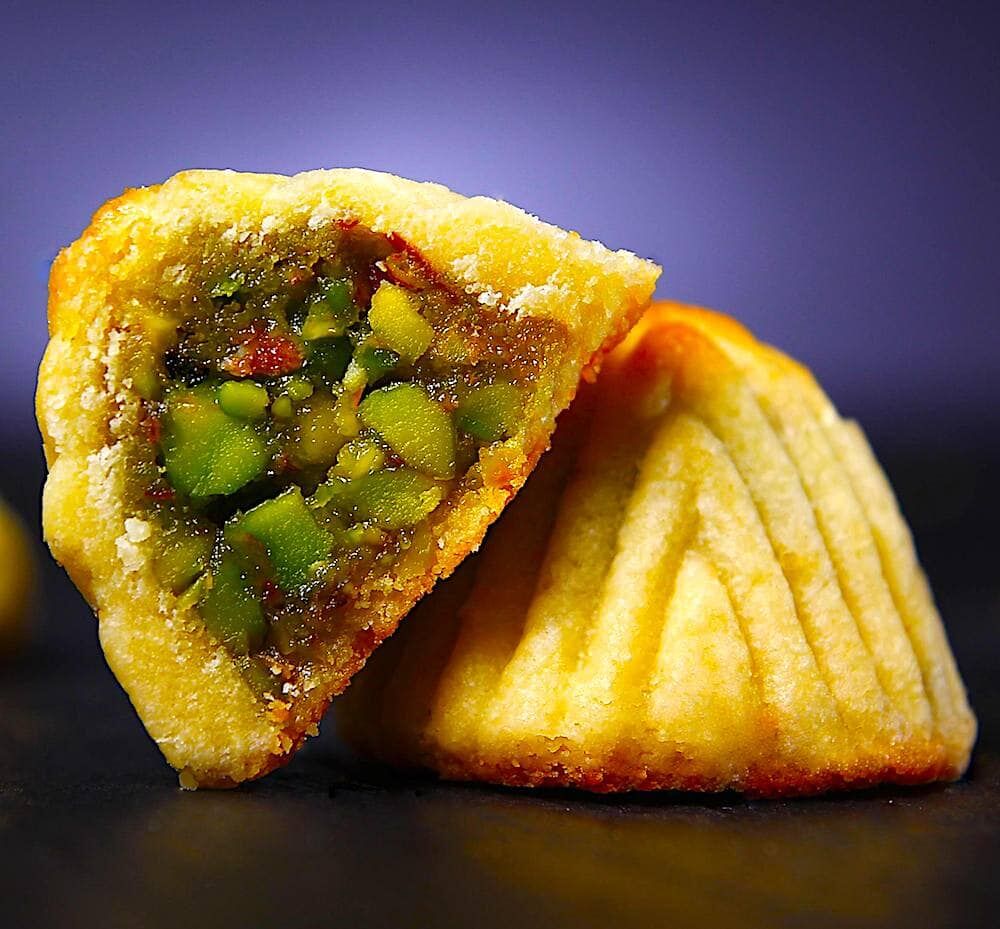
The traditional art of maamoul production has undergone a remarkable transformation in recent years, with commercial bakeries and food manufacturers increasingly turning to automated solutions. A maamoul making machine represents the perfect fusion of time-honored Middle Eastern confectionery traditions and modern manufacturing efficiency. These specialized pieces of equipment have revolutionized how businesses approach the production of these beloved filled cookies, offering unprecedented consistency, speed, and quality control in commercial baking operations.
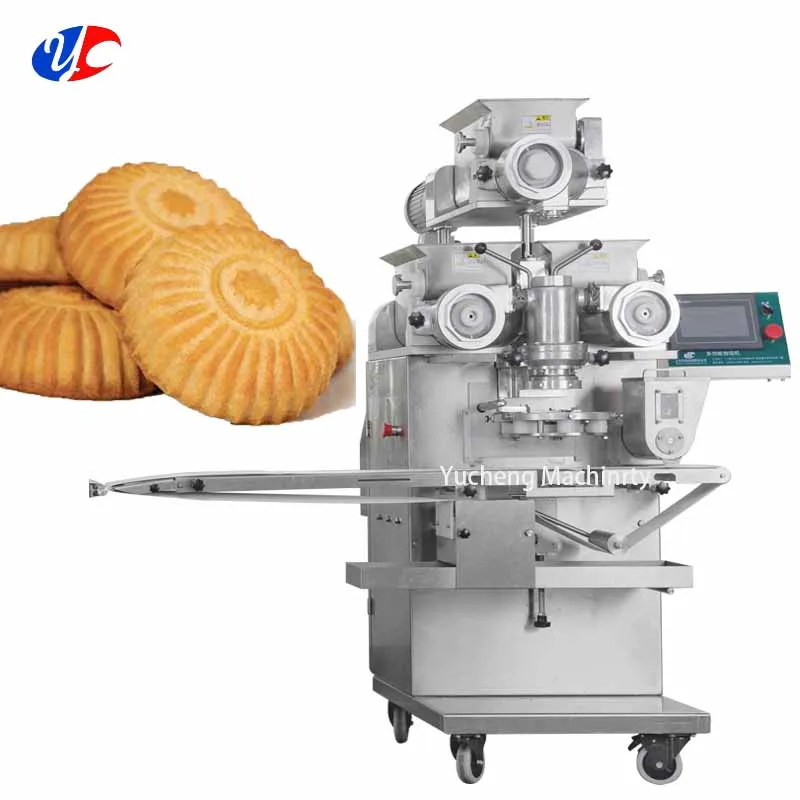
Modern food production facilities face unique challenges when scaling traditional recipes to meet commercial demands. The delicate balance of achieving authentic taste profiles while maintaining production efficiency requires careful consideration of equipment selection. Understanding the technological capabilities and operational requirements of today's maamoul making machine options becomes crucial for businesses seeking to maintain competitive advantages in the growing Middle Eastern sweets market segment.
Industry experts predict significant growth in automated confectionery equipment adoption throughout 2025, driven by increasing consumer demand for authentic Middle Eastern sweets and the need for consistent product quality. The selection process for the appropriate maamoul making machine involves evaluating multiple technical specifications, production capacity requirements, and long-term operational considerations that directly impact profitability and product quality standards.
Understanding Modern Maamoul Production Technology
Evolution of Automated Maamoul Manufacturing
The progression from manual maamoul production to automated systems represents a significant leap in food manufacturing technology. Traditional methods required skilled artisans to hand-form each cookie, ensuring proper filling distribution and achieving the characteristic ridged patterns that define authentic maamoul appearance. Contemporary maamoul making machine designs incorporate precision engineering to replicate these artisanal techniques while dramatically increasing production volumes.
Advanced servo motor systems and programmable logic controllers enable modern equipment to maintain consistent dough thickness, filling ratios, and shaping patterns across thousands of units per hour. These technological innovations ensure that every maamoul maintains the authentic texture and appearance that consumers expect, regardless of production scale. The integration of touchscreen interfaces and recipe memory functions allows operators to quickly switch between different maamoul varieties without compromising production efficiency.
Precision dosing systems within contemporary maamoul making machine configurations ensure accurate filling placement and portion control. These mechanisms utilize pneumatic or hydraulic actuators to deliver exact quantities of date paste, nuts, or other traditional fillings while maintaining the delicate balance between dough and filling components. Such accuracy prevents product waste and ensures consistent nutritional profiles across all manufactured units.
Technical Specifications and Performance Metrics
Production capacity represents the primary technical consideration when evaluating maamoul making machine options for commercial applications. Entry-level systems typically process between 1,000 to 3,000 pieces per hour, while industrial-grade equipment can achieve outputs exceeding 10,000 units hourly. These capacity variations directly correlate with motor power ratings, conveyor speeds, and the number of simultaneous forming stations integrated into the equipment design.
Temperature control systems play a crucial role in maintaining optimal dough consistency throughout the production process. Advanced maamoul making machine models incorporate multiple heating zones with independent temperature regulation, ensuring that semolina-based doughs maintain proper plasticity for effective shaping and filling encapsulation. Precise temperature management prevents dough cracking and ensures smooth surface finishes on completed products.
Energy efficiency considerations have become increasingly important in equipment selection decisions, particularly as utility costs continue rising globally. Modern maamoul making machine designs incorporate variable frequency drives, efficient heating elements, and optimized mechanical systems that reduce overall power consumption while maintaining high production standards. These efficiency improvements translate directly into reduced operational costs and improved profit margins for commercial baking operations.
Key Selection Criteria for Commercial Operations
Production Capacity and Scalability Requirements
Determining appropriate production capacity requires careful analysis of current market demand, projected growth patterns, and seasonal fluctuations in maamoul consumption. Many Middle Eastern sweets experience significant demand spikes during religious holidays and cultural celebrations, requiring equipment that can accommodate these periodic increases without compromising product quality. A properly sized maamoul making machine should handle peak demand periods while operating efficiently during standard production cycles.
Scalability considerations extend beyond initial capacity requirements to include future expansion possibilities and equipment upgrade pathways. Modular system designs allow businesses to add additional forming stations, extend conveyor systems, or integrate supplementary processing equipment as production demands grow. This approach provides cost-effective scaling solutions without requiring complete equipment replacement as business operations expand.
Labor efficiency represents another critical factor in capacity planning, as automated maamoul making machine systems can significantly reduce staffing requirements compared to manual production methods. Typical automated systems require only one or two operators to monitor multiple production lines, whereas traditional methods might require five to ten skilled workers to achieve similar output levels. These labor savings contribute substantially to long-term operational cost reductions.
Quality Control and Consistency Standards
Maintaining consistent product quality across large production volumes requires sophisticated monitoring and control systems integrated into modern maamoul making machine designs. Vision inspection systems can detect irregularities in shape, size, or surface appearance, automatically rejecting substandard products before packaging. These quality control measures ensure that every maamoul meets established standards for weight, dimensions, and visual appeal.
Filling distribution accuracy directly impacts product quality and customer satisfaction, making precise dosing systems essential components of professional maamoul making machine configurations. Advanced equipment incorporates servo-controlled dispensing mechanisms that deliver exact filling quantities while preventing overflow or insufficient filling issues. Consistent filling ratios ensure uniform taste profiles and nutritional content across all produced units.
Texture consistency represents another crucial quality parameter that distinguishes professional-grade maamoul making machine systems from basic equipment options. Proper dough handling mechanisms maintain optimal gluten development and moisture levels throughout the forming process, resulting in the characteristic tender yet structured texture that defines premium maamoul products. Temperature-controlled mixing and forming environments prevent texture variations caused by environmental factors.
Economic Considerations and Investment Analysis
Initial Capital Investment and Financing Options
The financial investment required for a professional-grade maamoul making machine varies significantly based on production capacity, automation level, and integrated features. Entry-level systems suitable for small bakeries typically range from $15,000 to $40,000, while high-capacity industrial equipment can exceed $100,000 depending on customization requirements and additional processing modules. These initial costs must be evaluated against projected production volumes and expected return on investment timelines.
Equipment financing options have evolved to accommodate the specific needs of food manufacturing businesses, with many suppliers offering lease-to-own programs, equipment loans, and flexible payment schedules. These financing solutions allow businesses to acquire advanced maamoul making machine technology without depleting working capital reserves or compromising other operational investments. Careful evaluation of financing terms ensures that equipment payments align with projected cash flow patterns.
Total cost of ownership calculations must include maintenance expenses, spare parts availability, operator training requirements, and utility consumption in addition to initial purchase prices. A comprehensive financial analysis considers these ongoing operational costs over the expected equipment lifespan, typically ranging from ten to fifteen years for well-maintained commercial maamoul making machine systems. This holistic approach ensures accurate profitability projections and informed investment decisions.
Return on Investment and Profitability Projections
Calculating return on investment for maamoul making machine acquisitions requires detailed analysis of production cost savings, increased output capacity, and improved product consistency benefits. Automated systems typically reduce labor costs by 60-70% compared to manual production methods while increasing output volumes by 300-500%. These operational improvements generate substantial cost savings that contribute directly to enhanced profitability margins.
Market pricing advantages achieved through consistent product quality and reduced production costs enable businesses to compete more effectively in the growing Middle Eastern sweets market. Professional maamoul making machine systems produce uniform products that command premium pricing while maintaining competitive manufacturing costs. This combination of quality consistency and cost efficiency creates sustainable competitive advantages in increasingly crowded market segments.
Revenue growth potential extends beyond direct production cost savings to include expanded market opportunities and product line diversification possibilities. Many maamoul making machine systems offer versatility to produce related filled cookie products, allowing businesses to diversify their offerings and capture additional market segments. This flexibility maximizes equipment utilization rates and accelerates return on investment timelines through increased revenue streams.
Technical Features and Innovation Trends
Advanced Automation and Control Systems
Contemporary maamoul making machine designs incorporate sophisticated programmable logic controllers that manage every aspect of the production process with remarkable precision. These systems monitor dough consistency, filling distribution, forming pressure, and conveyor speeds while automatically adjusting parameters to maintain optimal product quality. Touch-screen interfaces provide intuitive operator controls and real-time production monitoring capabilities that enhance operational efficiency.
Recipe memory functions allow operators to store multiple maamoul formulations and quickly switch between different products without manual recalibration. This capability proves particularly valuable for businesses producing various maamoul types with different filling ingredients, sizes, or decorative patterns. Automated changeover procedures minimize downtime between product runs and reduce the potential for operator errors during setup procedures.
Remote monitoring capabilities represent emerging trends in maamoul making machine technology, enabling facility managers to track production statistics, equipment performance, and maintenance requirements from mobile devices or central control stations. These connectivity features facilitate predictive maintenance scheduling, production optimization, and quality control monitoring across multiple production lines or facility locations.
Hygiene and Food Safety Innovations
Food safety compliance represents a critical consideration in modern maamoul making machine design, with manufacturers incorporating features that exceed HACCP and FDA requirements for commercial food production equipment. Stainless steel construction throughout food contact surfaces prevents contamination while facilitating thorough cleaning and sanitization procedures. Smooth surface finishes eliminate potential bacterial harboring points and ensure compliance with stringent food safety regulations.
Automated cleaning systems integrated into advanced maamoul making machine configurations reduce manual cleaning time while ensuring consistent sanitization effectiveness. Clean-in-place systems circulate cleaning solutions through internal pathways, eliminating the need for equipment disassembly during routine maintenance cycles. These features minimize production downtime while maintaining the highest food safety standards required for commercial operations.
Contamination prevention measures include enclosed processing chambers, positive air pressure systems, and filtered air supplies that protect product integrity throughout the manufacturing process. These environmental controls prevent foreign material introduction while maintaining optimal temperature and humidity conditions for consistent maamoul production quality. Advanced filtration systems remove airborne particles and maintain sterile processing environments.
Maintenance and Operational Requirements
Preventive Maintenance Protocols
Establishing comprehensive preventive maintenance schedules ensures optimal performance and extends operational lifespan for maamoul making machine systems. Daily maintenance tasks include cleaning food contact surfaces, lubricating moving components, and inspecting wear parts for signs of deterioration. Weekly procedures involve more thorough cleaning protocols, calibration checks, and replacement of consumable components such as cutting blades or forming dies.
Monthly maintenance requirements typically include comprehensive mechanical inspections, electrical system testing, and software updates to ensure continued optimal performance. Professional technicians should perform quarterly assessments of critical components, motor alignments, and safety system functionality to prevent unexpected breakdowns and maintain production continuity. These scheduled maintenance activities prevent costly emergency repairs and extend equipment service life significantly.
Spare parts inventory management represents an essential aspect of effective maamoul making machine maintenance programs. Critical components such as forming dies, cutting blades, pneumatic seals, and electronic sensors should be maintained in stock to minimize downtime during routine maintenance or unexpected repairs. Establishing relationships with reliable parts suppliers ensures rapid component availability when replacement needs arise.
Operator Training and Safety Considerations
Comprehensive operator training programs ensure safe and efficient maamoul making machine operation while maximizing production quality and equipment longevity. Initial training should cover equipment startup and shutdown procedures, recipe programming, quality control monitoring, and basic troubleshooting techniques. Ongoing education programs keep operators informed about new features, optimization techniques, and safety protocol updates.
Safety features integrated into modern maamoul making machine designs include emergency stop systems, safety guards around moving components, and lockout/tagout procedures for maintenance activities. Operator training emphasizes proper use of personal protective equipment, awareness of potential hazards, and immediate response procedures for emergency situations. Regular safety refresher training reinforces proper procedures and identifies potential improvement areas.
Documentation requirements include maintaining operation logs, production records, and maintenance histories that demonstrate compliance with food safety regulations and quality management systems. Proper record-keeping facilitates troubleshooting efforts, supports warranty claims, and provides valuable data for production optimization initiatives. Digital documentation systems simplify record management while ensuring accurate historical data preservation.
Market Trends and Future Developments
Industry Growth Projections and Opportunities
The global market for specialized confectionery equipment, including maamoul making machine systems, continues expanding as demand for authentic Middle Eastern sweets grows worldwide. Population demographics, increased cultural awareness, and growing acceptance of diverse culinary traditions drive sustained market growth in North America, Europe, and Asia-Pacific regions. This expansion creates significant opportunities for businesses investing in advanced production capabilities.
E-commerce platforms and direct-to-consumer sales channels provide new distribution opportunities for maamoul producers equipped with efficient manufacturing capabilities. Online marketplaces enable small and medium-sized businesses to reach global customer bases previously accessible only to large-scale manufacturers. Automated maamoul making machine systems provide the production consistency and capacity needed to fulfill online orders efficiently while maintaining product quality standards.
Export opportunities continue expanding as international appreciation for Middle Eastern cuisine grows, particularly in markets with limited local production capabilities. Businesses equipped with modern maamoul making machine technology can capitalize on these opportunities by producing high-quality products that meet international shipping requirements and regulatory standards. Advanced packaging integration capabilities support extended shelf life requirements for international distribution.
Technological Advancements and Innovation Directions
Artificial intelligence integration represents the next frontier in maamoul making machine development, with manufacturers exploring machine learning algorithms for predictive maintenance, quality optimization, and production efficiency improvements. These systems analyze historical production data to identify patterns and recommend operational adjustments that enhance product quality while reducing waste and energy consumption.
Sustainability considerations drive innovation in energy-efficient designs, waste reduction systems, and environmentally responsible manufacturing practices. Next-generation maamoul making machine systems incorporate heat recovery systems, optimized power management, and recyclable component designs that reduce environmental impact while maintaining production efficiency. These features align with growing corporate sustainability initiatives and regulatory requirements.
Customization capabilities continue advancing through modular system designs and flexible programming options that accommodate diverse product variations and specialized market requirements. Future maamoul making machine systems will offer enhanced adaptability for producing regional variations, specialty dietary formulations, and innovative flavor combinations while maintaining the authentic characteristics that define traditional maamoul products.
FAQ
What production capacity should I expect from a commercial maamoul making machine?
Commercial maamoul making machine systems typically produce between 1,000 to 10,000+ pieces per hour depending on the equipment size and configuration. Entry-level machines suitable for small bakeries generally achieve 1,000-3,000 pieces hourly, while industrial-grade systems can exceed 10,000 units per hour. Capacity selection should align with your current demand plus projected growth over the next 3-5 years to ensure adequate production capability without over-investing in unnecessary capacity.
How much maintenance does a maamoul making machine require?
Regular maintenance for a maamoul making machine includes daily cleaning and lubrication tasks requiring 30-60 minutes, weekly deep cleaning and inspection procedures taking 2-3 hours, and monthly comprehensive maintenance requiring 4-6 hours with qualified technicians. Most manufacturers recommend quarterly professional service inspections to maintain warranty coverage and prevent unexpected breakdowns. Proper maintenance extends equipment life to 10-15 years while ensuring consistent product quality and production efficiency.
What factors determine the total cost of ownership for maamoul production equipment?
Total cost of ownership includes initial equipment purchase price, installation and setup expenses, operator training costs, ongoing maintenance and spare parts, utility consumption, and potential financing charges over the equipment lifespan. Labor cost savings from automation typically offset equipment expenses within 18-36 months, while improved production efficiency and product consistency provide additional value. Energy-efficient models reduce utility costs significantly over time, making them more economical despite higher initial investments.
Can modern maamoul making machines produce different cookie varieties?
Yes, most contemporary maamoul making machine systems offer versatility to produce various filled cookie products including different maamoul sizes, alternative fillings like nuts or chocolate, and related Middle Eastern sweets such as klecha or qrashel. Quick-change tooling systems and programmable recipes allow rapid product changeovers typically within 15-30 minutes. This flexibility maximizes equipment utilization and enables businesses to diversify their product offerings to capture broader market segments throughout the year.


