 EN
EN

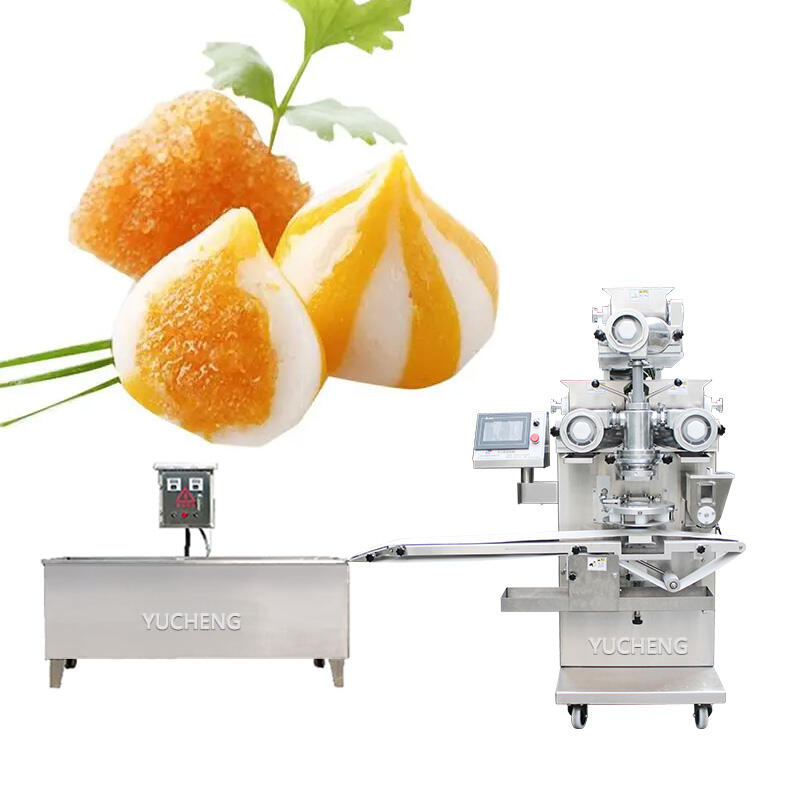
Commercial food production has revolutionized how restaurants and food manufacturers create consistent, high-quality products at scale. The fishball machine represents a pinnacle of engineering efficiency in automated food processing, transforming traditional manual methods into streamlined operations that deliver remarkable productivity gains. Modern commercial kitchens rely heavily on specialized equipment to meet growing consumer demand while maintaining strict quality standards and cost-effectiveness.
The efficiency of these sophisticated machines stems from multiple technological innovations working in harmony. Advanced mixing mechanisms ensure optimal ingredient distribution, while precision forming systems create uniform products consistently. Temperature control features maintain ideal processing conditions, and automated timing systems eliminate human error variables that traditionally affected production quality and speed.
Understanding the technical aspects that drive efficiency helps food service operators make informed decisions about equipment investments. The combination of mechanical precision, intelligent automation, and robust construction materials creates a comprehensive solution for high-volume fishball production needs across various commercial applications.
Advanced Mixing Technology
Multi-Stage Mixing Systems
Professional fishball machine designs incorporate sophisticated multi-stage mixing systems that ensure thorough ingredient integration. These systems utilize rotating paddles and specialized mixing chambers that create optimal shear forces for protein development. The controlled mixing action prevents over-processing while achieving the desired texture consistency that defines quality fishballs.
Variable speed controls allow operators to adjust mixing intensity based on different recipe requirements. This flexibility accommodates various protein types, from traditional fish varieties to alternative proteins, ensuring consistent results regardless of ingredient variations. The precision timing mechanisms prevent undermixing or overmixing, both of which can compromise final product quality.
Temperature Management During Mixing
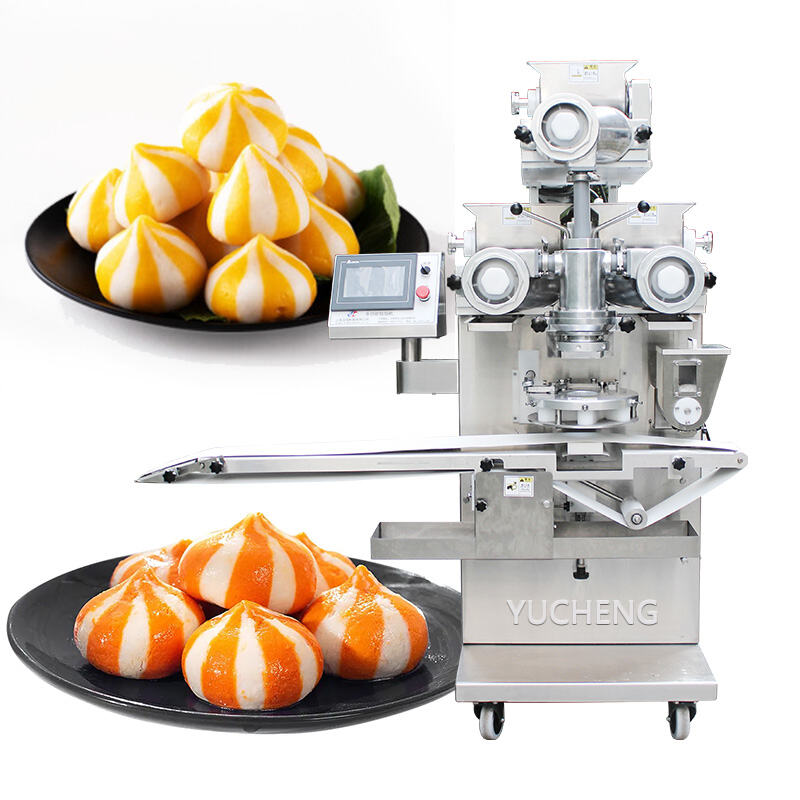
Efficient temperature control during the mixing phase prevents protein denaturation and maintains optimal binding properties. Advanced fishball machine models feature cooling jackets and temperature sensors that monitor mixing chamber conditions continuously. This thermal management ensures ingredients remain within ideal temperature ranges throughout processing.
The cooling systems prevent friction-generated heat from affecting protein structure integrity. Consistent temperature maintenance results in superior texture development and improved binding characteristics. These thermal controls also extend equipment lifespan by reducing mechanical stress on moving components during extended operation periods.
Precision Forming Mechanisms
Automated Portioning Systems
Modern forming systems in commercial fishball machines utilize precise portioning mechanisms that ensure consistent product sizes. These systems employ calibrated measuring chambers and positive displacement pumps that deliver exact amounts of mixture for each fishball. The accuracy eliminates waste and ensures uniform cooking times across entire production batches.
Adjustable portion controls accommodate different product sizes based on market requirements or specific customer preferences. The mechanical precision reduces labor costs while increasing production speeds significantly compared to manual forming methods. Consistent sizing also improves packaging efficiency and enhances customer satisfaction through product uniformity.
High-Speed Formation Processes
The forming speed capabilities of professional fishball machines dramatically exceed manual production rates. Optimized cam systems and pneumatic actuators enable rapid cycling between forming operations. These high-speed mechanisms maintain formation quality while achieving impressive throughput rates that support large-scale commercial operations.
Synchronized timing controls coordinate multiple forming stations to maximize productivity without compromising individual product quality. The fishball machine designs incorporate quick-change tooling systems that allow rapid transitions between different product specifications without extensive downtime.
Energy Efficiency Features
Optimized Power Consumption
Contemporary fishball machine engineering prioritizes energy efficiency through intelligent motor control systems and optimized mechanical designs. Variable frequency drives adjust motor speeds based on actual processing requirements, reducing unnecessary power consumption during lighter production periods. These smart controls contribute to significant operational cost savings over extended periods.
Efficient gear ratios and precision bearings minimize mechanical losses within the drive systems. The engineering approach focuses on maximizing output while minimizing energy input requirements. Heat recovery systems capture waste thermal energy for secondary applications, further improving overall energy utilization efficiency.
Reduced Operating Costs
The comprehensive efficiency features of modern fishball machine designs directly translate to reduced operating expenses. Lower energy consumption, decreased labor requirements, and improved raw material utilization create substantial cost advantages for commercial operators. These savings accumulate significantly over typical equipment lifecycles.
Predictive maintenance systems monitor equipment conditions continuously, preventing costly unplanned downtime and extending component service lives. The integrated monitoring capabilities provide early warning indicators that allow scheduled maintenance during planned production breaks rather than emergency repairs during peak operating periods.
Quality Control Integration
Consistent Product Standards
Built-in quality control mechanisms ensure every fishball meets established standards for size, weight, and texture consistency. Automated inspection systems detect variations and make real-time adjustments to maintain product specifications. These quality assurance features eliminate the variability associated with manual production methods.
Statistical process control capabilities track production metrics and identify trends that might indicate equipment adjustments or maintenance requirements. The data collection systems provide valuable insights for continuous process improvement and help operators optimize production parameters for specific product formulations.
Traceability and Documentation
Modern fishball machine systems incorporate comprehensive documentation capabilities that support food safety requirements and quality management protocols. Automated logging systems record processing parameters, production quantities, and timing information for complete batch traceability. These records support regulatory compliance and facilitate quality investigations when necessary.
Integration with enterprise resource planning systems enables seamless data flow between production equipment and business management systems. This connectivity supports inventory management, production scheduling, and quality assurance documentation requirements essential for commercial food operations.
Maintenance and Durability Advantages
Simplified Cleaning Procedures
Sanitary design principles guide fishball machine construction to facilitate efficient cleaning and maintenance procedures. Smooth surfaces, accessible components, and quick-disconnect fittings enable thorough sanitization between production runs. These design features support strict food safety requirements while minimizing cleaning labor and downtime.
Automated cleaning systems in advanced models provide consistent sanitization without manual intervention. The cleaning cycles utilize optimized spray patterns, chemical concentrations, and timing sequences to ensure complete contamination removal. These automated features reduce labor costs and improve cleaning consistency compared to manual procedures.
Long-Term Reliability
Robust construction materials and precision manufacturing techniques ensure fishball machine reliability under demanding commercial operating conditions. Stainless steel components resist corrosion and wear, while precision machining tolerances maintain operational accuracy over extended service periods. The engineering approach prioritizes longevity and consistent performance.
Preventive maintenance programs supported by equipment monitoring systems extend operational lifecycles and maintain peak efficiency levels. Component wear tracking and predictive replacement scheduling minimize unexpected failures and maintain production reliability. These maintenance approaches protect equipment investments and ensure consistent operational availability.
Production Scalability Benefits
Flexible Capacity Options
Commercial fishball machine designs accommodate varying production volume requirements through modular configurations and adjustable operating parameters. Operators can scale production capacity up or down based on demand fluctuations without compromising efficiency or quality standards. This flexibility supports business growth and seasonal demand variations.
Multiple machine configurations enable customized production lines that match specific operational requirements and space constraints. The modular approach allows incremental capacity additions as business needs expand. These scalability options provide investment protection and operational flexibility for growing food service operations.
Integration with Existing Systems
Modern fishball machine systems integrate seamlessly with existing production lines and facility infrastructure. Standardized interfaces and communication protocols enable coordination with upstream and downstream equipment. This integration capability maximizes overall line efficiency and supports comprehensive production automation strategies.
The compatibility with existing quality management and production control systems eliminates the need for extensive facility modifications. Integration capabilities support lean manufacturing principles and enable optimized workflow designs that minimize material handling and processing delays throughout production sequences.
FAQ
How much maintenance does a commercial fishball machine require
Commercial fishball machine maintenance requirements are typically minimal due to robust construction and quality components. Daily cleaning and basic inspections take approximately 30 minutes, while weekly lubrication and adjustment checks require about one hour. Monthly detailed maintenance procedures include component inspections and calibration verification. Most manufacturers recommend annual professional service visits to ensure optimal performance and extend equipment lifespan significantly.
What production capacity can be expected from modern fishball machines
Production capacity varies significantly based on fishball machine model specifications and product requirements. Entry-level commercial units typically produce 200-500 fishballs per hour, while high-capacity systems can achieve 2000-5000 pieces hourly. Factors affecting throughput include product size, mixture consistency, and operator skill levels. Most commercial operations find that automated systems increase production rates by 300-500% compared to manual forming methods.
Are fishball machines suitable for different protein types beyond traditional fish
Modern fishball machine designs accommodate various protein sources including poultry, pork, beef, and plant-based alternatives. Adjustable mixing parameters and forming settings enable optimization for different protein characteristics and binding properties. Many operators successfully produce chicken balls, pork balls, and vegetarian alternatives using the same equipment. Recipe modifications and processing parameter adjustments ensure consistent quality across different protein formulations.
What training is required for fishball machine operators
Operator training for commercial fishball machine systems typically requires 2-3 days of comprehensive instruction covering safety procedures, operation controls, cleaning protocols, and basic troubleshooting. Most manufacturers provide detailed training programs including hands-on practice sessions and documentation resources. Ongoing training focuses on recipe optimization, quality control procedures, and preventive maintenance tasks. Experienced operators can usually master advanced features and optimization techniques within the first month of regular operation.


