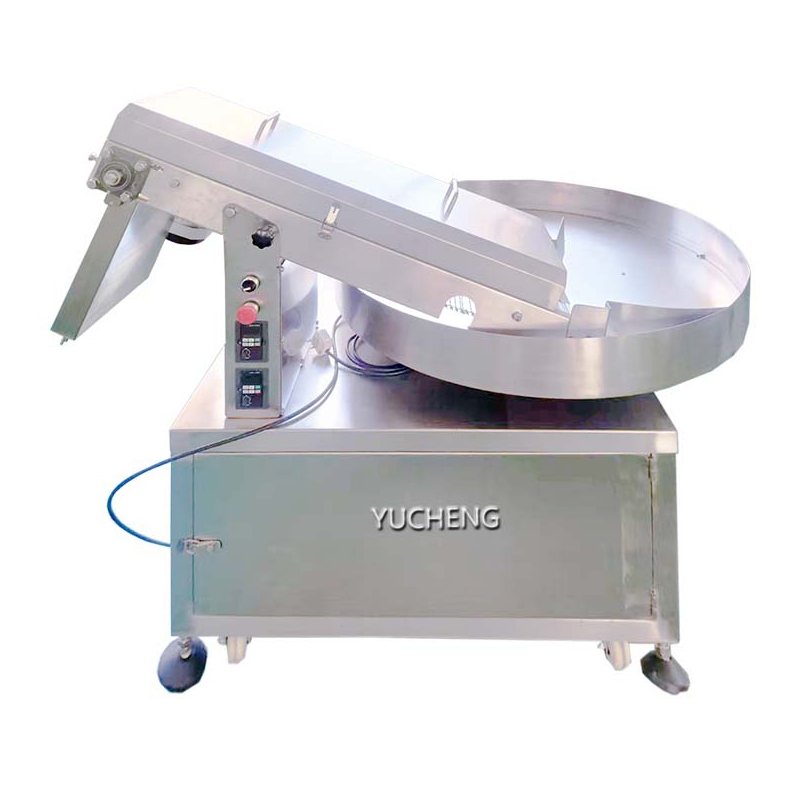
Advanced Food Production Line Equipment - Automated Solutions for Modern Manufacturing

Get a Free Quote

Our representative will contact you soon.
Email
Name
Company Name
Message
0/1000

food production line equipment

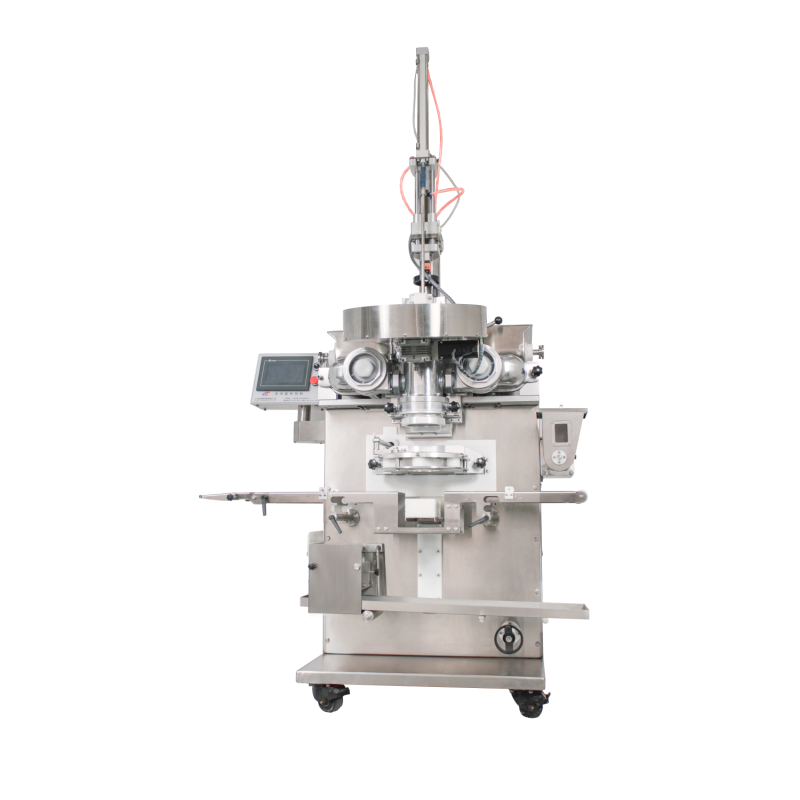
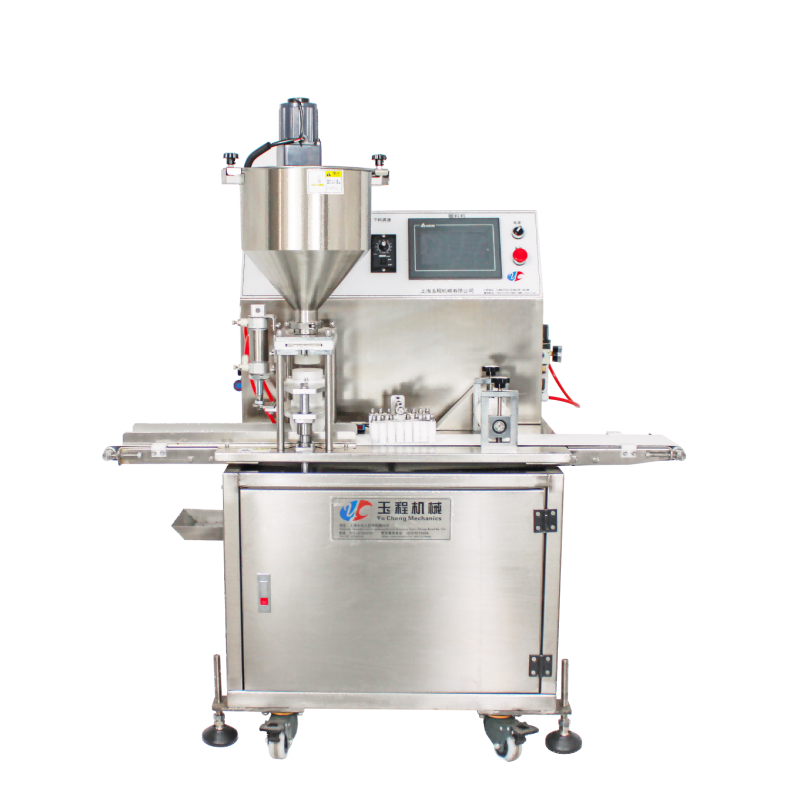
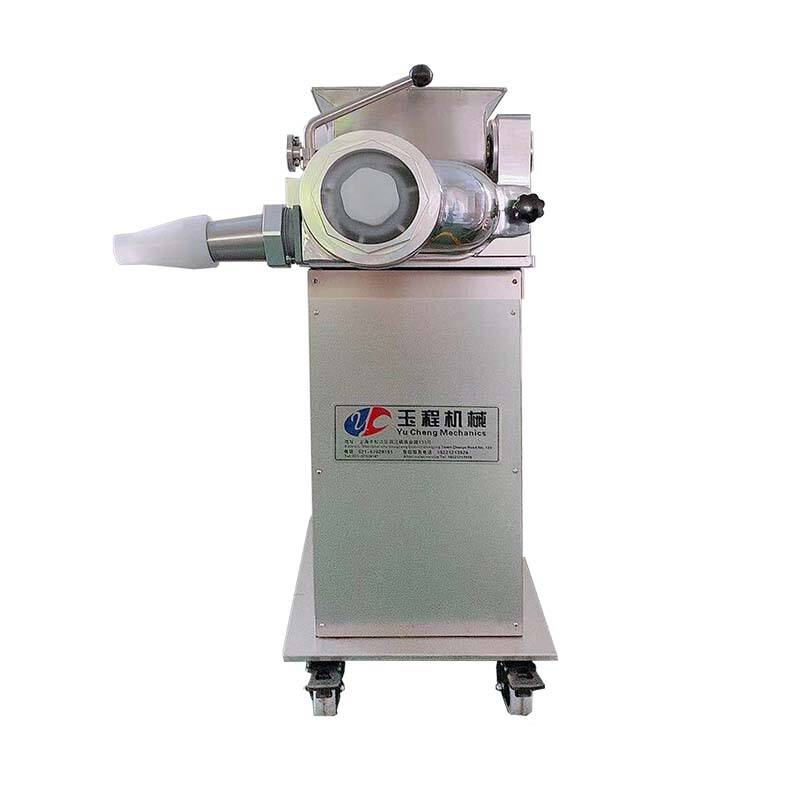
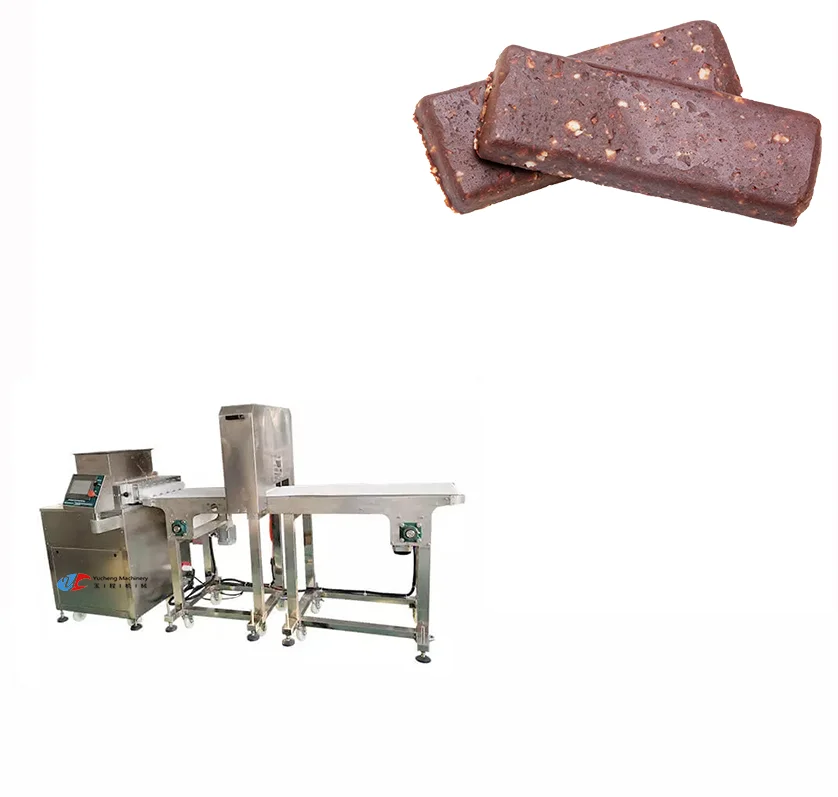
Food production line equipment represents the backbone of modern food manufacturing, encompassing a comprehensive array of machinery designed to transform raw ingredients into finished food products efficiently and safely. This sophisticated equipment integrates multiple processing stages, including preparation, cooking, packaging, and quality control systems that work seamlessly together to deliver consistent results. The primary functions of food production line equipment involve automating critical processes such as mixing, blending, heating, cooling, forming, cutting, and sealing operations that would otherwise require extensive manual labor. Advanced food production line equipment incorporates cutting-edge technology featuring programmable logic controllers, touch-screen interfaces, and real-time monitoring systems that enable precise control over temperature, timing, and ingredient proportions. These technological features ensure optimal product quality while maintaining strict food safety standards throughout the manufacturing process. The equipment typically includes conveyor systems, processing machines, inspection devices, and packaging apparatus that collaborate to create a streamlined workflow from raw materials to finished goods. Applications for food production line equipment span across diverse sectors including bakery operations, dairy processing, meat and poultry handling, beverage manufacturing, snack food production, and frozen food preparation. Modern food production line equipment also incorporates sanitary design principles with stainless steel construction, easy-clean surfaces, and CIP cleaning systems that facilitate thorough sanitization between production runs. Energy efficiency features such as heat recovery systems, variable speed drives, and optimized process controls help reduce operational costs while minimizing environmental impact. The scalability of food production line equipment allows manufacturers to adjust production capacity according to market demands, making it suitable for both small-scale operations and large industrial facilities seeking to enhance their manufacturing capabilities and maintain competitive advantages in the global marketplace.

New Product Recommendations

Food production line equipment delivers remarkable efficiency gains that transform manufacturing operations by reducing processing times and increasing output capacity significantly compared to traditional manual methods. This equipment enables manufacturers to process larger volumes of food products consistently while maintaining uniform quality standards across every batch produced. The automated nature of food production line equipment eliminates human error risks associated with manual handling, ensuring precise measurements, accurate timing, and consistent application of processing parameters that directly impact product quality and safety. Cost savings represent another major advantage as food production line equipment reduces labor requirements, minimizes ingredient waste through precise portion control, and decreases energy consumption through optimized processing cycles. The enhanced food safety features built into modern food production line equipment include automated temperature monitoring, contamination prevention systems, and traceability capabilities that help manufacturers comply with stringent regulatory requirements while protecting consumer health. Flexibility benefits allow operators to quickly switch between different product formulations and packaging formats using programmable settings that store multiple recipes and processing parameters for easy recall. This adaptability enables manufacturers to respond rapidly to changing market demands and introduce new products without significant downtime or equipment modifications. The reliability of food production line equipment ensures consistent operation with minimal maintenance requirements, reducing unexpected breakdowns that could disrupt production schedules and impact delivery commitments to customers. Quality control advantages include integrated inspection systems that automatically detect defects, foreign objects, and packaging irregularities, removing problematic products before they reach consumers and protecting brand reputation. The data collection capabilities of modern food production line equipment provide valuable insights into production efficiency, equipment performance, and product quality trends that enable continuous improvement initiatives. Sustainability benefits include reduced water usage through closed-loop systems, lower energy consumption via efficient motors and heat recovery, and decreased packaging waste through precise filling and sealing operations. The scalable design of food production line equipment allows businesses to expand their production capacity gradually as market demand grows, providing a cost-effective growth strategy that maximizes return on investment while maintaining operational flexibility for future expansion opportunities.

Tips And Tricks

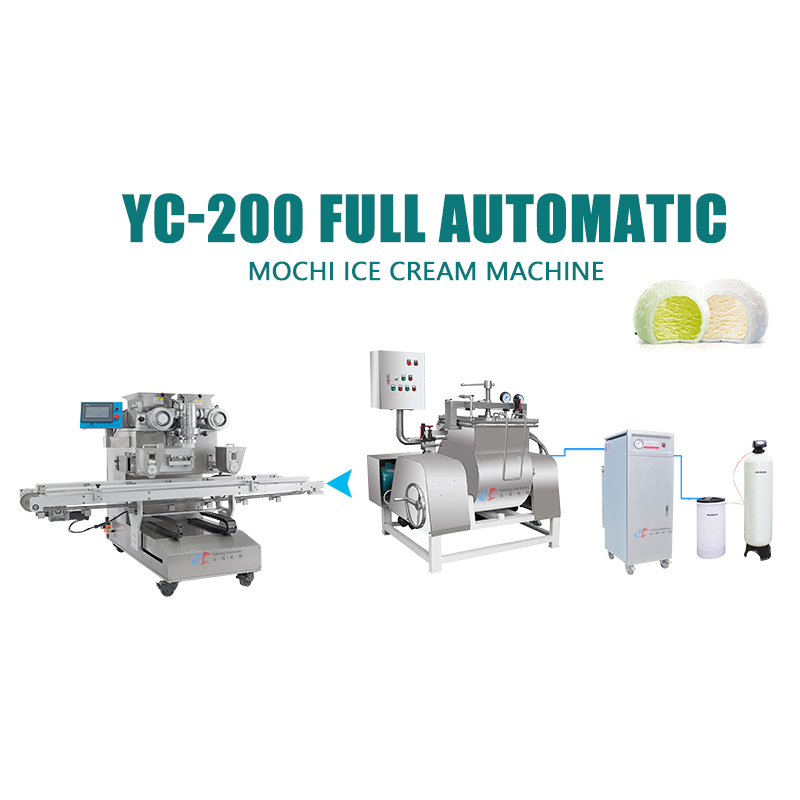
How does a mochi ice cream machine work in 2025?

23

Dec

How does a mochi ice cream machine work in 2025?

The modern mochi ice cream machine has revolutionized dessert production in commercial kitchens worldwide, transforming a traditionally labor-intensive process into an efficient automated system. These sophisticated machines combine precision enginee...
View More
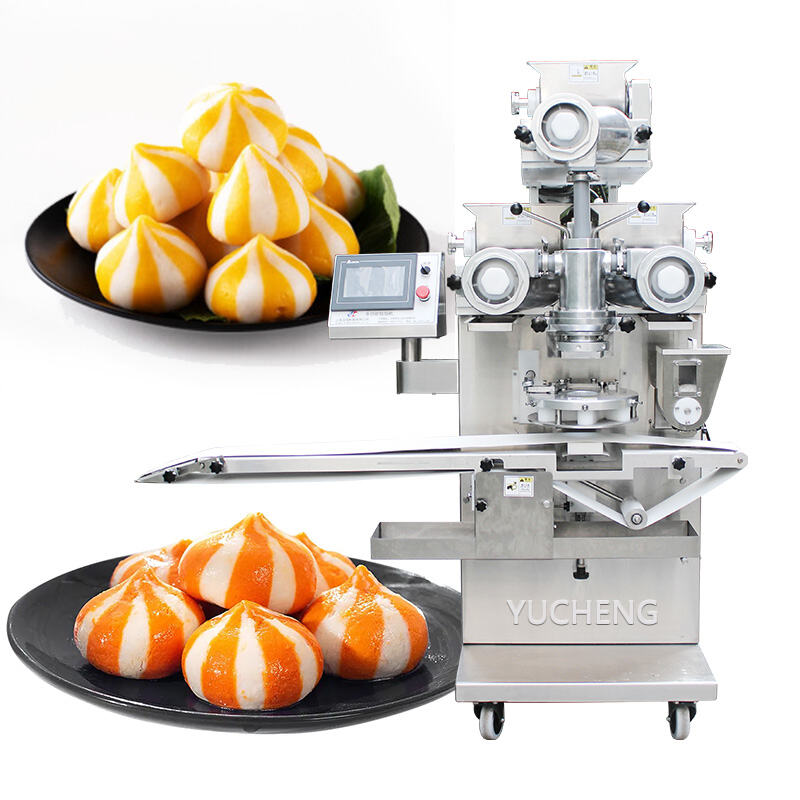
How to Choose the Right Fishball Machine for Your Kitchen?

23

Dec

How to Choose the Right Fishball Machine for Your Kitchen?

Commercial food production demands precision, efficiency, and consistency when creating popular items like fishballs. A high-quality fishball machine transforms raw fish ingredients into perfectly shaped, uniform products that meet consumer expectati...
View More
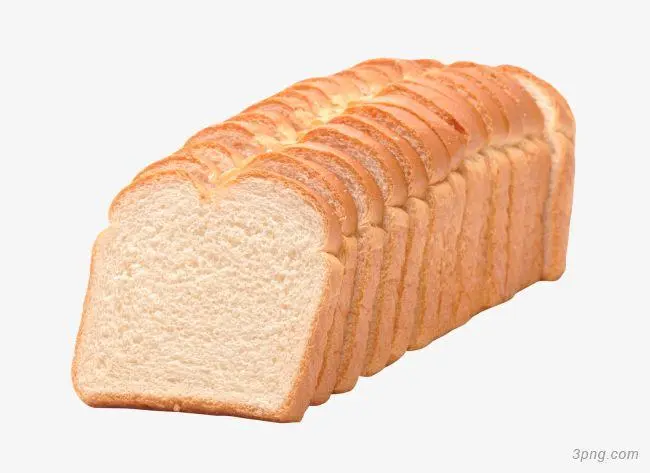
Why choose a bread making machine over hand baking?

21

Jan

Why choose a bread making machine over hand baking?

The art of bread making has evolved significantly with modern technology, leading many bakers to reconsider traditional hand baking methods. A bread making machine offers unprecedented convenience and consistency that appeals to both commercial baker...
View More
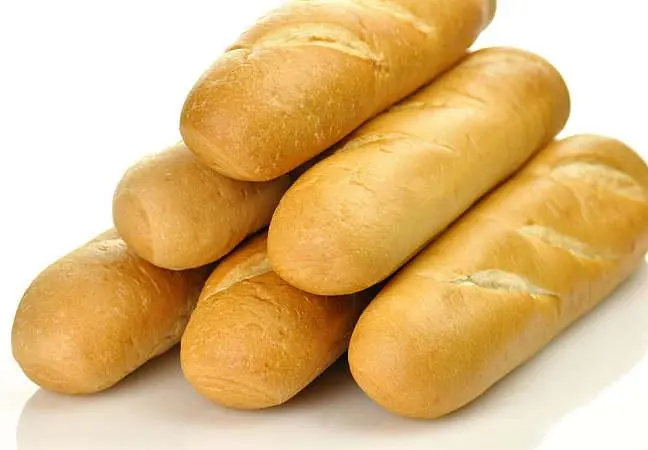
When should you buy a bread making machine in 2025?

21

Jan

When should you buy a bread making machine in 2025?

The bread making industry continues to evolve rapidly, and 2025 presents unique opportunities for businesses and commercial operations to invest in advanced bread making machine technology. Understanding the optimal timing for acquiring a bread makin...
View More

Get a Free Quote

Our representative will contact you soon.
Email
Name
Company Name
Message
0/1000

food production line equipment

Advanced Automation Technology for Precision Control

Advanced Automation Technology for Precision Control

The integration of advanced automation technology in food production line equipment revolutionizes manufacturing precision through sophisticated control systems that monitor and adjust processing parameters in real-time. This cutting-edge technology employs programmable logic controllers connected to multiple sensors throughout the production line, continuously measuring critical variables such as temperature, pressure, flow rates, and ingredient ratios to ensure optimal processing conditions. The human-machine interface features intuitive touch-screen displays that provide operators with comprehensive visibility into all system functions, allowing them to monitor production status, adjust settings, and receive immediate alerts about any deviations from established parameters. Recipe management capabilities enable manufacturers to store hundreds of different product formulations with precise ingredient specifications, processing times, and quality standards that can be recalled instantly when switching between production runs. The automated feedback control systems continuously compare actual performance against preset targets, making micro-adjustments to maintain consistent product quality even when external factors such as ambient temperature or ingredient variations might otherwise affect the final results. Safety interlocks and emergency stop systems provide multiple layers of protection for both operators and equipment, automatically shutting down operations if potentially hazardous conditions are detected. The data logging functionality records all critical processing parameters throughout each production cycle, creating comprehensive documentation that supports quality assurance programs and regulatory compliance requirements. Remote monitoring capabilities allow supervisors to oversee multiple production lines from centralized control rooms, optimizing resource allocation and enabling rapid response to any operational issues. The predictive maintenance features analyze equipment performance trends to identify potential problems before they cause unexpected downtime, scheduling maintenance activities during planned production breaks to minimize disruption. Integration with enterprise resource planning systems enables seamless coordination between production scheduling, inventory management, and quality control departments, ensuring optimal workflow throughout the entire manufacturing organization while maintaining the highest standards of food safety and product consistency.
Hygienic Design Standards for Maximum Food Safety

Hygienic Design Standards for Maximum Food Safety

Hygienic design principles form the cornerstone of modern food production line equipment, incorporating specialized features that prevent contamination while facilitating thorough cleaning and sanitization procedures essential for maintaining food safety standards. The sanitary construction utilizes high-grade stainless steel materials with smooth, non-porous surfaces that resist bacterial growth and withstand aggressive cleaning chemicals without degrading or harboring contaminants in microscopic crevices. All equipment joints, welds, and connections follow pharmaceutical-grade standards with continuous welds and rounded corners that eliminate areas where food particles or cleaning residues could accumulate, ensuring complete washability throughout every component. The sloped surfaces and strategic drain points direct all liquids toward collection areas, preventing standing water that could promote microbial growth and compromise product safety during subsequent production cycles. Clean-in-place systems integrate specialized spray nozzles, circulation pumps, and automated chemical dosing equipment that deliver precise cleaning solutions to every internal surface without requiring equipment disassembly, reducing contamination risks associated with manual cleaning procedures. The air handling systems incorporate HEPA filtration and positive pressure controls that prevent airborne contaminants from entering production areas, while specialized air curtains create barriers between different processing zones to minimize cross-contamination risks. Quick-release mechanisms and tool-free disassembly features enable rapid changeover between products with different allergen profiles, supporting thorough cleaning protocols that prevent cross-contact between incompatible ingredients. The temperature monitoring systems include strategically placed sensors that verify cleaning solution temperatures reach levels necessary for effective sanitization, while automated documentation systems record all critical control points to demonstrate compliance with HACCP requirements. Specialized gaskets and seals utilize FDA-approved materials that maintain integrity under extreme temperatures and chemical exposure while preventing ingress of contaminants into sealed processing chambers. The equipment design eliminates dead legs, hollow spaces, and other areas where cleaning solutions cannot reach effectively, ensuring that every surface contacted by food products can be thoroughly cleaned and sanitized between production runs to maintain the highest standards of food safety and regulatory compliance.
Flexible Production Capabilities for Market Responsiveness

Flexible Production Capabilities for Market Responsiveness

The exceptional flexibility of modern food production line equipment empowers manufacturers to adapt quickly to changing market demands through modular design concepts that enable rapid reconfiguration for different products, package sizes, and production volumes without extensive downtime or capital investment. This adaptability stems from intelligent engineering that incorporates interchangeable processing modules, adjustable conveyor systems, and programmable control parameters that can be modified to accommodate diverse product specifications ranging from liquid beverages to solid snack foods with minimal mechanical adjustments. The quick-change tooling systems enable operators to switch between different product formats within minutes rather than hours, utilizing standardized mounting interfaces and automated positioning mechanisms that ensure precise alignment and consistent performance across multiple product variants. Variable speed drives throughout the production line allow operators to adjust processing rates to match specific product requirements, optimizing texture development, heat treatment effectiveness, and packaging integrity while maintaining synchronization between all line components. The modular construction philosophy enables manufacturers to expand their processing capabilities by adding specialized modules such as coating applicators, seasoning systems, or secondary packaging equipment without disrupting existing operations or requiring complete line replacement. Recipe-driven flexibility allows the same food production line equipment to manufacture multiple products with vastly different characteristics by simply selecting appropriate processing parameters, ingredient feed rates, and quality control specifications from a comprehensive database of proven formulations. The scalable output capacity accommodates seasonal demand fluctuations and market growth by adjusting line speeds, operating hours, and product throughput without compromising quality standards or increasing per-unit production costs. Multi-format packaging capabilities enable manufacturers to offer the same product in various package sizes and styles using quick-change mechanisms that reconfigure filling systems, sealing parameters, and labeling positions to match specific packaging requirements. The format flexibility extends to ingredient handling systems that can accommodate different raw material forms such as powders, liquids, chunks, or pastes through interchangeable feeding mechanisms and specialized handling equipment designed for optimal product integrity and processing efficiency while maintaining the versatility needed to respond effectively to evolving consumer preferences and competitive market pressures.
Inquiry Inquiry Email Email Youtube Youtube Tiktok Tiktok TopTop

Get a Free Quote

Our representative will contact you soon.
Email
Name
Company Name
Message
0/1000