Versatile Customization Capabilities
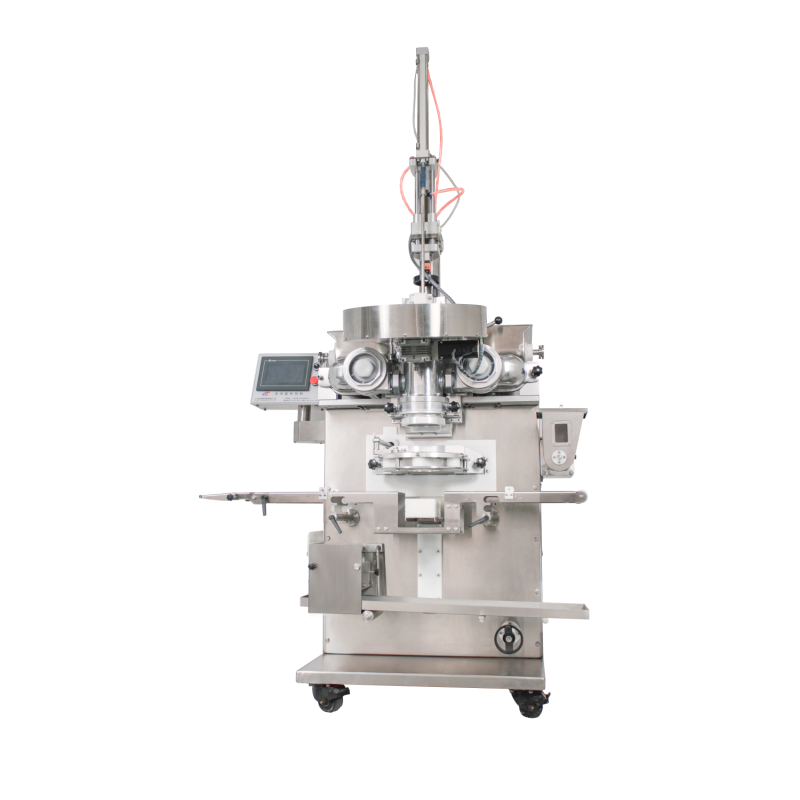
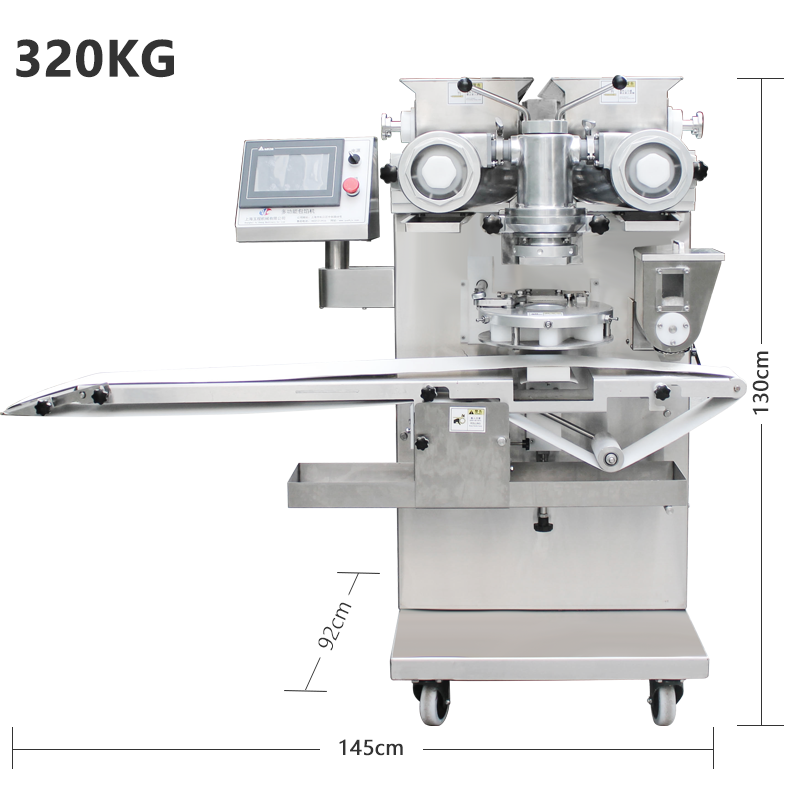
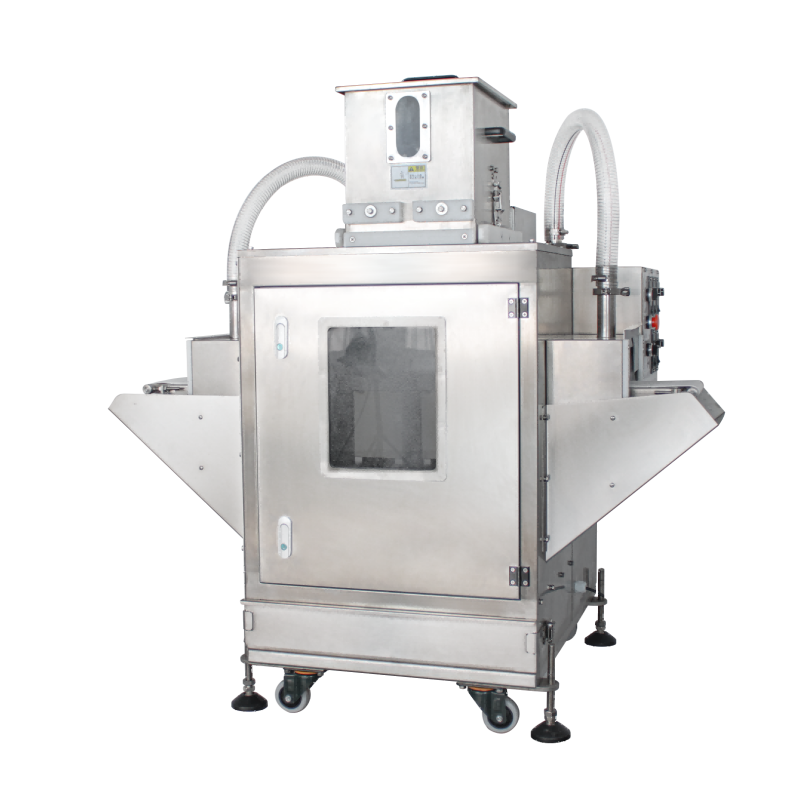
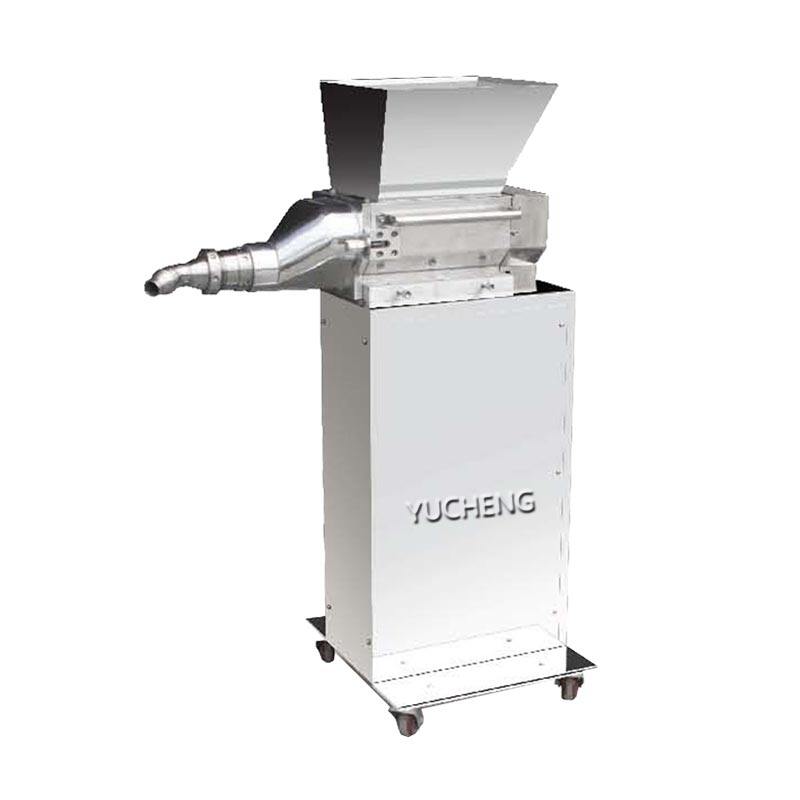
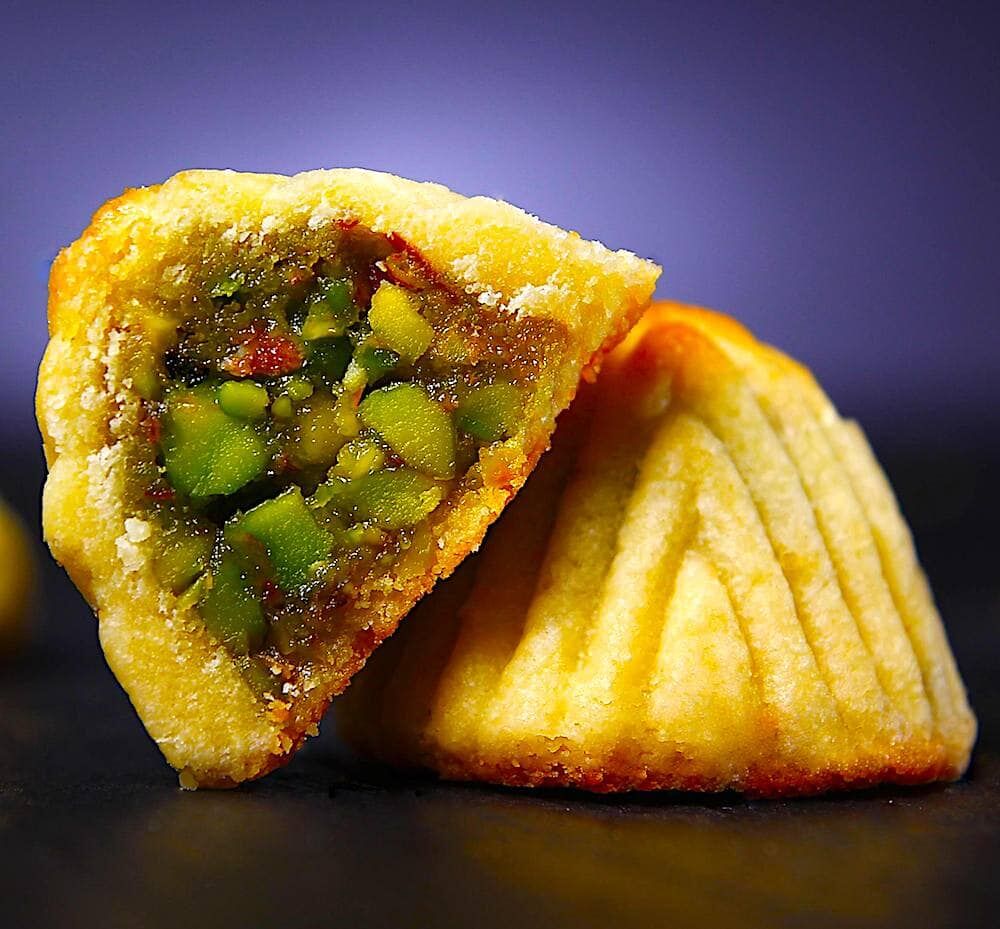
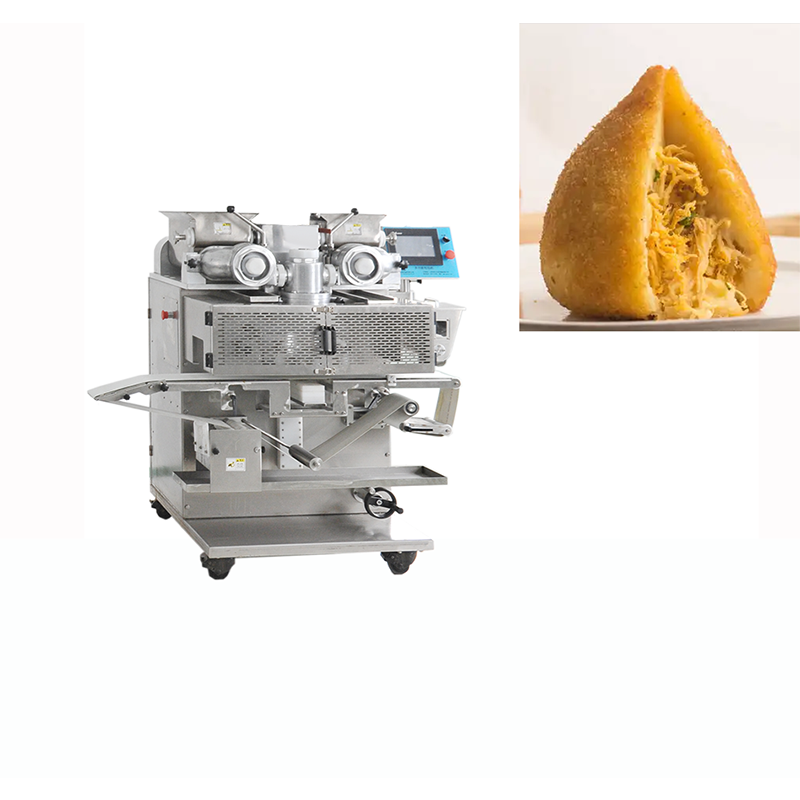
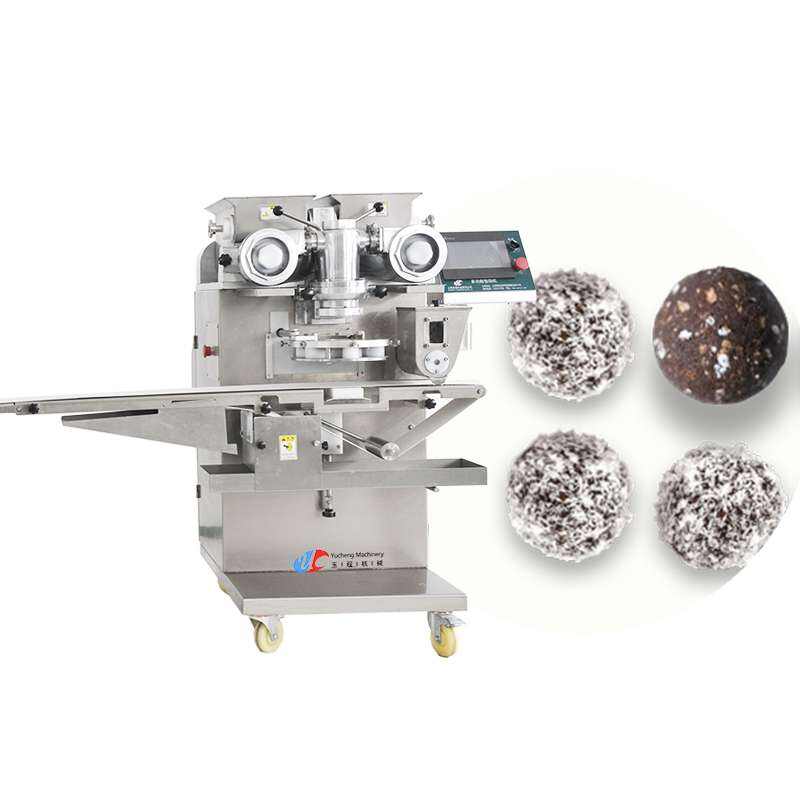
The customized kibbeh making machine stands apart through its exceptional versatility and adaptability to diverse production requirements, dietary preferences, and cultural variations. This comprehensive customization capability transforms a single piece of equipment into a multi-faceted production solution that can accommodate virtually any kibbeh specification or creative variation. Recipe flexibility allows processors to work with different grain bases beyond traditional bulgur wheat, including quinoa, rice, lentils, and gluten-free alternatives, expanding market opportunities and addressing dietary restrictions. The machine seamlessly handles various protein fillings ranging from traditional lamb and beef preparations to chicken, fish, legume-based options, and innovative plant-based alternatives. Seasoning and spice integration systems can be programmed to incorporate regional flavor profiles, enabling production of Lebanese, Syrian, Palestinian, and other cultural variations within the same operational framework. Size customization options accommodate everything from bite-sized appetizer portions to substantial main course servings, allowing businesses to target different market segments with appropriately scaled products. Shape variations extend beyond traditional football forms to include spherical, cylindrical, and custom geometric configurations that appeal to contemporary dining trends. The customized kibbeh making machine supports specialty dietary formulations including organic, kosher, halal, vegan, and allergen-free varieties through dedicated processing protocols and ingredient handling systems. Production volume scalability enables operations to adjust output from small artisanal batches to high-volume commercial runs without equipment changes. Texture modifications allow for different density levels, moisture contents, and firmness characteristics to suit various cooking methods and consumer preferences. The machine's modular design facilitates future upgrades and modifications as production requirements evolve or new market opportunities emerge. Integration capabilities ensure compatibility with existing production lines, packaging systems, and quality control equipment, maximizing return on investment while minimizing operational disruption during implementation.
 EN
EN