automatic encrusting machine
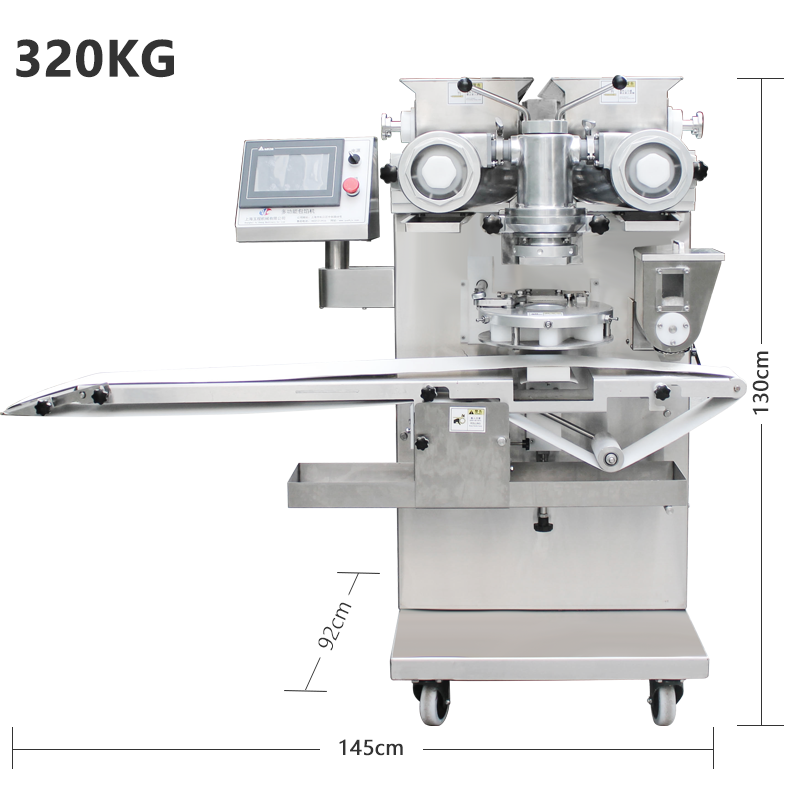
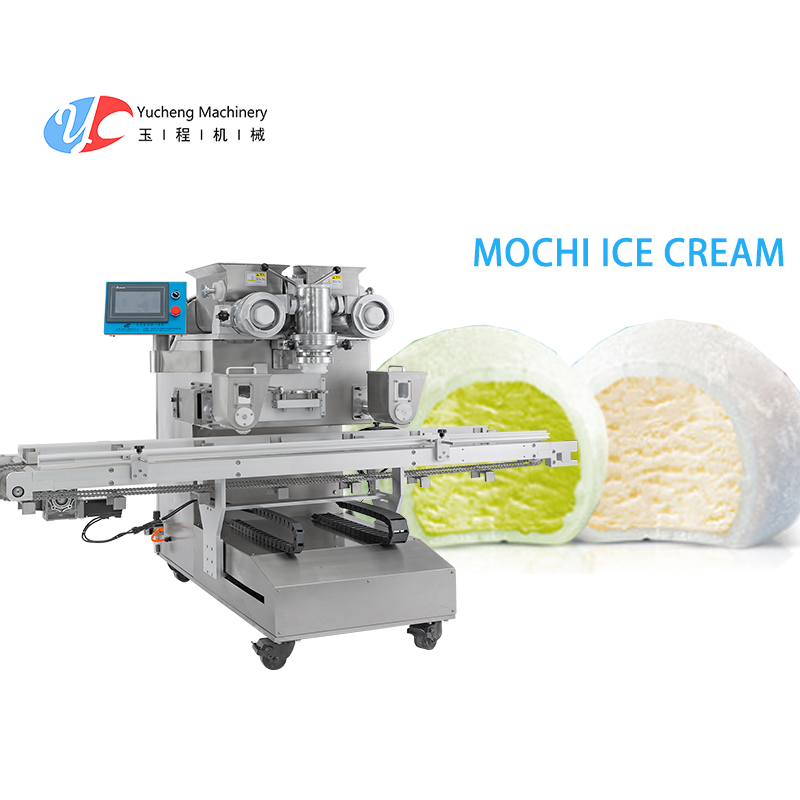
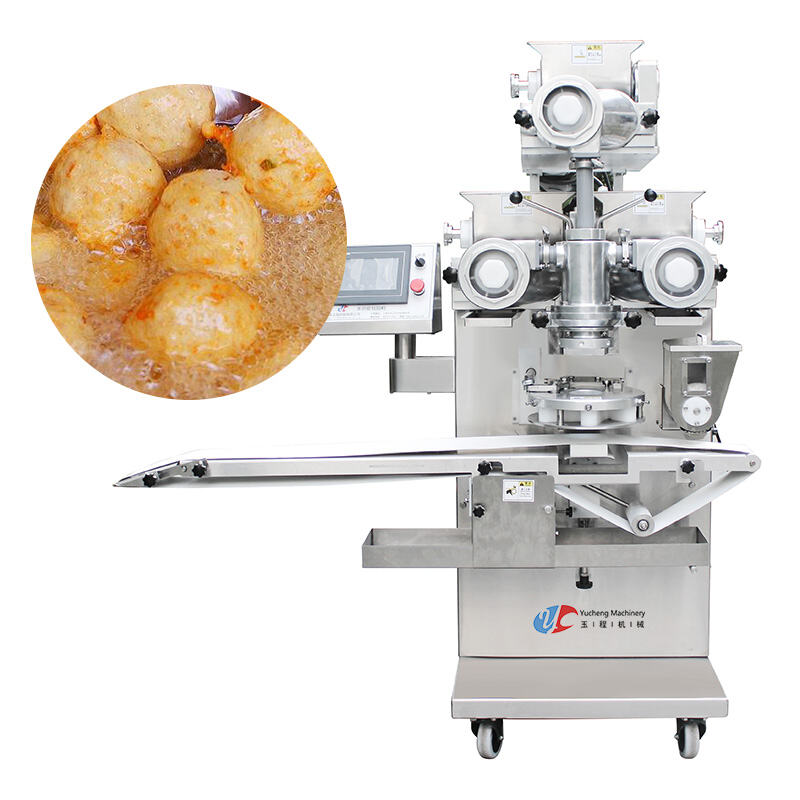
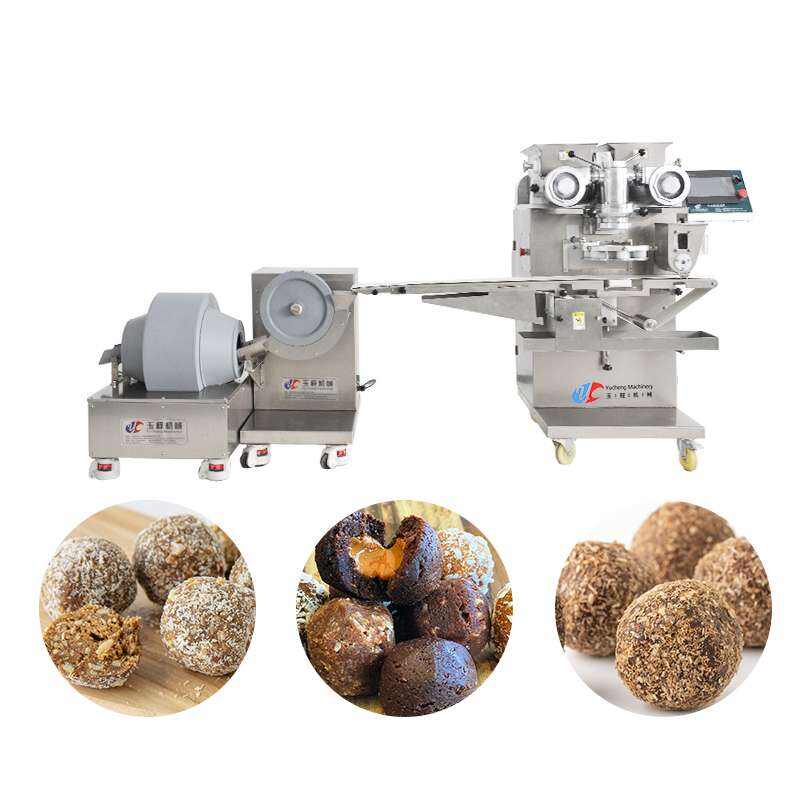
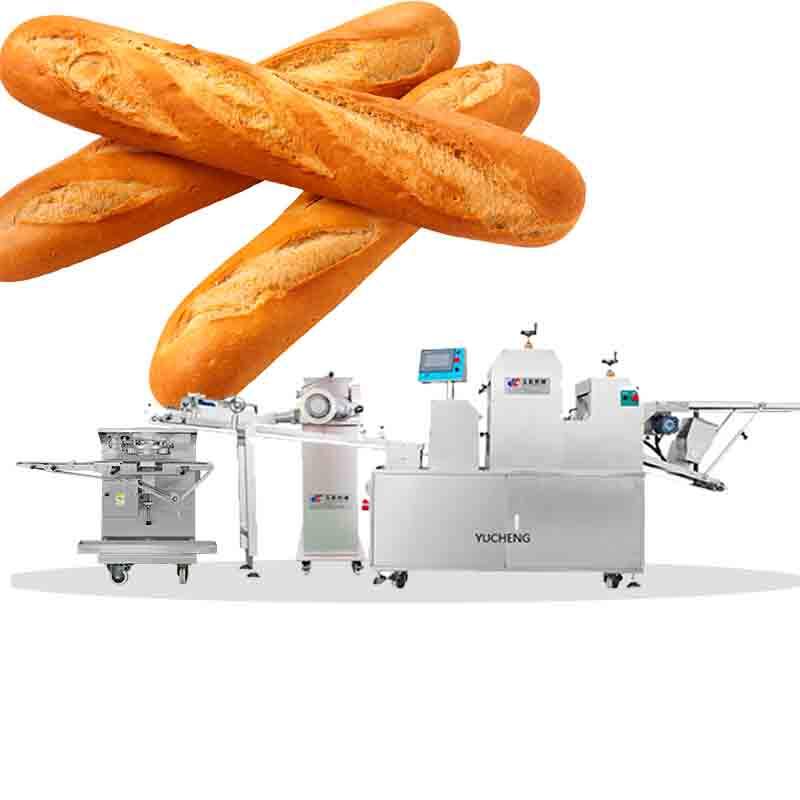
An automatic encrusting machine represents a revolutionary advancement in food production technology, designed to streamline the process of creating filled bakery products, confections, and various culinary items. This sophisticated equipment automates the traditionally labor-intensive task of wrapping dough around fillings, creating perfectly uniform products with consistent quality and appearance. The automatic encrusting machine operates through a precision-engineered system that simultaneously feeds both outer dough and inner filling materials, forming complete encrusted products in a continuous, efficient process. The machine's core functionality revolves around its dual-feeding mechanism, which carefully controls the flow rate and distribution of both wrapper and filling materials. Advanced sensors monitor the consistency and thickness of the outer layer, ensuring each product meets predetermined specifications. The technological framework incorporates programmable logic controllers that allow operators to adjust parameters such as product size, filling ratio, and production speed according to specific requirements. Modern automatic encrusting machines feature stainless steel construction throughout, meeting stringent food safety standards while providing exceptional durability and easy maintenance. The equipment typically includes multiple hoppers for different filling types, enabling rapid product changeovers without extensive downtime. Temperature control systems maintain optimal conditions for various dough types, from delicate pastry wrappers to robust bread doughs. Applications for automatic encrusting machines span numerous food categories, including traditional Asian dumplings, Western-style filled pastries, meat pies, dessert items, and specialty confections. Bakeries, restaurants, food manufacturers, and catering operations utilize these machines to increase production capacity while maintaining product consistency. The versatility of modern automatic encrusting machines allows for customization of product shapes, sizes, and filling ratios, making them suitable for both high-volume commercial production and specialized artisanal applications where consistency and efficiency remain paramount concerns.
 EN
EN