commercial encrusting machine
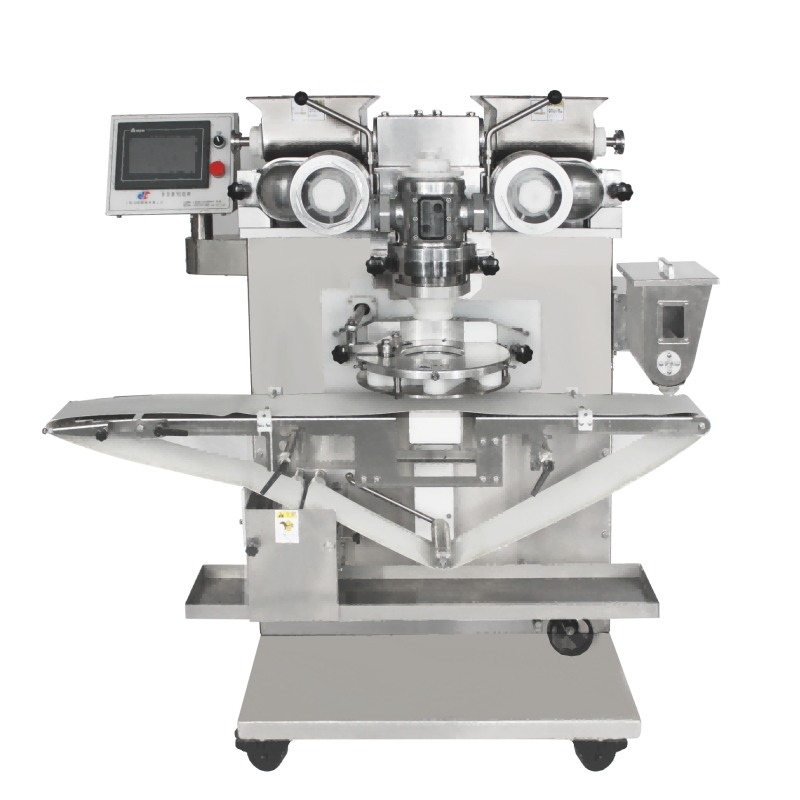
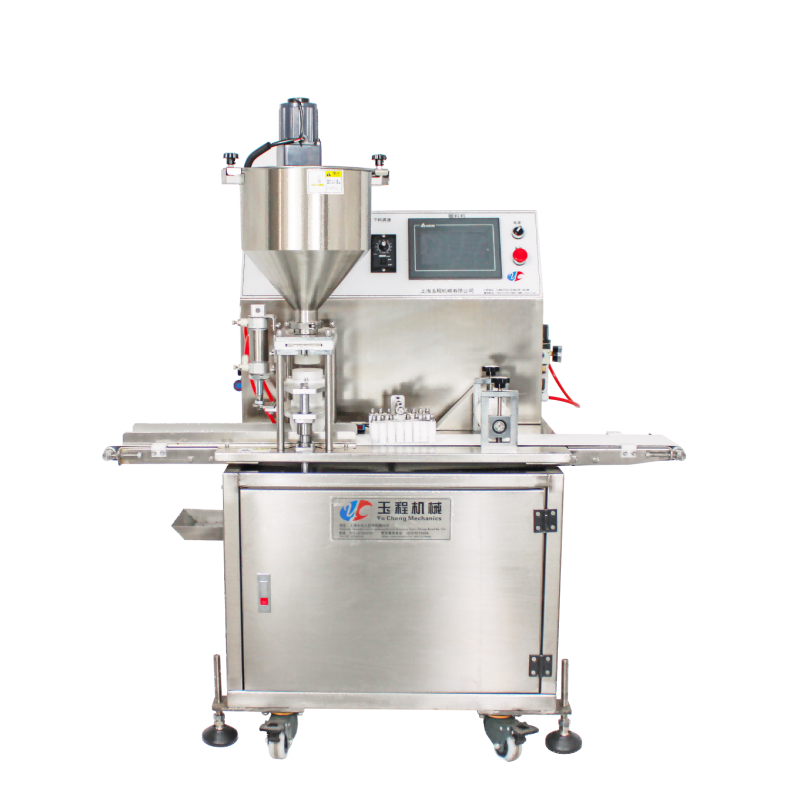
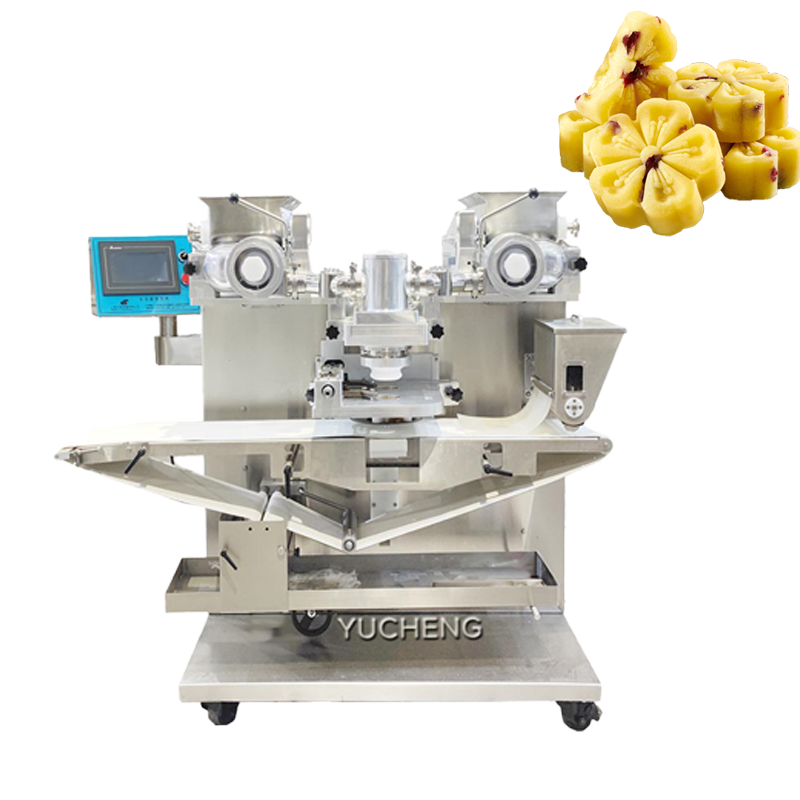
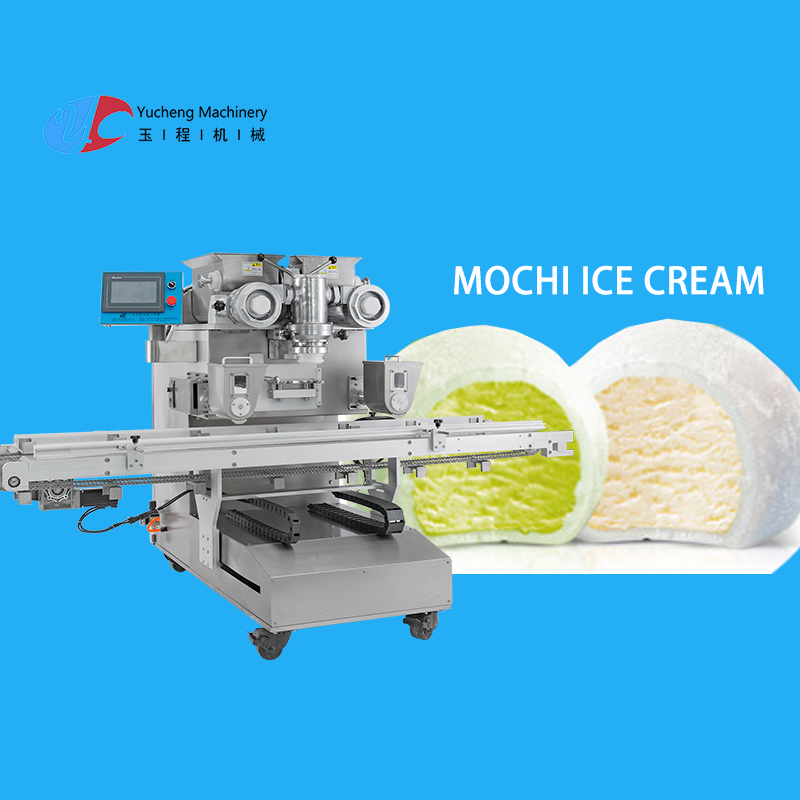
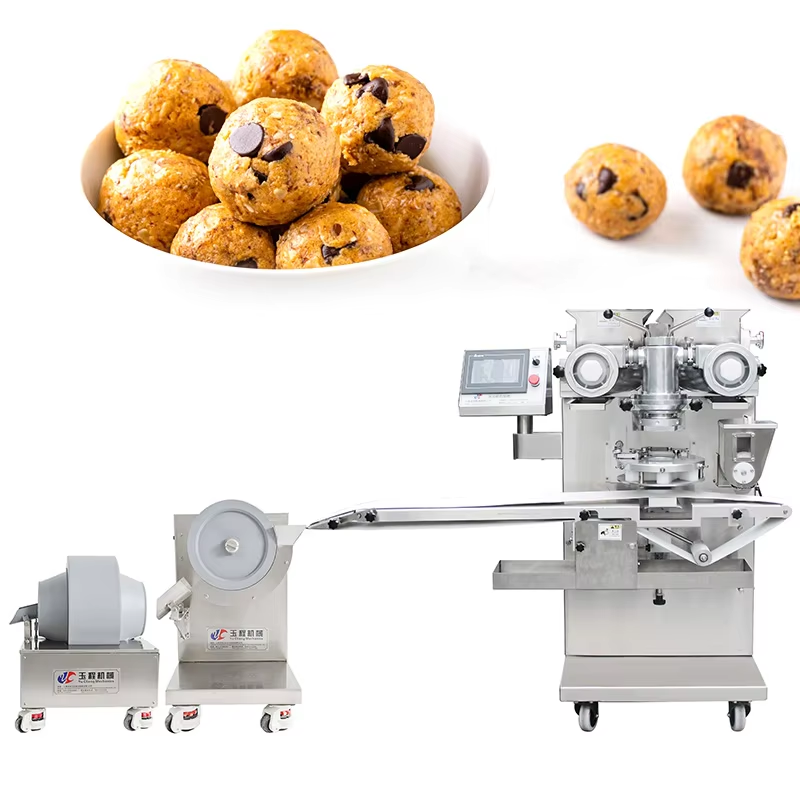
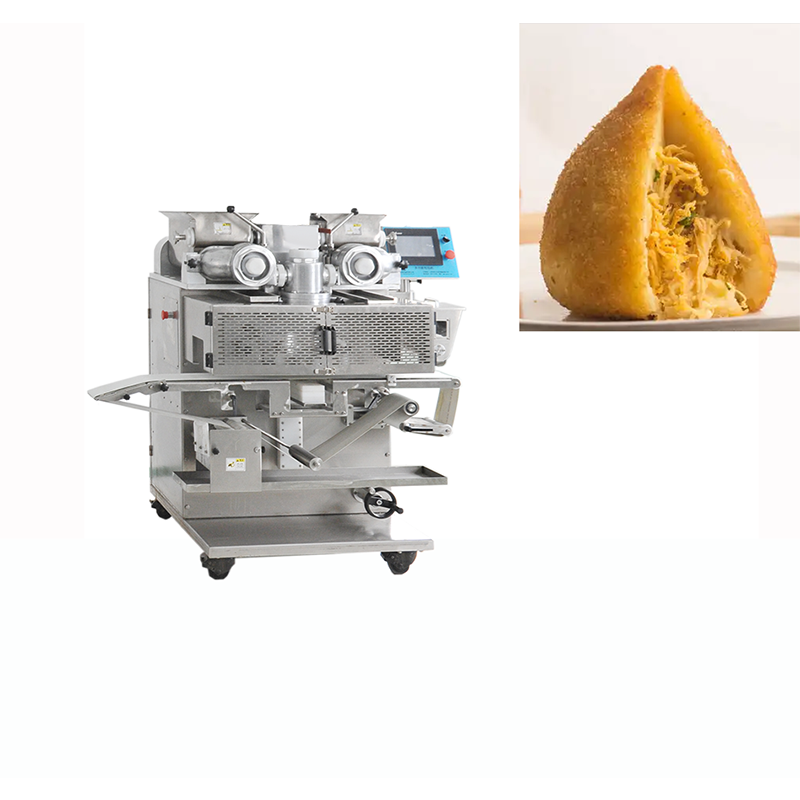
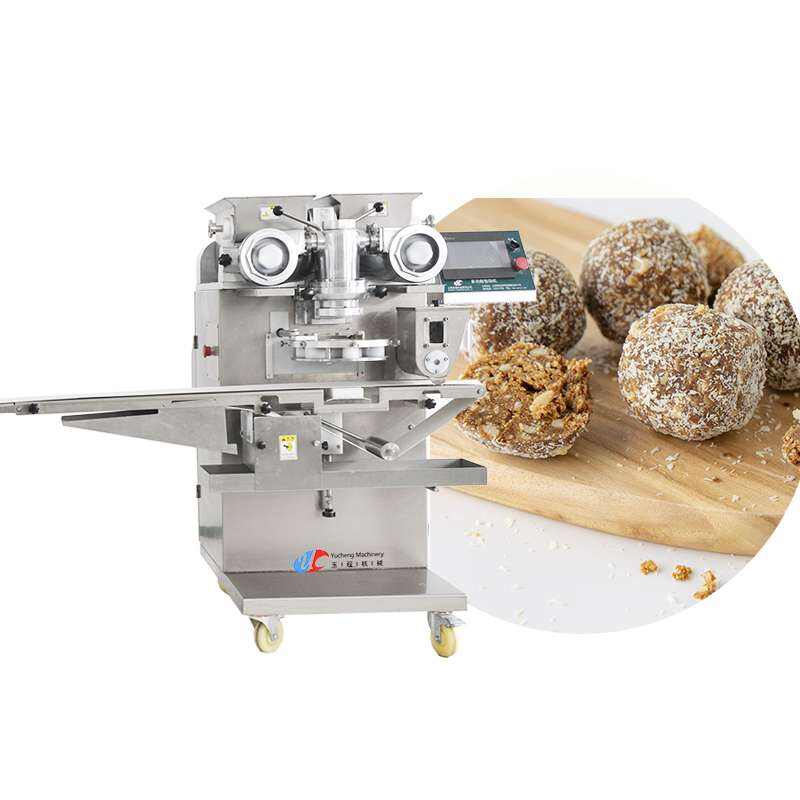
The commercial encrusting machine represents a revolutionary advancement in food processing technology, designed to streamline the production of filled baked goods and confectionery items. This sophisticated equipment automates the complex process of creating products with soft fillings encased in dough or pastry shells, eliminating the labor-intensive manual methods traditionally used in bakeries and food manufacturing facilities. The commercial encrusting machine operates through precision engineering that ensures consistent product quality while dramatically increasing production efficiency. At its core, this machine combines multiple functions into a single automated system. The primary function involves accurately measuring and dispensing both the outer dough material and inner filling components. The machine creates perfectly portioned products where the filling is completely enclosed within the dough wrapper, maintaining optimal ratios and preventing leakage during subsequent processing stages. The technological features of modern commercial encrusting machines include programmable control systems that allow operators to adjust product specifications with remarkable precision. These machines incorporate advanced sensors that monitor dough consistency, filling distribution, and product weight to ensure uniformity across entire production runs. The equipment typically features stainless steel construction that meets stringent food safety standards while providing durability for continuous commercial operation. Variable speed controls enable manufacturers to optimize production rates based on specific product requirements and facility capacities. The applications for commercial encrusting machines span numerous food categories, including traditional Asian products like baozi, dumplings, and mochi, as well as Western bakery items such as filled pastries, meat pies, and specialty breads. These versatile machines accommodate various dough types, from wheat-based preparations to rice flour alternatives, while handling diverse filling materials including meats, vegetables, sweet pastes, and dairy-based products. Food manufacturers utilize these machines to produce both frozen and fresh products, enabling expanded distribution capabilities and extended shelf life options for retail markets.
 EN
EN