Customizable Solutions for Diverse Production Requirements
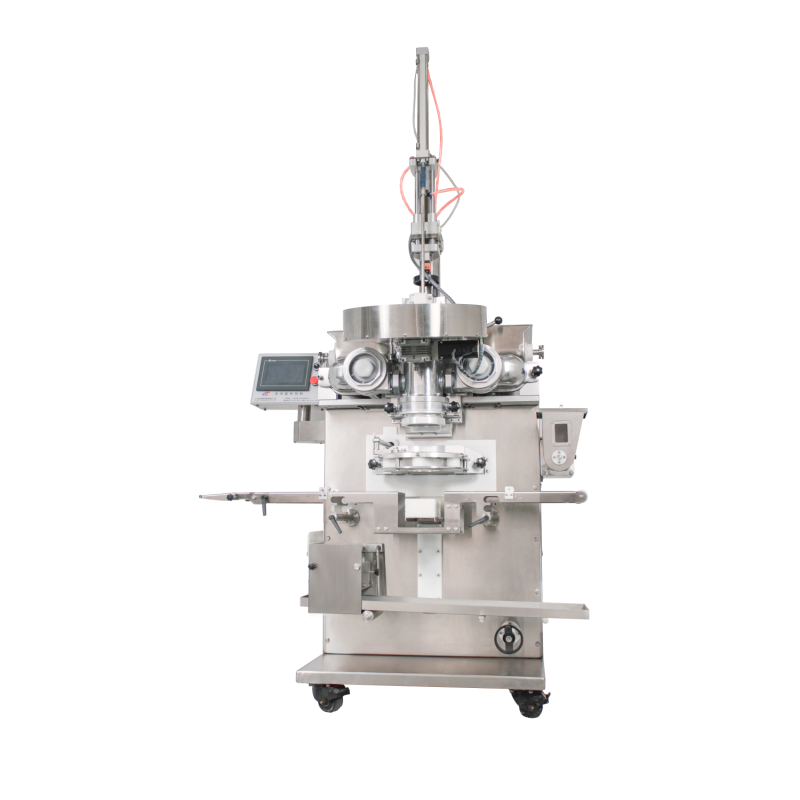
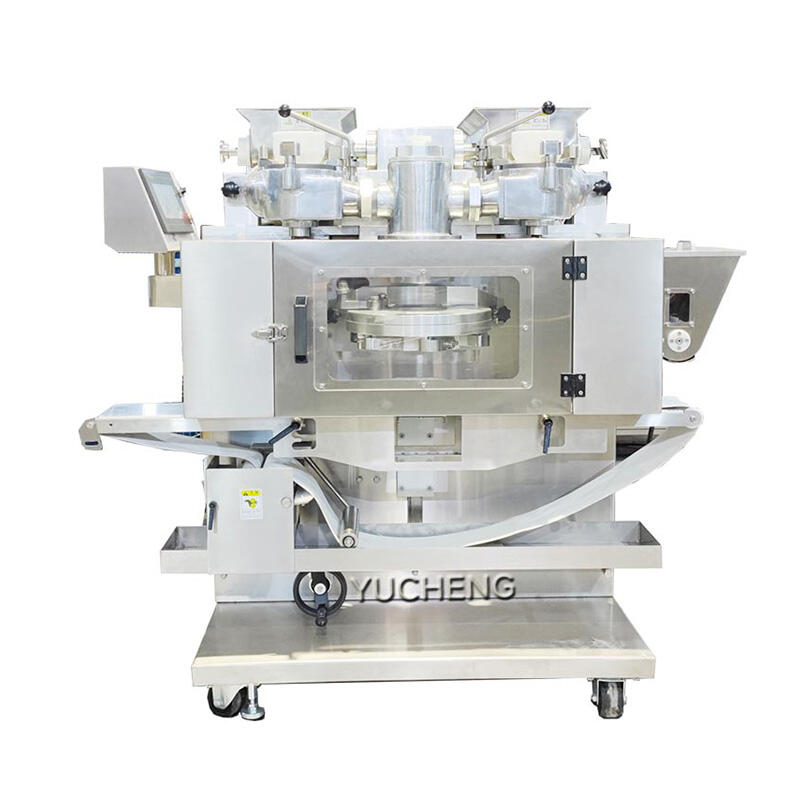
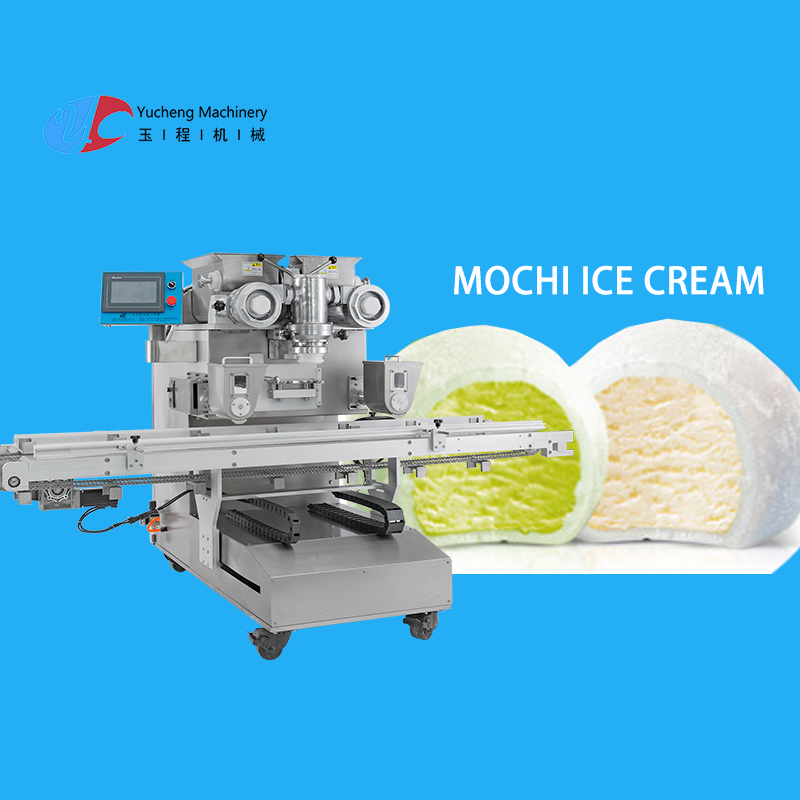
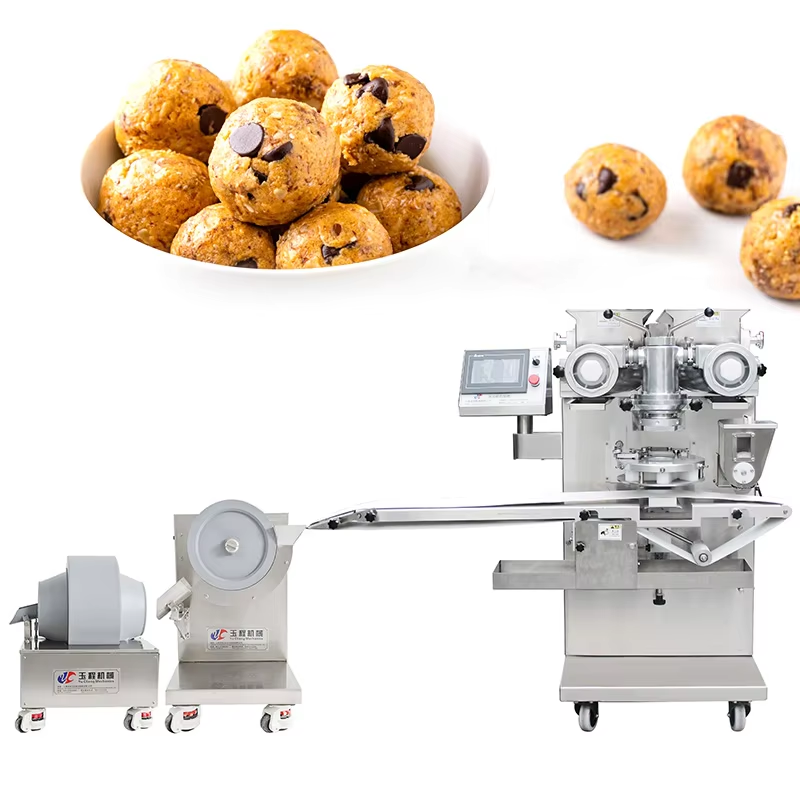
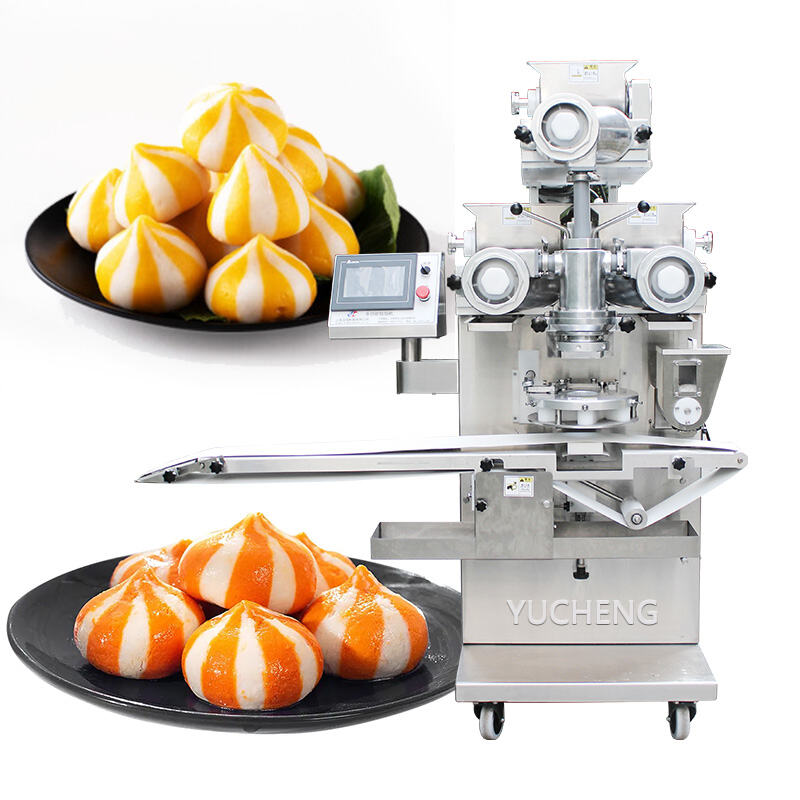
The customizable solutions offered by professional maamoul making machine suppliers address the diverse production requirements found across different market segments, from small artisanal bakeries to large-scale commercial manufacturers. These suppliers recognize that successful businesses often differentiate themselves through unique recipes, distinctive shapes, or specialized production processes that standard equipment cannot accommodate. The customization capabilities extend across multiple machine parameters, including dough handling systems, filling injection mechanisms, molding components, and finishing processes. Suppliers work closely with customers to understand their specific recipe formulations, taking into account factors such as dough consistency, moisture content, and ingredient characteristics that influence machine configuration requirements. The molding systems can be customized to produce maamoul in traditional shapes like spheres and pyramids, as well as modern variations that appeal to contemporary consumers. Filling injection systems can be calibrated for different viscosities and textures, accommodating everything from smooth date paste to chunky nut mixtures without compromising distribution uniformity. Production capacity customization allows suppliers to design systems that match customer volume requirements precisely, avoiding over-investment in excessive capacity or under-investment that limits growth potential. The modular design approach adopted by many suppliers enables customers to start with basic configurations and add components as their business expands, providing flexibility for future growth without requiring complete equipment replacement. Specialized features can be incorporated to meet unique market requirements, such as organic certification compliance, allergen control systems, or specific packaging integration needs. The customization process involves detailed consultation periods where suppliers evaluate customer samples, conduct production trials, and refine machine settings to achieve optimal results. This collaborative approach ensures that the final equipment configuration delivers the exact product characteristics customers need while maintaining efficient production rates and consistent quality standards. The ability to customize equipment also extends to control systems, where suppliers can implement specific monitoring parameters, reporting formats, and integration protocols that align with customer operational procedures and quality management systems.
 EN
EN