Professional Fishball Shaping Machine - Automated Food Processing Equipment for Commercial Production

Get a Free Quote

Our representative will contact you soon.
Email
Name
Company Name
Message
0/1000

fishball shaping machine

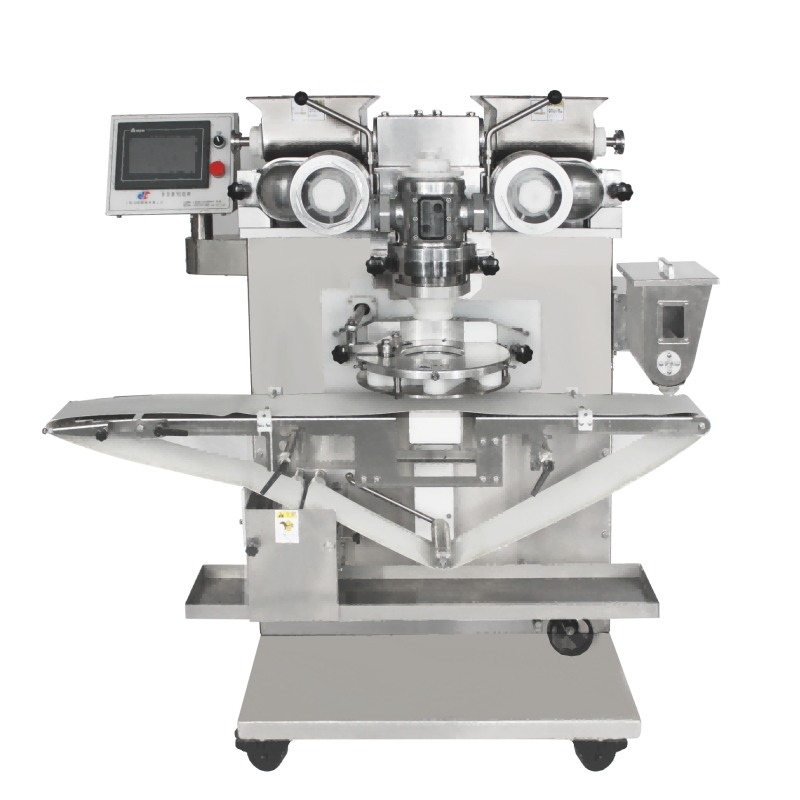
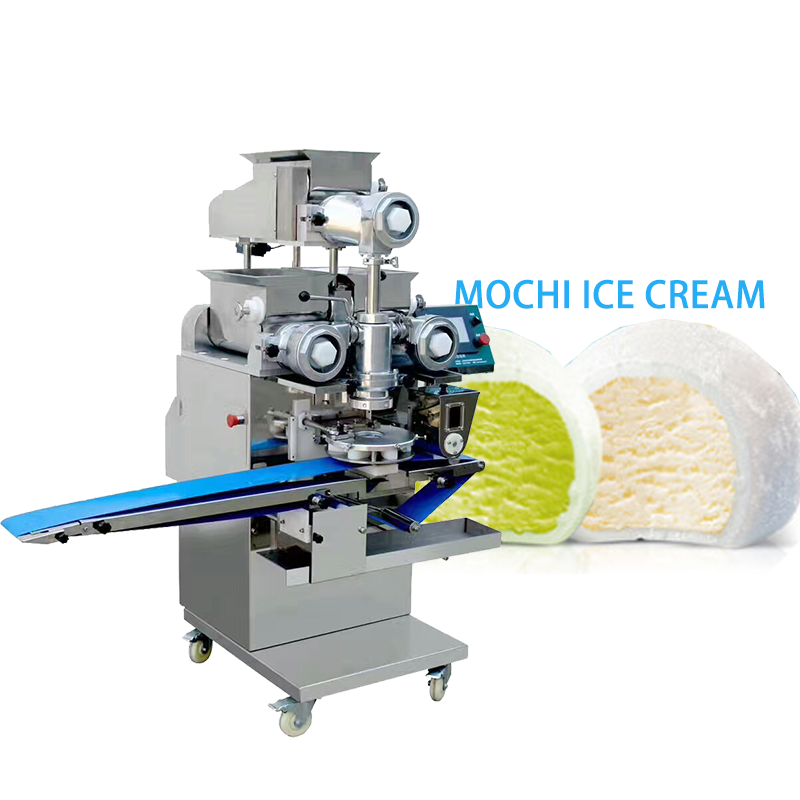
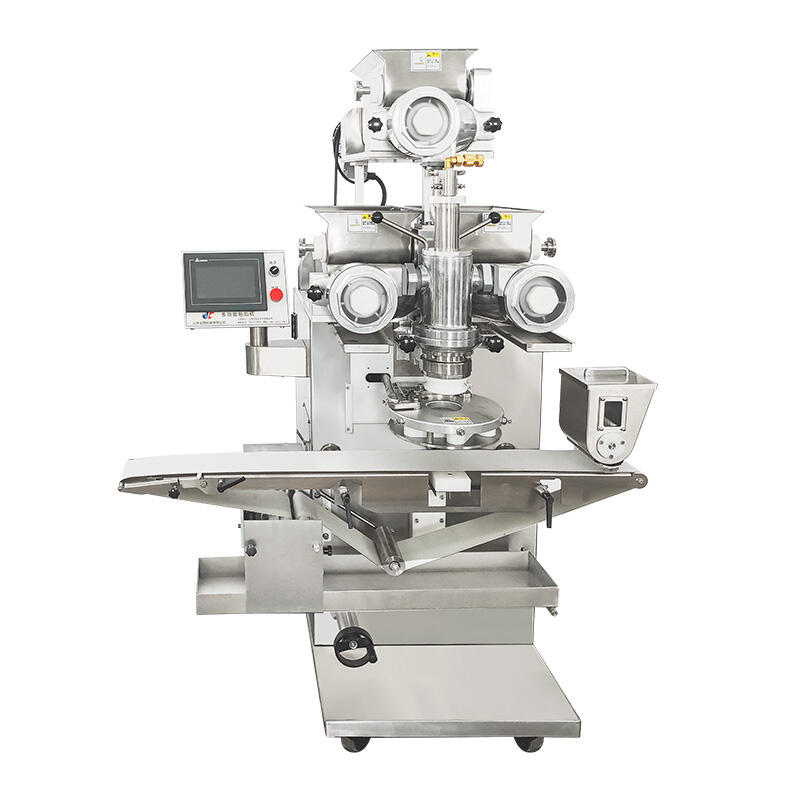
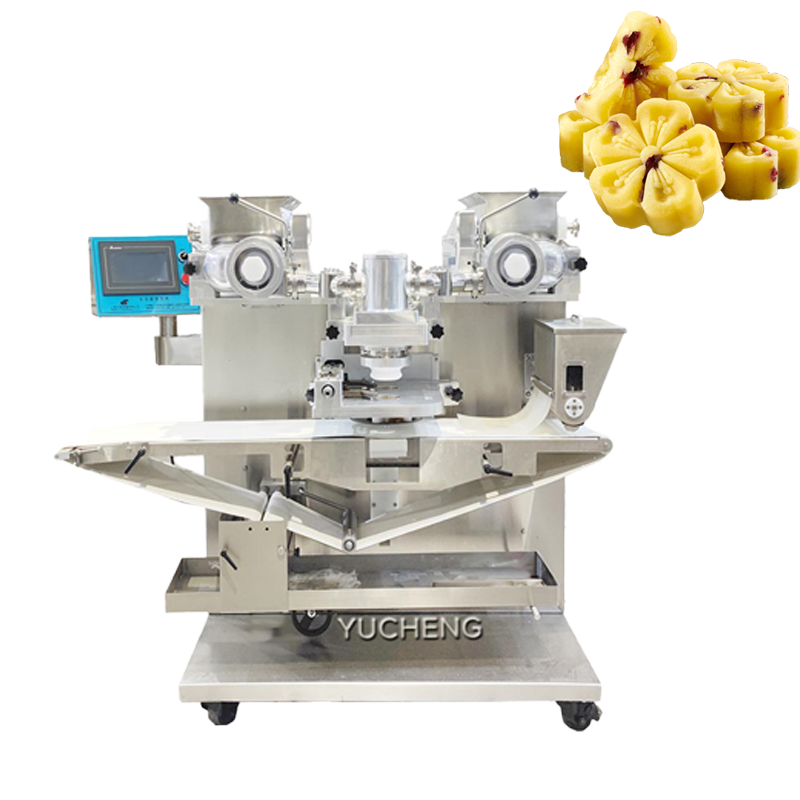
The fishball shaping machine represents a revolutionary advancement in food processing technology, specifically designed to automate the production of perfectly formed fishballs with consistent quality and shape. This sophisticated equipment transforms traditional manual fishball making into an efficient, high-volume manufacturing process that meets modern food industry demands. The machine operates through a precise mechanical system that takes fish paste or surimi and forms it into uniform spherical shapes, eliminating the variability associated with hand-formed products. At its core, the fishball shaping machine utilizes advanced molding technology combined with automated feeding mechanisms to ensure continuous production cycles. The primary function involves receiving prepared fish paste through an input hopper, where the material is then portioned into exact quantities before being shaped through specialized forming chambers. The technological framework incorporates stainless steel construction throughout, ensuring food-grade safety standards while providing durability for long-term industrial use. Temperature control systems maintain optimal processing conditions, preventing the fish paste from warming excessively during the shaping process, which could compromise texture and quality. The machine features adjustable sizing mechanisms that allow operators to produce fishballs ranging from small cocktail sizes to larger family-style portions, providing versatility for different market segments. Speed controls enable production rate adjustments based on specific requirements, with typical output ranging from hundreds to thousands of pieces per hour depending on the model. Applications span across commercial food processing facilities, restaurant chains, frozen food manufacturers, and specialty seafood producers who require consistent, high-quality fishball production. The equipment integrates seamlessly into existing production lines, featuring input and output conveyors that facilitate smooth workflow integration. Modern fishball shaping machines incorporate digital control panels with programmable settings, allowing operators to store multiple production recipes and switch between different product specifications efficiently.

New Product Releases

The fishball shaping machine delivers substantial operational benefits that transform traditional food processing methods into modern, efficient production systems. Enhanced productivity stands as the most significant advantage, with machines capable of producing thousands of uniform fishballs per hour compared to manual methods that might yield only hundreds in the same timeframe. This dramatic increase in output directly translates to higher revenue potential and improved market competitiveness for food processors. Labor cost reduction represents another major benefit, as the automated system requires minimal human intervention once operational parameters are set. Traditional fishball production demands skilled workers who can maintain consistency in size and shape, but the machine eliminates this dependency while reducing overall staffing requirements. Quality consistency emerges as a critical advantage, ensuring every fishball meets identical specifications for size, weight, and shape. This uniformity is essential for commercial food service operations where portion control directly impacts profitability and customer satisfaction. The precision of mechanical forming eliminates variations that occur in manual production, resulting in products that cook evenly and present professionally across all batches. Hygiene improvements represent substantial value in modern food processing environments. The enclosed system minimizes human contact with the product, reducing contamination risks and supporting HACCP compliance requirements. Stainless steel construction allows for thorough cleaning and sanitization between production runs, maintaining the highest food safety standards. Cost efficiency extends beyond labor savings to include reduced material waste. The precise portioning system ensures optimal use of expensive fish paste ingredients, minimizing overproduction and maintaining consistent profit margins. Energy efficiency features in modern machines reduce operational costs while supporting sustainability initiatives. Flexibility in production capabilities allows manufacturers to respond quickly to market demands. The ability to adjust sizes and production speeds means businesses can efficiently produce different product variants without requiring separate equipment investments. Scalability benefits enable growing businesses to increase production capacity without proportional increases in labor or facility requirements. Maintenance simplicity ensures minimal downtime, with accessible components and straightforward cleaning procedures that keep operations running smoothly. The reliability of automated systems reduces the uncertainty associated with manual production, enabling more accurate production planning and delivery scheduling.

Practical Tips

How Does a Pastry Making Machine Improve Efficiency and Quality?

21

Oct

How Does a Pastry Making Machine Improve Efficiency and Quality?

Revolutionizing Commercial Bakery Operations with Advanced Equipment The modern bakery landscape has undergone a remarkable transformation with the integration of pastry making machines. These sophisticated pieces of equipment have become the backbon...
View More
What makes mochi ice cream machine so popular today?

23

Dec

What makes mochi ice cream machine so popular today?

The global dessert industry has witnessed a remarkable transformation with the introduction of innovative frozen treats that combine traditional Japanese techniques with modern manufacturing capabilities. Among these revolutionary developments, the m...
View More
How to select the right mochi ice cream machine size?

23

Dec

How to select the right mochi ice cream machine size?

Selecting the appropriate mochi ice cream machine for your business requires careful consideration of multiple factors that directly impact production capacity, operational efficiency, and long-term profitability. The size of your mochi ice cream mac...
View More
What makes bread making machines so popular today?

21

Jan

What makes bread making machines so popular today?

The surge in popularity of bread making machines has transformed modern kitchens and commercial bakeries worldwide. These innovative appliances have revolutionized how we approach bread production, offering unprecedented convenience and consistency t...
View More

Get a Free Quote

Our representative will contact you soon.
Email
Name
Company Name
Message
0/1000

fishball shaping machine

Advanced Precision Molding Technology

Advanced Precision Molding Technology

The fishball shaping machine incorporates state-of-the-art precision molding technology that revolutionizes the way fishballs are formed and sized in commercial food production environments. This sophisticated system utilizes carefully engineered forming chambers equipped with adjustable molds that can be calibrated to produce fishballs ranging from 15mm to 45mm in diameter, accommodating diverse market preferences and culinary applications. The precision molding mechanism operates through a combination of hydraulic pressure and mechanical compression, ensuring that each fishball achieves optimal density and structural integrity while maintaining the delicate texture that consumers expect. The technology features multiple forming stations working in synchronized sequence, allowing for continuous production flow without interruptions or batch processing delays. Each molding chamber is crafted from food-grade stainless steel with mirror-polished surfaces that prevent adhesion and facilitate easy release of formed products. The precision control system monitors pressure levels, temperature conditions, and timing sequences to ensure consistent results across extended production runs. Advanced sensors detect variations in fish paste consistency and automatically adjust molding parameters to maintain uniform product quality regardless of minor ingredient variations. The system incorporates quick-change mold sets that enable operators to switch between different fishball sizes within minutes, maximizing production flexibility and minimizing changeover downtime. Temperature regulation within the molding chambers prevents excessive heating that could alter the fish paste properties, while controlled cooling zones help set the fishball shape before discharge. The precision technology extends to portion control, with volumetric measuring systems ensuring each fishball contains exactly the specified amount of fish paste, supporting accurate nutritional labeling and cost control objectives. Quality assurance features include automatic rejection systems that identify and remove any imperfectly formed products before they enter the packaging phase. The modular design of the molding technology allows for easy maintenance and replacement of individual components without disrupting the entire production line, ensuring maximum uptime and operational efficiency.
Automated Production Line Integration

Automated Production Line Integration

The fishball shaping machine excels in its seamless integration capabilities with existing automated production lines, transforming isolated manual processes into cohesive, efficient manufacturing systems. This integration functionality encompasses sophisticated input feeding mechanisms that accept fish paste from upstream mixing equipment, portion control systems, and seasoning applicators without requiring manual intervention or material handling. The machine features advanced conveyor synchronization technology that matches processing speeds with adjacent equipment, eliminating bottlenecks and ensuring smooth product flow throughout the entire production cycle. Programmable logic controllers coordinate communication between the fishball shaping machine and other production line components, enabling real-time adjustments based on downstream requirements or quality control feedback. The integration system includes buffer zones and accumulation conveyors that provide flexibility during maintenance periods or temporary speed variations in connected equipment. Input hoppers equipped with level sensors automatically signal upstream equipment when raw material replenishment is needed, maintaining continuous operation without human monitoring. The machine accommodates various input methods, including pneumatic feeding systems for high-volume operations and gravity-fed hoppers for smaller scale production environments. Output conveyor systems feature variable speed controls and direction changes that facilitate routing to different downstream processes such as cooking, freezing, or packaging stations. Data integration capabilities allow the fishball shaping machine to communicate production metrics, quality parameters, and operational status to centralized control systems, supporting comprehensive production monitoring and optimization efforts. The modular connection interfaces utilize standard industrial fittings and protocols, ensuring compatibility with equipment from different manufacturers and simplifying installation procedures. Electrical integration follows industry-standard practices with isolated control circuits that prevent interference between connected machines while enabling coordinated operation sequences. Safety integration features include emergency stop cascading throughout the connected production line, ensuring that any safety event triggers appropriate responses across all integrated equipment. The system supports remote monitoring and control capabilities, allowing supervisors to adjust production parameters and monitor performance from centralized control rooms or even mobile devices for enhanced operational oversight.
Intelligent Quality Control System

Intelligent Quality Control System

The fishball shaping machine incorporates an intelligent quality control system that represents the pinnacle of automated food processing inspection technology, ensuring every produced fishball meets stringent quality standards while minimizing waste and maximizing customer satisfaction. This comprehensive system employs multiple detection methods including optical scanning, weight verification, and dimensional analysis to evaluate each fishball immediately after formation and before packaging. High-resolution cameras equipped with advanced image processing algorithms capture detailed photographs of every fishball, analyzing surface texture, color uniformity, and structural integrity to identify any defects or variations that might compromise product quality. The optical inspection system utilizes specialized lighting arrays and multiple viewing angles to detect surface imperfections, irregular shapes, or foreign material contamination that could affect consumer acceptance or food safety. Weight verification technology employs precision load cells positioned strategically along the production line to verify that each fishball contains the correct amount of fish paste, ensuring portion consistency and accurate nutritional labeling. Dimensional analysis systems use laser measurement technology to verify diameter specifications and detect any oval or irregularly shaped products that fail to meet established standards. The intelligent system maintains comprehensive databases of quality parameters, tracking production trends and identifying potential issues before they impact significant quantities of product. Machine learning algorithms analyze historical quality data to predict optimal processing parameters and recommend adjustments that improve overall product consistency. Real-time feedback mechanisms automatically adjust machine settings when quality variations are detected, maintaining consistent output without requiring operator intervention. Rejection systems utilize pneumatic devices to remove defective products from the production line immediately upon detection, preventing substandard fishballs from reaching packaging or downstream processing stages. Statistical process control features generate detailed reports on quality metrics, production efficiency, and rejection rates, providing valuable insights for continuous improvement initiatives. The system interfaces with enterprise resource planning software to track quality data alongside production quantities, costs, and scheduling information for comprehensive operational analysis. Traceability features record quality measurements for individual production batches, supporting recall procedures and regulatory compliance requirements while enabling targeted quality improvement efforts based on specific production conditions or ingredient variations.

Inquiry Inquiry Email Email Youtube Youtube Tiktok Tiktok TopTop

Get a Free Quote

Our representative will contact you soon.
Email
Name
Company Name
Message
0/1000