date filled bar making machine price
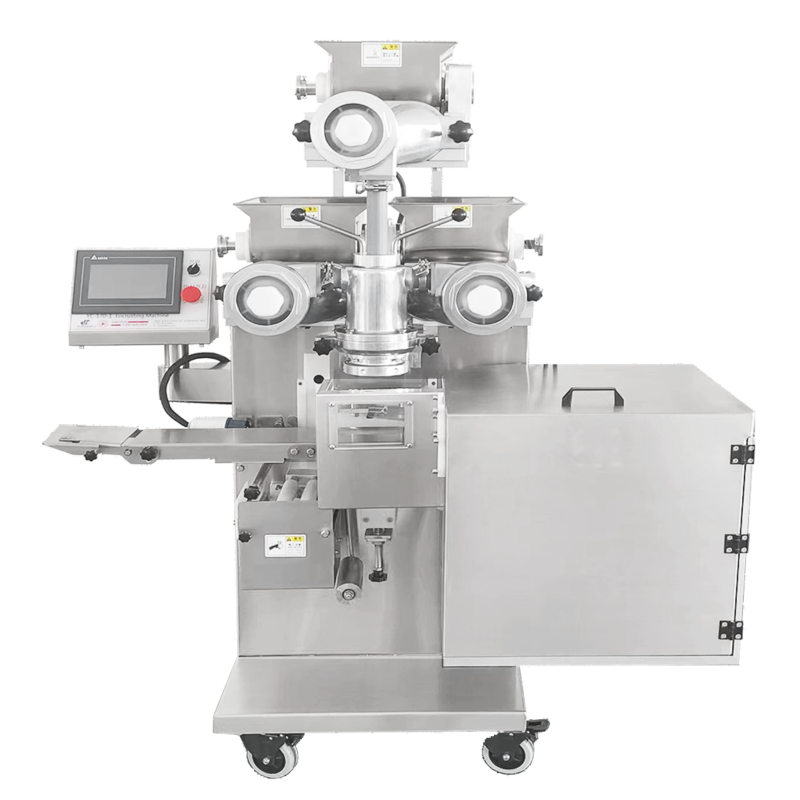
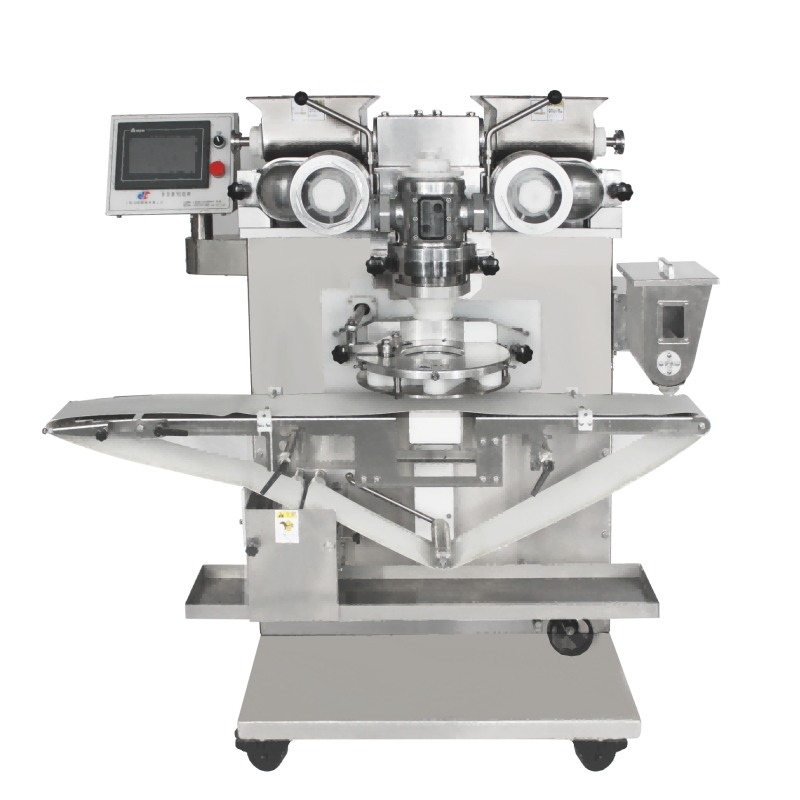
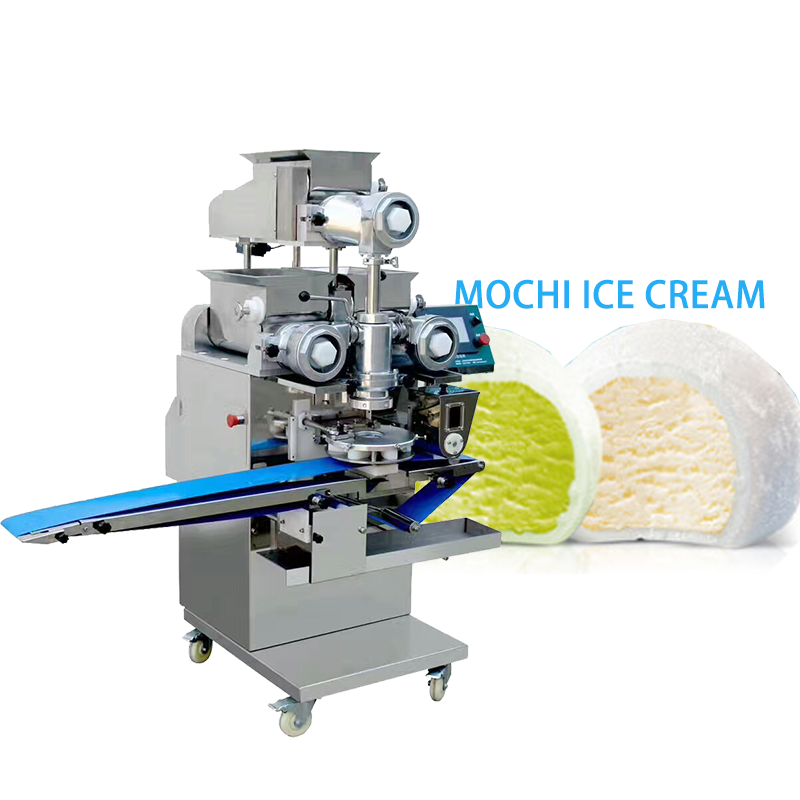
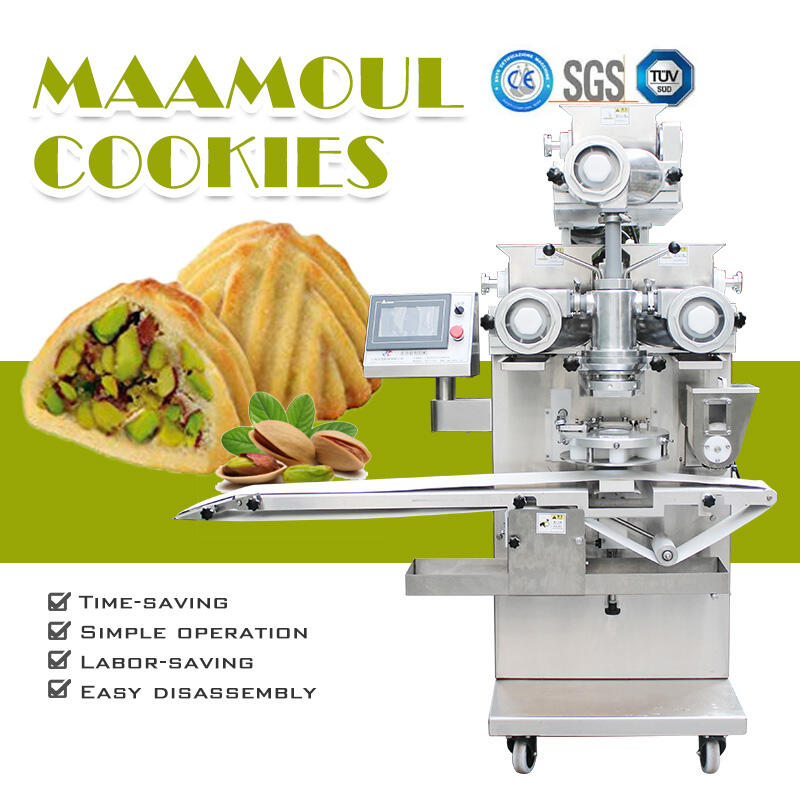
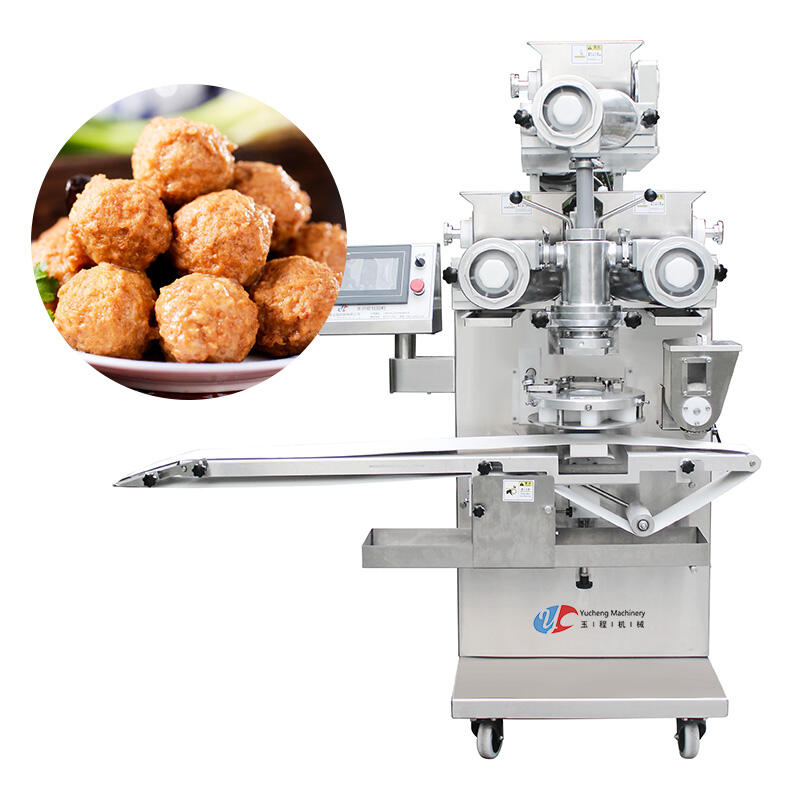
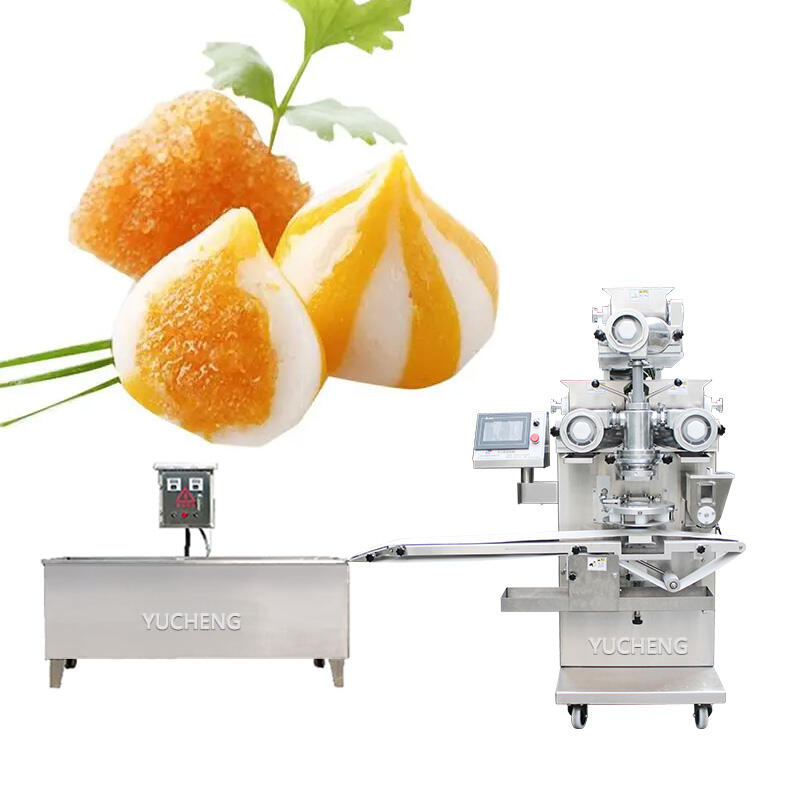
The date filled bar making machine price represents a crucial investment consideration for manufacturers seeking to enter or expand within the healthy snack production market. These specialized machines are engineered to produce nutritious date-based energy bars with various fillings, combining traditional ingredients with modern manufacturing precision. The core functionality revolves around automated mixing, forming, cutting, and packaging processes that transform raw dates and complementary ingredients into market-ready products. Modern date filled bar making machine price points reflect sophisticated technological integration, including programmable control systems, stainless steel construction, and variable speed operations that accommodate different production volumes. The machines typically feature multi-stage processing capabilities, beginning with date paste preparation, followed by filling injection systems, compression molding, precise cutting mechanisms, and optional cooling systems. Temperature control features ensure optimal texture and consistency while maintaining nutritional integrity throughout production cycles. Capacity ranges vary significantly, with smaller units processing 50-100 kg per hour suitable for artisanal operations, while industrial models handle 500-1000 kg hourly for large-scale manufacturing. The date filled bar making machine price structure encompasses various models designed for different market segments, from entry-level semi-automatic units to fully automated production lines with integrated quality monitoring systems. Key applications span health food manufacturing, organic snack production, sports nutrition companies, and specialty food processors targeting wellness-conscious consumers. These machines accommodate diverse filling options including nuts, seeds, dried fruits, protein powders, and natural flavor extracts, enabling manufacturers to create unique product portfolios. The investment in date filled bar making machine price consideration must account for long-term operational benefits, including reduced labor costs, consistent product quality, enhanced food safety compliance, and scalability potential for growing businesses seeking sustainable production solutions.
 EN
EN