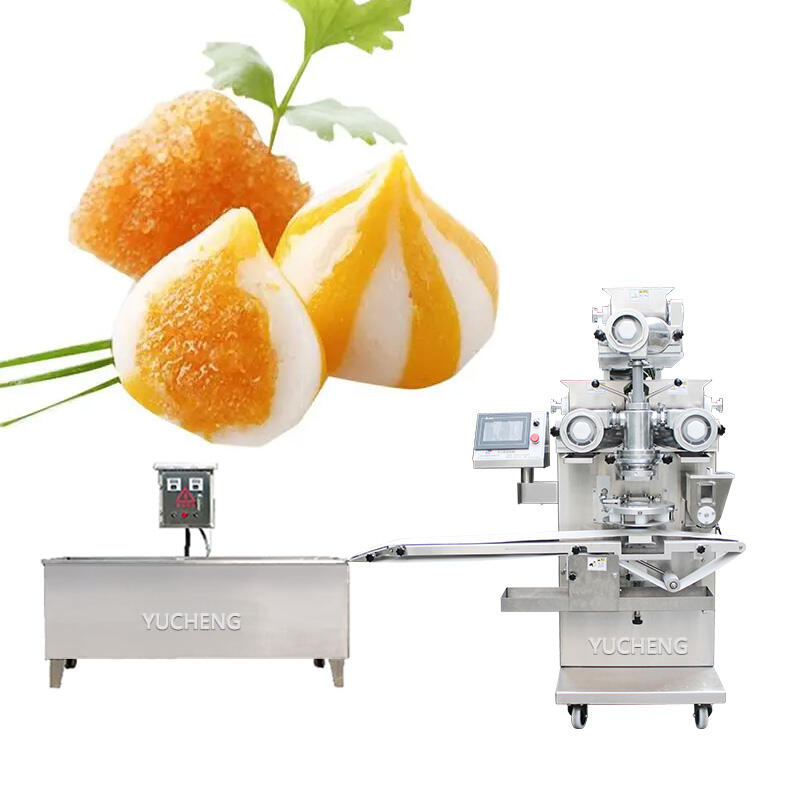
Advanced Customizable Automatic Machinery Solutions - Industrial Automation Excellence

Get a Free Quote

Our representative will contact you soon.
Email
Name
Company Name
Message
0/1000

customizable automatic machinery

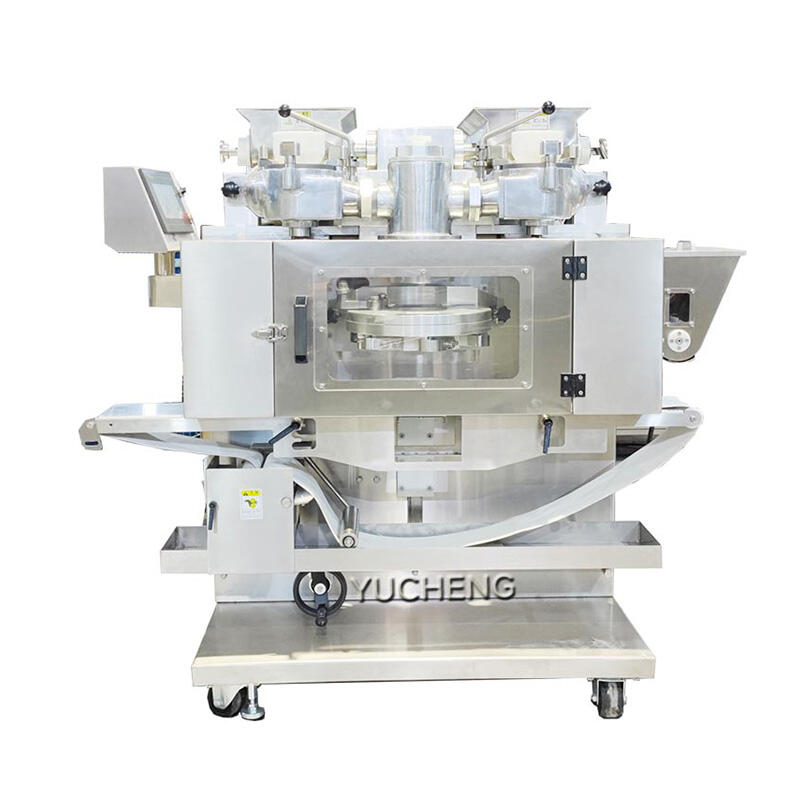
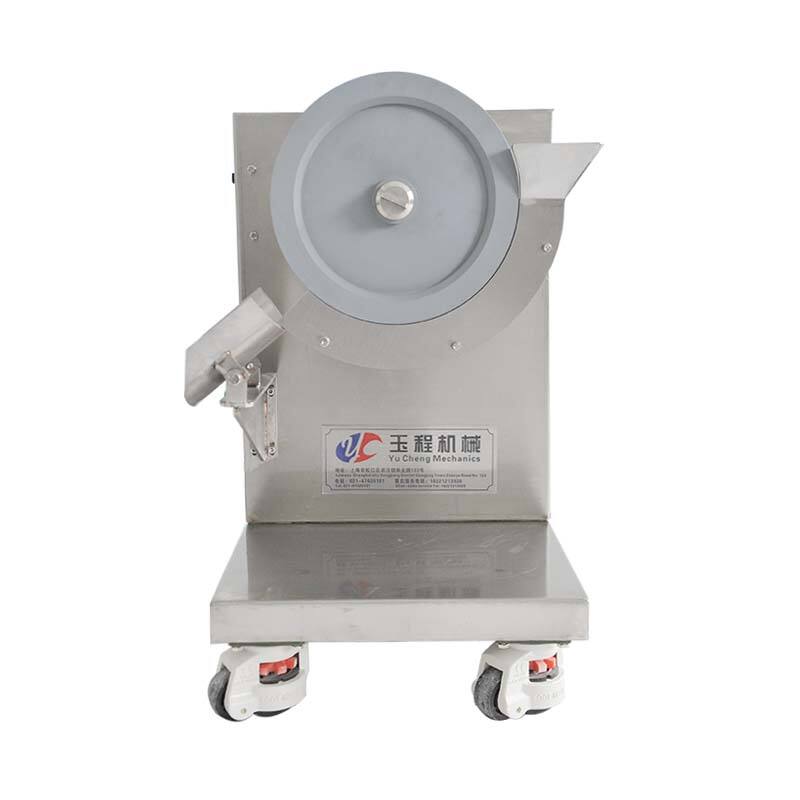
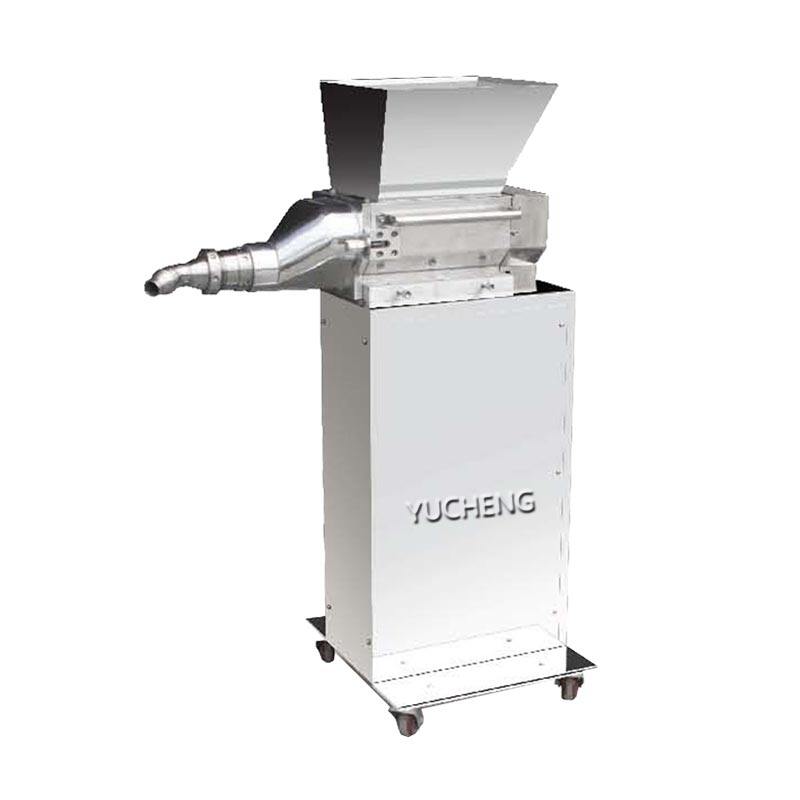
Customizable automatic machinery represents a revolutionary approach to industrial automation, offering businesses the flexibility to tailor equipment solutions to their specific operational requirements. These advanced systems combine cutting-edge technology with modular design principles, enabling manufacturers to create machinery that perfectly aligns with their production goals and workflow demands. The customizable automatic machinery integrates sophisticated control systems, precision sensors, and intelligent software to deliver consistent, high-quality results across various industrial applications. At its core, this machinery features programmable logic controllers that can be configured to handle multiple tasks simultaneously, from material handling and processing to quality control and packaging. The technological architecture includes advanced servo motors, variable frequency drives, and real-time monitoring systems that ensure optimal performance while maintaining energy efficiency. These systems incorporate human-machine interfaces that simplify operation and provide comprehensive data analytics for continuous improvement. The modular construction of customizable automatic machinery allows for seamless integration of additional components as business needs evolve, making it an ideal investment for growing enterprises. Applications span across numerous industries including automotive manufacturing, food processing, pharmaceutical production, electronics assembly, and textile manufacturing. The machinery excels in environments requiring precise repeatability, high-speed operations, and consistent quality standards. Key functions include automated sorting, precision cutting, robotic assembly, packaging operations, and quality inspection processes. The technological features encompass adaptive learning algorithms that optimize performance based on historical data, predictive maintenance capabilities that minimize downtime, and remote monitoring systems that enable real-time troubleshooting. Safety features are integrated throughout the design, including emergency stop systems, protective barriers, and fail-safe mechanisms that protect both operators and equipment. The customizable nature extends to software configurations, mechanical components, and control interfaces, ensuring that each system meets the unique demands of its intended application while maintaining the reliability and efficiency expected from modern industrial automation solutions.

New Product Recommendations

Customizable automatic machinery delivers substantial cost savings by eliminating the need for multiple specialized machines, as a single system can perform various functions through configuration changes. This versatility reduces equipment procurement costs, maintenance expenses, and training requirements for operators. The machinery adapts quickly to changing production demands, allowing manufacturers to modify processes without significant capital investment or lengthy downtime periods. Productivity increases dramatically when businesses implement customizable automatic machinery, as these systems operate continuously with minimal human intervention while maintaining consistent output quality. The precision engineering ensures reduced waste and improved material utilization, directly impacting profit margins through better resource management. Energy efficiency features built into the customizable automatic machinery help companies reduce operational costs while meeting environmental sustainability goals. The systems optimize power consumption through intelligent load management and variable speed controls that adjust automatically based on production requirements. Flexibility stands as a primary advantage, enabling manufacturers to respond rapidly to market changes and customer demands without restructuring their entire production line. The modular design allows for incremental upgrades and expansions, protecting initial investments while providing growth opportunities. Quality control improves significantly through integrated monitoring systems that detect variations in real-time and make immediate adjustments to maintain product standards. This capability reduces defect rates and eliminates costly rework processes that typically burden traditional manufacturing operations. The customizable automatic machinery requires fewer skilled operators compared to manual processes, addressing labor shortage challenges while reducing human error risks. Training becomes more straightforward due to intuitive interfaces and standardized operating procedures across different configurations. Maintenance scheduling becomes predictable through built-in diagnostic systems that monitor component health and predict service needs before failures occur. This proactive approach minimizes unexpected downtime and extends equipment lifespan. The scalability of customizable automatic machinery means companies can start with basic configurations and expand capabilities as business grows, making it accessible to small and medium enterprises. Data collection capabilities provide valuable insights into production efficiency, helping managers make informed decisions about process optimization and resource allocation. The return on investment accelerates through improved throughput, reduced labor costs, and enhanced product quality that commands premium pricing in competitive markets.

Practical Tips

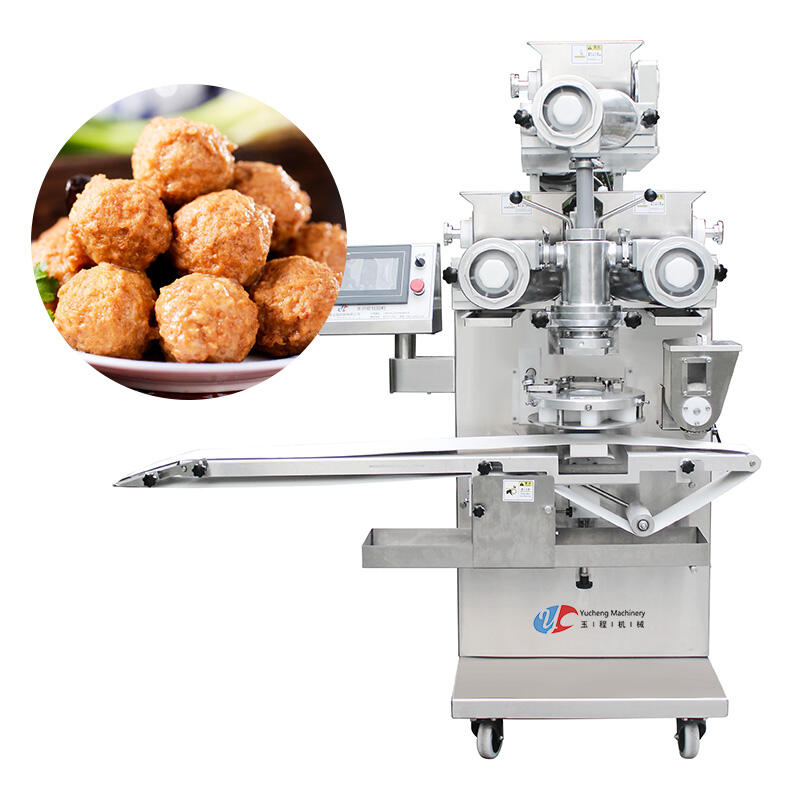
How Can a Meatball Machine Boost Productivity in Food Processing?

21

Oct

How Can a Meatball Machine Boost Productivity in Food Processing?

Revolutionizing Food Production with Advanced Meatball Processing Technology The food processing industry continues to evolve with innovative solutions that enhance efficiency and productivity. Among these innovations, the meatball machine stands out...
View More
Why choose automatic machinery over manual processes?

23

Dec

Why choose automatic machinery over manual processes?

The manufacturing landscape has undergone a dramatic transformation over the past few decades, with automatic machinery emerging as a cornerstone of modern industrial operations. Companies across various sectors are increasingly recognizing the subst...
View More
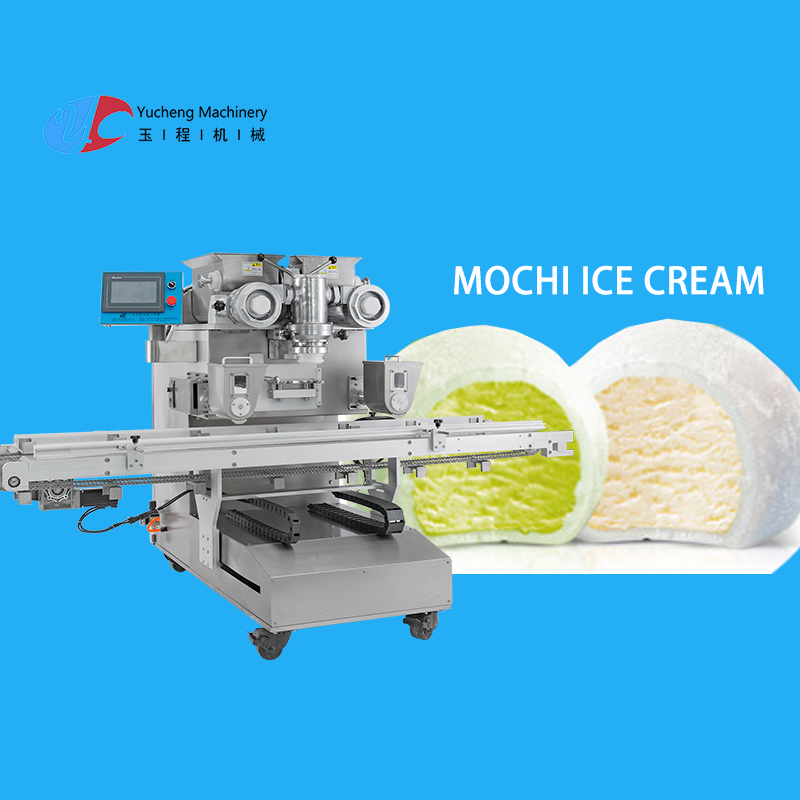
How to select the right mochi ice cream machine size?

23

Dec

How to select the right mochi ice cream machine size?

Selecting the appropriate mochi ice cream machine for your business requires careful consideration of multiple factors that directly impact production capacity, operational efficiency, and long-term profitability. The size of your mochi ice cream mac...
View More
What Makes Commercial Fishball Machines So Efficient?

23

Dec

What Makes Commercial Fishball Machines So Efficient?

Commercial food production has revolutionized how restaurants and food manufacturers create consistent, high-quality products at scale. The fishball machine represents a pinnacle of engineering efficiency in automated food processing, transforming tr...
View More

Get a Free Quote

Our representative will contact you soon.
Email
Name
Company Name
Message
0/1000

customizable automatic machinery

Advanced Modular Configuration System

Advanced Modular Configuration System

The advanced modular configuration system represents the cornerstone of customizable automatic machinery, offering unprecedented flexibility in industrial automation solutions. This innovative approach allows manufacturers to build and modify their production systems using interchangeable components that can be easily reconfigured as operational needs change. The modular design philosophy ensures that businesses can start with essential functions and systematically add capabilities without replacing entire systems, making it a cost-effective solution for companies at any growth stage. Each module within the customizable automatic machinery is engineered to communicate seamlessly with other components through standardized interfaces and communication protocols. This integration capability eliminates compatibility issues and reduces implementation time significantly. The system supports hot-swappable modules, allowing maintenance and upgrades to occur without shutting down the entire production line, thereby maximizing operational uptime. Manufacturing facilities benefit from the ability to reconfigure their customizable automatic machinery for different product lines or seasonal demands without investing in additional equipment. The modular approach extends to software configurations, where operators can adjust parameters, modify control logic, and implement new procedures through user-friendly interfaces. This software modularity enables rapid prototyping of new processes and quick adaptation to changing quality standards or regulatory requirements. The physical modules are designed with robust construction materials and precision engineering to ensure reliability under demanding industrial conditions. Each component undergoes rigorous testing to meet strict quality standards and maintain consistent performance across different operational scenarios. The modular configuration system also facilitates predictive maintenance by allowing individual components to be monitored independently, providing detailed diagnostics that help prevent unexpected failures and optimize maintenance schedules. This granular approach to system monitoring ensures that potential issues are identified and addressed before they impact production output. Additionally, the modular design supports future technology upgrades, allowing businesses to incorporate new innovations without overhauling their entire automation infrastructure, thereby protecting their long-term investment in customizable automatic machinery.
Intelligent Process Optimization Technology

Intelligent Process Optimization Technology

Intelligent process optimization technology transforms customizable automatic machinery into learning systems that continuously improve performance through data analysis and adaptive algorithms. This sophisticated feature set enables machinery to analyze production patterns, identify inefficiencies, and automatically implement corrections that enhance overall system performance. The technology incorporates machine learning algorithms that process vast amounts of operational data to discover optimization opportunities that might not be apparent through traditional analysis methods. The customizable automatic machinery collects real-time information from sensors, cameras, and monitoring devices positioned throughout the production line, creating a comprehensive dataset that reveals insights about process behavior and equipment performance. This data-driven approach enables the system to predict optimal settings for different products, materials, and environmental conditions, ensuring consistent quality output regardless of variations in input parameters. The intelligent optimization extends to energy management, where the machinery automatically adjusts power consumption based on production schedules and operational requirements, resulting in significant cost savings and reduced environmental impact. Process parameters such as speed, temperature, pressure, and timing are continuously monitored and adjusted in real-time to maintain optimal performance levels while minimizing waste and maximizing throughput. The technology also includes predictive quality control features that identify potential defects before they occur, allowing for preventive adjustments that eliminate waste and reduce rework costs. Operators benefit from intuitive dashboards that present optimization recommendations in clear, actionable formats, enabling informed decision-making without requiring extensive technical expertise. The customizable automatic machinery learns from successful configurations and automatically applies proven optimization strategies to similar production scenarios, building an institutional knowledge base that improves over time. This learning capability ensures that system performance continuously improves as more data becomes available, providing long-term value that extends well beyond the initial implementation period. The intelligent process optimization technology also supports remote monitoring and adjustment capabilities, allowing engineers and technicians to fine-tune system performance from anywhere with internet connectivity, reducing the need for on-site visits and enabling faster response times to optimization opportunities.
Comprehensive Safety and Compliance Integration

Comprehensive Safety and Compliance Integration

Comprehensive safety and compliance integration ensures that customizable automatic machinery meets the highest industry standards while protecting workers and maintaining regulatory compliance across diverse operational environments. This critical feature encompasses multiple layers of safety systems, from physical barriers and emergency stops to advanced monitoring technologies that prevent accidents and ensure safe operation under all conditions. The machinery incorporates fail-safe mechanisms that automatically shut down operations if sensors detect potentially hazardous conditions, such as improper material placement, unexpected vibrations, or temperature variations outside acceptable ranges. These safety protocols are deeply integrated into the control systems, making them an inherent part of the operational logic rather than add-on features that could be bypassed or disabled. The customizable automatic machinery includes comprehensive documentation and audit trails that demonstrate compliance with industry regulations such as ISO standards, FDA requirements for food and pharmaceutical applications, and OSHA workplace safety guidelines. This documentation capability simplifies regulatory inspections and helps companies maintain their certifications and operating licenses. Access control features ensure that only authorized personnel can operate or modify the machinery, with different permission levels for operators, maintenance technicians, and system administrators. This hierarchical access system prevents unauthorized changes that could compromise safety or performance while maintaining operational flexibility for qualified users. The safety integration extends to predictive monitoring systems that identify potential hazards before they manifest as actual risks, allowing for proactive interventions that prevent accidents and equipment damage. Environmental monitoring capabilities track air quality, noise levels, and other workplace factors that impact employee health and safety, providing alerts when conditions exceed acceptable thresholds. The customizable automatic machinery also includes emergency response protocols that automatically notify appropriate personnel when safety incidents occur, ensuring rapid response and proper documentation of events. Training modules integrated into the system help ensure that operators understand safety procedures and can respond appropriately to various scenarios. The compliance features automatically generate required reports and maintain historical records that demonstrate ongoing adherence to safety standards and regulatory requirements. This comprehensive approach to safety and compliance reduces liability risks, protects employee welfare, and ensures uninterrupted operations by preventing regulatory violations that could result in costly shutdowns or penalties.
Inquiry Inquiry Email Email Youtube Youtube Tiktok Tiktok TopTop

Get a Free Quote

Our representative will contact you soon.
Email
Name
Company Name
Message
0/1000