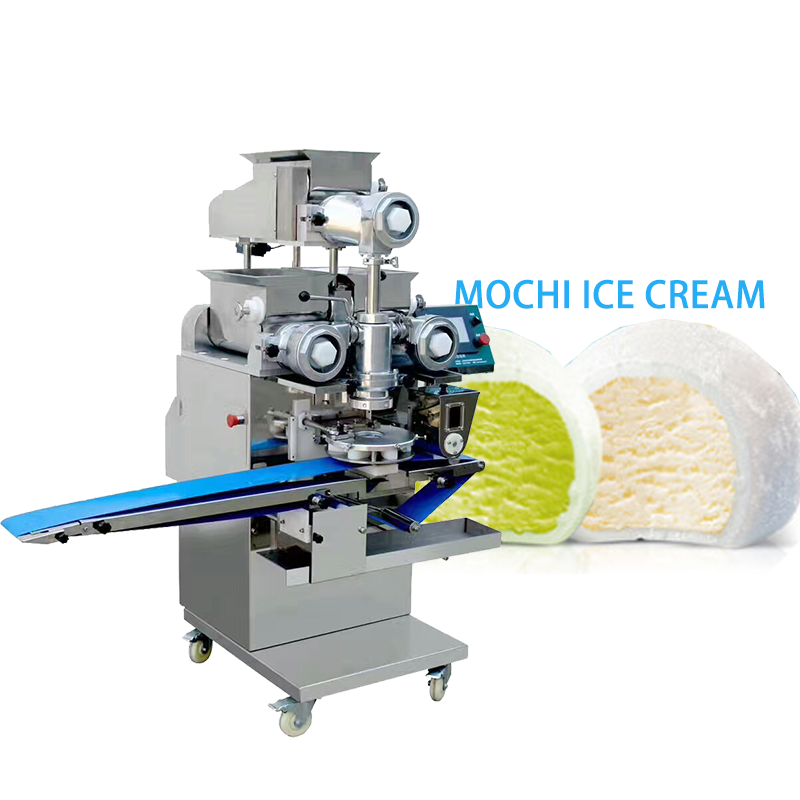
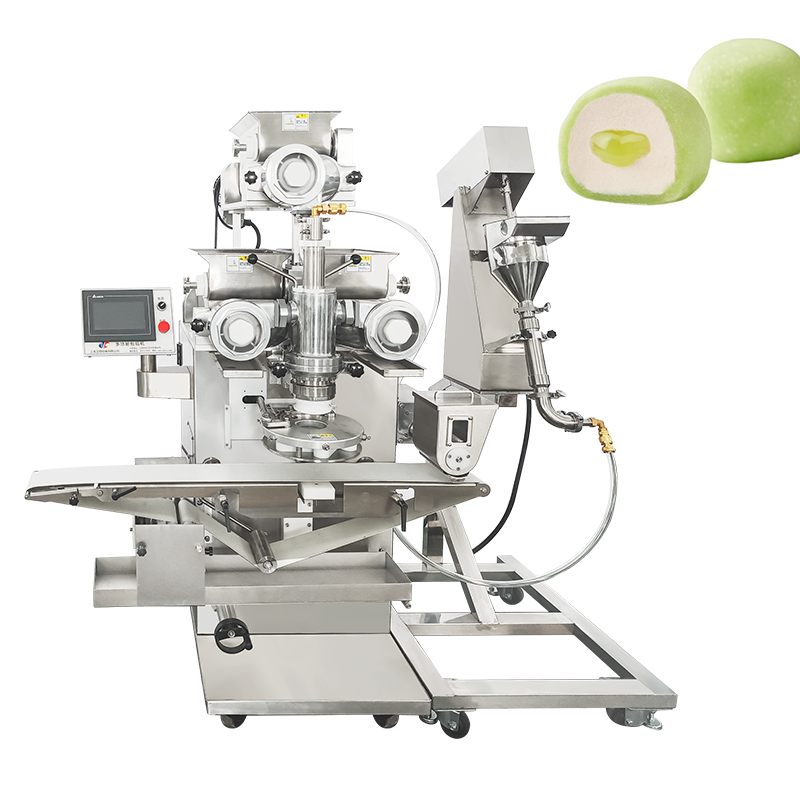
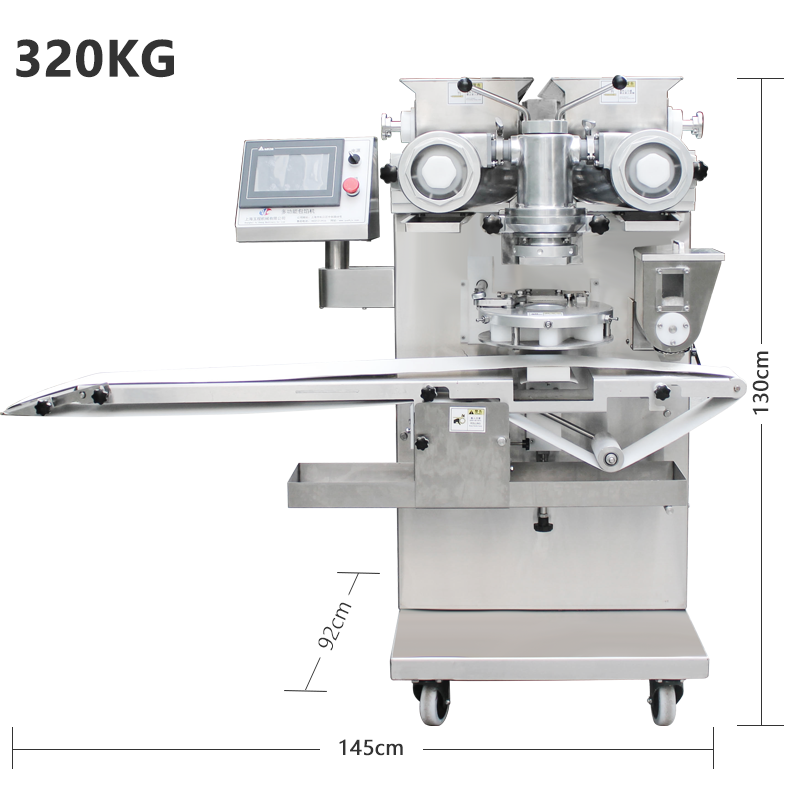
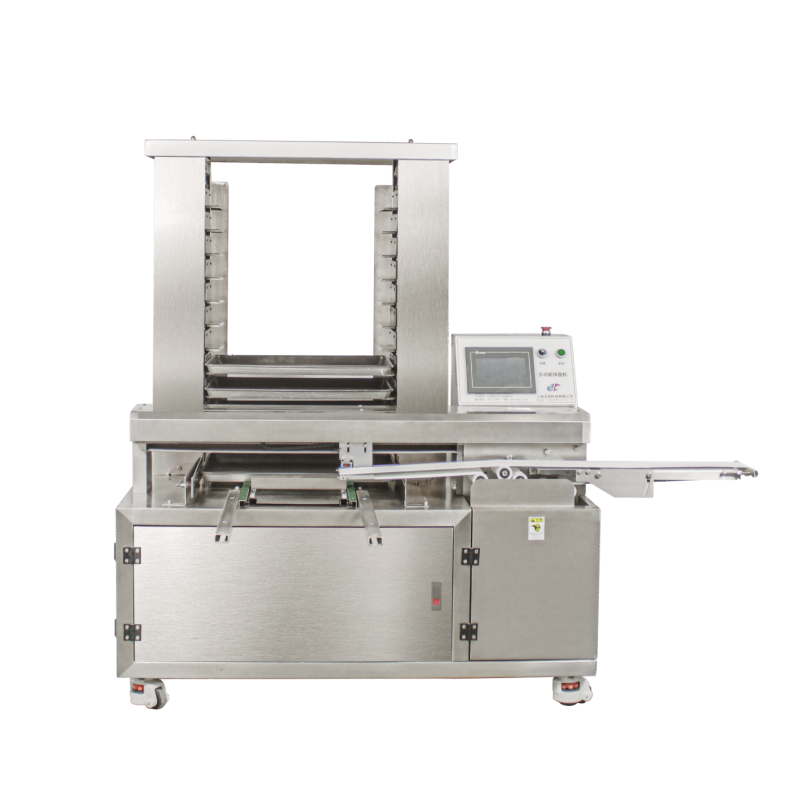
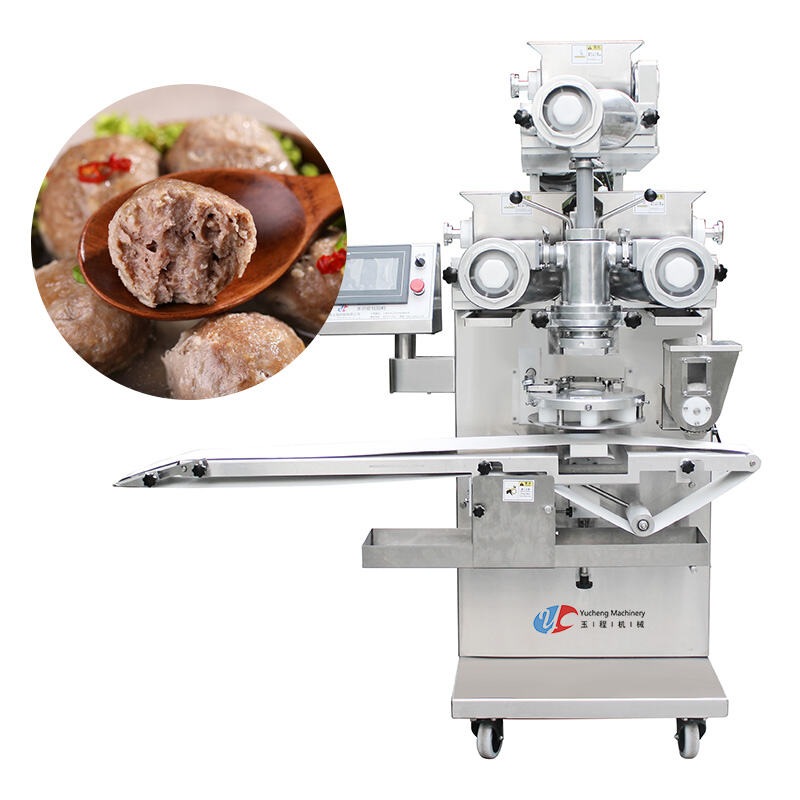
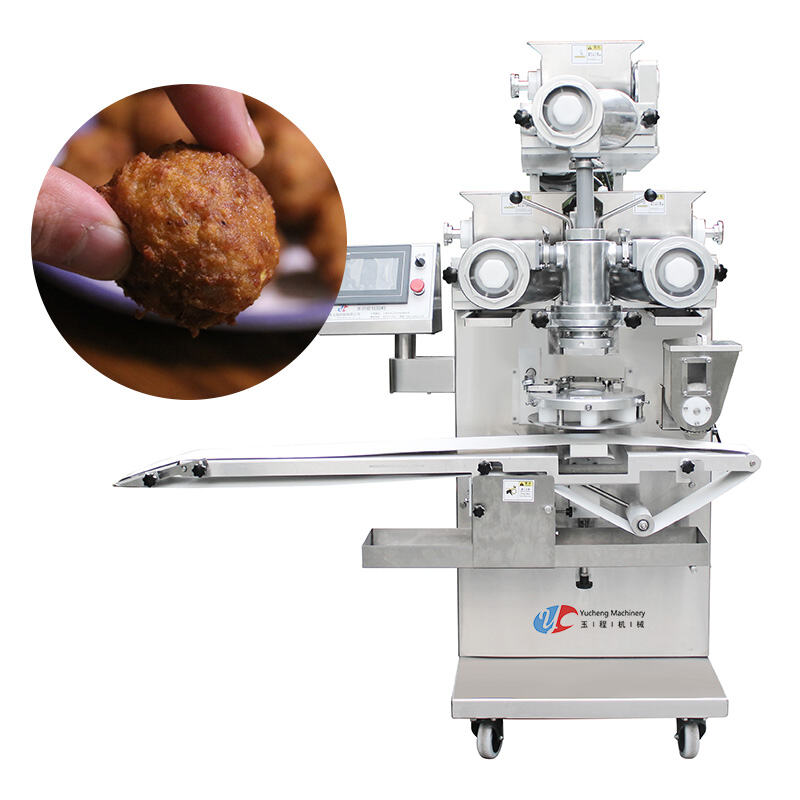
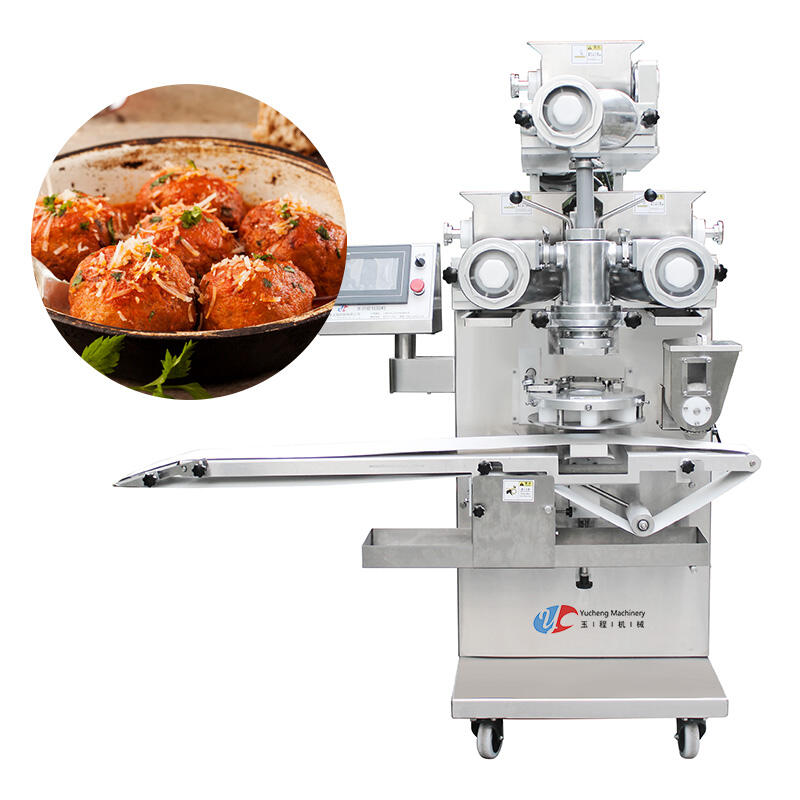
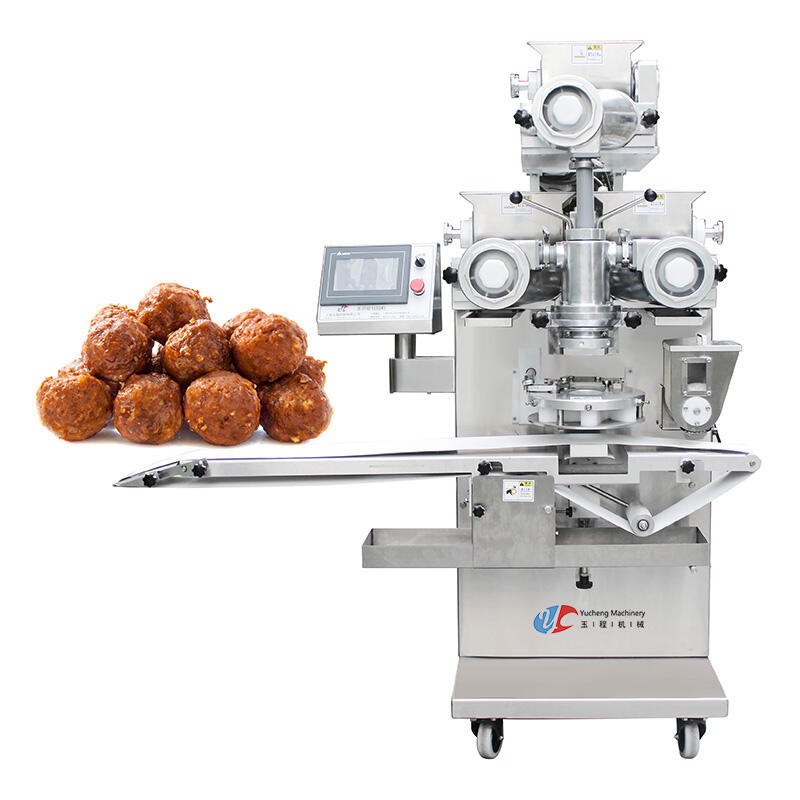
Commercial Meatball Maker - High-Volume Automated Food Production Equipment

Get a Free Quote

Our representative will contact you soon.
Email
Name
Company Name
Message
0/1000

commercial meatball maker

A commercial meatball maker represents an essential piece of equipment for restaurants, catering services, and food production facilities seeking to streamline their meatball preparation process. This specialized machine automates the traditionally labor-intensive task of forming consistent, uniform meatballs from various meat mixtures. The commercial meatball maker operates through precision engineering that combines efficiency with reliability, making it an indispensable tool for establishments that serve large volumes of customers daily. These machines typically feature robust construction using food-grade stainless steel components that ensure durability and compliance with health regulations. The core functionality revolves around automated portioning and shaping mechanisms that can handle different meat consistencies, from ground beef and pork to poultry and seafood mixtures. Advanced models incorporate adjustable sizing controls that allow operators to produce meatballs ranging from appetizer-sized portions to substantial main course servings. The technological features include variable speed controls that accommodate different meat textures and moisture levels, ensuring optimal formation without compromising the integrity of delicate ingredients. Many units feature interchangeable forming plates that enable quick transitions between different meatball sizes during production runs. The applications extend across diverse culinary environments, from Italian restaurants specializing in traditional pasta dishes to Swedish establishments famous for their iconic meatball presentations. Institutional kitchens in schools, hospitals, and corporate cafeterias benefit significantly from these machines when preparing large quantities for daily meal service. Food processing companies utilize industrial-grade versions for mass production and packaging operations. The commercial meatball maker eliminates the inconsistency associated with manual shaping while dramatically reducing preparation time and labor costs, making it a valuable investment for any operation that regularly incorporates meatballs into their menu offerings.

New Product Recommendations

The commercial meatball maker delivers substantial operational benefits that transform kitchen productivity and enhance food quality consistency. Time savings represent one of the most significant advantages, as these machines can produce hundreds of uniform meatballs per hour compared to the much slower manual process that requires skilled staff members to roll each portion by hand. This efficiency boost allows kitchen teams to allocate their time and expertise to other critical food preparation tasks, ultimately improving overall service speed and customer satisfaction. Labor cost reduction becomes immediately apparent when establishments calculate the hours saved through automation, particularly during peak service periods when consistent output maintains steady kitchen workflow. The uniformity achieved through mechanical precision ensures that every meatball maintains identical size and weight, which directly impacts cooking times and portion control accuracy. This consistency eliminates the common problem of unevenly cooked batches where smaller pieces overcook while larger ones remain undercooked. Quality control improves dramatically as the standardized shaping process reduces handling time and minimizes temperature fluctuations that can affect meat safety. The reduced manual contact also decreases contamination risks while maintaining proper food safety protocols throughout production. Flexibility in production scheduling allows kitchens to prepare large batches during off-peak hours, storing properly formed meatballs for later cooking as demand requires. This advance preparation capability proves especially valuable for establishments with predictable service patterns or special event catering needs. The cost-effectiveness extends beyond labor savings to include reduced food waste, as precise portioning eliminates the guesswork associated with manual sizing that often results in oversized portions or unusable scraps. Staff training requirements decrease significantly since operating these machines requires minimal specialized skills compared to developing the muscle memory and technique needed for consistent hand-rolling. The professional appearance of machine-formed meatballs enhances plate presentation and customer perception of food quality. Maintenance requirements remain minimal with proper cleaning protocols, ensuring reliable daily operation without expensive downtime or frequent repairs that could disrupt service.

Latest News

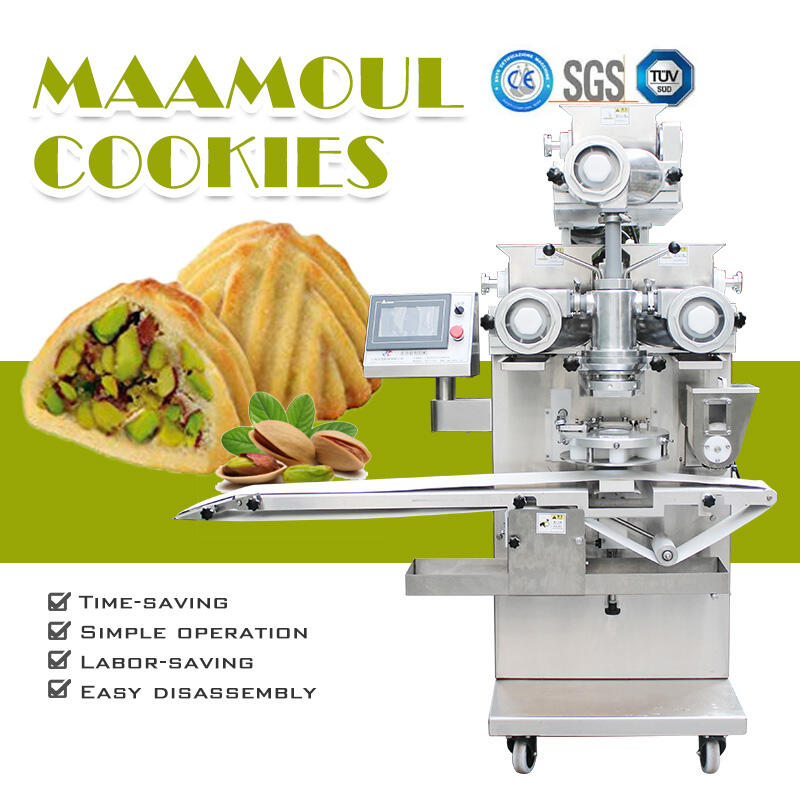
Can a Maamoul Making Machine Help Expand Your Pastry Business?

21

Oct

Can a Maamoul Making Machine Help Expand Your Pastry Business?

Transforming Traditional Middle Eastern Pastry Production The art of creating maamoul, those beloved Middle Eastern cookies filled with dates, pistachios, or walnuts, has long been a labor of love passed down through generations. However, as pastry b...
View More
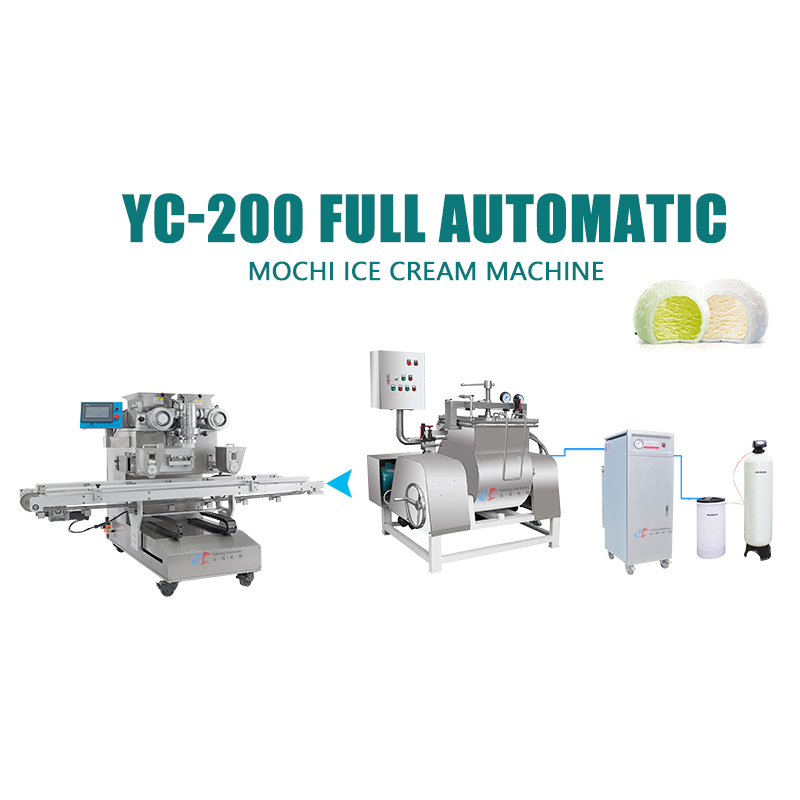
How does a mochi ice cream machine work in 2025?

23

Dec

How does a mochi ice cream machine work in 2025?

The modern mochi ice cream machine has revolutionized dessert production in commercial kitchens worldwide, transforming a traditionally labor-intensive process into an efficient automated system. These sophisticated machines combine precision enginee...
View More
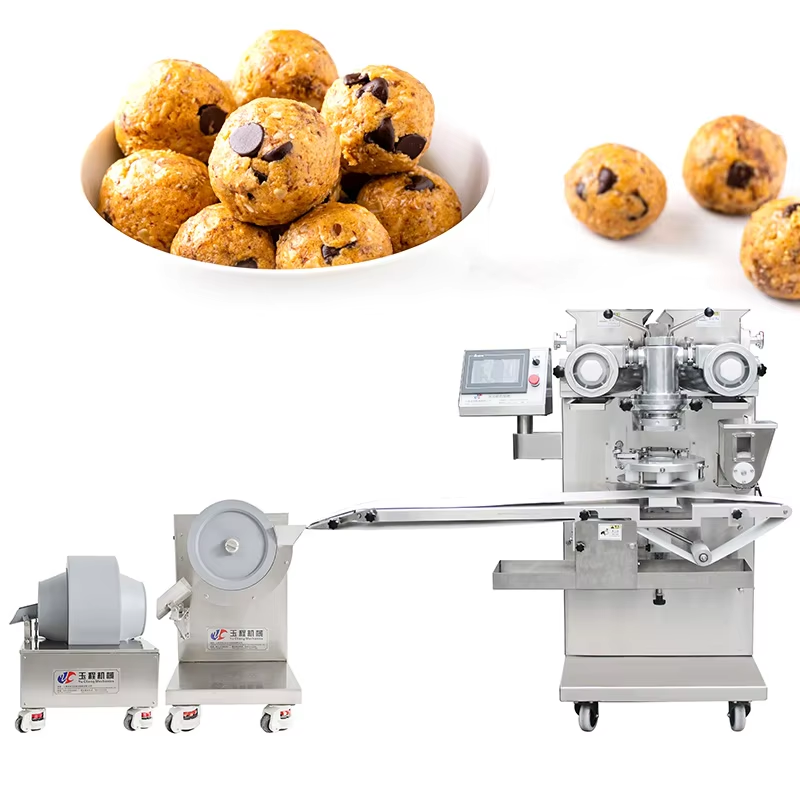
How does a date ball machine improve production efficiency?

23

Dec

How does a date ball machine improve production efficiency?

Modern food manufacturing facilities are continuously seeking innovative solutions to enhance their production capabilities while maintaining consistent quality standards. The implementation of automated equipment has revolutionized how specialty foo...
View More
How to choose the right meatball machine for your kitchen?

21

Jan

How to choose the right meatball machine for your kitchen?

Selecting the perfect meatball machine for your commercial or home kitchen requires careful consideration of multiple factors that directly impact production efficiency, product quality, and operational costs. Whether you're running a bustling restau...
View More

Get a Free Quote

Our representative will contact you soon.
Email
Name
Company Name
Message
0/1000

commercial meatball maker

Advanced Precision Portioning System

Advanced Precision Portioning System

The precision portioning system represents the cornerstone technology that sets the commercial meatball maker apart from conventional food preparation methods. This sophisticated mechanism utilizes calibrated volumetric controls that ensure each meatball contains exactly the predetermined amount of meat mixture, eliminating the variations inherent in manual preparation techniques. The system operates through precision-engineered chambers that measure and dispense consistent portions with remarkable accuracy, typically maintaining variance levels within two percent of the target weight. This level of precision proves crucial for establishments that must control food costs while maintaining consistent portion sizes across all servings. The portioning mechanism accommodates various meat textures and moisture levels through adjustable pressure settings that prevent the formation of dense, compacted meatballs while ensuring proper cohesion for cooking stability. Advanced sensors within the system detect changes in mixture consistency and automatically adjust dispensing parameters to maintain uniformity throughout extended production runs. The technology incorporates quick-change sizing components that allow operators to switch between different meatball sizes within minutes, enabling kitchens to produce multiple menu items using the same equipment. This versatility proves especially valuable for establishments offering appetizer portions, main course servings, and specialty sizes for different culinary applications. The precision system reduces ingredient waste significantly by eliminating the oversized portions that commonly occur with manual shaping, where inexperienced staff members often err on the side of generosity to ensure adequate serving sizes. The consistent portioning also streamlines inventory management by providing accurate yield calculations from raw ingredient quantities, enabling more precise purchasing decisions and better cost control. Quality assurance benefits from this precision as cooking times become predictable across entire batches, reducing the risk of undercooked or overcooked products that could compromise food safety or customer satisfaction. The system's reliability ensures that kitchens can maintain consistent menu standards regardless of staff skill levels or experience variations, making it particularly valuable for operations with high employee turnover rates.
High-Volume Production Capacity

High-Volume Production Capacity

The high-volume production capacity of commercial meatball makers revolutionizes kitchen operations by delivering unprecedented output rates that match the demands of busy food service environments. These machines typically produce between 1200 to 3000 meatballs per hour, depending on size specifications and model configurations, representing a productivity increase of up to 500 percent compared to traditional hand-rolling methods. This exceptional throughput enables restaurants and catering operations to prepare substantial quantities during off-peak hours, creating inventory reserves that support seamless service during rush periods without compromising freshness or quality. The continuous operation capability allows for uninterrupted production runs lasting several hours, making it possible to fulfill large catering orders or prepare weekly inventory for high-volume establishments. The machine's design incorporates large-capacity hoppers that hold significant quantities of meat mixture, reducing the frequency of refilling operations and maintaining consistent workflow momentum. Advanced models feature dual-stage processing that combines mixing and forming operations in a single continuous process, further enhancing production efficiency while reducing handling requirements. The high-capacity output proves particularly valuable for institutional kitchens serving hundreds of meals daily, where manual preparation would require extensive labor resources and extended preparation times that could disrupt meal service schedules. Catering businesses benefit enormously from this capability when handling multiple simultaneous events or large gatherings requiring thousands of meatballs within tight deadlines. The production rate consistency ensures that kitchen managers can accurately predict completion times for large orders, improving scheduling reliability and customer service quality. The volume capacity also enables economies of scale in ingredient purchasing, as larger batch sizes reduce preparation setup time per unit produced while maximizing equipment utilization efficiency. Food processing companies leverage this high-volume capability for commercial production lines that supply retail distribution networks or wholesale customers requiring consistent supply quantities. The robust construction ensures that sustained high-volume operation does not compromise machine longevity or performance reliability, providing consistent output rates throughout extended service periods without degradation in product quality or operational efficiency.
Hygienic Design and Easy Maintenance

Hygienic Design and Easy Maintenance

The hygienic design and maintenance features of commercial meatball makers address critical food safety requirements while minimizing operational disruptions associated with cleaning and upkeep procedures. These machines utilize food-grade stainless steel construction throughout all product-contact surfaces, providing non-porous materials that resist bacterial growth and facilitate thorough sanitization protocols required in professional kitchens. The surface finishes meet stringent health department standards while withstanding aggressive cleaning chemicals and high-temperature wash-down procedures without degradation or corrosion that could compromise food safety. The design philosophy emphasizes accessibility, with removable components and tool-free disassembly features that enable complete cleaning of all product pathways within minimal time frames. Critical areas such as forming chambers, dispensing mechanisms, and product chutes can be quickly removed for thorough cleaning and sanitization, ensuring that no residual meat particles remain trapped in inaccessible locations where bacterial contamination could develop. The smooth surface transitions and rounded corners eliminate crevices where food particles might accumulate, while drainage features ensure complete moisture removal during cleaning cycles. Advanced models incorporate wash-down capabilities with sealed electrical components that allow direct spray cleaning without risk of equipment damage or safety hazards. The maintenance requirements remain straightforward with clearly defined lubrication points, easily replaceable wear components, and comprehensive service documentation that enables routine upkeep without specialized technical expertise. Preventive maintenance schedules typically require only minutes of daily attention, focusing on basic cleaning protocols and visual inspections that kitchen staff can easily incorporate into existing sanitation routines. The durable construction minimizes unexpected breakdowns while providing clear indicators for component replacement intervals, enabling proactive maintenance scheduling that prevents service disruptions. User-friendly maintenance features include quick-disconnect fittings for cleaning solutions, removable guards for component access, and clear identification of service points that reduce maintenance time and complexity. The design compliance with NSF and other relevant safety standards ensures regulatory approval while providing documentation support for health inspections and quality audits. This emphasis on hygiene and maintainability reduces total ownership costs by minimizing downtime, extending equipment lifespan, and ensuring consistent compliance with evolving food safety regulations that govern commercial food preparation operations.

Inquiry Inquiry Email Email Youtube Youtube Tiktok Tiktok TopTop

Get a Free Quote

Our representative will contact you soon.
Email
Name
Company Name
Message
0/1000