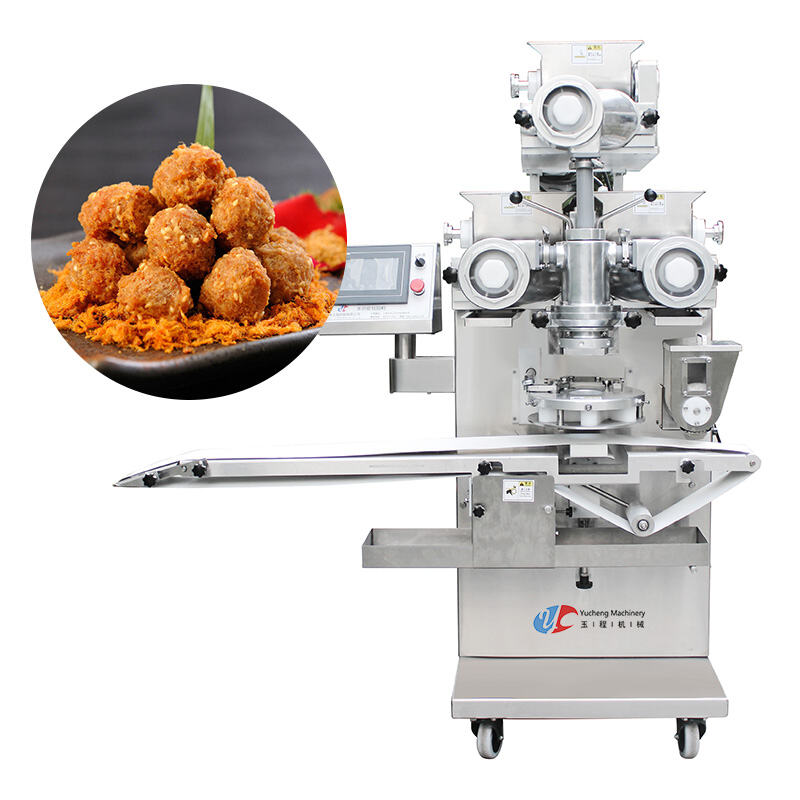
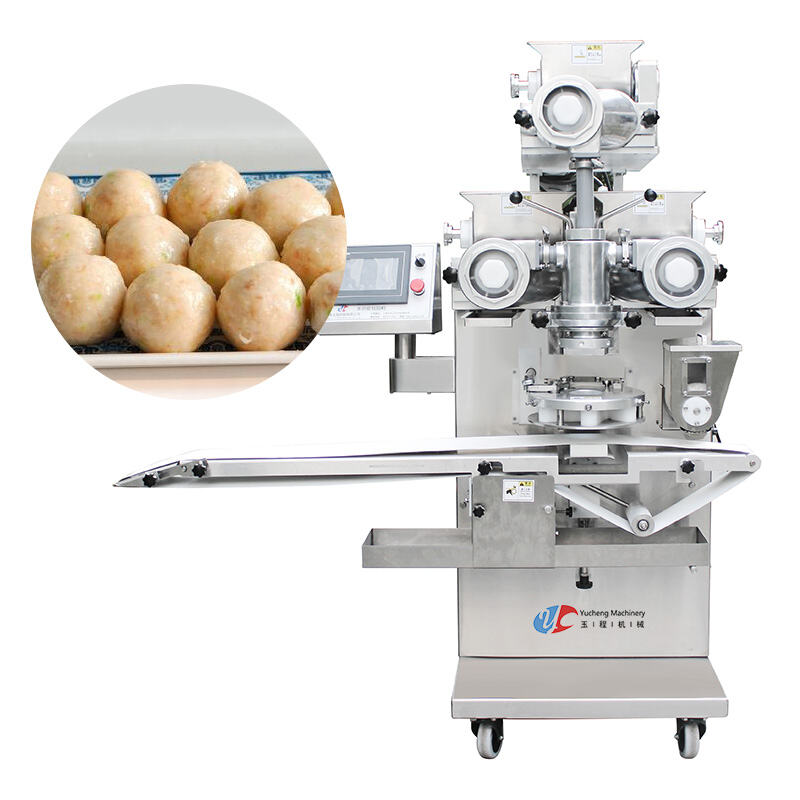
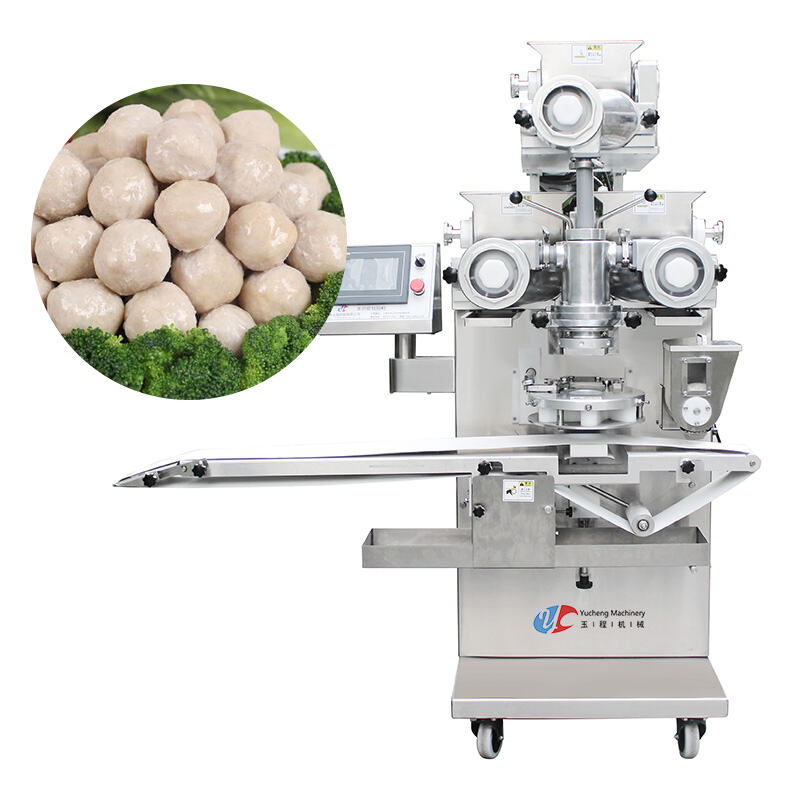
Commercial Meatball Machine - Professional Food Processing Equipment for High-Volume Production

Get a Free Quote

Our representative will contact you soon.
Email
Name
Company Name
Message
0/1000

commercial meatball machine

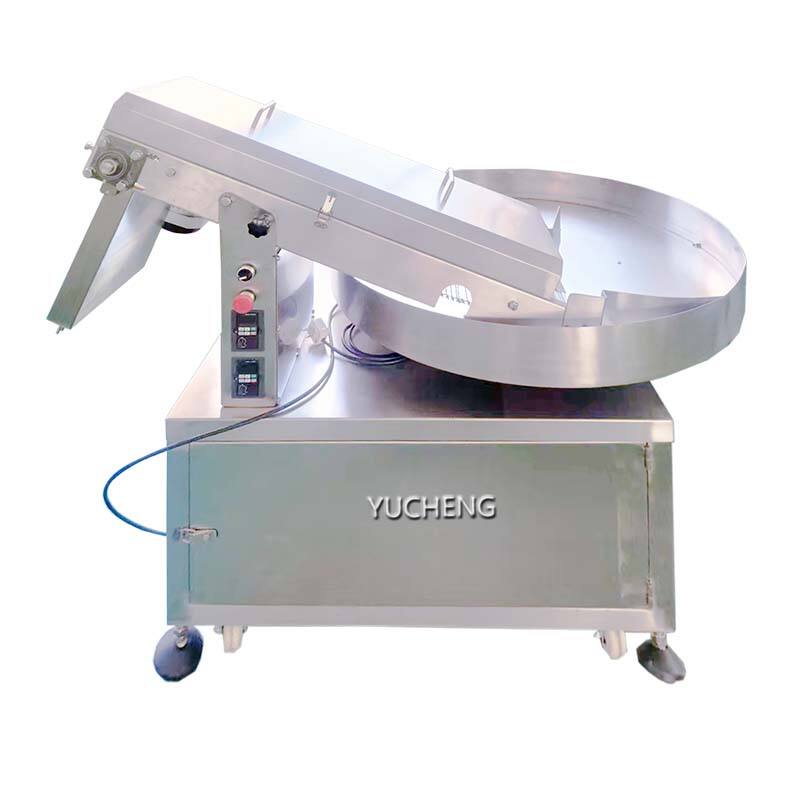
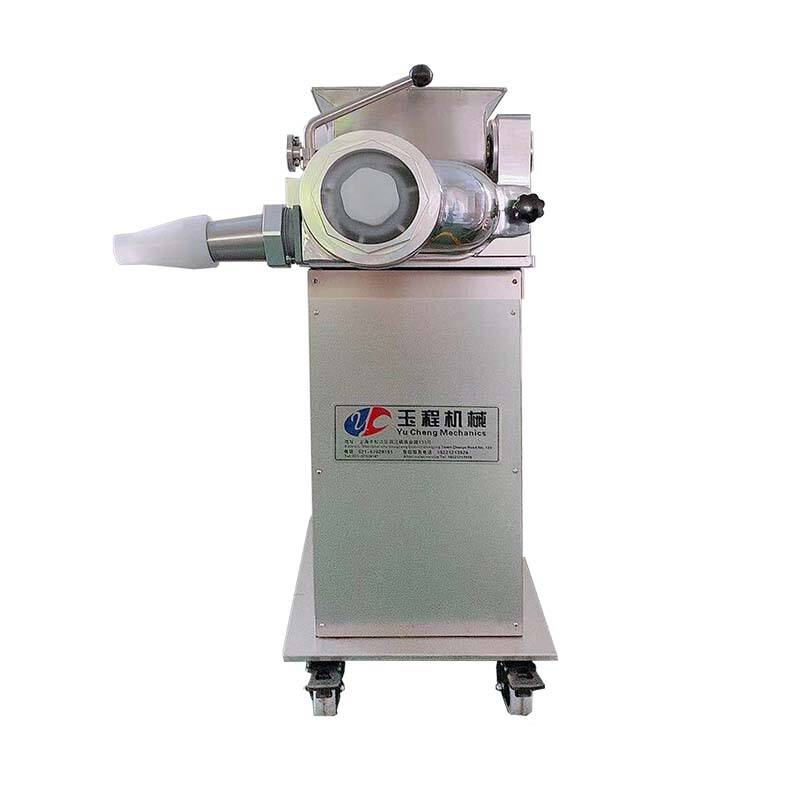
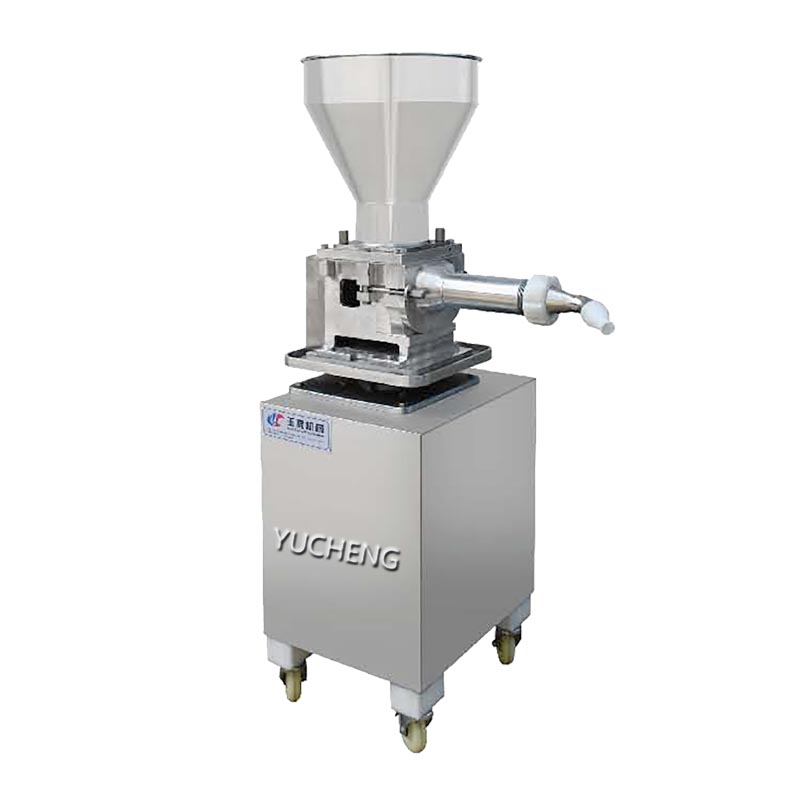
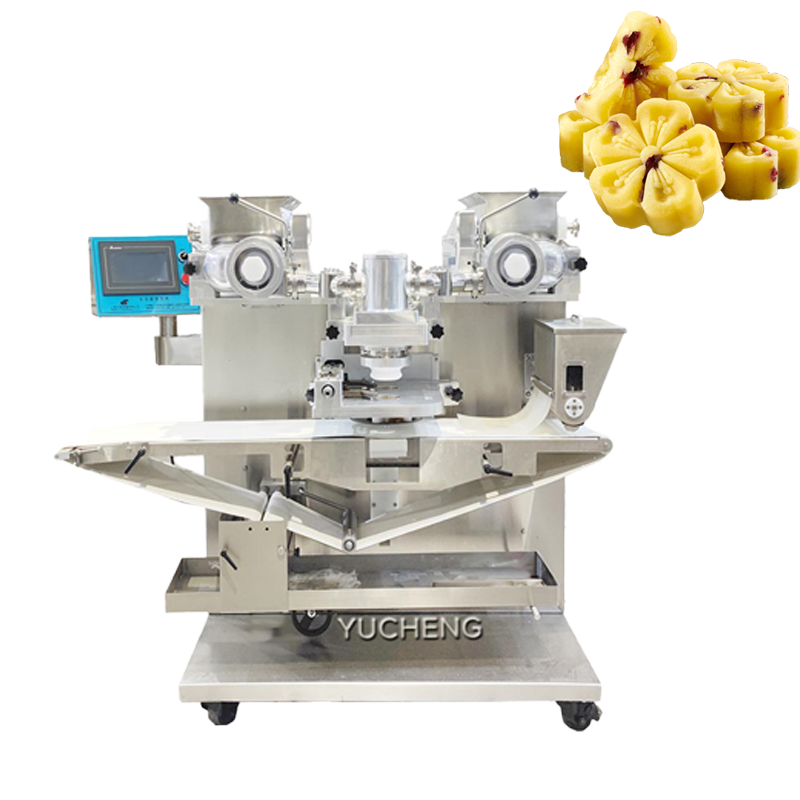
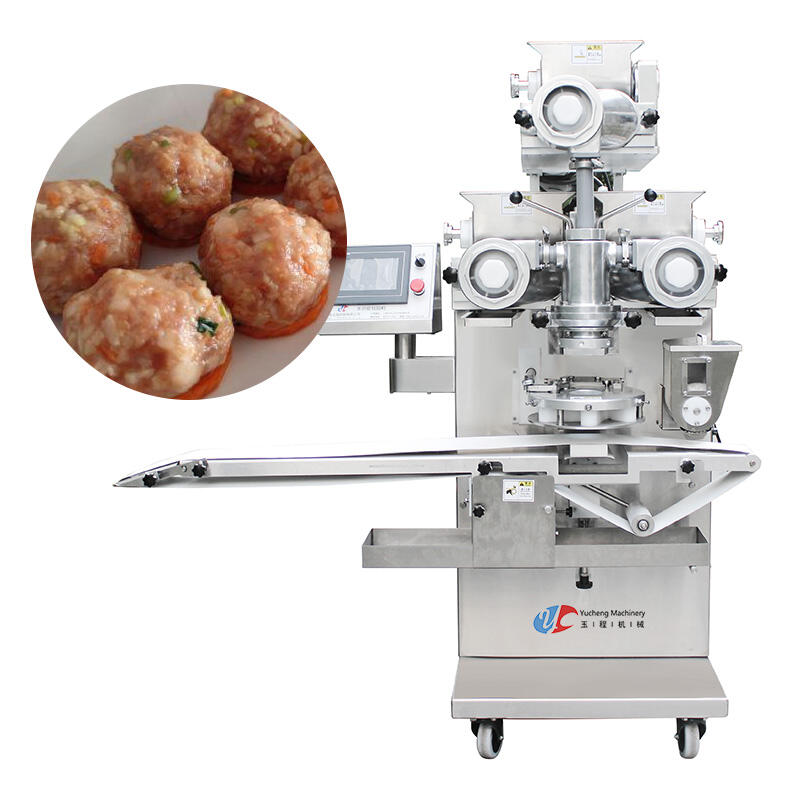
The commercial meatball machine represents a revolutionary advancement in food processing equipment, designed specifically to streamline the production of consistent, high-quality meatballs for restaurants, catering services, and food manufacturing facilities. This sophisticated piece of machinery transforms the traditionally labor-intensive process of meatball formation into an efficient, automated operation that significantly reduces preparation time while maintaining exceptional product quality. Modern commercial meatball machines utilize precision engineering to ensure uniform sizing, shape, and weight distribution across every batch produced. These machines accommodate various meat types including beef, pork, chicken, turkey, and even plant-based alternatives, making them versatile solutions for diverse culinary applications. The equipment features adjustable portion controls that allow operators to customize meatball sizes according to specific recipe requirements or customer preferences. Advanced commercial meatball machines incorporate stainless steel construction throughout their design, ensuring durability, hygiene compliance, and easy maintenance procedures. The automated feeding system efficiently processes seasoned meat mixtures through specially designed forming chambers that shape perfectly rounded meatballs without manual intervention. Temperature control systems maintain optimal processing conditions, preventing meat from becoming too warm during formation, which could compromise texture and food safety standards. Many commercial meatball machines include integrated conveyor systems that transport finished products directly to cooking stations or packaging areas, creating seamless workflow integration within busy kitchen environments. The equipment typically processes hundreds of meatballs per hour, dramatically increasing productivity compared to manual preparation methods. Safety features include emergency stop mechanisms, protective guards, and user-friendly control panels that minimize operational risks while maximizing efficiency. These machines prove invaluable for establishments requiring consistent meatball production volumes while maintaining strict quality control standards throughout their food preparation processes.

New Product Recommendations

Commercial meatball machines deliver exceptional productivity improvements that transform kitchen operations across various foodservice establishments. These machines eliminate the time-consuming manual rolling process, allowing staff to focus on other critical preparation tasks while maintaining consistent production schedules. The automated nature of commercial meatball machines ensures remarkable consistency in size, weight, and shape, which directly impacts cooking times, portion control, and customer satisfaction levels. This consistency proves particularly valuable for restaurants maintaining strict cost control measures and standardized menu offerings. The hygiene benefits of commercial meatball machines cannot be overstated, as they minimize direct hand contact with raw meat products, reducing contamination risks and supporting food safety protocols required by health departments. Stainless steel construction facilitates thorough cleaning procedures, while smooth surfaces prevent bacterial accumulation and simplify sanitization processes between production runs. Labor cost savings represent another significant advantage, as commercial meatball machines require minimal operator supervision once properly configured. A single employee can oversee multiple production cycles, effectively multiplying individual productivity while reducing overall staffing requirements during peak preparation periods. The versatility of commercial meatball machines accommodates diverse recipe formulations, from traditional beef and pork combinations to innovative turkey, chicken, and vegetarian alternatives. This flexibility allows establishments to expand menu offerings without investing in additional specialized equipment. Quality control improvements stem from the machine's ability to maintain consistent mixing and forming pressures, ensuring uniform texture and density throughout each batch. The reduced handling also preserves meat integrity, preventing over-working that can result in tough, dense final products. Commercial meatball machines typically feature adjustable settings that accommodate different portion sizes, enabling operators to produce appetizer-sized meatballs for events or larger portions for main course applications. The equipment's durability ensures long-term reliability, with many units operating efficiently for decades when properly maintained. Energy efficiency represents another practical benefit, as modern commercial meatball machines consume minimal electricity while delivering maximum output. The compact footprint of most units makes them suitable for kitchens with limited space, while their mobility allows repositioning as operational needs change. These machines also support inventory management by enabling precise portion control and reducing waste associated with inconsistent manual preparation methods.

Practical Tips

Explore the Key Advantages of Using a Meatball Machine in Kitchens

21

Oct

Explore the Key Advantages of Using a Meatball Machine in Kitchens

Revolutionizing Kitchen Efficiency with Modern Meatball Production The food service industry continues to evolve with innovative technologies that streamline kitchen operations. Among these game-changing innovations, the meatball machine stands out a...
View More
Why choose automatic machinery over manual processes?

23

Dec

Why choose automatic machinery over manual processes?

The manufacturing landscape has undergone a dramatic transformation over the past few decades, with automatic machinery emerging as a cornerstone of modern industrial operations. Companies across various sectors are increasingly recognizing the subst...
View More
How to select the right mochi ice cream machine size?

23

Dec

How to select the right mochi ice cream machine size?

Selecting the appropriate mochi ice cream machine for your business requires careful consideration of multiple factors that directly impact production capacity, operational efficiency, and long-term profitability. The size of your mochi ice cream mac...
View More
How to select the right maamoul making machine in 2025?

23

Dec

How to select the right maamoul making machine in 2025?

The traditional art of maamoul production has undergone a remarkable transformation in recent years, with commercial bakeries and food manufacturers increasingly turning to automated solutions. A maamoul making machine represents the perfect fusion o...
View More

Get a Free Quote

Our representative will contact you soon.
Email
Name
Company Name
Message
0/1000

commercial meatball machine

Advanced Portion Control Technology

Advanced Portion Control Technology

The precision portion control system integrated into commercial meatball machines represents a breakthrough in food processing accuracy that delivers measurable benefits for foodservice operations. This sophisticated technology employs calibrated dispensing mechanisms that ensure each meatball maintains identical weight specifications, typically accurate within one gram variance across entire production runs. The system utilizes pressure-sensitive chambers that portion exact amounts of meat mixture before forming, eliminating the guesswork associated with manual preparation methods. This level of precision directly translates to significant cost savings, as operators can calculate exact food costs per serving while minimizing waste from oversized portions. The portion control technology accommodates various size requirements, from bite-sized appetizer meatballs weighing 15 grams to substantial dinner portions exceeding 60 grams, all achievable through simple dial adjustments. Commercial establishments benefit enormously from this consistency, as uniform meatball sizes ensure predictable cooking times and eliminate the common problem of some pieces being overcooked while others remain undercooked. The technology also supports nutritional labeling accuracy, enabling restaurants and food manufacturers to provide precise caloric and nutritional information required by regulatory agencies and health-conscious consumers. Quality assurance programs become more manageable when portion control remains consistent, as operators can establish standardized cooking procedures and timing protocols that work reliably across all production batches. The system's reliability reduces training requirements for new staff members, as the machine handles the complex task of measuring and forming, while employees focus on loading ingredients and monitoring operations. This technology particularly benefits high-volume operations such as school cafeterias, corporate dining facilities, and food manufacturing plants where consistency and efficiency determine profitability. The precision also extends to ingredient distribution, ensuring seasonings and additives remain evenly dispersed throughout each meatball rather than concentrating in randomly sized portions. Maintenance of portion control systems requires minimal intervention, with self-calibrating features that automatically adjust for ingredient density variations and environmental factors that might otherwise affect consistency. The long-term reliability of these systems provides excellent return on investment, as the technology continues delivering precise results throughout the equipment's operational lifespan.
Hygienic Stainless Steel Construction

Hygienic Stainless Steel Construction

The comprehensive stainless steel construction of commercial meatball machines establishes the highest standards for food safety and sanitation compliance in professional kitchen environments. Grade 304 stainless steel, commonly utilized throughout these machines, provides exceptional resistance to corrosion, staining, and bacterial growth while maintaining structural integrity under demanding operational conditions. The non-porous surface properties of stainless steel prevent absorption of food particles, oils, and cleaning chemicals, ensuring that residual flavors and contaminants cannot accumulate between production cycles. This construction material meets strict FDA and USDA requirements for food contact surfaces, providing establishments with confidence that their equipment supports regulatory compliance efforts. The smooth, seamless joints characteristic of quality stainless steel construction eliminate crevices where bacteria might otherwise establish colonies, supporting comprehensive sanitation protocols essential for safe food preparation. Commercial meatball machines featuring stainless steel construction facilitate efficient cleaning procedures, as the material responds excellently to standard sanitizing solutions without degrading or discoloring over time. The thermal properties of stainless steel help maintain consistent temperatures throughout the forming process, preventing dangerous temperature fluctuations that could promote bacterial growth or compromise meat quality. Durability represents another crucial advantage of stainless steel construction, as this material withstands the mechanical stresses associated with continuous operation, frequent cleaning cycles, and exposure to acidic ingredients commonly found in meatball recipes. The investment value of stainless steel construction becomes evident through reduced maintenance costs and extended equipment lifespan, often exceeding twenty years with proper care. Visual inspection capabilities improve significantly with stainless steel surfaces, as operators can easily identify any contamination or wear patterns that require attention. The material's resistance to impact damage protects against costly repairs that might result from typical kitchen accidents or heavy usage patterns. Stainless steel construction also supports environmental sustainability initiatives, as the material is fully recyclable and requires no toxic coatings or treatments that might pose disposal concerns. The professional appearance of stainless steel equipment enhances kitchen aesthetics while projecting an image of quality and cleanliness to customers, health inspectors, and business partners who may observe food preparation areas.
High-Volume Production Capability

High-Volume Production Capability

The exceptional high-volume production capability of commercial meatball machines revolutionizes food preparation efficiency for establishments requiring substantial output while maintaining consistent quality standards. Modern commercial meatball machines typically produce between 300 to 1,200 meatballs per hour, depending on size specifications and recipe complexity, representing productivity levels impossible to achieve through manual preparation methods. This production capacity enables restaurants, catering companies, and food manufacturers to meet demanding service schedules while reducing labor costs associated with extended preparation times. The continuous operation design allows for uninterrupted production cycles, with automatic feeding systems that maintain steady ingredient flow without requiring constant operator intervention. High-volume capability proves particularly valuable during peak preparation periods, such as pre-dinner rushes in restaurants or large event catering situations where thousands of meatballs must be prepared within tight timeframes. The machinery's ability to maintain consistent quality throughout extended production runs ensures that the final meatball in a batch maintains identical characteristics to the first, supporting brand consistency and customer satisfaction objectives. Energy efficiency remains optimized even during high-volume operations, as modern commercial meatball machines incorporate advanced motor systems that adjust power consumption based on processing load requirements. The robust construction necessary for high-volume production includes heavy-duty drive systems, reinforced forming chambers, and oversized motors designed to operate continuously without overheating or mechanical failure. Batch flexibility within high-volume operations allows operators to produce different meatball varieties consecutively without lengthy changeover procedures, maximizing equipment utilization throughout service periods. The speed advantages extend beyond simple production numbers, as faster preparation enables more flexible menu planning and reduced advance preparation requirements that can improve inventory turnover and food freshness. Maintenance scheduling becomes more predictable with high-volume capable equipment, as manufacturers design these machines with service intervals calibrated to production output rather than elapsed time, ensuring optimal performance throughout their operational lifespan. Quality control systems integrated into high-volume commercial meatball machines include sensors that monitor consistency parameters and alert operators to any variations that might compromise product standards. The scalability of high-volume production supports business growth, allowing establishments to increase capacity without requiring additional equipment investments or significant workflow modifications. Cost per unit decreases substantially with high-volume production, as fixed operational costs spread across larger quantities while ingredient efficiency improves through reduced waste and optimized processing procedures.
Inquiry Inquiry Email Email Youtube Youtube Tiktok Tiktok TopTop

Get a Free Quote

Our representative will contact you soon.
Email
Name
Company Name
Message
0/1000