Professional Meatball Molding Machine - Automated Food Processing Equipment for Commercial Kitchens

Get a Free Quote

Our representative will contact you soon.
Email
Name
Company Name
Message
0/1000

meatball molding machine

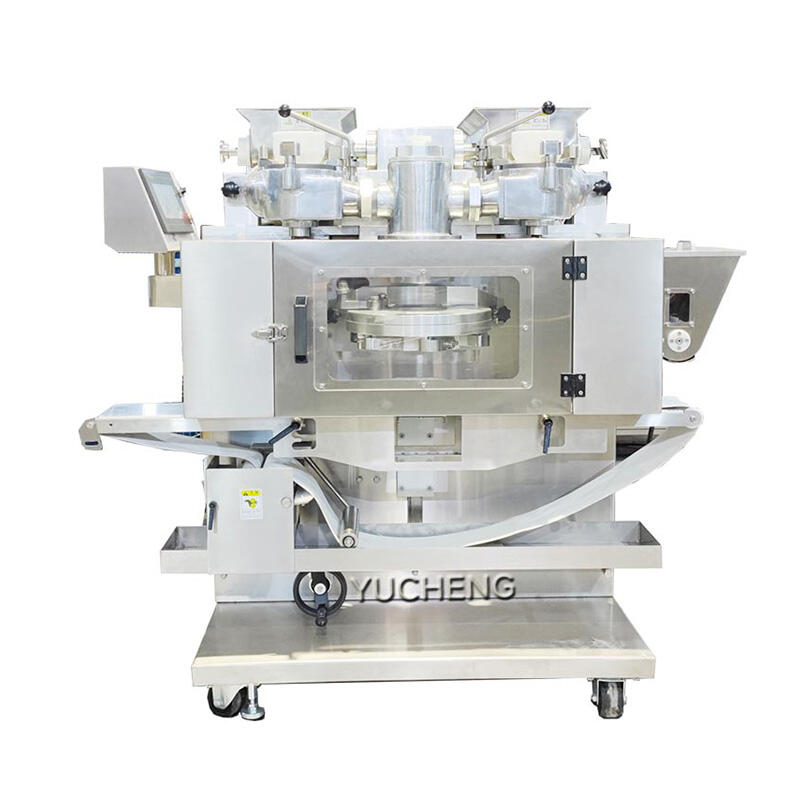
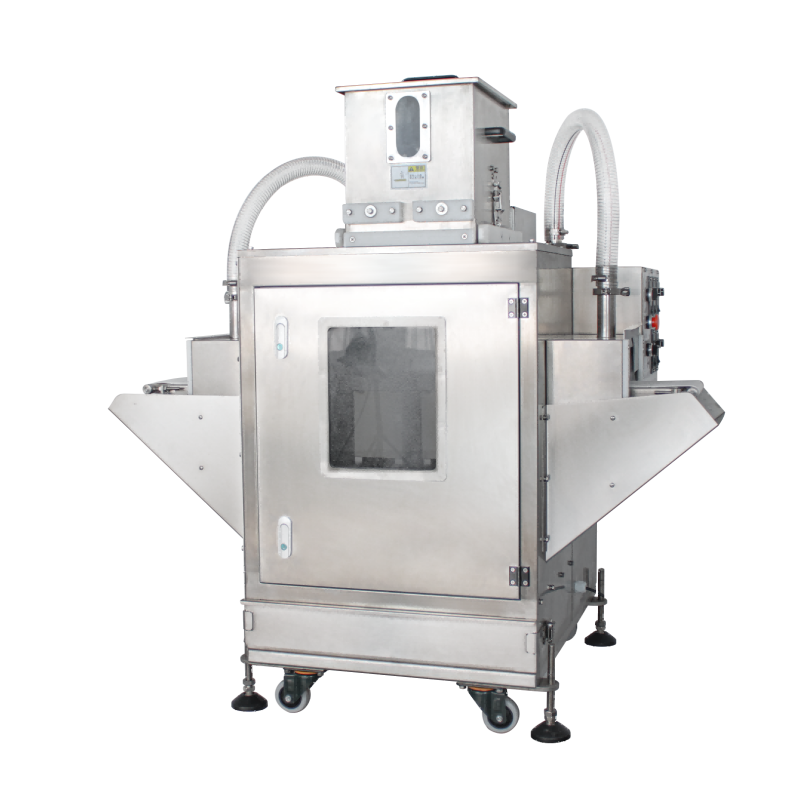
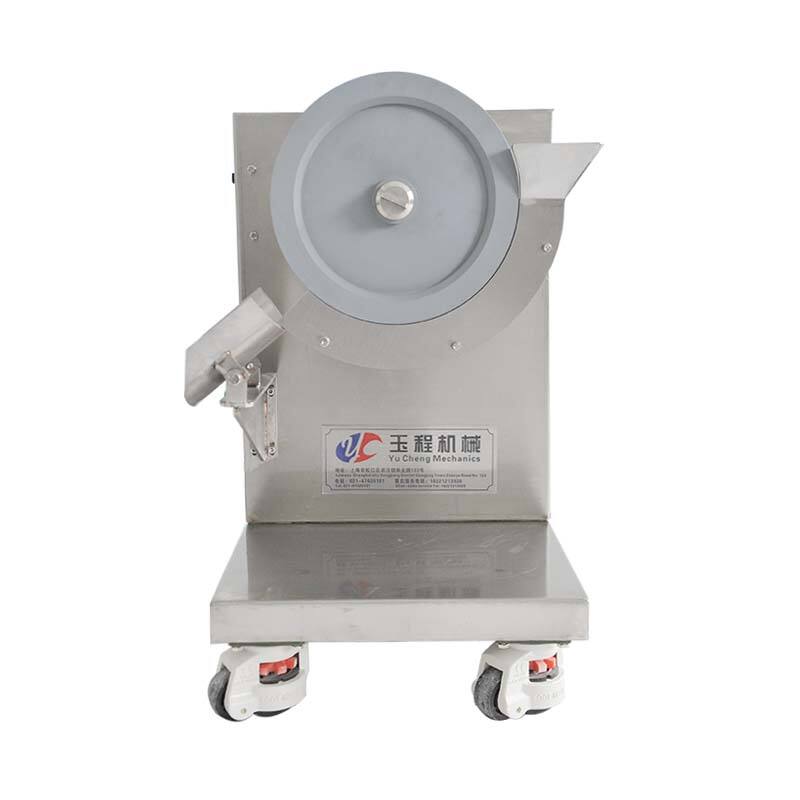
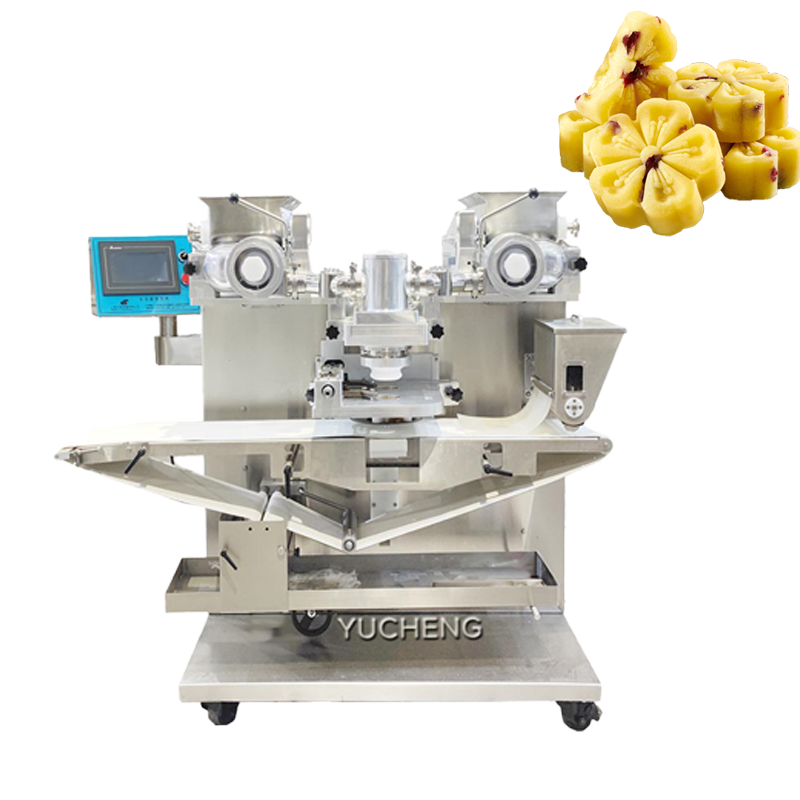
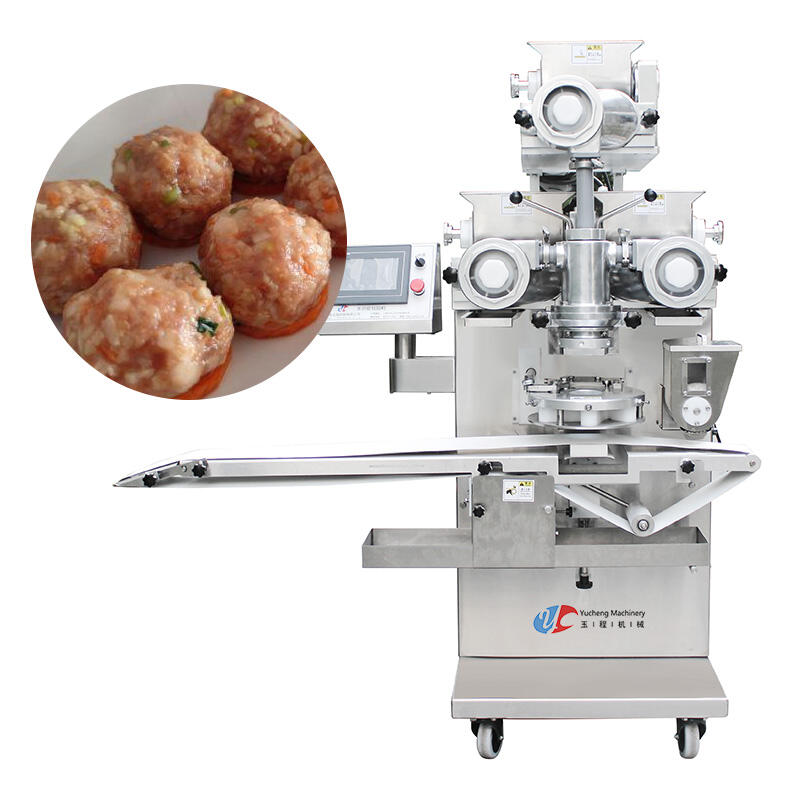
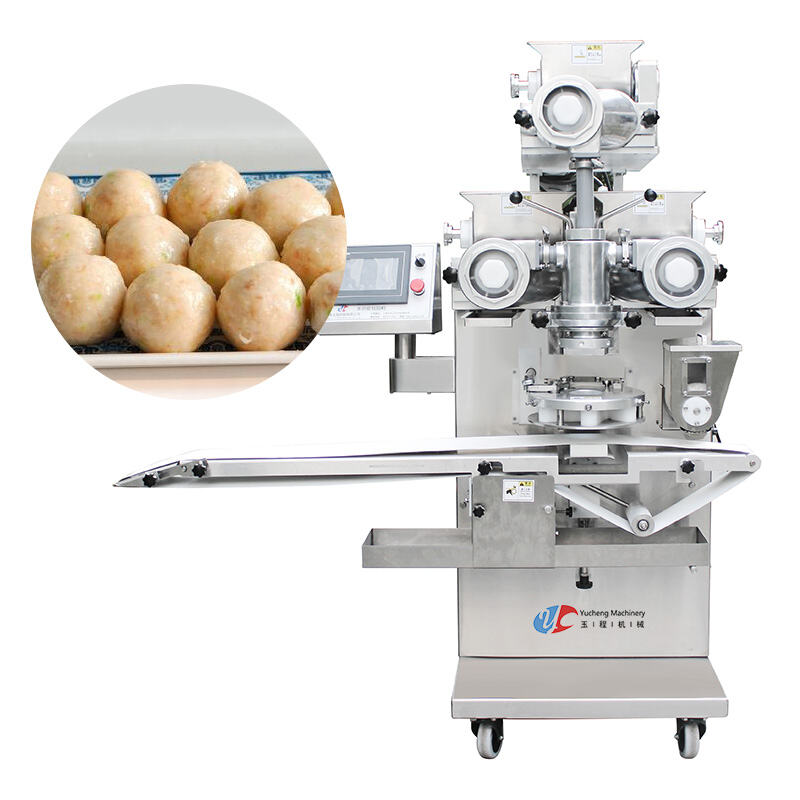
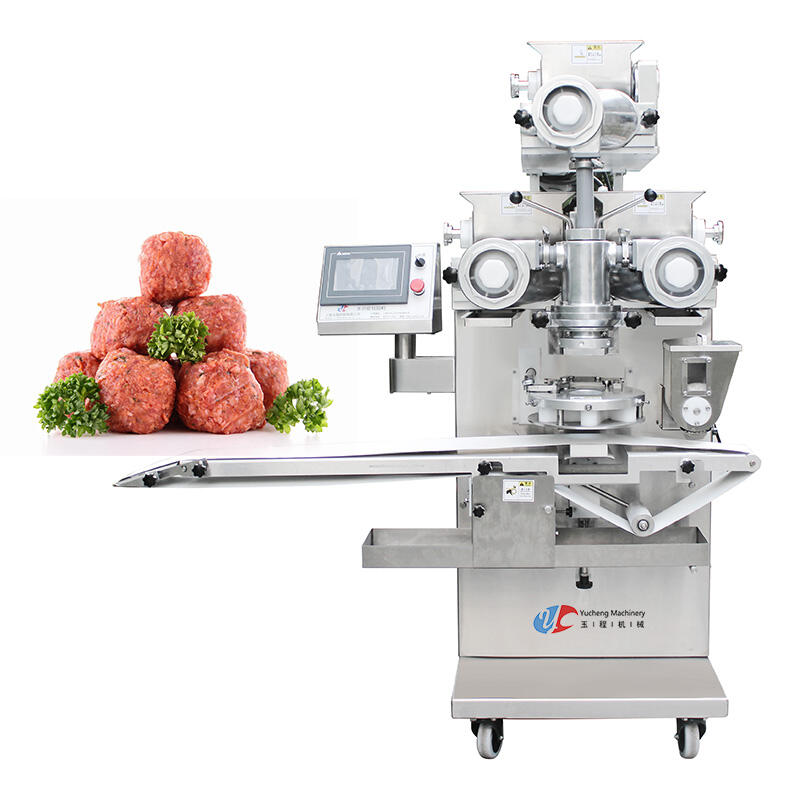
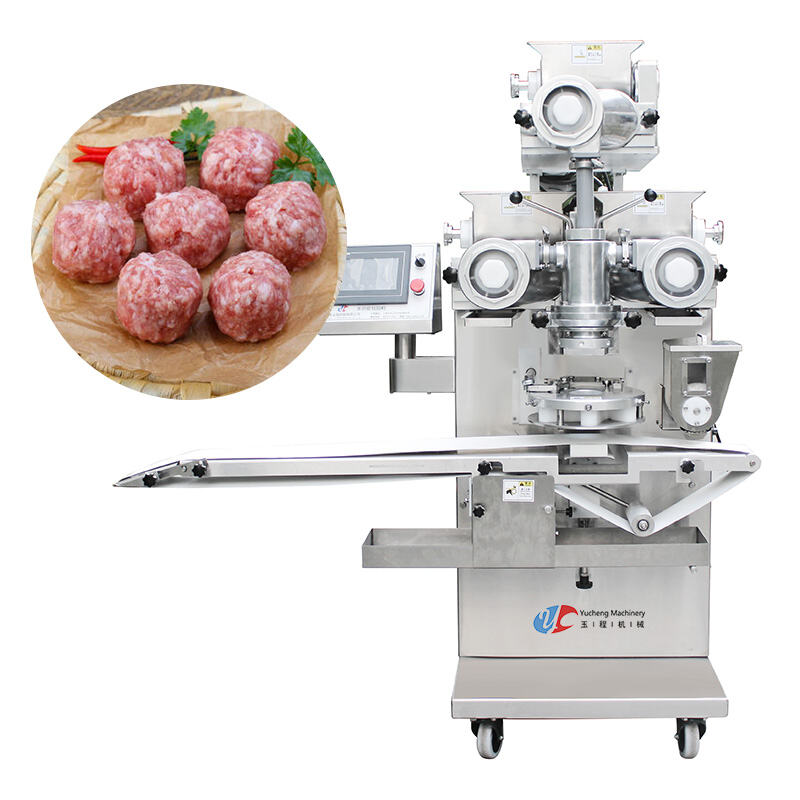
The meatball molding machine represents a revolutionary advancement in food processing technology, designed specifically to streamline and enhance the production of perfectly shaped meatballs for commercial and industrial kitchens. This sophisticated equipment transforms ground meat mixtures into uniform, consistent meatballs through automated molding processes that eliminate manual labor while ensuring exceptional quality control. Modern meatball molding machines incorporate advanced engineering principles with user-friendly operation interfaces, making them essential tools for restaurants, cafeterias, food processing facilities, and large-scale catering operations. The core functionality centers around precision forming mechanisms that shape raw meat mixtures into predetermined sizes and weights, typically ranging from small appetizer portions to larger main course servings. These machines utilize specialized molding chambers equipped with adjustable settings that accommodate various meat types, including beef, pork, chicken, turkey, and vegetarian alternatives. The technological framework includes stainless steel construction for optimal hygiene standards, variable speed controls for production flexibility, and automated portioning systems that ensure consistent product quality. Advanced models feature programmable logic controllers that store multiple recipe configurations, allowing operators to switch between different meatball specifications seamlessly. The molding process begins when prepared meat mixture enters the hopper, where internal augers transport the material to forming stations. Precision-engineered molds shape the mixture under controlled pressure, creating perfectly round meatballs with consistent density throughout. Temperature control systems maintain optimal processing conditions, preventing meat degradation during extended production runs. Quality sensors monitor formation parameters, automatically adjusting pressure and timing to maintain product specifications. Applications span diverse food service sectors, from high-volume institutional kitchens serving thousands daily to specialty restaurants focusing on gourmet preparations. The meatball molding machine accommodates various production scales, with capacity ranges from hundreds to thousands of units per hour, making it suitable for both medium-sized operations and large-scale industrial facilities. Integration capabilities allow seamless incorporation into existing production lines, enhancing overall kitchen efficiency while reducing labor costs and improving product consistency across all batches.

New Products

The meatball molding machine delivers exceptional productivity improvements that transform traditional food preparation methods into efficient, streamlined operations. Commercial kitchens implementing this technology experience dramatic reductions in labor requirements, as automated molding processes eliminate the need for manual shaping that previously consumed significant staff time and resources. Workers can focus on higher-value tasks such as recipe development, quality control, and customer service while the machine handles repetitive molding operations with unwavering consistency. Production speed increases substantially, with modern machines capable of producing hundreds of perfectly formed meatballs per minute, far exceeding manual capabilities while maintaining superior quality standards throughout extended operations. Cost savings emerge from multiple operational improvements, including reduced ingredient waste through precise portioning, lower labor expenses due to automation, and decreased training requirements for new staff members. The machine ensures optimal ingredient utilization by eliminating overportioning and inconsistent sizing that commonly occurs with manual preparation methods. Hygiene standards improve significantly as automated processes minimize human contact with food products, reducing contamination risks and supporting compliance with stringent food safety regulations. The enclosed processing environment protects ingredients from external contaminants while facilitating easy cleaning and sanitization procedures that meet commercial kitchen standards. Quality consistency becomes achievable through precise control mechanisms that maintain uniform size, weight, and density across all produced meatballs, eliminating variations that affect cooking times and final product appearance. Temperature control systems prevent meat degradation during processing, preserving nutritional content and flavor profiles while extending product shelf life through proper handling techniques. Flexibility advantages include adjustable sizing options that accommodate diverse menu requirements, from small appetizer portions to substantial entree servings, all achieved through simple machine adjustments without requiring specialized skills or extensive setup procedures. The meatball molding machine adapts to various meat formulations, including traditional beef and pork combinations, poultry-based alternatives, and modern plant-based substitutes, supporting evolving dietary preferences and market demands. Maintenance requirements remain minimal due to robust construction and simplified mechanical systems, reducing downtime and repair costs while ensuring reliable long-term performance. Energy efficiency features minimize operational expenses through optimized motor systems and intelligent controls that adjust power consumption based on production demands, contributing to sustainable kitchen operations and reduced utility costs.

Practical Tips

Can a Maamoul Making Machine Help Expand Your Pastry Business?

21

Oct

Can a Maamoul Making Machine Help Expand Your Pastry Business?

Transforming Traditional Middle Eastern Pastry Production The art of creating maamoul, those beloved Middle Eastern cookies filled with dates, pistachios, or walnuts, has long been a labor of love passed down through generations. However, as pastry b...
View More
Explore the Key Advantages of Using a Meatball Machine in Kitchens

21

Oct

Explore the Key Advantages of Using a Meatball Machine in Kitchens

Revolutionizing Kitchen Efficiency with Modern Meatball Production The food service industry continues to evolve with innovative technologies that streamline kitchen operations. Among these game-changing innovations, the meatball machine stands out a...
View More
What makes mochi ice cream machine so popular today?

23

Dec

What makes mochi ice cream machine so popular today?

The global dessert industry has witnessed a remarkable transformation with the introduction of innovative frozen treats that combine traditional Japanese techniques with modern manufacturing capabilities. Among these revolutionary developments, the m...
View More
Why choose automatic machinery over manual processes?

23

Dec

Why choose automatic machinery over manual processes?

The manufacturing landscape has undergone a dramatic transformation over the past few decades, with automatic machinery emerging as a cornerstone of modern industrial operations. Companies across various sectors are increasingly recognizing the subst...
View More

Get a Free Quote

Our representative will contact you soon.
Email
Name
Company Name
Message
0/1000

meatball molding machine

Precision Engineering for Consistent Quality Results

Precision Engineering for Consistent Quality Results

The meatball molding machine showcases exceptional precision engineering that delivers unmatched consistency in every produced meatball, representing a cornerstone feature that distinguishes this equipment from conventional preparation methods. Advanced molding chambers incorporate micro-adjusted forming mechanisms that control pressure, timing, and material flow with scientific accuracy, ensuring each meatball achieves identical specifications regardless of production volume or duration. The precision system utilizes calibrated sensors that monitor formation parameters continuously, automatically adjusting operational variables to maintain target weights within minimal tolerance ranges, typically achieving variations of less than two percent across entire production runs. This remarkable consistency eliminates the guesswork associated with manual preparation while providing predictable cooking results that enhance menu reliability and customer satisfaction. The engineering excellence extends to material handling systems that distribute meat mixture uniformly throughout molding chambers, preventing density variations that could affect texture and cooking performance. Precision-machined components ensure smooth operation while maintaining tight tolerances that preserve product integrity through thousands of operational cycles. Temperature monitoring systems track processing conditions to prevent meat degradation while optimizing formation quality, supporting extended production periods without compromising final product characteristics. The sophisticated control systems store multiple production profiles, allowing operators to switch between different meatball specifications instantly while maintaining the same exacting standards across all varieties. Quality sensors provide real-time feedback on formation processes, alerting operators to potential issues before they affect product quality, thereby minimizing waste and ensuring consistent output. This precision engineering approach delivers measurable benefits including reduced ingredient costs through elimination of overportioning, improved cooking efficiency through uniform sizing, enhanced presentation quality that supports premium pricing strategies, and increased customer satisfaction through reliable product characteristics. The investment in precision technology pays dividends through operational efficiency gains, reduced training requirements for staff, and the ability to meet demanding quality standards that distinguish establishments in competitive markets. Professional kitchens utilizing precision-engineered meatball molding machines report significant improvements in production planning accuracy, inventory management efficiency, and overall food cost control, making this feature essential for sustainable business operations.
Automated Production Efficiency for Maximum Throughput

Automated Production Efficiency for Maximum Throughput

The automated production efficiency of modern meatball molding machines revolutionizes commercial kitchen operations by delivering maximum throughput capabilities that exceed traditional preparation methods by substantial margins. These sophisticated systems integrate advanced automation technologies that coordinate multiple operational phases seamlessly, from initial ingredient feeding through final product discharge, creating continuous production flows that maximize equipment utilization while minimizing operator intervention requirements. Automated feeding systems transport prepared meat mixtures from storage hoppers to molding stations using precisely controlled auger mechanisms that maintain consistent material flow rates regardless of mixture viscosity or ingredient variations. The automation framework includes programmable logic controllers that execute complex production sequences with split-second timing accuracy, ensuring optimal coordination between feeding, molding, and discharge operations that prevent bottlenecks and maximize overall system efficiency. Variable speed controls allow operators to adjust production rates based on immediate demand requirements while maintaining quality standards, providing operational flexibility that accommodates peak service periods and routine production schedules equally effectively. Advanced automation features include automatic portion sizing that eliminates manual adjustments, sensor-driven quality monitoring that maintains consistent standards without human oversight, and integrated counting systems that provide accurate production tracking for inventory management and cost analysis purposes. The efficiency gains from automated operation extend beyond simple speed improvements to encompass reduced labor requirements, minimized training needs for new staff, decreased supervision requirements during operation, and enhanced safety through elimination of repetitive manual tasks that commonly cause workplace injuries. Production scheduling becomes more predictable with automated systems that deliver consistent output rates, enabling better coordination with other kitchen operations and improved service timing that enhances customer satisfaction. Energy efficiency improvements result from optimized motor controls and intelligent power management systems that adjust consumption based on production loads, reducing operational costs while supporting environmental sustainability initiatives. The automation technology facilitates integration with existing kitchen management systems, providing data connectivity that supports comprehensive production monitoring, quality tracking, and performance analysis capabilities. These efficiency improvements translate directly into competitive advantages including faster order fulfillment, reduced labor costs, improved product consistency, and enhanced operational scalability that supports business growth without proportional increases in staffing requirements, making automated meatball molding machines essential investments for forward-thinking food service operations.
Versatile Applications Across Diverse Food Service Sectors

Versatile Applications Across Diverse Food Service Sectors

The remarkable versatility of meatball molding machines enables successful implementation across diverse food service sectors, from intimate family restaurants to massive institutional feeding operations, demonstrating adaptability that makes this equipment valuable for virtually any establishment involved in meatball preparation. This comprehensive versatility stems from adjustable production capabilities that accommodate varying volume requirements, flexible sizing options that support different menu applications, and adaptable ingredient handling systems that process diverse meat formulations and alternative protein sources effectively. Restaurant applications range from traditional Italian establishments specializing in authentic meatball dishes to modern fusion concepts incorporating meatballs into innovative menu offerings, with machines providing the consistency and efficiency necessary to maintain quality standards while managing labor costs. Institutional food service operations, including schools, hospitals, corporate cafeterias, and military facilities, benefit enormously from high-volume production capabilities that serve hundreds or thousands of meals daily while maintaining nutritional standards and cost control objectives. The versatility extends to accommodate seasonal menu variations, special dietary requirements, and cultural preferences through adjustable formulation capabilities that process everything from traditional beef and pork combinations to contemporary turkey, chicken, seafood, and plant-based alternatives without requiring equipment modifications or specialized attachments. Catering operations utilize this versatility to manage varying event sizes and menu requirements, scaling production from intimate gatherings to large corporate functions while maintaining presentation quality and service timing that reflects professional standards. Food processing facilities integrate these machines into larger production lines, contributing to packaged food manufacturing, frozen product development, and retail distribution systems that require consistent quality and efficient throughput rates. The adaptability features include programmable sizing controls that produce meatballs ranging from cocktail party appetizers to substantial entree portions, temperature management systems that accommodate different protein types and cooking requirements, and sanitation protocols that meet diverse regulatory standards across various food service segments. Educational institutions appreciate the versatility for training purposes, allowing culinary students to experience professional-grade equipment while learning production efficiency principles that prepare them for commercial kitchen careers. Healthcare facilities utilize gentle processing capabilities that maintain texture appropriate for specialized dietary needs while providing nutritional consistency required for medical nutrition therapy programs. This extensive versatility ensures excellent return on investment through multi-application utility, reduces equipment needs through consolidated functionality, and provides operational flexibility that supports menu evolution and market adaptation strategies essential for long-term business success in competitive food service environments.

Inquiry Inquiry Email Email Youtube Youtube Tiktok Tiktok TopTop

Get a Free Quote

Our representative will contact you soon.
Email
Name
Company Name
Message
0/1000