Multi-Layer Safety and Quality Assurance Systems
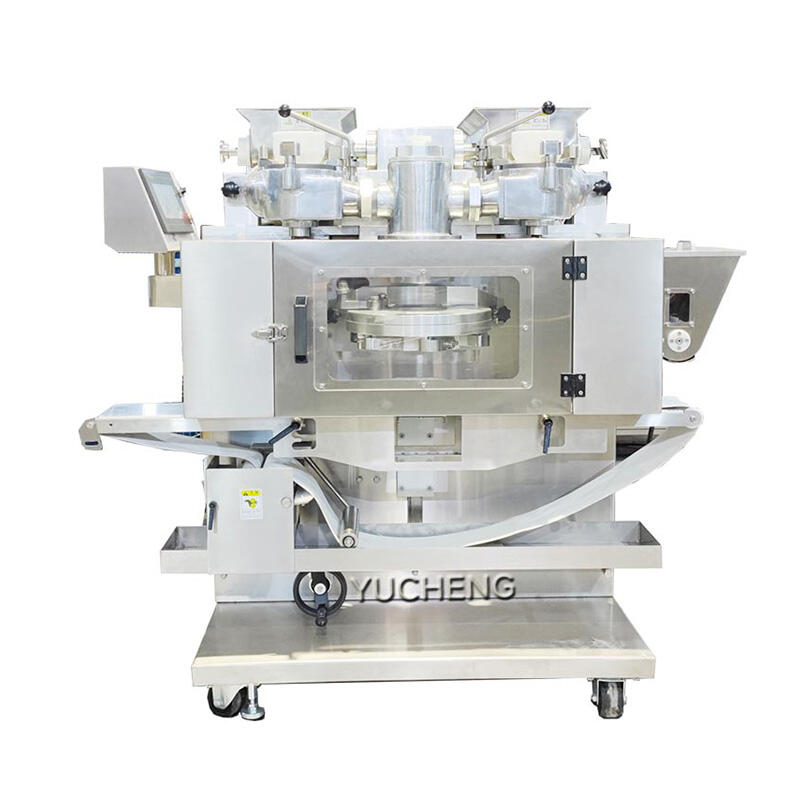
The customizable maamoul making machine incorporates comprehensive safety and quality assurance systems that protect both operators and products while ensuring regulatory compliance and consumer confidence. Multiple safety layers include emergency stop mechanisms positioned throughout the equipment, allowing immediate shutdown from any workstation during abnormal conditions. Safety interlocks prevent operation when access panels are open or safety guards are removed, protecting personnel from moving components while maintaining production integrity. The machine features advanced sensor networks that continuously monitor critical parameters including temperature, pressure, and component positioning, automatically adjusting operations or triggering protective shutdowns when readings exceed safe limits. Quality assurance begins with ingredient monitoring systems that verify dough consistency and filling composition before processing begins, preventing defective products from entering production cycles. Weight verification technology ensures each pastry meets specified targets, with automatic rejection of units falling outside acceptable tolerances. Vision inspection systems examine products for surface defects, proper filling distribution, and decorative pattern quality, maintaining brand standards while minimizing manual inspection requirements. The customizable maamoul making machine employs antimicrobial surface treatments and UV sanitization options that reduce bacterial contamination risks, particularly important for products containing perishable fillings. HACCP-compliant design features include smooth surfaces that facilitate cleaning, drainage systems that prevent water accumulation, and removable components that enable thorough sanitization. Temperature monitoring throughout processing zones ensures food safety requirements are met while maintaining product quality characteristics. Traceability systems record batch information, ingredient sources, and processing parameters, enabling rapid response to quality issues or regulatory inquiries. Contamination prevention measures include positive air pressure systems that exclude airborne particles and sealed processing chambers that isolate products from environmental contaminants. The equipment incorporates failure prediction algorithms that analyze component wear patterns and performance trends, scheduling maintenance activities before problems affect production or safety. Documentation systems generate detailed reports covering safety incidents, quality metrics, and maintenance activities, supporting continuous improvement initiatives and regulatory compliance efforts. Operator safety training programs utilize interactive displays and simulation modes that teach proper procedures without risking injury or equipment damage. Emergency response protocols include automatic notification systems that alert supervisors and maintenance personnel when safety events occur, ensuring rapid resolution and minimal impact on operations.
 EN
EN