 EN
EN

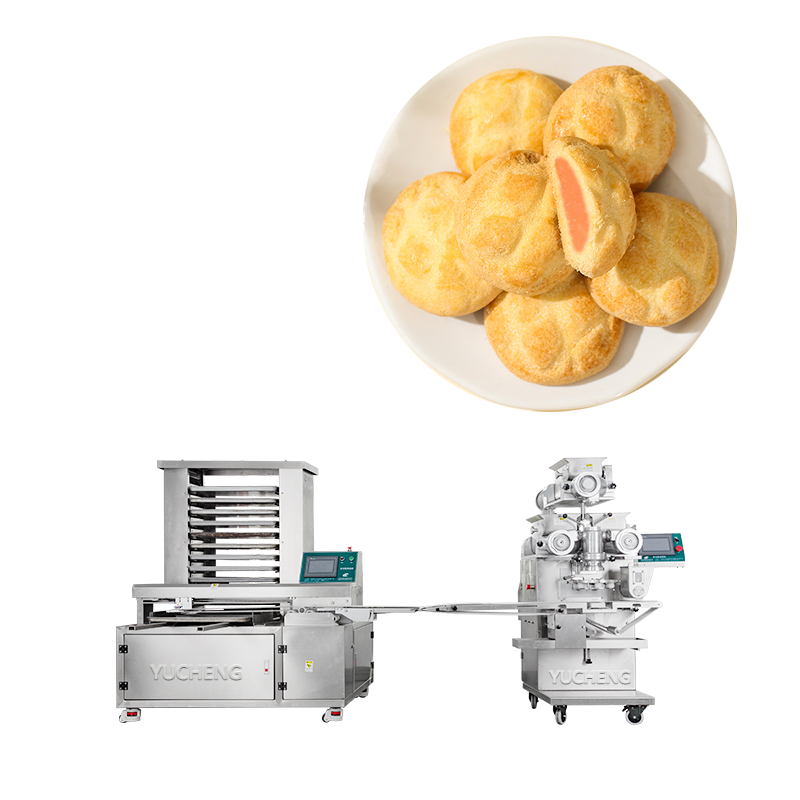
Wybór odpowiedniej linii produkcyjnej do przetwórstwa żywności o wysokiej wydajności stanowi jedną z najważniejszych decyzji inwestycyjnych dla producentów żywności dążących do zwiększenia mocy produkcyjnej przy jednoczesnym zachowaniu standardów jakości. Złożoność współczesnego przetwórstwa żywności wymaga sprzętu, który zapewnia odpowiedni balans między zdolnością produkcyjną, niezawodnością eksploatacyjną, spójnością produktu oraz długoterminową efektywnością kosztową. Niezależnie od tego, czy rozszerzasz istniejące obiekty produkcyjne, czy uruchamiasz nową linię produkcyjną, zrozumienie specyfikacji technicznych, czynników kompatybilności oraz wymagań eksploatacyjnych linii produkcyjnej o wysokiej wydajności będzie decydować o Twojej pozycji konkurencyjnej na coraz bardziej wymagającym rynku.
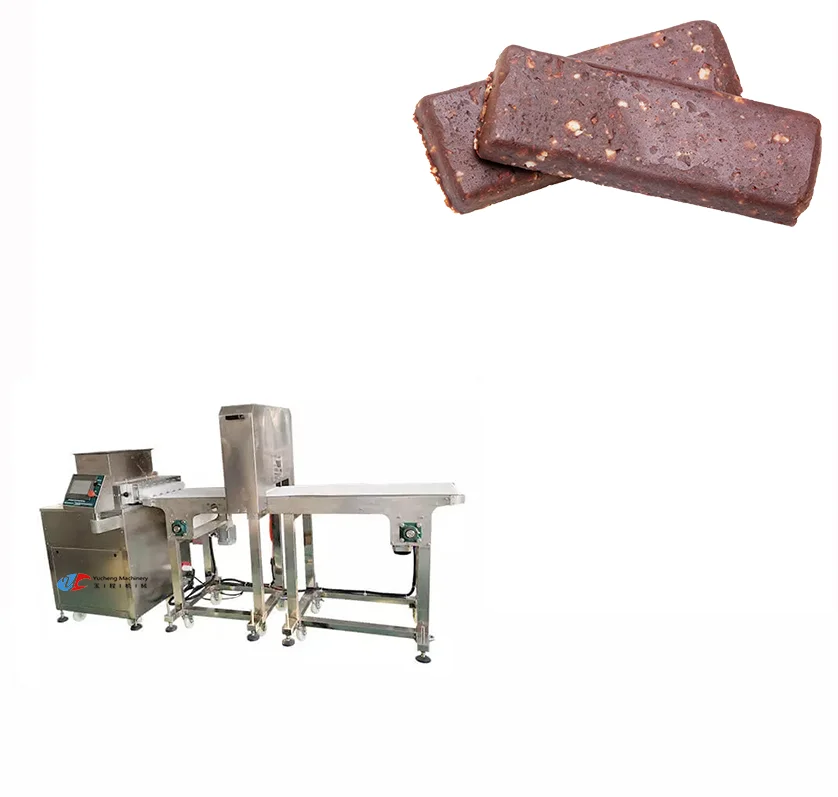
Ten obszerny przewodnik krok po kroku wyjaśnia systematyczny proces oceny, porównywania i wyboru wydajnej linii produkcyjnej do żywności, która odpowiada Państwa celom produkcyjnym, ograniczeniom budżetowym oraz wymaganiom jakościowym. Od oceny aktualnych potrzeb w zakresie zdolności produkcyjnej, przez zrozumienie poziomu zautomatyzowania, analizę modułowości urządzeń po obliczenie całkowitych kosztów posiadania – omówimy ramy decyzyjne, których używają pomyślne zakłady spożywcze przy podejmowaniu świadomych inwestycji w sprzęt, zapewniających mierzalne zwroty przez lata eksploatacji.
Zrozumienie wymagań produkcyjnych i potrzeb zdolności produkcyjnej
Analiza obecnej i prognozowanej objętości produkcji
Zanim ocenisz jakikolwiek wysokowydajny linię produkcyjną żywności, musisz wyraźnie określić swoje wymagania dotyczące objętości produkcji. Rozpocznij od analizy obecnych poziomów wytwarzania, wahania popytu sezonowego oraz prognoz wzrostu rynku na najbliższe trzy do pięciu lat. Kompleksowa analiza zdolności produkcyjnych powinna uwzględniać okresy szczytowej produkcji, potencjalne rozszerzenia asortymentu oraz elastyczność niezbędną do realizacji zamówień niestandardowych lub serii limitowanych. Ta podstawowa ocena zapobiega zarówno niedoinwestowaniu w sprzęt, który szybko staje się wąskim gardłem, jak i nadmiernemu inwestowaniu w nadmierną moc produkcyjną, która zwiększa koszty operacyjne bez proporcjonalnego wzrostu przychodów.
Rozważ, w jaki sposób Twoje wymagania produkcyjne przekładają się na konkretne wskaźniki wydajności mierzone w jednostkach na godzinę, kilogramach na zmianę lub partiach na dobę – w zależności od kategorii produktu. Wysokowydajna linia produkcyjna do batonów smakoszkowych będzie miała zupełnie inne specyfikacje pojemnościowe niż sprzęt przeznaczony do wyrobów piekarniczych lub posiłków gotowych. Udokumentuj swoje minimalne akceptowalne tempo produkcji, docelowe optymalne tempo oraz maksymalną zdolność produkcyjną w sytuacjach szczytowego obciążenia, aby zapewnić, że wybrany sprzęt będzie działał wydajnie w całym tym zakresie wydajności bez utraty jakości produktu ani nadmiernego zużycia.
Określenie specyfikacji produktu i standardów jakości
Prawidłowa linia produkcyjna do przetwórstwa żywności o wysokiej wydajności musi stale dostarczać produkty spełniające dokładnie określone przez Państwa wymagania dotyczące dokładności masy, dopuszczalnych odchyleń wymiarowych, spójności tekstury oraz wyglądu wizualnego. Różne technologie przetwórstwa żywności wyróżniają się w zakresie różnych cech produktu, dlatego wymagania jakościowe powinny bezpośrednio określać kryteria wyboru sprzętu. Na przykład, jeśli produkujecie batoniki białkowe wymagające precyzyjnego warstwowania składników z określoną strukturą tekstury, potrzebujecie sprzętu wyposażonego w zaawansowane systemy dozowania oraz możliwości kontroli temperatury, które zapewniają zachowanie integralności składników na całym etapie procesu produkcyjnego.
Standardy jakości wykraczają poza cechy końcowego produktu i obejmują wymagania dotyczące bezpieczeństwa żywności, zgodności z przepisami prawными oraz możliwości śledzenia. Nowoczesna linia produkcyjna do przetwórstwa żywności o wysokiej wydajności powinna zawierać cechy konstrukcyjne ułatwiające czyszczenie i dezynfekcję, minimalizujące ryzyko zanieczyszczenia oraz wspierające zgodność ze standardami bezpieczeństwa żywności, takimi jak HACCP, przepisy FDA lub międzynarodowe certyfikaty mające zastosowanie na docelowych rynkach. Sprzęt wyposażony w gładkie powierzchnie, z minimalną liczbą szczelin, umożliwiający demontaż bez użycia narzędzi w celu czyszczenia oraz posiadający oddzielone strefy dla różnych etapów przetwarzania zmniejszy ryzyko zanieczyszczenia i uprości protokoły zapewniania jakości.
Ocenianie ograniczeń związanych z powierzchnią zabudowy oraz integracji z obiektem
Przestrzeń fizyczna stanowi kluczowy ogranicznik wpływający na wybór wydajnej linii produkcyjnej do przetwórstwa żywności. Przeprowadź szczegółową analizę obiektu, obejmującą pomiar dostępnej powierzchni podłogi, wysokości sufitu, punktów dostępu do mediów oraz nośności konstrukcyjnej. Wielu producentów żywności nie docenia całkowitego zapotrzebowania na powierzchnię niezbędną do uruchomienia pełnej linii produkcyjnej, która obejmuje nie tylko sprzęt procesowy, ale także strefy przygotowania surowców, bufory dla produktów w trakcie realizacji, stacje kontroli jakości oraz strefy obsługi gotowych wyrobów. Kompaktowa, wydajna linia produkcyjna do przetwórstwa żywności może stanowić zaletę w obiektach o ograniczonej powierzchni zabudowy, jednak należy upewnić się, że projekt oszczędzający miejsce nie wpływa negatywnie na łatwość obsługi, konserwacji ani czyszczenia.
Ponad dopasowanie wymiarowe należy rozważyć, w jaki sposób nowa, wysokowydajna linia produkcyjna do przetwórstwa żywności będzie integrować się z istniejącą infrastrukturą produkcyjną. Należy ocenić zgodność z systemami przygotowania surowców znajdującymi się w górnej części linii, z urządzeniami opakowawczymi znajdującymi się w dolnej części linii oraz z instalacjami obiektu, w tym specyfikacjami zasilania elektrycznego, wymaganiami dotyczącymi sprężonego powietrza, pojemnością dostawy wody oraz systemami odprowadzania ścieków. Urządzenia wymagające znacznych modyfikacji obiektu lub modernizacji instalacji mogą drastycznie zwiększyć całkowity koszt projektu i przedłużyć harmonogram jego wdrożenia, co potencjalnie zniweluje korzyści wynikające z wydajności, jaką zaprojektowano dane urządzenie.
Ocenianie specyfikacji technicznych i wydajności urządzeń
Ocenianie poziomu zautomatyzowania i systemów sterowania
Stopień zautomatyzowania wysokowydajnej linii produkcyjnej do przetwórstwa żywności ma bezpośredni wpływ na zapotrzebowanie na siłę roboczą, spójność produkcji oraz złożoność operacyjną. Współczesne urządzenia do przetwórstwa żywności obejmują zakres od systemów półzautomatycznych wymagających znacznej interwencji ręcznej po systemy w pełni zautomatyzowane linia produkcyjna do przetwórstwa żywności o wysokiej wydajności instalacje z zintegrowanymi systemami sterowania, które kontrolują każdy parametr produkcji. Sprzęt półautomatyczny zwykle wiąże się z niższymi początkowymi kosztami inwestycyjnymi oraz prostszą obsługą, ale wymaga bardziej wykwalifikowanej siły roboczej i może powodować większą zmienność produktu. Systemy w pełni zautomatyzowane zapewniają wyższą spójność produktów i większą wydajność, ale wymagają zaawansowanego wsparcia technicznego oraz szkoleń operatorów.
Przeanalizuj architekturę systemu sterowania zarządzającego wysoce wydajną linią produkcyjną żywności, z szczególnym uwzględnieniem projektu interfejsu użytkownika, możliwości zarządzania przepisami oraz funkcji zbierania danych. Zaawansowane systemy sterowania oparte na programowalnych sterownikach logicznych (PLC) z interfejsami dotykowymi umożliwiają operatorom szybkie przełączanie się między przepisami produktów, dostosowywanie parametrów procesu w czasie rzeczywistym oraz monitorowanie wskaźników wydajności urządzeń. Szukaj systemów sterowania zapewniających przejrzystą widoczność statusu produkcji, ostrzegających operatorów przed potencjalnymi problemami jeszcze przed wystąpieniem przestoju oraz generujących raporty produkcyjne wspierające dokumentację jakości i działania związane z optymalizacją procesów.
Analiza efektywności energetycznej i kosztów eksploatacji
Rzeczywiście wydajna linia produkcyjna żywności zapewnia wartość nie tylko dzięki wysokiej przepustowości, ale także dzięki zoptymalizowanemu zużyciu energii, co zmniejsza długoterminowe koszty eksploatacji. Zażądaj szczegółowych specyfikacji dotyczących poboru mocy elektrycznej, zużycia sprężonego powietrza, wymagań grzewczych lub chłodniczych oraz wszelkich innych potrzeb energetycznych w różnych trybach pracy, w tym uruchamiania, stałej produkcji, postoju i cykli czyszczenia. Oblicz szacunkowe roczne koszty energii na podstawie lokalnych stawek za usługi energetyczne oraz przewidywanego harmonogramu produkcji, aby ocenić bieżące koszty operacyjne związane z różnymi opcjami wyposażenia.
Ponad poziom bezpośredniego zużycia energii należy ocenić cechy przyczyniające się do ogólnej wydajności operacyjnej, takie jak możliwość szybkiej wymiany konfiguracji, minimalizująca czas postoju między seriami produkcyjnymi, inteligentne tryby postoju pozwalające ograniczyć marnowanie energii podczas krótkich przerw w produkcji oraz systemy odzysku ciepła umożliwiające pozyskiwanie i ponowne wykorzystanie energii cieplnej. Wysokowydajna linia produkcyjna żywności o nieco wyższym koszcie inwestycyjnym, ale znacznie niższych kosztach eksploatacji, może zapewnić lepszą całkowitą wartość posiadania w okresie jej użytkowania w porównaniu z tańszym sprzętem charakteryzującym się wyższym zużyciem energii oraz większymi wymaganiami serwisowymi.
Analiza jakości wykonania i niezawodności komponentów
Trwałość i niezawodność wydajnej linii produkcyjnej do przetwórstwa żywności decydują w zasadniczy sposób o jej długoterminowej wartości. Przeanalizuj materiały konstrukcyjne stosowane w całym sprzęcie, z szczególnym uwzględnieniem powierzchni stykających się z żywnością, które muszą być odporne na korozję, wytrzymać wielokrotne czyszczenie środkami dezynfekcyjnymi oraz zachować stabilność wymiarową pod wpływem cykli termicznych. Konstrukcja ze stali nierdzewnej w odpowiednich gatunkach stanowi standard branżowy dla sprzętu przeznaczonego do przetwórstwa żywności; jednak wybór konkretnego stopu, jakość spawania oraz zastosowane metody wykańczania powierzchni mają istotny wpływ na trwałość sprzętu oraz łatwość jego dezynfekcji.
Przeanalizuj jakość i renomę kluczowych komponentów, takich jak silniki, napędy, łożyska, czujniki oraz systemy pneumatyczne, które stanowią mechaniczną i elektryczną podstawę wydajnej linii produkcyjnej do przetwórstwa żywności. Producentom sprzętu premium zazwyczaj stosują komponenty przemysłowe od uznanych dostawców, których sprawdzona reputacja wynika z długotrwałego doświadczenia w wymagających środowiskach produkcyjnych żywności. Zażądaj informacji na temat średniego czasu między awariami (MTBF) dla kluczowych podsystemów, zalecanych interwałów konserwacji oraz dostępności części zamiennych, aby ocenić rzeczywistą niezawodność, jakiej można oczekiwać przez lata eksploatacji.
Rozważanie elastyczności, skalowalności i zapewnienia przyszłościowej przydatności
Ocenianie przełączania się między produktami oraz elastyczności przepisów
Dynamiczne zmiany na rynku przemysłu spożywczego coraz bardziej sprzyjają producentom, którzy potrafią efektywnie wytwarzać zróżnicowane portfele produktów, a nie specjalistom skupiającym się wyłącznie na jednym produkcie. Dokonaj oceny, w jakim stopniu wydajna linia produkcyjna do przetwórstwa żywności radzi sobie z różnymi formułami produktów, ich rozmiarami, kształtami oraz formatami opakowań bez konieczności dokonywania obszernych przebudów lub wymiany komponentów. Maszyny wyposażone w regulacje bez użycia narzędzi, systemy szybkiej wymiany osprzętu oraz szerokie zakresy ustawień parametrów umożliwiają szybkie przełączanie się między produktami, co maksymalizuje czas produkcyjny i pozwala na szybką reakcję na nowe możliwości rynkowe lub zapotrzebowanie klientów.
Rozważ praktyczne implikacje elastyczności przepisów dla planowania produkcji i zarządzania zapasami. Wielofunkcyjna, wysokowydajna linia produkcyjna do żywności, zdolna do przetwarzania wielu wariantów produktów, zmniejsza potrzebę posiadania wielu dedykowanych linii produkcyjnych, obniżając inwestycje kapitałowe oraz wymagania dotyczące powierzchni zakładu, a jednocześnie upraszczając harmonogramowanie produkcji. Należy jednak zadbać o to, aby elastyczność ta nie wpływała negatywnie na wydajność produkcji głównych produktów poprzez nadmierne wymagania związane z dostosowaniami lub obniżenie prędkości przepływu w porównaniu do bardziej specjalistycznego sprzętu zoptymalizowanego pod kątem konkretnych kategorii produktów.
Ocena projektu modułowego oraz potencjału rozszerzenia
Dobrze zaprojektowana, wydajna linia produkcyjna do przetwórstwa żywności powinna umożliwiać stopniowe rozszerzanie się wraz z rozwojem działalności, a nie wymagać całkowitej wymiany przy wzroście zapotrzebowania na produkcję. Modułowa architektura urządzeń pozwala rozpocząć działalność od podstawowej konfiguracji produkcyjnej spełniającej obecne potrzeby, zachowując jednocześnie możliwość dodawania modułów przetwarzania, wydłużania linii, integrowania dodatkowej automatyki lub wzmaczania jej możliwości w miarę uzasadnienia dodatkowych inwestycji przez rosnące objętości produkcji. Takie etapowe podejście do rozszerzania mocy produkcyjnych zmniejsza początkowe nakłady kapitałowe, zapewniając przy tym przejrzystą ścieżkę skalowania produkcji zgodnie z wzrostem przychodów.
Oceń wykonalność techniczną i praktyczne implikacje przyszłych rozbudów już na etapie początkowego doboru sprzętu. Niektóre wysokowydajne projekty linii produkcyjnych do przetwórstwa żywności umożliwiają łatwe zwiększenie mocy produkcyjnej poprzez dodanie równoległych linii przetwarzania lub wydłużenie sekcji taśmociągów, podczas gdy inne konfiguracje mogą napotkać ograniczenia praktyczne wynikające z warunków obiektowych, architektury systemu sterowania lub złożoności integracji mechanicznej. Zrozumienie ścieżki rozszerzania możliwości przed dokonaniem pierwotnej inwestycji zapewnia, że nie wybierzesz przypadkowo sprzętu, który stanie się czynnikiem ograniczającym w miarę ewolucji potrzeb produkcyjnych.
Wdrażanie ulepszeń technologicznych i cyfrowej łączności
Szybki rozwój technologii automatyzacji przemysłowej, analityki danych oraz technologii łączności oznacza, że nowoczesna linia produkcyjna do przetwórstwa żywności zakupiona dziś powinna umożliwiać wdrażanie ulepszeń technologicznych przez cały okres jej eksploatacji. Współczesne urządzenia coraz częściej są wyposażane w czujniki przemysłowego Internetu rzeczy (IIoT), obsługę połączenia z chmurą oraz zaawansowane funkcje analityczne, które pozwalają na prowadzenie konserwacji predykcyjnej, zdalne monitorowanie oraz ciągłą optymalizację procesów. Nawet jeśli te zaawansowane funkcje nie są obecnie niezbędne dla Państwa działalności, wybór urządzeń zaprojektowanych z myślą o wspieraniu przyszłych cyfryzacyjnych ulepszeń chroni inwestycję przed szybkim przestarzeniem technologicznym.
Rozważ, w jaki sposób potencjalna linia produkcyjna o wysokiej wydajności integruje się z szerszymi systemami wykonawczymi produkcji, platformami planowania zasobów przedsiębiorstwa oraz oprogramowaniem do zarządzania jakością, które stanowią ekosystem technologii produkcyjnych Twojej firmy. Standardowe protokoły komunikacyjne, otwarte architektury systemów sterowania oraz dobrze udokumentowane interfejsy programistyczne ułatwiają integrację z innymi systemami i ograniczają zależność od technologii własnościowych, które mogą ograniczać elastyczność lub zwiększać długoterminowe koszty wsparcia. Producentom sprzętu, którzy przyjmują standardowe podejścia do łączności branżowej i aktywnie wspierają integrację z technologiami uzupełniającymi, zazwyczaj udaje się zapewnić wyższą wartość długoterminową w porównaniu z zamkniętymi systemami własnościowymi.
Analiza możliwości dostawców oraz usług wsparcia
Badanie doświadczenia producenta oraz jego reputacji branżowej
Wybór wydajnej linii produkcyjnej do przetwórstwa żywności wykracza poza specyfikacje techniczne urządzeń i obejmuje także wiedzę produkcyjną, doświadczenie branżowe oraz stabilność finansową dostawcy sprzętu. Przeanalizuj historię działania producenta w Twojej konkretnej dziedzinie przetwórstwa żywności, przeglądając studia przypadków, opinie klientów oraz instalacje w zakładach produkujących podobne produkty w porównywalnych warunkach produkcyjnych. Uznani producenci z bogatym doświadczeniem w Twojej kategorii produktów posiadają cenną wiedzę aplikacyjną, która wpływa na projektowanie urządzeń, parametry procesowe oraz praktyczne wskazówki operacyjne – co przyspiesza wprowadzanie produkcji w życie oraz optymalizuje jej wydajność.
Oceń stabilność finansową i trwałość działalności potencjalnych dostawców sprzętu, aby zapewnić, że pozostaną oni wiarygodnymi partnerami przez cały okres eksploatacji zakupionego sprzętu. Wysokowydajna linia produkcyjna do przetwórstwa żywności stanowi znaczne inwestycje kapitałowe, które będą wymagały ciągłej obsługi technicznej, dostępności części zamiennych oraz możliwych modernizacji przez dziesięć lub więcej lat eksploatacji. Dostawcy posiadający silne pozycje na rynku, zróżnicowaną bazę klientów oraz udowodnioną odporność na zmiany koniunkturalne zapewniają większe zaufanie do długoterminowej wiarygodności współpracy w porównaniu do nowych uczestników rynku lub organizacji o niestabilnej sytuacji finansowej, które mogą nie zapewnić wystarczającej obsługi swojej zainstalowanej bazy sprzętu.
Ocenianie programów szkoleniowych i wsparcia dla operatorów
Nawet najbardziej zaawansowana linia produkcyjna do przetwórstwa żywności o wysokiej wydajności przynosi korzyści jedynie wtedy, gdy operatorzy rozumieją jej możliwości, prawidłowe procedury eksploatacji oraz techniki diagnozowania i usuwania usterek. Kompleksowe programy szkoleniowe stanowią kluczowy czynnik różnicujący dostawców sprzętu, przy czym najlepsi producenci oferują zorganizowane szkolenia obejmujące obsługę urządzeń, rutynowe procedury konserwacji, podstawowe techniki diagnozowania usterek oraz metody optymalizacji. Szukaj dostawców oferujących wiele form szkolenia, w tym instruktaż na miejscu podczas instalacji, szkolenia w zakładzie producenta, szczegółową dokumentację oraz zasoby online wspierające ciągły rozwój umiejętności operatorów.
Ponad wstępne szkolenie należy ocenić istniejącą infrastrukturę wsparcia technicznego, która będzie wspierać zespół w przypadku pojawienia się pytań lub problemów podczas produkcji. Szybkie i skuteczne wsparcie techniczne zapewniane przez wykwalifikowany personel z dobrą znajomością zarówno konstrukcji sprzętu, jak i specyfiki Państwa procesu produkcyjnego minimalizuje przestoje oraz sprzyja optymalizacji wydajności sprzętu w dłuższej perspektywie czasowej. Przy ocenie kompleksowego pakietu wsparcia towarzyszącego różnym opcjom wydajnych linii do przetwórstwa żywności należy wziąć pod uwagę takie czynniki jak godziny dostępności wsparcia, zobowiązania dotyczące czasu reakcji, możliwość zdalnej diagnostyki oraz dostępność serwisu na miejscu.
Zrozumienie dostępności części zamiennych i wymagań serwisowych
Regularna konserwacja oraz ewentualna wymiana komponentów stanowią nieuniknione aspekty eksploatacji każdej wysokowydajnej linii produkcyjnej żywności w całym okresie jej użytkowania. Przeanalizuj zalecany harmonogram konserwacji, złożoność procedur konserwacyjnych oraz dostępność kluczowych części zamiennych od producenta sprzętu. Sprzęt dobrze zaprojektowany minimalizuje potrzebę konserwacji dzięki zastosowaniu odpornych komponentów i łatwo dostępnym punktom serwisowym, podczas gdy kompleksowe programy części zamiennych zapewniają szybkie uzyskanie wymienianych elementów w razie potrzeby, bez konieczności długotrwałego przestoju produkcji.
Ustalić, czy producent utrzymuje odpowiednie zapasy części zamiennych, oferuje przewidywalne ceny na zużywalne komponenty oraz zobowiązuje się do dostępności części przez określony okres wydłużony znacznie poza okres gwarancji sprzętu. Wysokowydajna linia produkcyjna żywności od producenta z dobrze zorganizowanym łańcuchem dostaw części i przejrzystymi cenami zapewnia większą przewidywalność operacyjną w porównaniu do sprzętu, którego części zamiennych trudno zdobyć lub koszty ich wymiany są nieprzewidywalne, co może drastycznie zwiększyć długoterminowe koszty eksploatacji.
Obliczanie całkowitych kosztów posiadania i zwrotu z inwestycji
Rozbicie inwestycji kapitałowych i kosztów wdrożenia
Cena zakupu linii produkcyjnej do przetwórstwa żywności o wysokiej wydajności stanowi jedynie część całkowitych inwestycji wymaganych do wprowadzenia urządzenia w stan gotowości do produkcyjnej eksploatacji. Opracuj kompleksowy budżet projektu, obejmujący koszt sprzętu, opłaty za transport i przewóz towarów, koszty montażu, modyfikacje obiektu, ulepszenia infrastruktury usług (np. zasilania elektrycznego, wody, sprężonego powietrza), początkowy zapas części zamiennych, szkolenia operatorów oraz koszty zarządzania projektem. Wielu producentów żywności niedoszacowuje tych kosztów dodatkowych, co prowadzi do przekroczenia przydziału budżetowego lub obniżenia jakości wdrożenia – a to z kolei negatywnie wpływa na długoterminową wydajność i niezawodność sprzętu.
Rozważ opcje finansowania oraz ich wpływ na całkowity koszt projektu, w tym wynajem sprzętu, programy finansowania dostawców lub tradycyjne pożyczki na zakup wyposażenia kapitałowego. Choć finansowanie sprzętu zmniejsza natychmiastowe zapotrzebowanie na gotówkę, całkowity koszt, wliczając odsetki, może znacznie przekroczyć cenę zakupu, co wpływa na obliczenia zwrotu z inwestycji. Dokonaj oceny struktury finansowej najlepiej dopasowanej do pozycji kapitałowej Twojej firmy, wymagań dotyczących przepływów pieniężnych oraz rozważań podatkowych przy ustalaniu rzeczywistego kosztu zakupu wysokowydajnej linii produkcyjnej żywności.
Prognozowanie kosztów operacyjnych i zysków wynikających ze zwiększenia efektywności
Szczegółowa analiza finansowa alternatywnych linii produkcyjnych do przetwarzania żywności o wysokiej wydajności wymaga realistycznych prognoz bieżących kosztów eksploatacji, w tym kosztów pracy, zużycia mediów energetycznych, kosztów konserwacji, zużywalnych materiałów eksploatacyjnych oraz kosztów kontroli jakości. Porównaj te koszty eksploatacyjne z obecnymi kosztami produkcji lub alternatywnymi opcjami wyposażenia, aby ilościowo określić poprawę wydajności i redukcję kosztów uzasadniające inwestycję. Sprzęt o wyższych kosztach inwestycyjnych, ale niższych kosztach eksploatacyjnych może zapewnić lepsze wyniki finansowe w całym okresie jego użytkowania w porównaniu z tańszymi alternatywami charakteryzującymi się wyższymi bieżącymi kosztami.
Zilustruj poprawę zdolności produkcyjnych, podwyższenie jakości oraz zwiększenie elastyczności operacyjnej, jaką umożliwia nowa, wysokowydajna linia produkcyjna żywności – poza prostym obniżeniem kosztów. Zwiększenie przepustowości może wspierać wzrost przychodów, umożliwiając realizację większych zamówień lub wejście na nowe segmenty rynkowe. Poprawa spójności produktu może zmniejszyć odpady i konieczność ponownej obróbki, jednocześnie podnosząc satysfakcję klientów. Zwiększone możliwości elastyczności mogą pozwolić na szybszą reakcję na okazje rynkowe lub wymagania klientów. Te korzyści strategiczne przyczyniają się do zwrotu z inwestycji, nawet jeśli są trudniejsze do ilościowego oszacowania niż bezpośrednie oszczędności kosztowe.
Określenie wskaźników wydajności i kryteriów sukcesu
Zdefiniuj jasne wskaźniki wydajności i kryteria sukcesu przed ostatecznym wybraniem linii produkcyjnej do przetwórstwa żywności o wysokiej wydajności, aby móc obiektywnie ocenić, czy wyposażenie zapewnia oczekiwaną wartość po jego zainstalowaniu. Ustal pomiary wyjściowe dla obecnej działalności produkcyjnej, w tym: tempo przepływu, liczbę godzin pracy przypadających na jednostkę produkcyjną, zużycie energii przypadające na jeden kilogram wyprodukowanego produktu, wskaźniki jakości produktu oraz częstotliwość przestoju. Te pomiary wyjściowe stanowią punkty odniesienia do oceny poprawy po wdrożeniu nowego wyposażenia.
Ustal realistyczne oczekiwania dotyczące wzrostu wydajności, mając na uwadze, że osiągnięcie optymalnej efektywności nowej, wysokowydajnej linii produkcyjnej żywności zwykle wymaga kilku tygodni lub miesięcy – w miarę jak operatorzy zdobywają doświadczenie, dopracowywane są parametry procesu oraz dokonywane są drobne dostosowania sprzętu. Zdefiniuj zarówno krótkoterminowe cele związane z początkową, akceptowalną wydajnością, jak i długoterminowe cele związane z zoptymalizowaną eksploatacją, aby kierować procesem wdrażania oraz zapewnić punkty odniesienia do oceny postępów w kierunku pełnego zwrotu inwestycji.
Często zadawane pytania
Jaki jest typowy czas realizacji zamówienia i instalacji wysokowydajnej linii produkcyjnej żywności?
Czasy realizacji wysokowydajnej linii produkcyjnej do przetwórstwa żywności różnią się znacznie w zależności od złożoności sprzętu, zdolności produkcyjnych producenta oraz wymagań dotyczących dostosowania do indywidualnych potrzeb, ale zwykle wynoszą od trzech do dziewięciu miesięcy – od momentu złożenia zamówienia do pełnej instalacji i wprowadzenia linii do eksploatacji. Standardowe konfiguracje o minimalnym stopniu dostosowania charakteryzują się zwykle krótszymi czasami realizacji – od dwunastu do szesnastu tygodni, podczas gdy wysoce spersonalizowane systemy zaprojektowane do produkcji specjalistycznych produktów lub dostosowane do wyjątkowych ograniczeń obiektu mogą wymagać sześciu do dziewięciu miesięcy lub dłużej. Czynności związane z instalacją i wprowadzeniem linii do eksploatacji zwykle dodają od dwóch do sześciu tygodni – w zależności od złożoności sprzętu oraz gotowości obiektu. Zaplanowanie harmonogramu zakupu sprzętu z uwzględnieniem tych czasów realizacji oraz jednoczesna koordynacja działań przygotowawczych obiektu, harmonogramów szkoleń operatorów oraz wymagań planowania produkcji zapewnia płynny przebieg procesu wdrażania.
Jaką powierzchnię podłogi należy zaplanować przy instalacji wysokowydajnej linii produkcyjnej do przetwórstwa żywności?
Wymagania dotyczące powierzchni dla wydajnej linii produkcyjnej żywności zależą od zdolności produkcyjnej, rodzaju produktu oraz stopnia zautomatyzowania; jednak większość instalacji wymaga znacznie większej powierzchni podłogi niż sugeruje sam tylko obszar zajmowany przez sprzęt. Jako ogólna wskazówka należy zakładać powierzchnię rzeczywistego rozmieszczenia sprzętu plus dodatkowe 50–100% na dostęp operatorów, strefy serwisowe, obszary przygotowania surowców oraz strefy obsługi gotowych produktów. Kompaktowa linia produkcyjna może zajmować od 200 do 400 stóp kwadratowych (ok. 18,6–37,2 m²) jako rzeczywista powierzchnia sprzętu, ale wymagać od 400 do 800 stóp kwadratowych (ok. 37,2–74,3 m²) całkowitej przewidzianej powierzchni, wliczając wszystkie obszary wspomagające. Większe systemy o wysokiej wydajności mogą zajmować powierzchnię sprzętu wynoszącą 1000 stóp kwadratowych (ok. 92,9 m²) lub więcej, a całkowita powierzchnia przeznaczona na takie instalacje – uwzględniając wszystkie wymagania operacyjne – może przekraczać 2000 stóp kwadratowych (ok. 185,8 m²).
Jakiego poziomu szkolenia operatorów zwykle wymaga skuteczna obsługa wydajnej linii produkcyjnej żywności?
Skuteczne prowadzenie wydajnej linii produkcyjnej do przetwórstwa żywności wymaga zorganizowanego szkolenia, które zwykle trwa od jednego do trzech tygodni – w zależności od złożoności wyposażenia oraz poziomu doświadczenia operatorów. Podstawowa obsługa systemów półautomatycznych może wymagać zaledwie kilku dni praktycznego szkolenia dla operatorów posiadających ogólne doświadczenie w przemyśle spożywczym, podczas gdy zaawansowane, w pełni zautomatyzowane linie produkcyjne wyposażone w nowoczesne systemy sterowania mogą wymagać dwu- do trzytygodniowego, kompleksowego szkolenia obejmującego obsługę urządzeń, zarządzanie przepisami, konserwację rutynową oraz podstawowe rozwiązywanie problemów. Po zakończeniu szkolenia wstępnego operatorzy zazwyczaj potrzebują kilku tygodni nadzorowanej pracy produkcyjnej, aby osiągnąć biegłość w optymalizowaniu wydajności urządzeń, rozpoznawaniu potencjalnych problemów oraz efektywnym zarządzaniu zmianami produktów. Trwające szkolenia oraz programy doskonalenia umiejętności pomagają operatorom utrzymywać wysoki poziom kompetencji i dostosowywać się do ulepszeń procesów lub modernizacji sprzętu na протяжении całego okresu eksploatacji linii produkcyjnej.
Jak ocenić, czy ulepszenia związane z automatyzacją uzasadniają dodatkowe koszty inwestycyjne?
Oceniając inwestycję w automatykę, należy porównać dodatkowy koszt wyposażenia z mierzalnymi oszczędnościami wynikającymi z redukcji kosztów pracy, poprawy jakości oraz zwiększenia zdolności produkcyjnych, jakie zapewnia automatyka w całym okresie eksploatacji danego sprzętu. Oblicz roczne zmniejszenie kosztów pracy wynikające z likwidacji lub przesunięcia stanowisk pracy dzięki zastosowaniu automatyki, a następnie przewidzij te oszczędności na okres pięciu do dziesięciu lat trwania eksploatacji sprzętu, aby określić całkowitą wartość unikniętych kosztów pracy. Porównaj tę wartość z dodatkowymi nakładami kapitałowymi na wdrożenie automatyki, aby wyznaczyć okres zwrotu inwestycji; okresy zwrotu krótsze niż trzy lata zazwyczaj wskazują na korzystność inwestycji w automatykę w większości zakładów produkcyjnych żywności. Poza bezpośrednimi oszczędnościami z tytułu kosztów pracy należy uwzględnić korzyści jakościowe wynikające z większej spójności procesów, zwiększenie zdolności produkcyjnej dzięki wyższym prędkościom linii lub skróceniu czasów przełączania między seriami, a także korzyści strategiczne związane z podniesieniem elastyczności produkcji przy ocenie ogólnej wartości oferowanej przez modernizację linii produkcyjnej żywności o wysokiej wydajności za pomocą rozwiązań z zakresu automatyki.
Spis treści
- Zrozumienie wymagań produkcyjnych i potrzeb zdolności produkcyjnej
- Ocenianie specyfikacji technicznych i wydajności urządzeń
- Rozważanie elastyczności, skalowalności i zapewnienia przyszłościowej przydatności
- Analiza możliwości dostawców oraz usług wsparcia
- Obliczanie całkowitych kosztów posiadania i zwrotu z inwestycji
-
Często zadawane pytania
- Jaki jest typowy czas realizacji zamówienia i instalacji wysokowydajnej linii produkcyjnej żywności?
- Jaką powierzchnię podłogi należy zaplanować przy instalacji wysokowydajnej linii produkcyjnej do przetwórstwa żywności?
- Jakiego poziomu szkolenia operatorów zwykle wymaga skuteczna obsługa wydajnej linii produkcyjnej żywności?
- Jak ocenić, czy ulepszenia związane z automatyzacją uzasadniają dodatkowe koszty inwestycyjne?


