 EN
EN

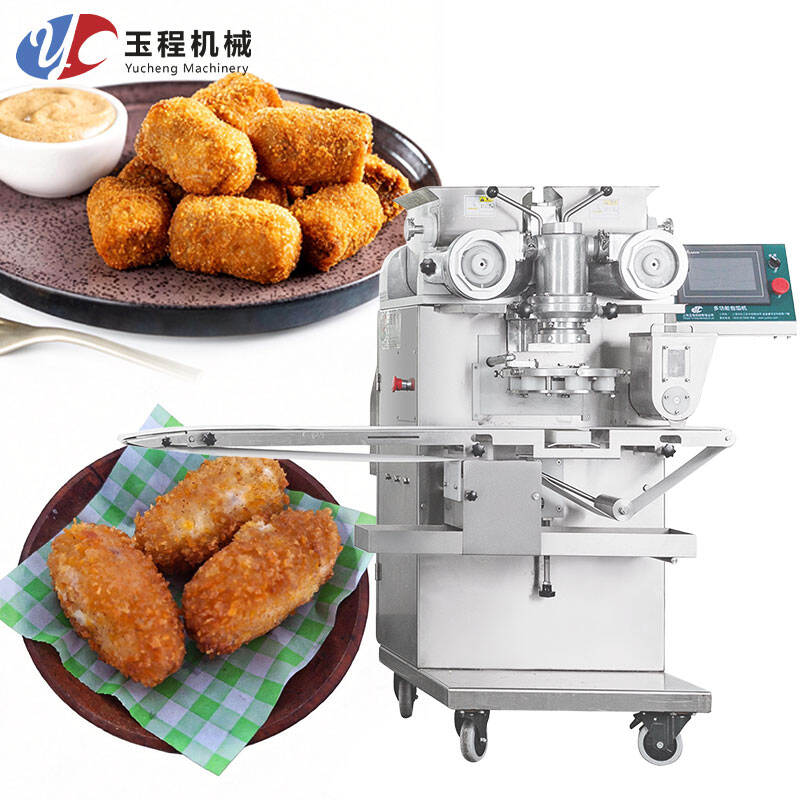
Selecting the right automatic machinery for your facility is a critical decision that impacts production efficiency, product quality, labor costs, and long-term competitiveness. Many facility managers and production directors face the challenge of identifying equipment that aligns with their specific operational requirements, budget constraints, and growth projections. The process involves evaluating technical specifications, understanding production workflows, assessing vendor capabilities, and anticipating future scalability needs. This comprehensive guide explains how to systematically approach automatic machinery selection, ensuring your investment delivers measurable returns and supports your facility's strategic objectives.
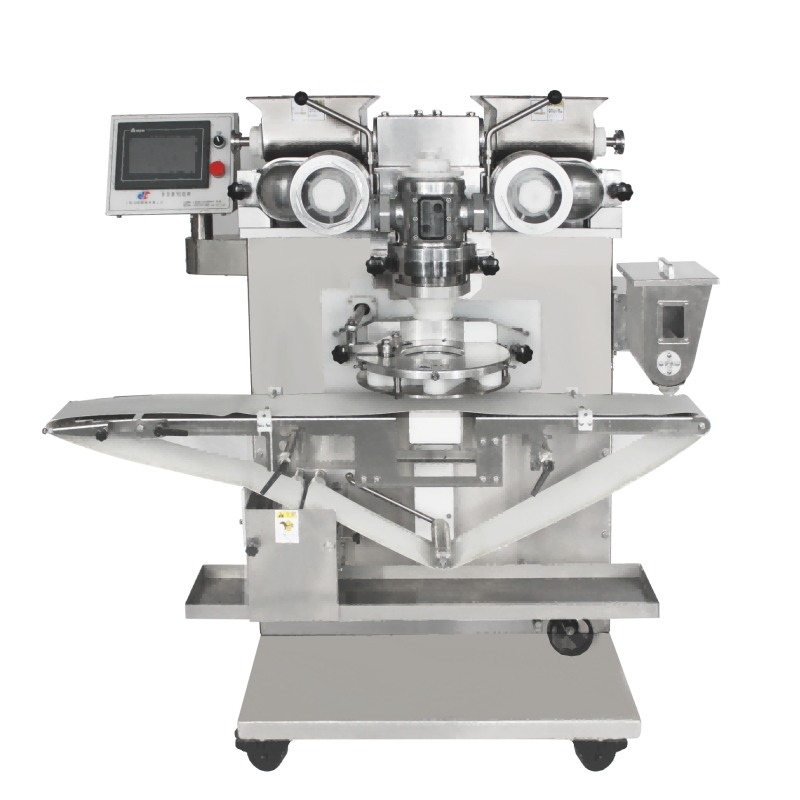
The decision-making framework for automatic machinery procurement extends beyond comparing price tags and basic features. It requires a methodical assessment of your current production bottlenecks, labor availability, quality control standards, and maintenance infrastructure. Understanding how different types of automatic machinery integrate with existing systems, the training requirements for your workforce, and the total cost of ownership over the equipment's lifecycle are essential components of an informed selection process. By following a structured approach that balances technical requirements with business considerations, you can identify machinery that transforms your production capabilities while maintaining operational stability.
Understanding Your Production Requirements and Operational Context
Conducting a Comprehensive Production Workflow Analysis
Before evaluating any automatic machinery options, you must thoroughly document your current production workflow, identifying specific pain points and bottlenecks that automation could address. This analysis should include detailed time-motion studies, production volume data across different shifts, quality rejection rates, and labor utilization patterns. Understanding where manual processes create inconsistencies, slow down throughput, or generate quality issues provides the foundation for defining what automatic machinery capabilities you actually need rather than what vendors promote. Many facilities make the mistake of purchasing advanced automation without first mapping how it will integrate into their existing processes.
Your workflow analysis must also consider seasonal production variations, product changeover frequency, and the flexibility required to accommodate different product specifications. Automatic machinery that excels in high-volume, single-product runs may prove inadequate if your facility regularly switches between multiple product lines with varying parameters. Document the typical batch sizes, changeover times currently required, and the skill levels of operators who will interact with the equipment. This contextual understanding ensures you select automatic machinery designed for your actual operational patterns rather than idealized production scenarios that may not reflect your facility's reality.
Defining Technical Specifications Based on Product Characteristics
The physical and chemical characteristics of your products dictate essential technical requirements for automatic machinery selection. Parameters such as product dimensions, weight, viscosity, temperature sensitivity, fragility, and packaging requirements all constrain which equipment types can effectively handle your specific materials. For food production facilities, factors like ingredient consistency, moisture content, and shelf-life preservation needs directly influence machinery design requirements. Creating detailed product specification sheets that document these characteristics enables more precise conversations with equipment suppliers and helps filter out inappropriate machinery options early in the evaluation process.
Beyond basic product handling, consider how automatic machinery must maintain product integrity throughout processing. Equipment that applies excessive force, generates unwanted heat, or introduces contamination risks may compromise product quality despite offering high-speed operation. Evaluate whether your products require gentle handling, climate-controlled processing environments, or sanitary design features that facilitate thorough cleaning. The automatic machinery you select must match your product's sensitivity requirements while still delivering the productivity improvements that justify the capital investment. This technical alignment between equipment capabilities and product characteristics is fundamental to successful automation implementation.
Establishing Production Volume Targets and Capacity Planning
Accurate production volume forecasting drives appropriate automatic machinery sizing and capacity selection. Undersized equipment creates immediate bottlenecks that negate automation benefits, while oversized machinery results in underutilization and poor return on investment. Analyze your historical production data to identify trends, seasonal peaks, and growth trajectories that inform realistic capacity requirements. Consider whether you need machinery that handles current volumes efficiently or equipment sized for anticipated growth over the next three to five years. This capacity planning exercise must account for both average production rates and peak demand periods that may require surge capacity.
When establishing capacity targets for automatic machinery, factor in realistic operational efficiency rates rather than theoretical maximum output specifications. Most production environments experience downtime for changeovers, maintenance, quality checks, and other interruptions that reduce actual throughput compared to manufacturer-specified speeds. Apply conservative efficiency factors based on your facility's operational discipline and maintenance capabilities when translating capacity requirements into equipment specifications. Additionally, consider whether a single high-capacity machine or multiple smaller units better serves your needs regarding redundancy, flexibility, and risk management if equipment failures occur.
Evaluating Technical Performance and Equipment Capabilities
Assessing Automation Level and Control System Sophistication
Automatic machinery spans a wide spectrum from semi-automated equipment requiring significant operator intervention to fully autonomous systems with minimal human oversight. Determining the appropriate automation level for your facility depends on your workforce's technical capabilities, the complexity of your production processes, and your quality control requirements. Higher automation levels typically offer greater consistency and reduced labor dependency but require more sophisticated maintenance skills and upfront investment. Evaluate whether your facility has or can develop the technical expertise needed to program, troubleshoot, and maintain advanced control systems that govern modern automatic machinery.
The control system architecture of automatic machinery directly impacts operational flexibility and integration potential. Modern equipment featuring programmable logic controllers, human-machine interfaces, and network connectivity enables recipe management, remote monitoring, and data collection that supports continuous improvement initiatives. However, proprietary control systems may lock you into specific vendors for future upgrades and limit integration with other facility systems. Assess whether the automatic machinery uses industry-standard control protocols that facilitate connectivity with your existing manufacturing execution systems, quality management databases, and enterprise resource planning platforms. This integration capability becomes increasingly important as facilities move toward Industry 4.0 concepts and data-driven decision making.
Examining Build Quality and Component Selection
The longevity and reliability of automatic machinery depend heavily on the quality of components and overall construction standards employed in manufacturing. Examine whether equipment frames use robust materials adequate for the operating environment and vibration loads. Review the brands and specifications of critical components such as motors, drives, bearings, sensors, and actuators to assess whether manufacturers used industrial-grade parts or cost-reduced consumer-grade alternatives. Quality automatic machinery typically features components from recognized industrial suppliers with established reliability track records rather than generic or unbranded parts that may prove difficult to source for future repairs.
Pay particular attention to wear components that will require periodic replacement and evaluate their accessibility for maintenance. Well-designed automatic machinery provides easy access to parts that experience regular wear without requiring extensive disassembly that increases downtime. Consider the availability and cost of replacement parts, especially for specialized components unique to specific machinery models. Equipment that uses widely available standard components generally offers advantages in maintenance cost and downtime reduction compared to machinery dependent on proprietary parts with long lead times. This consideration becomes especially critical if you operate in regions distant from the manufacturer's service network or spare parts distribution centers.
Testing Performance Through Demonstrations and Trial Production
Theoretical specifications and marketing materials provide limited insight into how automatic machinery will actually perform with your specific products under your facility conditions. Whenever possible, arrange for equipment demonstrations using your actual product samples rather than the manufacturer's prepared materials. This hands-on evaluation reveals how the machinery handles product variations, whether changeovers between specifications are truly as efficient as claimed, and whether the user interface is intuitive for your operators. Observe the equipment through multiple production cycles to assess consistency, identify any intermittent issues, and evaluate the actual cycle times compared to advertised speeds.
For significant capital investments in automatic machinery, negotiate trial production periods or pilot programs that allow extended evaluation under real production conditions before final purchase commitment. This extended testing period enables your maintenance team to assess serviceability, your operators to evaluate ergonomics and usability, and your quality team to verify that the equipment consistently meets specifications. Document any issues encountered during trials and evaluate the manufacturer's responsiveness in addressing problems. The supplier's willingness to support thorough testing and their transparency about equipment limitations often provides valuable insights into the long-term partnership you can expect after purchase.
Analyzing Total Cost of Ownership and Financial Implications
Calculating Comprehensive Acquisition and Installation Costs
The purchase price of automatic machinery represents only a portion of the total acquisition cost that facilities must budget for successful implementation. Comprehensive cost analysis must include site preparation requirements such as electrical service upgrades, compressed air system expansion, structural reinforcement, or climate control modifications. Many facilities underestimate these ancillary costs, which can add twenty to forty percent to the base equipment price depending on your facility's existing infrastructure and the machinery's specific requirements. Request detailed utility specifications from equipment suppliers early in the evaluation process so you can accurately estimate these preparation costs before committing to purchase.
Installation costs extend beyond simply placing automatic machinery on the production floor. Factor in rigging and transportation expenses, especially for large or heavy equipment requiring specialized handling. Include commissioning costs, which typically involve manufacturer technicians traveling to your facility to supervise installation, perform initial calibration, and verify proper operation. Budget for any production downtime during installation and startup, accounting for the lost revenue during this transition period. Some facilities also require process validation documentation for regulatory compliance, which adds additional time and cost to the implementation timeline. Creating a detailed project budget that encompasses all these elements prevents financial surprises that can undermine the business case for automation investments.
Evaluating Operating Costs and Efficiency Gains
The ongoing operating costs of automatic machinery significantly impact long-term financial performance and should factor prominently into equipment selection decisions. Energy consumption varies substantially between different machinery designs and efficiency levels, with older or poorly designed equipment potentially consuming two to three times the power of modern efficient alternatives. Request detailed specifications on electrical power draw, compressed air consumption, water usage, and any other utilities required for operation. Calculate the annual utility costs at your local rates and compare these operational expenses across different equipment options you're evaluating.
Beyond utility costs, analyze the labor efficiency improvements that automatic machinery delivers compared to your current manual or semi-automated processes. Quantify the reduction in direct labor hours per unit produced and factor in the fully-loaded labor costs including wages, benefits, and overhead. However, recognize that automation rarely eliminates labor entirely but rather shifts requirements from direct production to equipment monitoring, quality verification, and maintenance activities. Some automatic machinery requires specialized operators with technical skills that command higher wages than general production workers, potentially offsetting some of the anticipated labor savings. Develop realistic labor models that reflect how your facility will actually staff and support the automated equipment rather than assuming theoretical maximum labor reductions.
Projecting Maintenance Requirements and Lifecycle Costs
Maintenance costs represent a significant component of total ownership expenses for automatic machinery and vary dramatically based on equipment design, operating intensity, and environmental conditions. Request detailed preventive maintenance schedules from manufacturers and estimate the labor hours and materials required for routine servicing. Evaluate whether your facility possesses the technical capabilities to perform this maintenance in-house or whether you'll depend on external service providers at higher hourly rates. Consider the availability of service technicians in your geographic area and typical response times for emergency repairs that affect equipment uptime and production continuity.
Project the expected lifecycle of automatic machinery and estimate when major component replacements or overhauls will be necessary. Well-maintained industrial equipment typically operates for ten to twenty years, but critical components may require replacement at five to seven year intervals. Factor these major maintenance events into your financial projections to understand the true lifecycle cost rather than only considering the first few years of operation. Additionally, consider how technological obsolescence might affect the equipment's useful life, particularly for machinery dependent on software or control systems that may become unsupported as manufacturers transition to newer platforms. This long-term perspective helps identify whether premium equipment with higher initial costs but lower maintenance requirements delivers better value than budget alternatives with higher ongoing support expenses.
Assessing Vendor Capabilities and Support Infrastructure
Investigating Manufacturer Reputation and Industry Experience
The reputation and track record of automatic machinery manufacturers provide important signals about equipment quality and long-term support reliability. Research how long manufacturers have operated in the industry and their specific experience with equipment types relevant to your applications. Companies with decades of specialized focus typically offer more refined designs and deeper technical expertise than diversified manufacturers for whom your equipment type represents a minor product line. Review case studies and reference installations in similar industries to verify that manufacturers have successfully addressed applications comparable to your requirements.
Seek candid feedback from existing customers operating the same or similar automatic machinery you're considering. Contact reference accounts directly rather than relying solely on manufacturer-provided testimonials, and ask specific questions about equipment reliability, manufacturer responsiveness to issues, and overall satisfaction with the investment. Industry associations, trade shows, and online forums often provide opportunities to connect with peers who can share unfiltered experiences with different equipment suppliers. This due diligence helps identify manufacturers with consistent track records of customer satisfaction versus those with quality inconsistencies or support deficiencies that only become apparent after purchase.
Evaluating Technical Support and Service Network Coverage
The availability and quality of technical support directly impact how quickly you can resolve equipment issues and minimize production disruptions. Evaluate whether automatic machinery manufacturers maintain service personnel in your geographic region or whether support requires technicians traveling from distant locations with associated delays and travel costs. Assess the support infrastructure including spare parts inventory locations, typical parts delivery times, and availability of emergency service for critical breakdowns. Manufacturers with weak service networks in your area may offer attractive equipment pricing but expose your facility to extended downtime risks that ultimately cost far more than the initial savings.
Beyond physical service presence, examine the technical support resources manufacturers provide for troubleshooting and optimization. Quality suppliers offer comprehensive training programs for operators and maintenance personnel, detailed technical documentation, and responsive help desk support for remote diagnostics. Increasingly, automatic machinery features remote connectivity enabling manufacturer technicians to access equipment diagnostics, review performance data, and guide your team through troubleshooting procedures without site visits. Verify that support services are available during your facility's operating hours, recognizing that manufacturers in distant time zones may not provide real-time assistance when you need it most. The quality of ongoing support often proves more valuable than minor differences in initial equipment specifications or pricing.
Reviewing Warranty Terms and Service Agreements
Warranty coverage and available service agreements reveal manufacturer confidence in equipment reliability and provide financial protection during the critical early operation period. Standard warranties for automatic machinery typically cover one year for parts and labor, though coverage terms vary significantly between suppliers. Examine warranty exclusions carefully, as many manufacturers limit coverage for components considered wear items or exclude damage resulting from improper operation or maintenance. Understand the process for warranty claims and whether coverage requires manufacturer-authorized service providers that may not be readily available in your location.
Evaluate optional extended warranties and preventive maintenance agreements that manufacturers offer beyond standard coverage. These service contracts can provide budget predictability and priority service response but require careful cost-benefit analysis. Compare the contract costs against your projected maintenance expenses and the value of guaranteed response times for your operation. Some facilities with strong in-house maintenance capabilities find service contracts unnecessary, while others lacking technical resources benefit significantly from comprehensive coverage that ensures expert support. Consider whether service agreements include provisions for equipment upgrades, software updates, or performance optimization services that enhance the machinery's capabilities over time beyond basic repair and maintenance functions.
Planning for Integration, Implementation, and Future Scalability
Ensuring Compatibility with Existing Production Infrastructure
New automatic machinery must integrate seamlessly with your facility's existing production systems, material handling equipment, and quality control processes to deliver anticipated efficiency gains. Map the physical layout carefully to ensure adequate space not only for the equipment itself but also for material staging, operator access, maintenance clearances, and safety zones. Consider how products will feed into and exit the automatic machinery, whether existing conveyor systems are compatible, and if additional handling equipment is required to connect production stages. Poor integration planning creates bottlenecks that limit the machinery's effective throughput regardless of its standalone capabilities.
From a systems perspective, verify that new automatic machinery can communicate with existing facility management systems if integration is important for your operations. Confirm data format compatibility, communication protocol support, and whether interface development is required to achieve desired connectivity. Some facilities operate successfully with standalone equipment while others require integrated systems for production tracking, quality documentation, or inventory management. Understand the integration requirements and costs upfront rather than discovering compatibility issues after installation. Additionally, consider electrical and utility connections, ensuring your facility infrastructure can support the equipment's demands without requiring extensive modifications that delay implementation timelines.
Developing Comprehensive Training and Change Management Programs
The success of automatic machinery implementation depends as much on workforce readiness as equipment capabilities. Develop comprehensive training programs that prepare operators, maintenance technicians, and supervisors for their respective roles with the new equipment. Operator training should cover not only basic operation procedures but also quality monitoring, routine maintenance tasks, and troubleshooting common issues to maximize equipment uptime. Maintenance training must be sufficiently detailed to enable your team to perform preventive maintenance, diagnose problems accurately, and execute repairs effectively without constant reliance on external service providers.
Address the change management aspects of introducing automatic machinery into your facility, recognizing that automation can create workforce anxiety about job security and role changes. Communicate clearly about how automation will impact staffing, emphasizing opportunities for skill development and higher-value work rather than only focusing on efficiency gains. Involve operators and maintenance personnel early in the equipment selection process, soliciting their input and addressing their concerns. This inclusive approach builds buy-in and leverages frontline expertise that can identify practical considerations that management might overlook. Facilities that manage the human dimensions of automation thoughtfully typically achieve faster implementation, better equipment utilization, and fewer operational disruptions during the transition period.
Building Flexibility for Future Expansion and Adaptation
Selecting automatic machinery with inherent flexibility and expansion capability protects your investment as business requirements evolve. Evaluate whether equipment can accommodate future product variations, capacity increases, or process modifications without requiring complete replacement. Modular machinery designs that allow capability additions through accessory purchases or software upgrades offer advantages over fixed-function equipment with limited adaptability. Consider whether the control system architecture supports adding sensors, actuators, or integration with future technologies as your facility advances its automation sophistication.
Assess the scalability pathway if your production volumes grow beyond the capacity of initial automatic machinery installations. Equipment lines designed as scalable systems allow adding parallel machines or expanding production lines incrementally rather than requiring complete process redesign. This modularity reduces risk by enabling capacity additions matched to actual demand growth rather than forcing large upfront investments based on uncertain projections. Additionally, consider the manufacturer's product roadmap and commitment to ongoing development, ensuring that your equipment supplier will remain viable and continue supporting your machinery throughout its operational lifecycle. Selecting automatic machinery from manufacturers with clear technology evolution plans and backward compatibility commitments provides greater confidence in long-term value preservation.
FAQ
What is the typical payback period for automatic machinery investments in manufacturing facilities?
Payback periods for automatic machinery vary significantly based on equipment cost, labor savings achieved, productivity improvements, and quality enhancements. Most manufacturing facilities target payback periods between two and five years for automation investments. High-volume operations with significant labor content may achieve payback in eighteen months to two years, while specialized equipment for lower-volume applications might require four to six years to recover the investment. Calculate payback using comprehensive cost analysis including all acquisition, installation, and operating costs against realistic savings projections rather than optimistic scenarios. Consider that payback period is only one financial metric, and automated equipment often delivers value through quality improvements, capacity enablement, and competitive positioning that extend beyond simple labor cost reduction.
How do you balance equipment cost against quality and long-term reliability when selecting automatic machinery?
Balancing cost and quality requires evaluating total cost of ownership rather than focusing solely on acquisition price. Lower-cost automatic machinery may appear attractive initially but often incurs higher maintenance expenses, experiences more frequent breakdowns, and requires earlier replacement than premium equipment. Calculate the net present value of different equipment options considering all costs over a ten-year period including purchase, installation, operation, maintenance, downtime costs, and eventual replacement. This comprehensive financial analysis frequently reveals that mid-tier or premium equipment delivers better value despite higher initial costs. However, recognize that the most expensive equipment is not automatically the best choice—align capability and quality with your actual requirements rather than over-specifying features you will never utilize.
Should facilities prioritize purchasing new automatic machinery or consider refurbished equipment to reduce costs?
Refurbished automatic machinery can offer substantial cost savings, typically thirty to fifty percent below new equipment pricing, making automation accessible for facilities with limited capital budgets. However, refurbished equipment carries additional risks including unknown usage history, potential hidden wear, limited or no warranty coverage, and possible obsolescence of control systems or components. If considering refurbished machinery, purchase only from reputable dealers who provide comprehensive inspection reports, rebuild documentation, and meaningful warranties. Verify that replacement parts remain available and that the equipment's control systems are supportable. New equipment is generally preferable for critical production applications where reliability directly impacts revenue, while refurbished machinery may be appropriate for secondary processes, backup capacity, or facilities testing automation concepts before major investments.
What role should sustainability and energy efficiency play in automatic machinery selection decisions?
Sustainability considerations are increasingly important in automatic machinery selection due to rising energy costs, corporate environmental commitments, and potential regulatory requirements. Energy-efficient equipment reduces operating costs throughout the machinery's lifecycle, and these savings can be substantial for equipment operating continuously or in high-volume applications. Modern automatic machinery often incorporates energy-saving features such as variable-speed drives, efficient motors, and power management systems that significantly reduce consumption compared to older designs. Additionally, consider whether equipment design facilitates material efficiency, reduces waste generation, or enables recycling of production byproducts. Some facilities face customer requirements or regulatory mandates regarding environmental performance, making sustainability features essential rather than optional. Evaluate energy efficiency using actual consumption data and calculate the return on investment from efficiency improvements to determine whether premium pricing for efficient equipment is justified by operational savings.
Table of Contents
- Understanding Your Production Requirements and Operational Context
- Evaluating Technical Performance and Equipment Capabilities
- Analyzing Total Cost of Ownership and Financial Implications
- Assessing Vendor Capabilities and Support Infrastructure
- Planning for Integration, Implementation, and Future Scalability
-
FAQ
- What is the typical payback period for automatic machinery investments in manufacturing facilities?
- How do you balance equipment cost against quality and long-term reliability when selecting automatic machinery?
- Should facilities prioritize purchasing new automatic machinery or consider refurbished equipment to reduce costs?
- What role should sustainability and energy efficiency play in automatic machinery selection decisions?


