 EN
EN


The food manufacturing industry stands at a pivotal crossroads in 2025, where operational excellence and technological advancement converge to redefine production standards. As consumer demand escalates, regulatory frameworks tighten, and market competition intensifies, businesses face mounting pressure to optimize their manufacturing capabilities. Selecting a high efficiency food production line has evolved from a competitive advantage into an essential strategic imperative that determines market viability, profitability, and long-term sustainability. Understanding why this investment matters now requires examining the fundamental shifts reshaping the food production landscape and the tangible benefits that modern automated systems deliver to manufacturers across all scales.
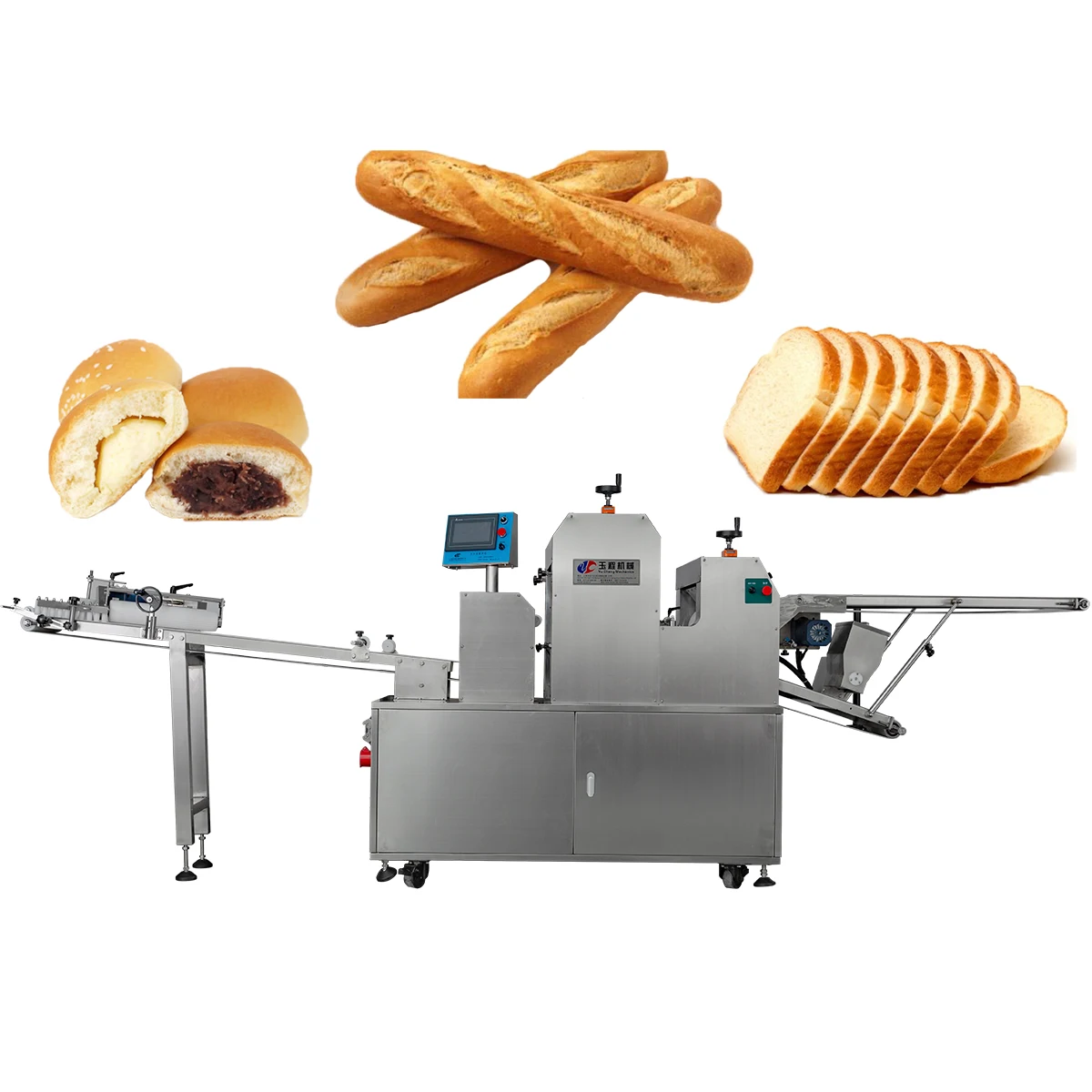
The decision to adopt a high efficiency food production line in 2025 stems from converging economic, operational, and market forces that make traditional manufacturing approaches increasingly unsustainable. Modern production systems integrate precision engineering, intelligent automation, and process optimization to address critical business challenges including labor shortages, rising operational costs, stringent quality requirements, and the imperative for rapid production scalability. These advanced systems fundamentally transform how food manufacturers operate, enabling them to produce consistent high-quality products at volumes and cost structures that manual or semi-automated processes cannot match. The strategic value extends beyond mere productivity gains to encompass waste reduction, enhanced food safety compliance, improved resource utilization, and the flexibility to respond dynamically to shifting market demands.
The Economic Imperatives Driving Production Line Efficiency
Labor Cost Pressures and Workforce Availability Challenges
The food manufacturing sector confronts unprecedented labor market dynamics in 2025, characterized by persistent workforce shortages, rising wage expectations, and increasing difficulty attracting skilled operators for repetitive manual tasks. A high efficiency food production line directly addresses these challenges by automating labor-intensive processes that traditionally required substantial human intervention. Automated systems handle repetitive tasks such as ingredient dispensing, mixing, shaping, and packaging with mechanical precision, reducing reliance on manual labor by as much as sixty to seventy percent depending on the process complexity. This automation does not eliminate jobs but rather reallocates human resources to higher-value supervisory, quality control, and maintenance functions where human judgment and expertise create greater business value.
The financial implications extend beyond simple wage cost avoidance. Manufacturers investing in automated production lines experience significantly reduced recruitment and training expenses, lower employee turnover disruption costs, and decreased liability exposure from workplace injuries associated with manual handling. The return on investment typically materializes within eighteen to thirty-six months as labor cost savings accumulate while production output increases. Furthermore, automated systems operate consistently across shifts without productivity degradation from fatigue, ensuring uniform output quality regardless of time or day. For businesses operating in regions with particularly tight labor markets or high minimum wage requirements, the economic case for choosing a high efficiency food production line becomes even more compelling as the wage-productivity gap continues widening.
Energy Efficiency and Operational Cost Reduction
Energy costs represent a substantial and growing component of food manufacturing expenses, making operational efficiency a critical determinant of profitability. Modern high efficiency food production line systems incorporate advanced energy management technologies including variable frequency drives, optimized heating and cooling cycles, regenerative braking systems, and intelligent power distribution that collectively reduce energy consumption by twenty-five to forty percent compared to conventional equipment. These systems precisely calibrate energy input to actual production requirements, eliminating the waste inherent in oversized or continuously-running legacy equipment. Smart sensors monitor real-time energy usage across production stages, identifying inefficiencies and enabling continuous optimization that compounds savings over the equipment lifecycle.
Beyond direct energy savings, efficient production lines minimize resource waste through precise ingredient metering, optimized process temperatures, reduced product rejects, and decreased cleaning requirements. Water consumption declines through closed-loop systems and targeted cleaning protocols, while ingredient waste drops dramatically due to accurate portioning and consistent process control. The cumulative effect of these efficiencies fundamentally improves the cost structure of food manufacturing operations, enhancing gross margins even as input costs rise. Manufacturers who choose a high efficiency food production line position themselves to maintain competitive pricing while protecting profitability against commodity price volatility and energy market fluctuations that increasingly characterize the current economic environment.
Quality Consistency and Food Safety Requirements
Precision Control Eliminating Product Variation
Consumer expectations for product consistency have never been higher, with brand loyalty increasingly dependent on delivering identical taste, texture, appearance, and nutritional profiles across every unit produced. A high efficiency food production line achieves consistency levels impossible through manual processes by maintaining precise control over critical parameters including ingredient ratios, mixing times, processing temperatures, forming pressures, and baking or cooking durations. Computer-controlled systems execute recipes with pharmaceutical-grade accuracy, measuring ingredients to tolerances of fractions of a gram and maintaining temperature stability within single-degree ranges. This precision eliminates the natural variation inherent in human-operated processes, ensuring that the thousandth product matches the first in all essential characteristics.
The business implications of this consistency extend across multiple dimensions. Reduced product variation directly translates to lower reject rates, minimizing waste and improving yield. Consistent products reduce consumer complaints and returns, protecting brand reputation and customer retention. Predictable output characteristics enable more accurate inventory planning and shelf-life management, reducing spoilage losses across the distribution chain. For manufacturers operating in regulated markets or pursuing retail partnerships with strict quality specifications, the reliability of automated production systems becomes a prerequisite for market access rather than merely a competitive advantage. The ability to document and demonstrate process consistency through integrated data logging also simplifies regulatory compliance and audit procedures.
Enhanced Food Safety Through Automated Monitoring
Food safety regulations continue tightening globally, with regulatory agencies implementing increasingly stringent requirements for hazard analysis, critical control point monitoring, traceability, and contamination prevention. Modern high efficiency food production line systems integrate comprehensive food safety features including automated temperature monitoring, metal detection, optical inspection, environmental controls, and complete batch traceability that exceed regulatory minimums while reducing compliance burden. Sealed processing chambers minimize contamination risks from environmental sources, while automated cleaning-in-place systems ensure sanitation consistency that manual cleaning cannot reliably achieve. Real-time monitoring systems detect deviations from food safety parameters instantly, triggering automatic corrective actions or production halts that prevent contaminated product from reaching consumers.
The risk mitigation value of these integrated safety systems cannot be overstated in an era where a single food safety incident can destroy brand equity built over decades and trigger millions in recall costs, legal liabilities, and regulatory penalties. Automated documentation systems create comprehensive audit trails that demonstrate due diligence and facilitate rapid response if issues arise. For manufacturers serving institutional customers, retail chains, or export markets, the robust food safety capabilities of modern automated systems often determine market access eligibility. Choosing a high efficiency food production line in 2025 means choosing a system designed from the ground up to meet current and anticipated food safety standards, providing assurance that production capabilities will remain compliant as regulations evolve rather than requiring costly retrofitting or premature replacement.
Market Responsiveness and Production Flexibility
Rapid Changeover Capabilities for Product Diversification
Contemporary food markets demand product variety and frequent innovation, with successful manufacturers continuously introducing new flavors, formats, sizes, and formulations to maintain consumer interest and respond to emerging dietary trends. Traditional production equipment often requires extensive manual adjustments and lengthy changeover periods when switching between product variants, creating economic barriers to diversification. A high efficiency food production line incorporates quick-change tooling, recipe management software, automated adjustment mechanisms, and modular design elements that dramatically reduce changeover times from hours to minutes. This capability enables manufacturers to economically produce smaller batch sizes across wider product ranges, supporting market testing, seasonal offerings, regional preferences, and customized formulations without sacrificing overall production efficiency.
The strategic flexibility this creates proves increasingly valuable as market dynamics accelerate and product lifecycles compress. Manufacturers can respond rapidly to emerging trends, test new concepts with minimal risk, and maintain fresh product portfolios that drive retail placement and consumer trial. The ability to efficiently produce both high-volume core products and lower-volume specialty items on the same equipment eliminates the need for dedicated lines for each product category, optimizing capital utilization while maintaining operational agility. For businesses pursuing growth through product innovation or serving diverse customer segments with varying requirements, the flexibility inherent in modern automated systems represents a fundamental competitive capability that directly impacts revenue growth potential and market share trajectory.
Scalability to Match Demand Fluctuations
Food demand patterns exhibit significant seasonal variation, promotional spikes, and long-term growth trends that require production capacity to expand and contract efficiently. A high efficiency food production line provides scalability through adjustable operating speeds, extended operating hours enabled by automation, and modular expansion options that match capacity additions to actual demand growth. Automated systems can operate additional shifts with minimal incremental staffing, effectively multiplying capacity without proportional cost increases. When demand surges seasonally or promotionally, production rates can increase within the equipment's design envelope, providing surge capacity that would require additional manual lines to achieve. This operational elasticity enables manufacturers to capture revenue opportunities during peak periods without maintaining excess capacity year-round.
Long-term scalability matters equally as businesses grow and markets expand. Modern production systems feature modular architectures where capacity increases through adding parallel processing modules, extending conveyor sections, or integrating additional downstream equipment rather than replacing entire lines. This incremental expansion approach aligns capital investment with revenue growth, avoiding the financial strain of oversized initial investments while ensuring production capabilities evolve with business needs. For emerging manufacturers or businesses entering new markets, choosing a high efficiency food production line with inherent scalability provides a growth pathway from initial market entry through regional expansion and eventually national or international distribution without fundamental production system replacement. This long-term perspective on production infrastructure makes automation adoption a strategic enabler of growth rather than merely an operational improvement.
Technological Integration and Future-Readiness
Industry 4.0 Connectivity and Data Analytics
The food manufacturing industry rapidly embraces Industry 4.0 concepts including Internet of Things connectivity, cloud-based data analytics, predictive maintenance, and artificial intelligence optimization. Modern high efficiency food production line systems arrive equipped with comprehensive sensor arrays, industrial network connectivity, and data management platforms that transform production equipment from mechanical systems into intelligent assets generating actionable business intelligence. Real-time production data flows to enterprise resource planning systems, enabling dynamic scheduling, inventory optimization, and performance tracking. Machine learning algorithms analyze historical production data to identify efficiency improvement opportunities, predict maintenance requirements before failures occur, and optimize process parameters for maximum yield and quality.
This technological sophistication delivers tangible operational benefits including reduced unplanned downtime through predictive maintenance, improved overall equipment effectiveness through continuous optimization, and enhanced decision-making through comprehensive performance visibility. Manufacturers gain unprecedented insight into production economics at granular levels, understanding true costs by product, batch, shift, or time period. This transparency enables precise pricing, accurate profitability analysis, and informed capital allocation decisions. For organizations pursuing operational excellence or implementing lean manufacturing methodologies, the data richness of modern automated systems provides the measurement foundation necessary for continuous improvement initiatives. Choosing a high efficiency food production line with robust digital capabilities in 2025 ensures production infrastructure remains relevant and valuable as technological capabilities continue advancing rather than becoming obsolete as industry standards evolve.
Sustainability and Environmental Compliance
Environmental responsibility has transitioned from optional corporate social responsibility to business imperative driven by regulatory requirements, customer expectations, and investor demands for environmental, social, and governance performance. A high efficiency food production line contributes directly to sustainability objectives through multiple mechanisms including reduced energy consumption, minimized water usage, decreased waste generation, and lower carbon emissions per unit produced. Precise process control minimizes ingredient waste and product rejects, while optimized thermal systems reduce fossil fuel consumption or electricity demand. Closed-loop water systems and efficient cleaning protocols substantially decrease water consumption and wastewater generation compared to manual processes. These environmental benefits align with increasingly stringent regulations while meeting customer sustainability requirements that influence purchasing decisions across retail and institutional markets.
The business case for environmental performance strengthens as carbon pricing mechanisms expand, water costs rise in drought-affected regions, and waste disposal expenses increase through landfill restrictions. Manufacturers with efficient, low-impact production processes enjoy cost advantages while meeting sustainability commitments that differentiate them in competitive markets. Corporate customers increasingly require suppliers to demonstrate environmental responsibility through metrics, certifications, and third-party audits. Production systems designed for efficiency inherently deliver the environmental performance data and actual resource conservation that satisfy these requirements. For forward-looking manufacturers, choosing a high efficiency food production line represents an investment in both operational excellence and environmental stewardship that positions the business favorably as sustainability expectations continue intensifying across the food value chain throughout the coming decade and beyond.
FAQ
What production volume justifies investing in a high efficiency food production line?
The investment threshold for automated production systems has declined substantially as technology costs decrease and equipment becomes more scalable. Generally, manufacturers producing more than five thousand units daily or processing over one thousand kilograms of product per shift find compelling economic justification for automation. However, the calculation depends on multiple factors including labor costs in your operating region, product complexity, quality consistency requirements, and growth trajectory. Businesses experiencing rapid growth or operating in high-labor-cost markets may justify automation at lower volumes, while those producing highly specialized artisanal products might delay automation longer. The key consideration is total cost of ownership over the equipment lifecycle rather than simply production volume, factoring in labor savings, quality improvements, waste reduction, and capacity scalability that automated systems provide beyond mere throughput increases.
How long does implementation of a high efficiency food production line typically require?
Implementation timelines vary based on system complexity, customization requirements, facility readiness, and integration with existing operations. Standard automated bread production lines typically require three to six months from order placement to full production operation, encompassing equipment manufacturing, delivery, installation, operator training, and production optimization. More complex custom systems serving unique product requirements may extend to nine to twelve months. The timeline includes facility preparation such as utility upgrades, floor reinforcement, and environmental controls that must precede equipment installation. Most manufacturers phase implementation to maintain existing production during transition, which may extend overall timeline but prevents revenue disruption. Working with experienced equipment suppliers who provide comprehensive project management, training, and startup support significantly reduces implementation risk and accelerates time to full productivity.
Can existing facilities accommodate modern high efficiency food production lines?
Most existing food manufacturing facilities can accommodate modern automated production systems with appropriate preparation, though requirements vary based on specific equipment and current facility conditions. Key considerations include adequate floor space for equipment footprint and operator access, sufficient electrical capacity for motors and control systems, appropriate environmental controls for temperature and humidity, adequate ceiling height for vertical processing elements, and proper drainage for cleaning systems. Many modern systems feature compact designs specifically engineered for retrofit installations in existing facilities rather than requiring new construction. A professional site assessment by equipment suppliers identifies necessary modifications early in planning, enabling accurate budgeting and timeline development. In some cases, facility limitations may necessitate phased implementation or modular system configurations that work within existing constraints while still delivering substantial efficiency improvements over manual processes.
What ongoing maintenance requirements do automated food production lines demand?
Modern high efficiency food production line systems require regular preventive maintenance to sustain optimal performance, but automation actually reduces overall maintenance burden compared to multiple pieces of standalone equipment. Typical maintenance schedules include daily cleaning and basic inspections, weekly lubrication and adjustment checks, monthly component inspections, and annual comprehensive servicing. Most systems feature accessible design with quick-change components that minimize downtime during routine maintenance. Predictive maintenance capabilities in advanced systems use sensor data to identify developing issues before failures occur, enabling planned interventions during scheduled downtime rather than emergency repairs during production periods. Manufacturers should budget approximately three to five percent of equipment value annually for maintenance, parts, and service contracts. Comprehensive operator training in basic maintenance tasks and troubleshooting reduces dependence on external service while equipment suppliers typically offer service agreements providing priority response, preventive maintenance programs, and parts availability guarantees that minimize production disruption risks.
Table of Contents
- The Economic Imperatives Driving Production Line Efficiency
- Quality Consistency and Food Safety Requirements
- Market Responsiveness and Production Flexibility
- Technological Integration and Future-Readiness
-
FAQ
- What production volume justifies investing in a high efficiency food production line?
- How long does implementation of a high efficiency food production line typically require?
- Can existing facilities accommodate modern high efficiency food production lines?
- What ongoing maintenance requirements do automated food production lines demand?


