 EN
EN
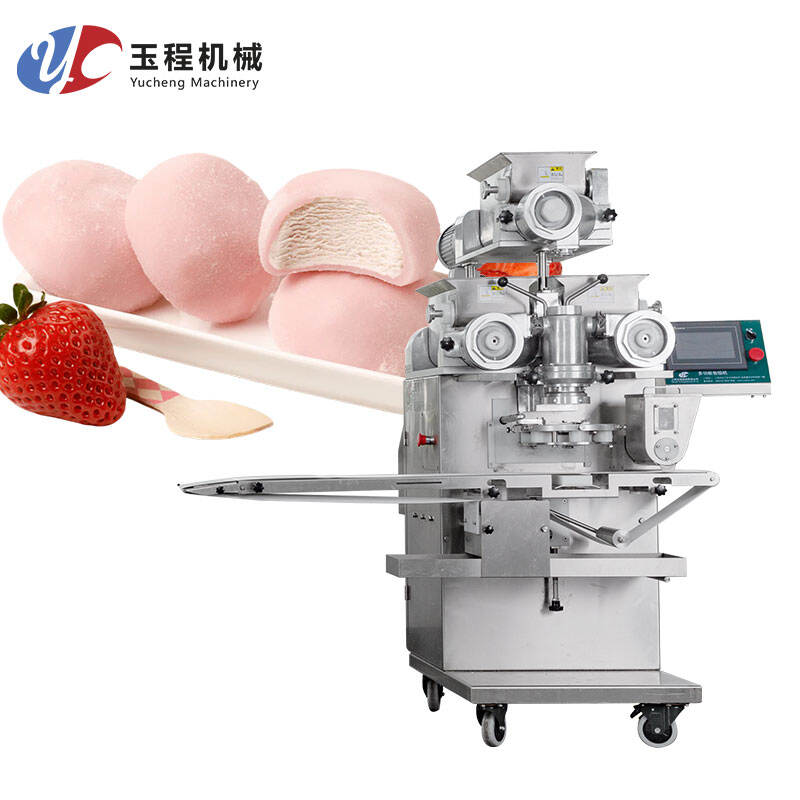
Modern food manufacturing demands unprecedented speed without compromising quality or safety standards. A high efficiency food production line represents the convergence of advanced automation, intelligent process design, and precision engineering that enables manufacturers to meet growing market demands while maintaining operational excellence. Understanding the specific factors that accelerate production throughput is essential for food processors seeking competitive advantages in increasingly demanding markets.
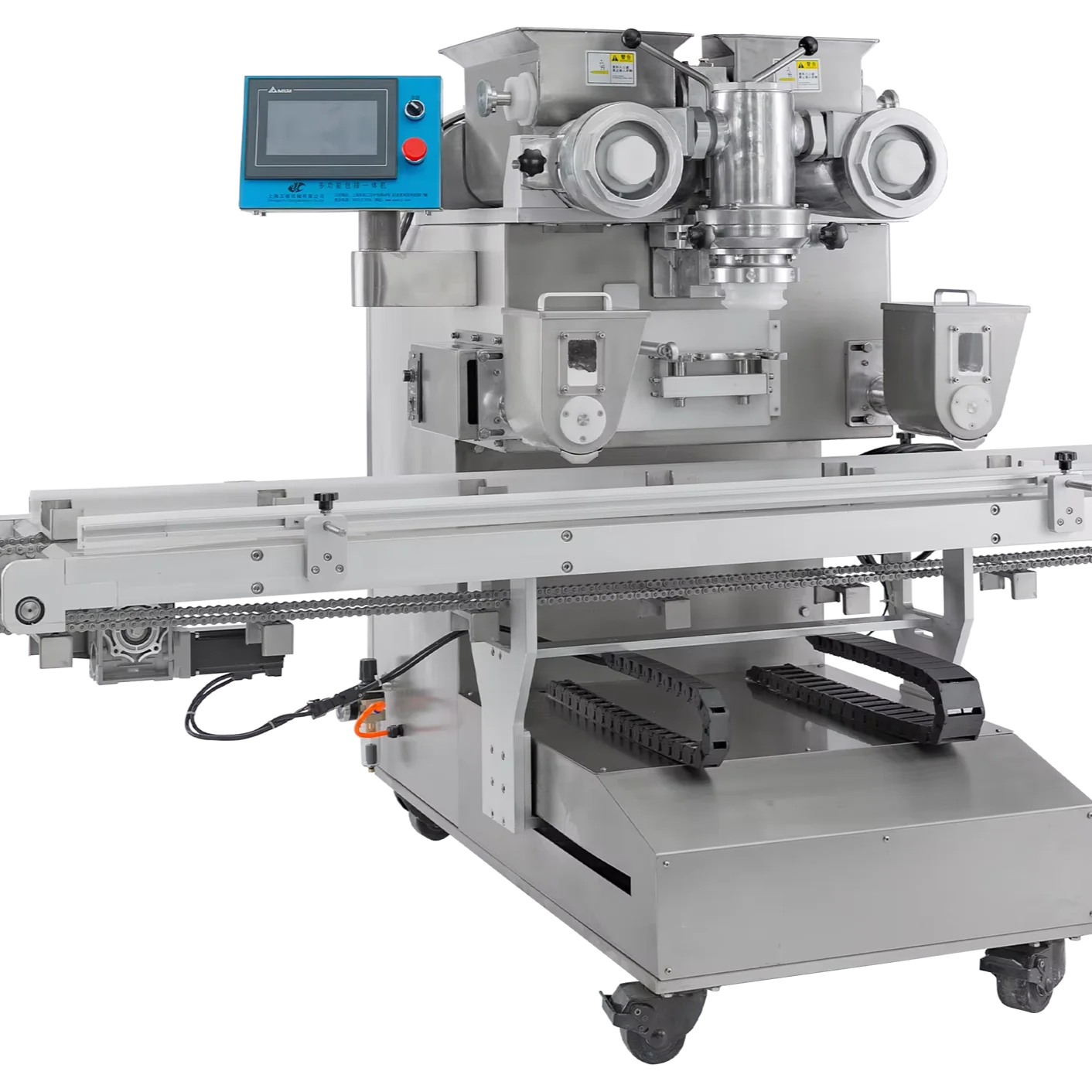
The speed advantage of a high efficiency food production line stems from multiple interconnected elements working in synchronized harmony. These systems integrate mechanical precision, digital control systems, and optimized material flow patterns to eliminate bottlenecks that traditionally slow conventional processing operations. From raw material intake through final packaging, every station contributes to overall throughput velocity through deliberate design choices that prioritize continuous motion, minimal changeover time, and reduced operator intervention requirements.
Advanced Automation Architecture Driving Speed Gains
Integrated Servo Motor Control Systems
The backbone of any high efficiency food production line lies in its motion control infrastructure. Advanced servo motor systems provide instantaneous response to processing demands, adjusting speed dynamically across filling stations, conveyor systems, and packaging units. Unlike traditional pneumatic or hydraulic systems that suffer from lag time and mechanical inconsistencies, servo-driven components maintain precise positional accuracy at variable speeds. This precision eliminates the safety margins that slower systems require, allowing equipment to operate closer to theoretical maximum speeds without risking product damage or safety violations.
Modern servo architectures communicate through industrial Ethernet protocols, enabling real-time coordination between upstream and downstream processes. When a high efficiency food production line detects a temporary slowdown at the sealing station, the filling station automatically adjusts its output rate to prevent overflow or product accumulation. This predictive adjustment happens in milliseconds, maintaining continuous flow rather than forcing entire line shutdowns that plague less sophisticated systems. The cumulative time savings from eliminating these micro-stoppages translates to significant daily production increases.
Multi-Axis Robotic Integration for Parallel Processing
Speed enhancement in modern food processing increasingly relies on parallel operation patterns rather than purely sequential workflows. A high efficiency food production line employs multi-axis robotic arms capable of handling multiple product units simultaneously during critical operations like tray loading, orientation adjustment, and secondary packaging. Where conventional systems process one item at a time through each station, robotic integration enables batch handling with individual item precision.
These robotic systems excel at performing complex manipulation tasks that would slow human operators considerably. Vision-guided robots identify product positioning errors and correct them in motion, eliminating rejection cycles that require products to loop back through correction stations. The combination of machine vision, artificial intelligence-based decision algorithms, and high-speed actuation allows a high efficiency food production line to maintain forward momentum even when handling products with natural variation in size, shape, or orientation that would challenge fixed mechanical systems.
Smart Sensor Networks Enabling Predictive Adjustments
The intelligence layer of a high efficiency food production line depends on distributed sensor networks that monitor dozens of process variables simultaneously. Temperature sensors, pressure transducers, weight scales, and optical detectors feed continuous data streams to central controllers that optimize operating parameters in real time. This constant monitoring prevents the gradual drift toward inefficiency that occurs in manually adjusted systems, where operators make periodic corrections rather than continuous micro-adjustments.
Predictive maintenance capabilities derived from sensor data prevent unexpected equipment failures that devastate production schedules. By detecting bearing wear, motor overheating, or seal degradation before catastrophic failure occurs, the system schedules maintenance during planned downtime rather than suffering emergency shutdowns. For manufacturers operating high efficiency food production line equipment across multiple shifts, this predictive capability directly translates to higher effective operating hours and faster cumulative output.
Optimized Process Flow Design Minimizing Transfer Time
Reduced Product Handling Through Integrated Stations
Traditional food processing lines often suffer from fragmented workflows where products transfer between separate machines with different operational speeds and changeover requirements. A high efficiency food production line eliminates these transition points by consolidating multiple process steps into unified equipment platforms. Filling, capping, labeling, and carton loading occur within a continuous mechanical structure where products never leave the primary conveyor system until fully packaged.
This integration strategy removes the acceleration and deceleration cycles that consume time at every equipment interface. Products maintain constant velocity through processing zones, with mechanical handoffs occurring through precisely timed transfer mechanisms rather than accumulation buffers that add dwell time. The cumulative effect of eliminating dozens of these micro-delays throughout a complete processing cycle produces measurably faster throughput without requiring individual stations to operate beyond their optimal speed ranges.
Dynamic Buffer Management for Continuous Operation
Even the most synchronized high efficiency food production line must accommodate brief speed mismatches between processing stages with different inherent cycle times. Advanced buffer systems address this challenge through intelligent accumulation zones that expand and contract based on real-time production flow. Rather than fixed-length accumulation conveyors that either waste space or prove inadequate during temporary slowdowns, dynamic buffers adjust their effective length through serpentine conveyor paths or vertical accumulation towers.
These intelligent buffer zones prevent the cascade failures common in rigidly timed systems. When the packaging station experiences a brief delay correcting a misaligned carton, the buffer absorbs incoming products without forcing upstream equipment to stop. Once normal operation resumes, the buffer releases its accumulated inventory at the maximum sustainable rate, quickly returning the entire high efficiency food production line to optimal flow patterns. This resilience allows systems to maintain higher average speeds despite inevitable minor interruptions.
Optimized Product Spacing Through Precision Timing
The physical spacing between products on a high efficiency food production line directly impacts achievable throughput rates. Wider spacing provides operational safety margins but wastes conveyor capacity, while excessive density risks product collisions and jams that trigger emergency stops. Advanced timing control systems calculate optimal spacing dynamically based on product characteristics, current line speed, and downstream equipment readiness.
Modern systems employ photoeye sensors and proximity detectors at strategic points to measure actual product positions with millimeter accuracy. Control algorithms compare these measurements against ideal spacing parameters and issue correction commands to upstream equipment. A filling machine might delay releasing the next container by 50 milliseconds to optimize spacing for downstream label application, ensuring the entire high efficiency food production line operates as a coordinated system rather than a collection of independent stations fighting for throughput dominance.
Rapid Changeover Technology Maximizing Production Time
Tool-Free Adjustment Mechanisms
Product changeovers represent significant productivity losses in food manufacturing environments handling multiple SKUs. A high efficiency food production line incorporates tool-free adjustment systems that enable operators to reconfigure equipment for different container sizes, product formulations, or packaging formats in minutes rather than hours. Quick-release clamps, pneumatic positioning systems, and modular tooling platforms eliminate the wrench-turning and bolt-adjustment procedures that traditionally consumed changeover time.
These mechanical innovations work in concert with digital recipe management systems that store optimal parameter sets for each product variant. When operators initiate a changeover, the control system automatically adjusts fill volumes, conveyor speeds, sealing temperatures, and dozens of other variables to preset values validated during previous production runs. This combination of mechanical accessibility and digital precision reduces both the duration and variability of changeover procedures, allowing the high efficiency food production line to return to full-speed production quickly and consistently.
Modular Component Design for Rapid Swapping
Format changes that require different physical components benefit from modular design approaches where entire assemblies swap out as units rather than requiring field disassembly and reassembly. Filling nozzles, capping heads, and labeling applicators mount to standardized interfaces with self-aligning features and automatic utility connections for pneumatic, electrical, and product supply lines. An operator can exchange a four-nozzle filling head for an eight-nozzle configuration appropriate to smaller containers in the time previously required just to adjust nozzle spacing.
The modularity extends to complete processing modules in the most advanced high efficiency food production line designs. Manufacturers operating multiple product lines might maintain parallel processing modules optimized for distinct product families, swapping entire sections of the line during scheduled format changes. While representing significant capital investment, this approach eliminates compromise designs that attempt to accommodate wide product ranges through complex adjustability, instead providing optimal geometry and cycle times for each product category.
Automated Cleaning-In-Place Integration
Sanitation requirements in food processing traditionally created substantial downtime between production batches, particularly when switching between products with different allergen profiles or contamination sensitivities. A high efficiency food production line incorporates cleaning-in-place systems that automate sanitization cycles without requiring equipment disassembly. Spray manifolds, drain systems, and chemical injection ports integrate directly into product-contact surfaces, enabling complete cleaning while components remain installed.
Advanced CIP systems validate cleaning effectiveness through conductivity sensors, turbidity monitors, and ATP bioluminescence testing integrated into the cleaning circuit. The control system documents cleaning cycles with electronic batch records that satisfy regulatory requirements without manual paperwork. By reducing cleaning time from hours to minutes and eliminating reassembly errors that might compromise the next production run, automated sanitation directly contributes to the speed advantage that defines a high efficiency food production line.
Material Handling Innovation Accelerating Supply Flow
Continuous Product Infeed Systems
The speed of downstream packaging operations proves irrelevant if upstream material supply cannot maintain consistent flow. A high efficiency food production line addresses this challenge through continuous infeed systems that eliminate batch-style loading patterns. Bulk ingredient hoppers with level sensors automatically trigger refill sequences before depletion occurs, while conveyor-fed component supplies maintain buffer inventories that accommodate temporary supply interruptions without halting production.
For operations processing packaged products, automated case unpacking and orientation systems feed empty containers directly onto filling lines at rates matching downstream demand. Robotic depanning stations remove products from baking trays or cooling racks and transfer them to packaging conveyors in continuous streams rather than discrete batches. These automation investments eliminate the manual handling bottlenecks that force even sophisticated high efficiency food production line equipment to operate below capability while waiting for human workers to supply materials.
Intelligent Inventory Positioning Through AGV Integration
Material logistics surrounding the production line itself significantly impact effective operating speed. Automated guided vehicles integrated with production control systems deliver packaging materials, ingredients, and supplies to line-side positions precisely when needed, eliminating both stockout delays and excessive floor inventory that impedes material flow. AGVs communicate with the high efficiency food production line control system to anticipate material consumption based on current production rates and scheduled format changes.
This just-in-sequence delivery approach proves particularly valuable in facilities producing diverse product portfolios. Rather than maintaining large inventories of every packaging component at each line, AGVs retrieve specific materials from centralized storage as production schedules dictate. The system optimizes material staging to minimize AGV traffic congestion while ensuring the high efficiency food production line never waits for supplies. The resulting inventory velocity improvements free working capital while simultaneously supporting faster production throughput.
Automated Finished Goods Discharge
Downstream material handling capacity must match production line output to prevent backlog accumulation that forces line speed reduction. A high efficiency food production line incorporates automated palletizing systems, case conveyors, and stretch wrapping equipment that operate synchronously with packaging output. Robotic palletizers arrange cases in optimized patterns that maximize pallet stability and warehouse storage density while operating at speeds matching or exceeding the fastest packaging cycles.
Integration between the high efficiency food production line and warehouse management systems enables direct allocation of completed pallets to specific orders or storage locations without intermediate staging. Automatic label application systems print and apply shipping labels containing order-specific information as pallets complete, eliminating manual sorting operations. By ensuring finished goods flow smoothly away from production areas, these automated discharge systems prevent the congestion that would otherwise force production slowdowns to accommodate limited staging space.
Digital Control Architecture Optimizing Overall Equipment Effectiveness
Real-Time Performance Monitoring and Response
The control intelligence of a high efficiency food production line extends beyond individual machine operation to encompass system-wide performance optimization. Central SCADA platforms collect operational data from every sensor and actuator, analyzing production metrics in real time to identify efficiency opportunities. When monitoring systems detect that a particular station consistently operates slightly slower than its rated capacity, diagnostic algorithms investigate potential causes ranging from mechanical wear to suboptimal parameter settings.
These systems calculate overall equipment effectiveness metrics continuously, breaking down the six big losses that erode productive capacity: equipment failure, setup and adjustment time, idling and minor stoppages, reduced speed operation, startup rejects, and production rejects. By quantifying each loss category, the high efficiency food production line provides management with actionable intelligence about where improvement efforts will yield maximum throughput gains. Continuous OEE monitoring transforms abstract speed potential into concrete performance targets supported by data-driven improvement initiatives.
Adaptive Process Control Through Machine Learning
The most advanced high efficiency food production line implementations incorporate machine learning algorithms that optimize operating parameters based on accumulated production experience. These systems analyze thousands of production cycles to identify subtle relationships between process variables and output quality metrics that human operators might never detect. The algorithms discover that specific combinations of fill temperature, conveyor speed, and sealing pressure produce optimal results for particular product formulations under varying ambient conditions.
As the system accumulates operational data, its recommendations become increasingly refined. A machine learning-enhanced high efficiency food production line might recognize that morning production runs consistently achieve higher speeds than afternoon operations due to ambient temperature effects on product viscosity, automatically adjusting process parameters to compensate. This adaptive capability allows equipment to maintain consistent performance despite variables that would degrade conventional systems, effectively increasing average operating speeds without requiring mechanical modifications.
Predictive Quality Control Preventing Waste
Production speed means little if it generates high rejection rates that waste materials and require rework. A high efficiency food production line incorporates inline quality monitoring systems that detect defects immediately and adjust processes to prevent recurrence. Vision inspection systems examine every package for proper fill levels, seal integrity, label placement, and code legibility, rejecting defective units while analyzing defect patterns to identify root causes.
Statistical process control algorithms monitor quality metrics to detect trends indicating process drift before defect rates increase significantly. When fill weight measurements show increasing variation even though individual packages remain within specification, the system alerts operators to investigate potential causes like ingredient segregation or worn metering components. By preventing quality problems rather than merely detecting them, these predictive approaches maintain the high-speed operation that defines a high efficiency food production line without accumulating waste that erodes profitability.
FAQ
How much faster is a high efficiency food production line compared to conventional equipment?
Speed improvements vary significantly based on product type and baseline equipment age, but modern high efficiency food production line systems typically operate 40-60% faster than conventional lines for comparable products. More importantly, these systems maintain higher average speeds throughout production shifts due to reduced downtime from changeovers, maintenance issues, and quality problems. The combination of peak speed capability and improved uptime often doubles effective daily production capacity compared to older equipment generations.
What operational changes must manufacturers make to achieve maximum speed from high efficiency equipment?
Realizing full speed potential from a high efficiency food production line requires organizational changes beyond equipment installation. Manufacturers must implement preventive maintenance programs that service equipment before failures occur, train operators in rapid changeover procedures and basic troubleshooting, and establish material supply systems that prevent line starvation. Production scheduling approaches should maximize campaign lengths for similar products to minimize changeover frequency, while quality systems must provide rapid feedback to prevent sustained operation with suboptimal parameters that reduce speed or increase waste.
Does higher production speed compromise food safety or quality standards?
Properly designed high efficiency food production line equipment maintains or improves quality and safety compared to slower conventional systems. Higher speeds result from precision engineering and process control rather than relaxed tolerances or reduced inspection. Automated monitoring systems actually detect quality deviations more reliably than human inspection at any speed, while reduced product handling minimizes contamination risks. The key requirement is that speed increases come from systematic equipment improvements rather than simply running existing equipment beyond its design capabilities.
What return on investment timeline should manufacturers expect when upgrading to high efficiency production lines?
ROI calculations depend on production volumes, labor costs, and competitive margin pressures, but most manufacturers operating a high efficiency food production line achieve payback within 2-4 years through combined benefits of increased capacity, reduced labor requirements, lower waste rates, and decreased downtime. Facilities running multiple shifts or producing high-value products often see faster returns, while operations with seasonal demand patterns may extend payback periods. Beyond direct financial returns, competitive advantages from faster order fulfillment and ability to accept shorter-run custom orders provide strategic benefits that justify investment even with longer payback horizons.
Table of Contents
- Advanced Automation Architecture Driving Speed Gains
- Optimized Process Flow Design Minimizing Transfer Time
- Rapid Changeover Technology Maximizing Production Time
- Material Handling Innovation Accelerating Supply Flow
- Digital Control Architecture Optimizing Overall Equipment Effectiveness
-
FAQ
- How much faster is a high efficiency food production line compared to conventional equipment?
- What operational changes must manufacturers make to achieve maximum speed from high efficiency equipment?
- Does higher production speed compromise food safety or quality standards?
- What return on investment timeline should manufacturers expect when upgrading to high efficiency production lines?


