 EN
EN

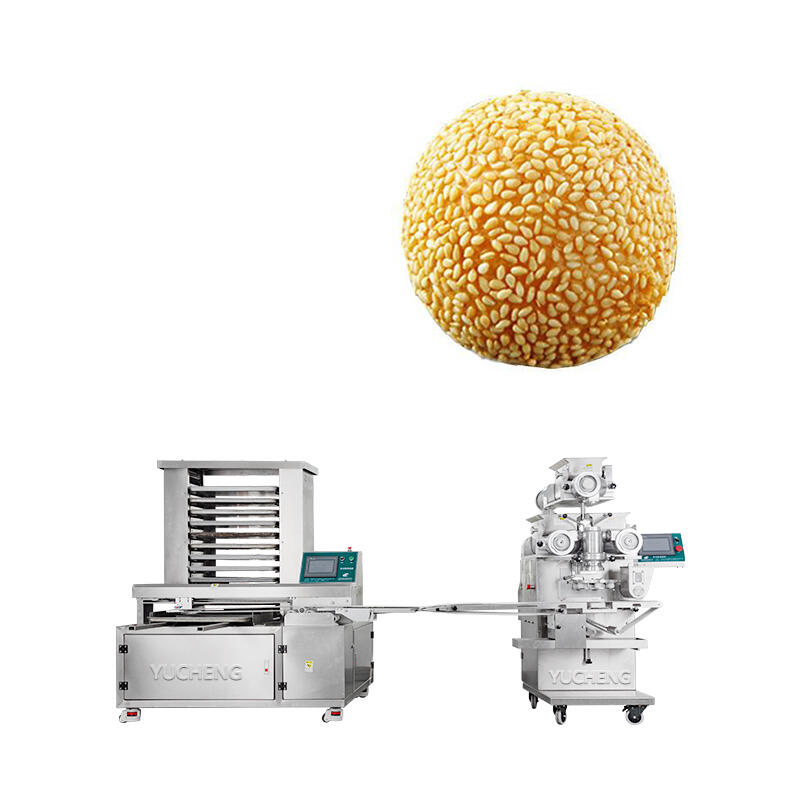
In the fast-paced world of food service, efficiency and consistency are not just operational goals — they are survival strategies. For restaurants that feature Brazilian street food, snack bars, or Latin-inspired menus, the coxinha machine has emerged as a transformative piece of equipment. This machine automates the shaping and filling of coxinhas, one of Brazil's most beloved fried snacks, allowing kitchen teams to produce large volumes without sacrificing the quality or visual uniformity that customers expect. As competition intensifies and labor costs continue to rise, investing in the right equipment is one of the smartest moves a restaurant owner can make.
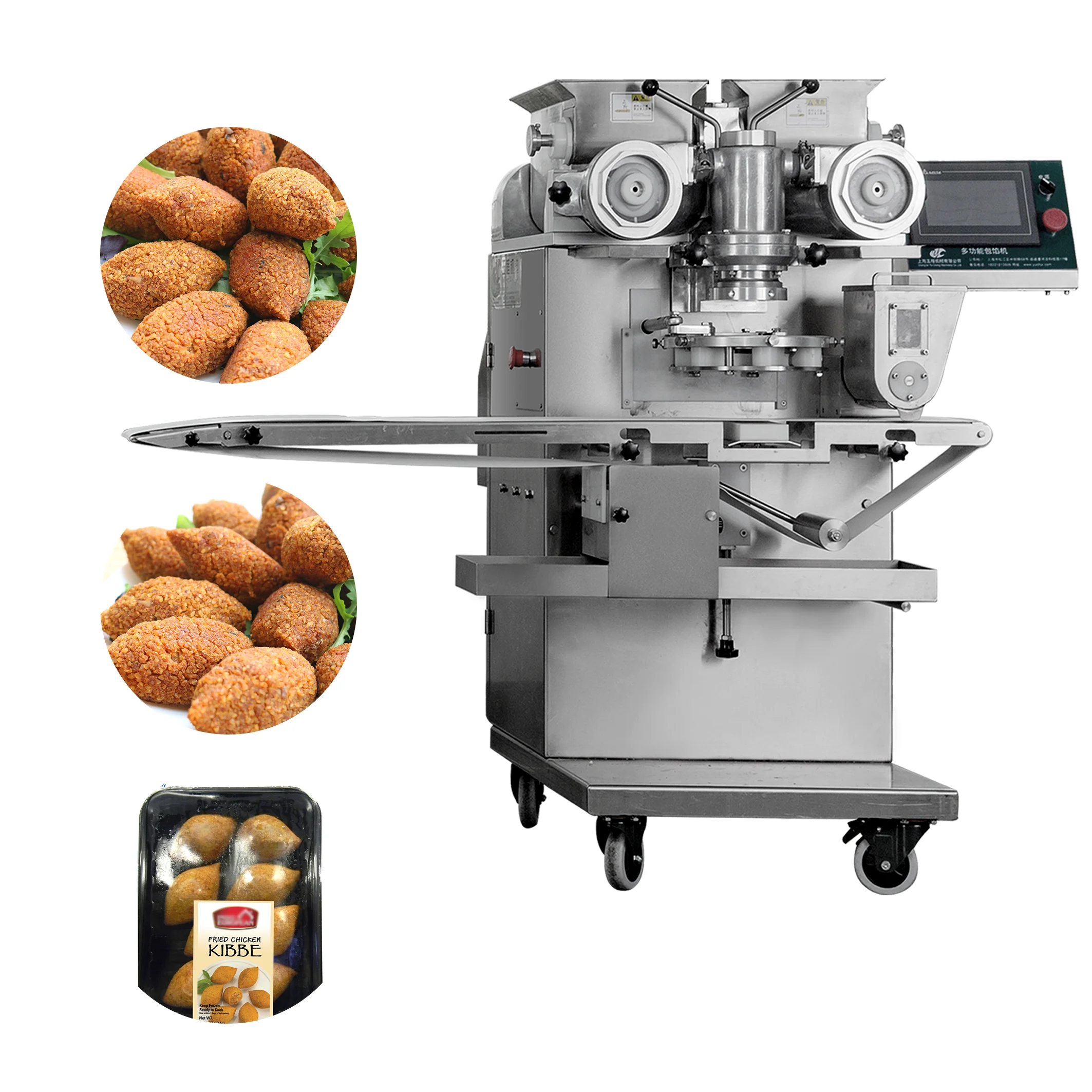
The decision to invest in a coxinha machine is not simply about automation for its own sake. It is about building a more profitable, scalable, and operationally sound business. Whether you run a small snack kiosk, a mid-size casual dining establishment, or a large catering operation, the practical benefits of deploying a dedicated coxinha machine ripple through nearly every aspect of your kitchen workflow. Understanding those benefits in detail is essential before making a capital equipment decision.
The Business Case for Automating Coxinha Production
Labor Costs and Kitchen Efficiency
One of the most pressing reasons restaurants turn to a coxinha machine is the dramatic reduction in labor costs. Handcrafting coxinhas is a time-intensive process that demands skilled workers who can consistently shape, fill, and seal each piece to the right size and weight. A single trained employee might produce a few hundred units per hour under ideal conditions. A coxinha machine can outpace that by a significant margin, often producing thousands of uniform pieces in the same timeframe.
When labor hours are reduced, restaurants can redirect staff to higher-value tasks such as customer service, food plating, or kitchen oversight. This reallocation of human capital improves overall kitchen efficiency without necessarily increasing headcount. For restaurants operating on thin margins, this kind of productivity gain translates directly into improved profitability.
Additionally, training new employees to hand-shape coxinhas to a consistent standard takes time and creates quality variation during the learning curve. A coxinha machine removes this dependency on individual skill levels, making your production process more resilient to staff turnover — a persistent challenge across the restaurant industry.
Consistency and Product Standardization
Customers develop expectations. When a guest enjoys a perfectly shaped, evenly filled coxinha on their first visit, they return expecting the same experience. If the next batch looks different or has uneven filling distribution, trust erodes. A coxinha machine solves this problem by delivering identical portions every cycle, regardless of who is operating the kitchen that day.
Standardization also has important implications for food costing. When each coxinha produced by the machine contains a precisely measured amount of filling, restaurants can forecast ingredient usage with much greater accuracy. Overfilling — a common issue in manual production — leads to ingredient waste and inflated food costs. A well-calibrated coxinha machine eliminates this variability and supports tighter cost control.
For franchise operations or restaurants planning to expand to multiple locations, product consistency is non-negotiable. A coxinha machine becomes the cornerstone of a standardized production process that can be replicated across sites without depending on regional skill differences or individual artisan knowledge.
Scaling Production to Meet Demand
High-Volume Output Without Compromising Quality
Restaurants that serve coxinhas as a popular menu item know the challenge of peak-hour demand. During lunch rushes, catering events, or holiday seasons, manual production lines simply cannot scale fast enough without hiring additional short-term staff — a costly and logistically complex solution. A coxinha machine changes the equation by providing a predictable, high-volume output that the kitchen team can rely on.
Modern coxinha machine models are designed to handle continuous operation, making them suitable for restaurants, food manufacturers, and catering companies that need to produce large batches on a tight schedule. The machine handles the encrusting and filling process automatically, allowing a single operator to monitor output rather than manually assemble each piece. This is especially valuable when producing for wholesale distribution, market stalls, or large event catering contracts.
Importantly, scaling with a coxinha machine does not mean sacrificing texture or structural integrity. The machine applies consistent pressure during shaping, which results in a properly sealed coxinha that holds together during frying. This mechanical consistency is actually difficult to replicate at scale through manual processes, where fatigue and speed pressure can lead to poorly sealed pieces that fall apart in the fryer.
Adapting to Menu Diversification
A versatile coxinha machine is not limited to producing coxinhas alone. Many modern encrusting machines of this type can be adjusted to produce other filled and shaped snacks such as arancini, kubba, kibbeh, mini mooncakes, and similar encrusted food products. This multi-functionality makes the investment significantly more attractive for restaurants that want to diversify their snack or appetizer menus without acquiring multiple specialized machines.
For example, a restaurant that introduces seasonal or rotating specials can use the same coxinha machine to produce different encrusted items by adjusting molds and filling compositions. This flexibility supports creative menu development without proportionally increasing equipment costs or kitchen complexity. The return on investment is effectively distributed across multiple product lines rather than a single item.
Restaurants that serve diverse customer bases — such as fusion restaurants, international buffets, or food halls — benefit greatly from this adaptability. A single coxinha machine becomes a production hub for a variety of filled snacks, making it one of the most versatile additions a kitchen can make.
Hygiene, Safety, and Operational Reliability
Reducing Direct Food Contact and Contamination Risk
Food safety is a regulatory and reputational priority for every restaurant. Manual production of coxinhas involves repeated direct hand contact with dough and filling, increasing the risk of cross-contamination if hygiene protocols are not strictly followed. A coxinha machine minimizes this risk by automating the contact points in the production process, reducing the number of times human hands touch the product during shaping and filling.
Commercial coxinha machine models designed for professional kitchens are typically constructed from food-grade stainless steel and materials approved for direct food contact. These surfaces are easier to clean and sanitize thoroughly compared to the irregularly shaped manual tools traditionally used in hand production. Consistent cleaning protocols become easier to implement when the equipment is purpose-built for food safety compliance.
For restaurants subject to health inspections or operating under food safety management systems such as HACCP, demonstrating controlled production processes is a significant advantage. A coxinha machine that operates with documented settings and produces uniform outputs provides an auditable production process that supports compliance documentation.
Durability and Long-Term Return on Investment
A commercial-grade coxinha machine is built for sustained use in demanding kitchen environments. Unlike consumer-grade appliances, industrial encrusting machines are engineered to maintain performance across thousands of production cycles. When properly maintained, a quality coxinha machine can serve a restaurant reliably for many years, making the initial capital outlay worthwhile over the equipment's operational life.
When calculating return on investment, restaurant owners should account not only for labor savings but also for the reduction in wasted ingredients, the revenue potential from higher-volume production, and the competitive advantage of consistent quality. These compounding benefits make the coxinha machine one of the higher-return equipment investments available to food businesses focused on encrusted or filled snack production.
Maintenance requirements for a well-designed coxinha machine are generally straightforward — regular cleaning, occasional part lubrication, and periodic inspection of mold inserts. Most commercial suppliers provide technical support and spare parts, further protecting the long-term value of the investment. Understanding the maintenance profile before purchasing ensures no surprises after installation.
Competitive Advantage and Restaurant Positioning
Differentiating Through Menu Depth and Quality
In competitive restaurant markets, differentiation is critical. Offering freshly made, consistently high-quality coxinhas as a signature item can become a genuine point of competitive distinction — especially in markets where this product is popular but often purchased from mass-produced frozen sources. A restaurant that produces coxinhas in-house using a coxinha machine can legitimately market them as freshly made, setting itself apart from competitors who rely on pre-packaged alternatives.
This freshness positioning carries real marketing weight. Customers increasingly value transparency about food preparation, and a visible or communicated commitment to in-house production resonates positively. The coxinha machine enables a restaurant to make this claim credibly and at scale — the best of both worlds from a marketing and operational standpoint.
Furthermore, consistent quality builds word-of-mouth momentum. Guests who enjoy a perfectly executed coxinha recommend the restaurant to others. Over time, this organic marketing compounds, and the coxinha itself becomes a menu anchor that drives repeat visits and new customer acquisition. The machine that enables this consistency is, in effect, a silent contributor to brand reputation.
Supporting Catering, Wholesale, and Off-Premise Revenue Streams
A coxinha machine opens revenue channels beyond the dining room. With the production capacity that automated equipment provides, restaurants can realistically pursue catering contracts, wholesale agreements with local retailers, or frozen product lines for home delivery. These off-premise revenue streams are increasingly important as restaurants look to diversify income and reduce dependency on in-house dining traffic alone.
Catering clients often require hundreds or thousands of identical finger food pieces for corporate events, parties, and functions. Without a coxinha machine, fulfilling such orders would require disproportionate labor investment and would be difficult to price competitively. With the machine running, catering becomes a profitable extension of the core business rather than a logistical burden.
Wholesale supply to local grocery stores, delis, or food markets is another growth pathway that a coxinha machine makes viable. Retailers require product uniformity for packaging and shelf presentation — requirements that manual production struggles to meet consistently. The machine bridges this gap, enabling restaurants to enter B2B supply channels with confidence in their production standards.
FAQ
What types of restaurants benefit most from investing in a coxinha machine?
Restaurants that benefit most include Brazilian cuisine specialists, Latin American food concepts, snack bars, food kiosks, catering businesses, and any food service operation that regularly produces filled and encrusted snacks. High-volume establishments and those planning to scale production or explore wholesale channels also stand to gain significantly from the efficiency and consistency a coxinha machine provides.
How does a coxinha machine handle different filling types?
Most commercial coxinha machine models are designed to accommodate a range of filling textures and compositions, from minced chicken to cheese blends and vegetable-based fillings. The filling chamber and dosing mechanism can typically be adjusted for viscosity and portion size. It is important to consult the equipment specifications and conduct test runs with your specific filling formulations before committing to large-scale production batches.
Is a coxinha machine difficult to operate and maintain?
Commercial coxinha machine units are designed for ease of use in professional kitchen environments. Most models require minimal training for operators to achieve consistent output. Maintenance typically involves daily cleaning of contact surfaces, periodic lubrication of mechanical components, and inspection of mold parts. Reputable equipment suppliers provide operation manuals, training support, and access to spare parts to ensure smooth long-term use.
Can a coxinha machine be used to produce other snack products?
Yes. Many coxinha machine models function as multi-purpose encrusting machines capable of producing arancini, kibbeh, kubba, mini mooncakes, and other filled snack formats by swapping mold inserts and adjusting machine settings. This versatility makes the equipment a cost-effective investment for restaurants that want to offer a diverse range of encrusted snacks without purchasing multiple specialized machines.


