 EN
EN


Small bakeries face unique operational challenges that require strategic equipment investments to remain competitive in today's market. The decision to incorporate a commercial biscuit machine into bakery operations represents more than just automation—it fundamentally transforms production capacity, consistency, and profitability. Understanding why this investment is crucial for small bakery success requires examining the specific pressures and opportunities that define today's artisanal baking landscape.
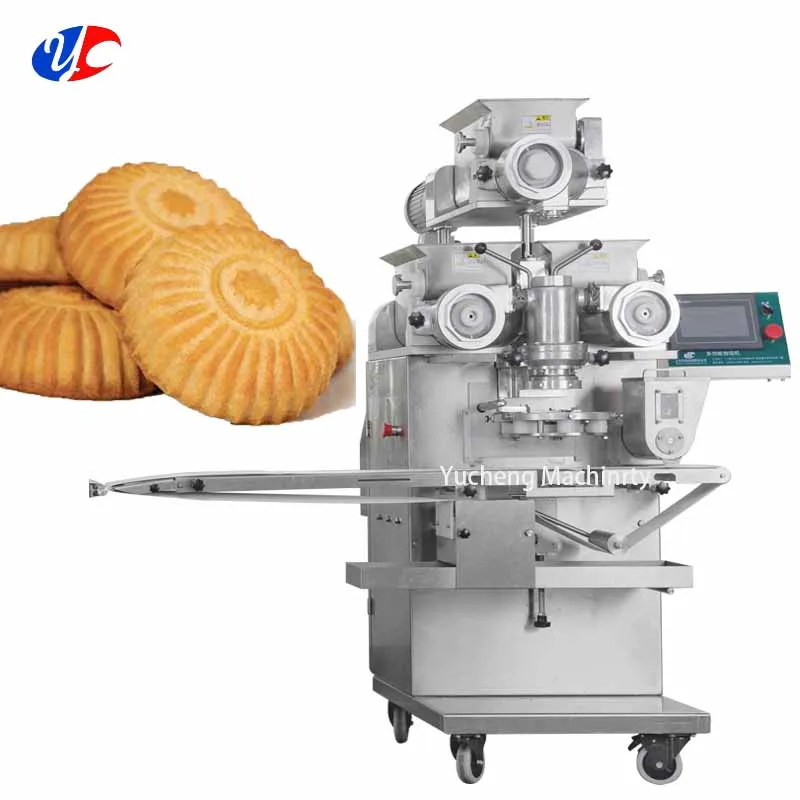
The competitive reality for small bakeries has intensified significantly as consumer expectations rise while operational costs continue climbing. Labor shortages, ingredient price volatility, and increased demand for consistent quality products create a perfect storm that manual production methods struggle to address. A commercial biscuit machine provides the technological foundation that enables small bakeries to scale efficiently while maintaining the artisanal quality that defines their brand identity.
Production Capacity and Efficiency Demands
Labor Cost Management Through Automation
Small bakeries typically operate with minimal staff, making labor cost management critical for survival. Manual biscuit production requires significant time investment per batch, with skilled bakers spending hours on mixing, shaping, and portioning. A commercial biscuit machine dramatically reduces labor requirements by automating these repetitive processes, allowing one operator to produce what previously required multiple skilled workers.
The labor savings extend beyond direct production time. Manual biscuit making involves extensive cleanup between batches, ingredient preparation, and quality control monitoring. Modern biscuit machine designs incorporate easy-cleaning features and automated portion control that minimize these auxiliary tasks. This efficiency gain allows small bakery owners to redirect labor resources toward customer service, product development, and business growth activities.
Additionally, the skill level required to operate a biscuit machine is significantly lower than traditional hand-crafting techniques. This reduction in required expertise expands the available labor pool and reduces training costs, addressing the chronic skilled baker shortage that affects many small operations.
Meeting Increased Volume Demands
Consumer demand for fresh biscuits has grown substantially, particularly in breakfast and coffee service segments. Small bakeries often struggle to meet peak demand periods using manual production methods, resulting in lost sales opportunities and customer dissatisfaction. A commercial biscuit machine enables consistent high-volume production that aligns with market demand patterns.
Peak demand situations, such as weekend morning rushes or catering orders, frequently overwhelm manual production capabilities. The biscuit machine provides surge capacity that allows small bakeries to capitalize on high-demand periods without compromising product quality or customer service. This scalability proves essential for revenue growth and market expansion.
The ability to produce larger quantities also opens wholesale opportunities that were previously inaccessible. Small bakeries can supply local restaurants, cafes, and retail outlets with consistent biscuit products, creating additional revenue streams beyond direct consumer sales.
Quality Consistency and Product Standardization
Eliminating Human Variable Factors
Manual biscuit production introduces inherent variability through human factors such as mixing time variations, portion size differences, and shaping inconsistencies. These variables directly impact product quality, creating batch-to-batch differences that confuse customers and damage brand reputation. A commercial biscuit machine eliminates these human variables through precise automated controls.
Temperature control represents another critical consistency factor. Manual mixing and shaping can introduce temperature variations that affect dough texture and final product characteristics. Automated biscuit machine systems maintain optimal processing temperatures throughout production, ensuring consistent dough handling and uniform baking results.
The precision engineering inherent in commercial biscuit machine design creates reproducible results that build customer confidence and loyalty. When customers know they can expect the same quality experience with each purchase, repeat business increases and word-of-mouth marketing strengthens.
Meeting Food Safety Standards
Food safety regulations have become increasingly stringent for commercial bakeries, with contamination prevention requiring systematic approaches that manual processes struggle to maintain. A biscuit machine provides enclosed processing environments that minimize contamination risks and facilitate compliance with health department requirements.
Sanitation protocols become more manageable with automated equipment. The stainless steel construction typical of commercial biscuit machine designs allows thorough cleaning and sanitization between production runs. This design approach reduces cross-contamination risks and simplifies documentation for regulatory compliance.
Temperature monitoring and control capabilities inherent in modern biscuit machine systems support HACCP compliance requirements. Automated logging of critical control points provides the documentation trail necessary for food safety audits and regulatory inspections.
Economic Viability and Return on Investment
Revenue Generation Opportunities
The investment in a commercial biscuit machine opens multiple revenue streams that justify the initial capital expenditure. Increased production capacity enables small bakeries to serve larger customer bases and accept wholesale contracts that were previously impossible to fulfill. The consistency provided by automated production makes these commercial relationships sustainable long-term.
Product diversification becomes feasible with biscuit machine flexibility. Many modern units accommodate multiple biscuit varieties, allowing small bakeries to expand their product lines without additional major equipment investments. This diversification spreads risk across multiple product categories and attracts broader customer segments.
The improved efficiency of biscuit machine production reduces per-unit costs, enabling competitive pricing strategies that increase market penetration. Lower production costs create margin flexibility for promotional pricing, bulk discounts, and competitive responses to market pressures.
Long-term Cost Reduction Benefits
While the initial investment in a biscuit machine represents a significant expense for small bakeries, the long-term cost reduction benefits typically justify the expenditure within 12-24 months. Reduced labor requirements, decreased waste rates, and improved energy efficiency create ongoing operational savings that compound over time.
Ingredient waste reduction represents a substantial cost saving opportunity. Manual biscuit production often results in inconsistent portioning, leading to ingredient waste and yield variations. The precise portioning capabilities of a commercial biscuit machine eliminate these inefficiencies, reducing raw material costs per finished unit.
Energy efficiency improvements also contribute to cost reduction. Modern biscuit machine designs optimize energy usage through efficient heating systems and reduced processing times. These improvements reduce utility costs while supporting environmental sustainability goals that increasingly important to consumers.
Competitive Advantage and Market Positioning
Differentiation in Crowded Markets
The small bakery market has become increasingly competitive, with new entrants and established chains competing for customer attention. A commercial biscuit machine enables product consistency and quality levels that differentiate small bakeries from competitors still relying on manual production methods. This technological advantage creates a sustainable competitive moat.
Speed of service becomes a differentiating factor when biscuit machine automation enables faster order fulfillment. Customers increasingly value quick service without sacrificing quality, and automated production capabilities meet this dual requirement effectively. This service advantage translates directly into customer retention and positive reviews.
The professional appearance and capabilities that biscuit machine automation provides elevate the perceived value of small bakery operations. Customers associate automation with quality and reliability, creating positive brand associations that support premium pricing strategies.
Scalability for Future Growth
Small bakeries with growth ambitions require scalable production systems that can expand with business development. A commercial biscuit machine provides the foundation for systematic expansion, allowing increased production without proportional increases in labor or space requirements. This scalability makes growth planning more predictable and manageable.
The data collection capabilities of modern biscuit machine systems support business intelligence initiatives that inform strategic decisions. Production metrics, efficiency measurements, and quality tracking provide insights that guide operational improvements and growth strategies.
Investment in biscuit machine technology demonstrates commitment to professional standards that attracts potential investors, partners, and acquisition opportunities. This professional positioning opens doors for business expansion that might not be available to operations perceived as purely artisanal or small-scale.
FAQ
What size commercial biscuit machine is appropriate for a small bakery?
Small bakeries should consider biscuit machine capacity based on daily production needs rather than maximum output. A machine producing 200-500 pieces per hour typically meets most small bakery requirements while allowing room for growth. Consider models with adjustable speed settings to match varying demand periods and maintain cost efficiency during slower periods.
How long does it take to train staff on biscuit machine operation?
Most commercial biscuit machine systems require 1-2 days of training for basic operation and 1 week for complete proficiency including maintenance procedures. The simplified controls and automated features of modern machines make the learning curve much shorter than traditional biscuit-making skills, allowing quick integration into existing operations.
What maintenance requirements should small bakeries expect with a biscuit machine?
Daily cleaning and basic maintenance typically require 30-45 minutes per day, with weekly deep cleaning sessions lasting 2-3 hours. Monthly professional maintenance checks ensure optimal performance and prevent costly breakdowns. Most manufacturers provide maintenance training and support programs specifically designed for small bakery operations.
Can a biscuit machine handle different recipe variations and specialty products?
Modern commercial biscuit machine designs accommodate various dough consistencies and can produce different biscuit styles including drop biscuits, rolled biscuits, and filled varieties. Recipe flexibility allows small bakeries to maintain their unique product offerings while gaining production efficiency benefits. Programming options enable quick changeovers between different product types.
Table of Contents
- Production Capacity and Efficiency Demands
- Quality Consistency and Product Standardization
- Economic Viability and Return on Investment
- Competitive Advantage and Market Positioning
-
FAQ
- What size commercial biscuit machine is appropriate for a small bakery?
- How long does it take to train staff on biscuit machine operation?
- What maintenance requirements should small bakeries expect with a biscuit machine?
- Can a biscuit machine handle different recipe variations and specialty products?


