 EN
EN

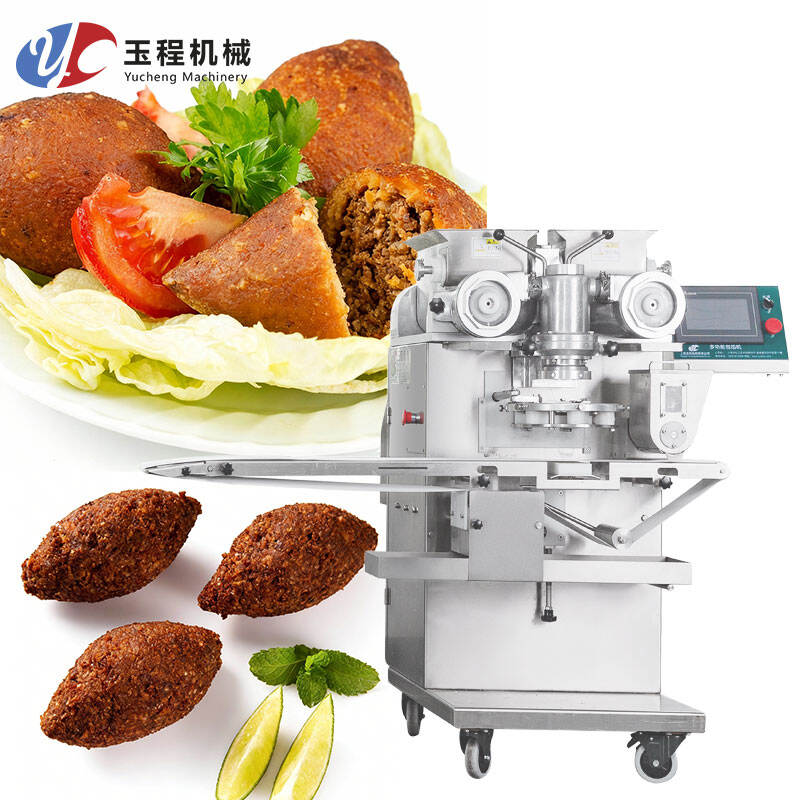
The restaurant industry in 2026 faces unprecedented challenges that demand innovative solutions for traditional food preparation. With labor shortages reaching critical levels, operational costs skyrocketing, and customer expectations for consistent quality higher than ever, restaurants serving Middle Eastern cuisine are discovering that manual kibbeh preparation is no longer sustainable. The traditional method of hand-forming these delicate bulgur and meat shells requires skilled labor, extensive time investment, and creates significant inconsistency in portion sizes and shapes. These operational pressures have made the kibbeh making machine an essential investment rather than a luxury for establishments committed to serving authentic Middle Eastern dishes while maintaining profitability and operational efficiency.
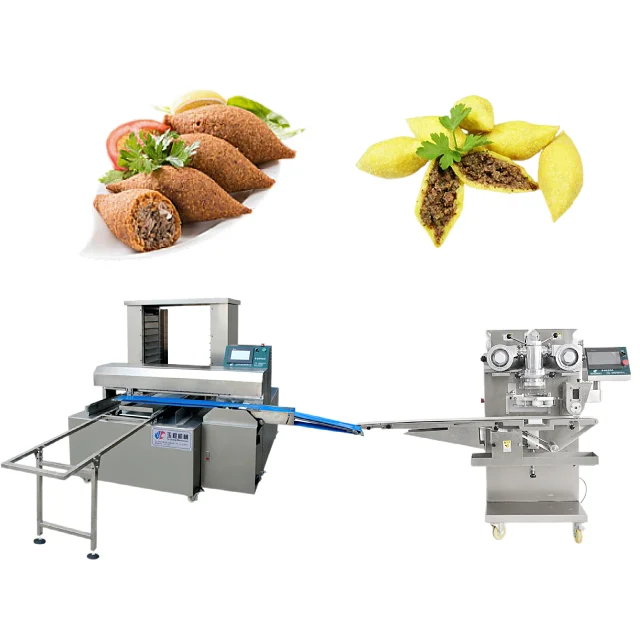
The economic reality of 2026 restaurant operations reveals why automated kibbeh production has become non-negotiable for serious establishments. Labor costs have increased by over 40% in the past five years, while the pool of skilled workers capable of traditional kibbeh formation has shrunk dramatically. Simultaneously, food safety regulations have tightened, requiring more stringent temperature control and hygiene protocols that are difficult to maintain with manual preparation methods. A professional kibbeh making machine addresses these multifaceted challenges by delivering consistent product quality, reducing labor dependency, ensuring food safety compliance, and ultimately improving the bottom line through increased production capacity and reduced waste.
Labor Crisis and Workforce Challenges
Critical Shortage of Skilled Kitchen Staff
The restaurant industry in 2026 continues to grapple with an acute shortage of experienced kitchen personnel, particularly those skilled in traditional Middle Eastern food preparation techniques. Hand-forming kibbeh requires years of training to master the delicate balance of creating thin, even shells that won't break during cooking. Finding and retaining staff with these specialized skills has become increasingly difficult as experienced cooks retire or leave the industry. A kibbeh making machine eliminates this dependency on specialized manual skills, allowing restaurants to maintain consistent production even with less experienced staff members.
Rising Labor Costs and Training Expenses
Training new employees in traditional kibbeh preparation methods requires significant time and resource investment, often taking months before a worker achieves acceptable proficiency levels. During this training period, restaurants face increased food waste, inconsistent product quality, and reduced production speed. The cumulative cost of training, combined with higher base wages, makes manual kibbeh production financially unsustainable for most establishments. Implementing a kibbeh making machine reduces training time from months to days, as operators need only learn machine operation rather than complex hand-forming techniques.
Workplace Injury Prevention and Ergonomics
Repetitive hand-forming motions required for traditional kibbeh preparation often lead to repetitive strain injuries, particularly in the wrists and fingers. These workplace injuries result in workers' compensation claims, increased insurance premiums, and staff absences that disrupt production schedules. Modern kibbeh making machines incorporate ergonomic design principles that minimize physical strain on operators while maintaining high production output. This investment in worker safety demonstrates corporate responsibility while reducing long-term liability and insurance costs.
Quality Control and Consistency Standards
Standardized Portion Control and Shape Uniformity
Customer expectations for consistent food presentation have intensified significantly, particularly in the age of social media where every dish becomes potential marketing content. Hand-formed kibbeh naturally varies in size, shape, and shell thickness, creating an unprofessional appearance that modern diners increasingly reject. A quality kibbeh making machine produces identical portions with uniform shell thickness, ensuring every plate meets professional presentation standards while controlling food costs through precise portion management.
Temperature Control and Food Safety Compliance
Food safety regulations in 2026 require strict temperature monitoring throughout the preparation process, particularly for products containing meat fillings like kibbeh. Manual preparation often involves extended handling times that allow ingredients to reach unsafe temperature zones, increasing contamination risk. Professional kibbeh making machines operate at controlled speeds with minimal handling time, keeping ingredients within safe temperature ranges while reducing human contact with food products. This automated approach helps restaurants maintain HACCP compliance and reduces the risk of foodborne illness incidents.
Reduced Waste and Improved Yield Management
Traditional hand-forming methods typically result in 15-20% waste due to broken shells, uneven filling distribution, and inconsistent sizing that leads to rejected products. This waste directly impacts profit margins, particularly given the rising costs of quality bulgur and meat ingredients. A kibbeh making machine optimizes ingredient utilization through precise measurement and forming mechanisms, reducing waste to less than 5% while improving overall yield from raw materials. This efficiency improvement alone often justifies the machine investment within the first year of operation.
Production Capacity and Operational Efficiency
Scalable Output for Peak Demand Periods
Restaurant operations in 2026 face increasingly volatile demand patterns, with peak periods requiring rapid production scaling that manual methods cannot accommodate. During busy service periods, even skilled workers can produce only 30-40 kibbeh per hour, creating bottlenecks that limit menu offerings or force establishments to pre-prepare items hours in advance, compromising freshness. Modern kibbeh making machines can produce 200-400 pieces per hour consistently, allowing restaurants to prepare fresh batches throughout service periods and respond dynamically to customer demand fluctuations.
Multi-Shift Operation Capabilities
Extended operating hours have become essential for restaurant profitability, but maintaining consistent kibbeh quality across multiple shifts with different staff members presents significant challenges. Worker fatigue during late shifts typically results in decreased product quality and slower production speeds. A kibbeh making machine maintains consistent performance regardless of shift timing or operator experience level, enabling restaurants to offer their full menu throughout extended operating hours without compromising quality standards or production efficiency.
Integration with Modern Kitchen Workflows
Contemporary restaurant operations rely on streamlined workflows that minimize cross-contamination and optimize space utilization. Traditional kibbeh preparation requires dedicated work surfaces, multiple mixing bowls, and extensive cleanup procedures that disrupt kitchen flow. Professional kibbeh making machines integrate seamlessly into modern kitchen layouts, requiring minimal floor space while incorporating easy-clean surfaces and contained operation that maintains hygiene standards. This integration allows restaurants to maximize their kitchen efficiency while maintaining strict food safety protocols.
Financial ROI and Business Sustainability
Cost Analysis and Payback Period Calculations
The financial justification for investing in a kibbeh making machine becomes compelling when analyzing the total cost of manual production versus automated alternatives. Labor costs for skilled kibbeh preparation typically range from $25-35 per hour including benefits, while a machine operator requires only basic training at standard kitchen wages. Considering production speed improvements, waste reduction, and consistent quality that reduces customer complaints, most restaurants achieve complete payback within 18-24 months. The machine's operational lifespan of 10-15 years with proper maintenance makes this investment highly attractive from a long-term financial perspective.
Revenue Enhancement Through Menu Expansion
Reliable kibbeh production capacity enables restaurants to expand their Middle Eastern menu offerings without proportionally increasing labor requirements. Establishments can introduce kibbeh variations, daily specials, and catering options that were previously impractical due to manual preparation constraints. This menu expansion typically increases average order values by 15-25% while attracting customers seeking authentic Middle Eastern cuisine. The ability to consistently deliver high-quality kibbeh also supports premium pricing strategies that improve profit margins across the entire menu category.
Competitive Advantage and Market Positioning
In an increasingly competitive restaurant landscape, establishments that can consistently deliver authentic, high-quality Middle Eastern dishes gain significant market advantages. Restaurants using kibbeh making machines can guarantee product availability, maintain consistent quality standards, and respond quickly to large orders that manual preparation methods cannot accommodate. This reliability builds customer loyalty and supports reputation management in an era where online reviews significantly impact business success. The professional consistency achieved through machine production also enables restaurants to compete effectively with larger chains while maintaining their authentic cuisine positioning.
FAQ
What is the average production capacity of a commercial kibbeh making machine?
Commercial kibbeh making machines typically produce between 200-400 pieces per hour, depending on the model and size specifications. This represents a 5-10 times increase in production capacity compared to skilled manual preparation, which averages 30-40 pieces per hour. The exact output varies based on kibbeh size, filling consistency, and operator efficiency, but even entry-level machines significantly outperform manual methods while maintaining consistent quality standards.
How much space does a kibbeh making machine require in a commercial kitchen?
Most commercial kibbeh making machines have a compact footprint of approximately 3-4 feet in length and 2-3 feet in width, making them suitable for standard commercial kitchen layouts. The machines require adequate clearance for operation and maintenance access, typically needing a total space allocation of 6x4 feet including workflow areas. Modern designs prioritize space efficiency while incorporating all necessary components for complete kibbeh production, including filling injection and forming mechanisms.
What maintenance requirements should restaurants expect with a kibbeh making machine?
Daily maintenance involves thorough cleaning and sanitization of all food-contact surfaces, which typically takes 15-20 minutes using standard commercial cleaning procedures. Weekly maintenance includes lubrication of moving parts and inspection of forming components for wear. Monthly professional servicing ensures optimal performance and extends machine lifespan, while annual comprehensive inspections address any mechanical adjustments needed. Most manufacturers provide detailed maintenance schedules and training to ensure reliable operation and food safety compliance.
Can a kibbeh making machine accommodate different filling types and dietary restrictions?
Modern kibbeh making machines offer adjustable settings for various filling consistencies, from traditional meat mixtures to vegetarian alternatives and specialized dietary formulations. The machines can handle different filling viscosities and ingredient combinations while maintaining consistent shell formation and proper filling distribution. Many models include quick-change components that allow operators to switch between different kibbeh varieties during service periods, supporting diverse menu offerings and accommodating various dietary preferences including halal, kosher, and plant-based options.
Table of Contents
- Labor Crisis and Workforce Challenges
- Quality Control and Consistency Standards
- Production Capacity and Operational Efficiency
- Financial ROI and Business Sustainability
-
FAQ
- What is the average production capacity of a commercial kibbeh making machine?
- How much space does a kibbeh making machine require in a commercial kitchen?
- What maintenance requirements should restaurants expect with a kibbeh making machine?
- Can a kibbeh making machine accommodate different filling types and dietary restrictions?


