 EN
EN

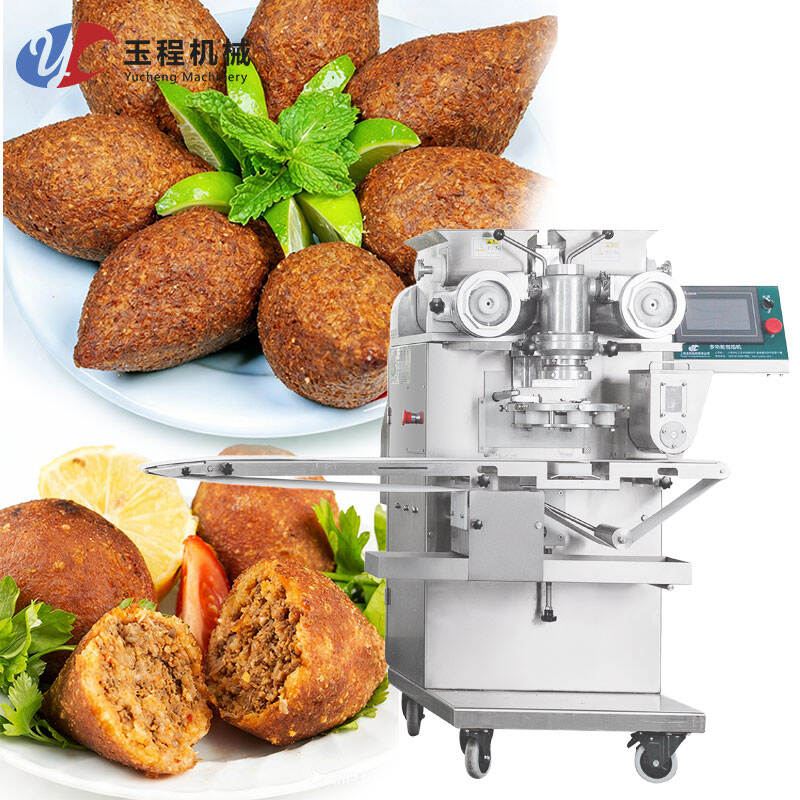
A kibbeh making machine represents a significant advancement in Middle Eastern food production technology, designed specifically to automate the complex process of creating this traditional dish. This specialized equipment transforms the labor-intensive preparation of kibbeh into an efficient, consistent manufacturing process that maintains the authentic taste and texture customers expect while dramatically increasing production capacity.
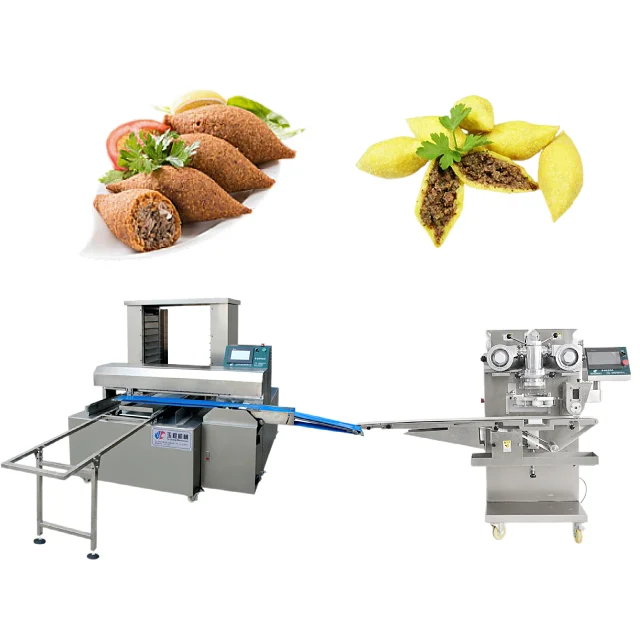
The sophisticated engineering behind a kibbeh making machine addresses the unique challenges of working with bulgur-based outer shells and diverse meat or vegetable fillings. These machines incorporate precise control systems that manage dough consistency, filling distribution, and shaping mechanics to produce uniform kibbeh products at commercial scale, making them essential equipment for restaurants, food manufacturers, and catering operations serving authentic Middle Eastern cuisine.
Understanding Kibbeh Making Machine Technology
Core Components and Design Elements
The foundation of any effective kibbeh making machine lies in its sophisticated component integration, where each element serves a specific purpose in the production process. The machine typically features a robust stainless steel frame that provides stability and meets food safety standards, ensuring durability under continuous commercial operation. The hopper system consists of separate chambers for the bulgur-based outer shell mixture and the filling ingredients, allowing operators to maintain proper ingredient ratios throughout production runs.
Advanced kibbeh making machines incorporate precision dosing mechanisms that control the exact amount of shell material and filling dispensed for each unit. These systems utilize servo motors and programmable logic controllers to maintain consistent portion sizes, which directly impacts product quality and cost control. The forming mechanism represents the most complex aspect of the machine, featuring specialized dies and pressing systems that shape the kibbeh while ensuring proper sealing to prevent filling leakage during subsequent cooking processes.
Temperature control systems within the kibbeh making machine maintain optimal ingredient consistency, particularly important when working with fat-containing fillings that can affect texture and workability. Modern machines also include safety interlocks, emergency stop systems, and easy-access panels for cleaning and maintenance, addressing both operational efficiency and regulatory compliance requirements in commercial food production environments.
Material Handling and Processing Capabilities
The material handling capabilities of a kibbeh making machine determine its versatility and production efficiency across different recipe formulations. These machines accommodate various bulgur grades and binding agents commonly used in traditional kibbeh preparation, with adjustable mixing parameters that ensure proper hydration and texture development. The system maintains consistent moisture levels throughout the production process, preventing the outer shell from becoming too dry or sticky, which would compromise product quality.
Filling handling systems within the kibbeh making machine manage diverse ingredients ranging from traditional meat mixtures to modern vegetarian alternatives, incorporating nuts, vegetables, and seasonings while maintaining proper texture and distribution. The machine's pumping and dispensing systems handle varying viscosities and particle sizes, ensuring uniform filling distribution without damaging delicate ingredients or creating air pockets that could affect product integrity.
Advanced models feature programmable recipes that store specific parameters for different kibbeh varieties, allowing operators to switch between product types efficiently without extensive setup adjustments. This capability proves particularly valuable for operations producing multiple kibbeh styles or seasonal variations, maximizing equipment utilization and reducing changeover times that impact overall productivity.
Operational Mechanisms and Production Process
Step-by-Step Production Workflow
The operational workflow of a kibbeh making machine follows a precisely orchestrated sequence that transforms raw ingredients into finished products ready for cooking or further processing. Initially, operators load prepared bulgur mixture into the designated hopper, where automated systems monitor ingredient levels and maintain proper consistency through controlled mixing actions. The filling ingredients undergo similar preparation, with the machine's dosing system calibrated to deliver exact portions based on product specifications and desired final weight.
During the forming stage, the kibbeh making machine creates a hollow shell from the bulgur mixture using specialized forming dies that compress and shape the material while maintaining structural integrity. The filling injection occurs simultaneously, with precision nozzles delivering the exact amount of filling into the formed shell cavity. The sealing process follows immediately, utilizing pressure and mechanical action to close the kibbeh while ensuring proper adhesion between shell edges.
Final shaping and sizing occur through calibrated pressing mechanisms that give each kibbeh its characteristic form while removing excess material and ensuring uniform dimensions. The completed products move through the machine's discharge system onto collection trays or conveyor systems for immediate packaging or cooking preparation, with quality control sensors monitoring product consistency and rejecting any items that don't meet predetermined specifications.
Quality Control and Consistency Management
Modern kibbeh making machines incorporate sophisticated quality control systems that monitor multiple parameters throughout the production process to ensure consistent product quality. Weight monitoring systems track individual product weights and automatically adjust dosing mechanisms when variations exceed acceptable tolerances, maintaining portion control that directly impacts food cost management and customer satisfaction.
The machine's vision systems or mechanical sensors detect malformed products, incomplete sealing, or filling distribution problems, automatically removing defective items from the production line. These systems maintain detailed production logs that track rejection rates, helping operators identify process optimization opportunities and maintain quality standards over extended production runs.
Temperature monitoring throughout the kibbeh making machine ensures that ingredient temperatures remain within optimal ranges for proper handling and shaping, while humidity controls prevent moisture-related quality issues that could affect product shelf life or cooking performance. Regular calibration procedures maintain sensor accuracy and ensure that quality control systems continue to function reliably over the machine's operational lifetime.
Technical Specifications and Performance Characteristics
Production Capacity and Speed Parameters
The production capacity of a kibbeh making machine varies significantly based on model specifications, product size, and complexity requirements, with industrial units capable of producing between 1,200 to 6,000 pieces per hour depending on configuration. These production rates account for various factors including ingredient preparation time, machine setup requirements, and quality control processes that ensure consistent output quality throughout extended production runs.
Speed parameters within the kibbeh making machine can be adjusted to accommodate different production requirements, with faster settings suitable for high-volume operations and slower speeds preferred when producing premium products or training new operators. The machine's control systems maintain synchronization between all operational components, ensuring that increased production speeds don't compromise product quality or create safety hazards for operating personnel.
Efficiency metrics for kibbeh making machines include ingredient utilization rates, which typically exceed 95% for properly maintained equipment, minimizing waste and maximizing profitability. Energy consumption specifications help operators calculate operational costs, with modern machines designed for optimal power utilization while maintaining consistent performance throughout standard production shifts.
Customization Options and Adaptability Features
Contemporary kibbeh making machines offer extensive customization options that allow operators to adapt the equipment for specific product requirements or operational constraints. Interchangeable forming dies enable production of various kibbeh sizes and shapes, from traditional oval forms to specialized regional variations, without requiring separate machines for different product lines.
Filling system modifications accommodate diverse ingredient types and textures, with adjustable pumping mechanisms that handle everything from smooth meat pastes to chunky vegetable mixtures containing nuts or other particulate ingredients. These adaptations ensure that the kibbeh making machine can produce authentic regional variations while maintaining consistent quality standards across all product types.
Advanced control programming allows operators to create and store custom recipes that specify exact parameters for each product variation, including timing sequences, pressure settings, and temperature controls. This programmability reduces setup time when switching between products and ensures consistent results regardless of operator experience levels or production shift changes.
Installation Requirements and Operational Considerations
Infrastructure and Space Planning
Successful installation of a kibbeh making machine requires careful consideration of facility infrastructure, including adequate electrical supply, compressed air systems, and proper ventilation to maintain optimal operating conditions. The machine's footprint typically ranges from 8 to 15 square meters depending on model specifications, with additional space required for ingredient preparation areas, product collection systems, and maintenance access.
Electrical requirements for kibbeh making machines generally include three-phase power connections with appropriate voltage specifications, while compressed air systems must provide clean, dry air at specified pressure levels for pneumatic components. Proper floor loading calculations ensure that facility structures can support the machine's operational weight plus ingredient loads without compromising building integrity or creating safety hazards.
Environmental controls within the installation area help maintain consistent ingredient temperatures and prevent moisture-related issues that could affect product quality or machine performance. Adequate lighting and ergonomic considerations ensure that operators can perform their duties safely and efficiently throughout standard production shifts.
Maintenance Protocols and Operational Support
Regular maintenance protocols for kibbeh making machines include daily cleaning procedures that ensure food safety compliance while preventing ingredient buildup that could affect product quality or machine performance. These protocols specify approved cleaning agents and procedures that effectively sanitize all food-contact surfaces without damaging sensitive machine components.
Preventive maintenance schedules outline specific inspection points, lubrication requirements, and component replacement intervals that maximize machine uptime while preventing unexpected failures. These maintenance programs typically include training components that help operators identify potential issues early, reducing repair costs and minimizing production disruptions.
Technical support services from kibbeh making machine manufacturers often include remote diagnostics capabilities, allowing specialists to assess machine performance and provide troubleshooting assistance without requiring on-site visits. This support structure helps operators maintain consistent productivity while building internal expertise for routine maintenance and minor repairs.
Business Applications and Market Implementation
Commercial Viability and Return on Investment
The commercial viability of investing in a kibbeh making machine depends on several factors including production volume requirements, labor cost considerations, and market demand for consistent, high-quality kibbeh products. Operations producing more than 500 kibbeh units daily typically achieve positive return on investment within 18 to 24 months, considering both labor savings and increased production capacity.
Labor cost analysis reveals that kibbeh making machines can reduce direct production labor by 60-80% compared to manual preparation methods, while simultaneously improving product consistency and reducing ingredient waste. These efficiency gains become particularly significant in markets with high labor costs or when producing large volumes for institutional customers who require consistent quality and delivery schedules.
Market positioning advantages include the ability to offer consistent pricing due to predictable production costs, reduced dependency on skilled labor availability, and capacity to fulfill larger orders that manual production methods cannot accommodate efficiently. These factors help businesses expand their customer base and compete more effectively in both retail and foodservice markets.
Industry Integration and Scalability Considerations
Integration of kibbeh making machines into existing food production operations requires coordination with upstream ingredient preparation processes and downstream packaging or cooking systems. Successful implementations often include modifications to ingredient preparation workflows, ensuring that bulgur mixtures and fillings maintain optimal consistency and temperature for machine processing.
Scalability planning considers future production growth requirements, with many operators choosing machines that provide expansion capabilities through additional forming stations or increased automation levels. This forward-thinking approach prevents the need for complete equipment replacement as business volume increases, protecting initial investment value while accommodating growth.
Supply chain integration ensures reliable access to quality ingredients that meet machine specifications, particularly important for bulgur grades and binding agents that directly affect product quality. Establishing relationships with ingredient suppliers who understand kibbeh making machine requirements helps maintain consistent production results and prevents quality issues that could impact customer satisfaction.
FAQ
What types of kibbeh can be produced using automated kibbeh making machines?
Kibbeh making machines accommodate various traditional and modern kibbeh styles including fried kibbeh, baked varieties, and regional specialties with different filling compositions. The machines handle both meat-based fillings with lamb, beef, or chicken, and vegetarian alternatives featuring lentils, vegetables, or nuts. Most machines can produce different sizes and shapes through interchangeable dies, allowing operators to create authentic regional variations or customize products for specific market preferences.
How much training is required for operators to use kibbeh making machines effectively?
Basic operation of kibbeh making machines typically requires 2-3 days of initial training covering machine setup, ingredient preparation, quality control procedures, and safety protocols. Advanced operation including recipe programming, troubleshooting, and maintenance procedures may require additional training lasting 5-7 days. Most manufacturers provide comprehensive training programs that include both classroom instruction and hands-on practice, ensuring operators can maintain consistent production quality and handle routine maintenance tasks independently.
What are the typical maintenance costs associated with kibbeh making machines?
Annual maintenance costs for kibbeh making machines generally range from 3-5% of the initial purchase price, including routine parts replacement, cleaning supplies, and scheduled service visits. These costs cover wear components like seals, gaskets, and forming dies that require periodic replacement based on production volume. Preventive maintenance programs help minimize unexpected repair costs while ensuring consistent machine performance, with many operators budgeting additional reserves for major component overhauls every 5-7 years depending on usage intensity.
Can kibbeh making machines accommodate special dietary requirements or allergen considerations?
Modern kibbeh making machines support allergen management through thorough cleaning protocols and ingredient segregation capabilities that prevent cross-contamination between different product types. The machines can process gluten-free bulgur alternatives, dairy-free fillings, and other specialized ingredients required for dietary restrictions. Many operators implement dedicated production runs for allergen-sensitive products, utilizing the machine's programmable recipes to maintain separate processing parameters and ensure compliance with food safety regulations for special dietary products.
Table of Contents
- Understanding Kibbeh Making Machine Technology
- Operational Mechanisms and Production Process
- Technical Specifications and Performance Characteristics
- Installation Requirements and Operational Considerations
- Business Applications and Market Implementation
-
FAQ
- What types of kibbeh can be produced using automated kibbeh making machines?
- How much training is required for operators to use kibbeh making machines effectively?
- What are the typical maintenance costs associated with kibbeh making machines?
- Can kibbeh making machines accommodate special dietary requirements or allergen considerations?


