 EN
EN

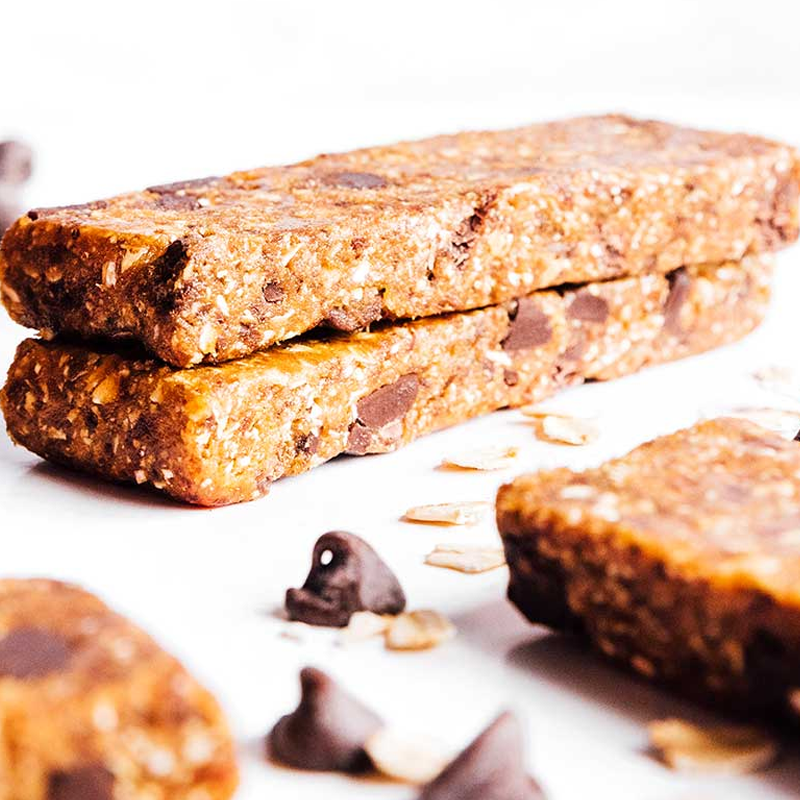
The healthy snack industry has experienced unprecedented growth as consumer preferences shift toward nutritious, convenient food options. Among the various equipment innovations transforming this sector, the date bar machine stands out as a pivotal technology that addresses both production efficiency and product quality challenges. Date bars, made primarily from natural dates combined with nuts, seeds, and other wholesome ingredients, require specialized processing equipment that can handle sticky, dense materials while maintaining nutritional integrity. Understanding the specific advantages these machines offer helps manufacturers make informed decisions about production line investments and operational strategies that directly impact their competitive positioning in the rapidly expanding health food market.
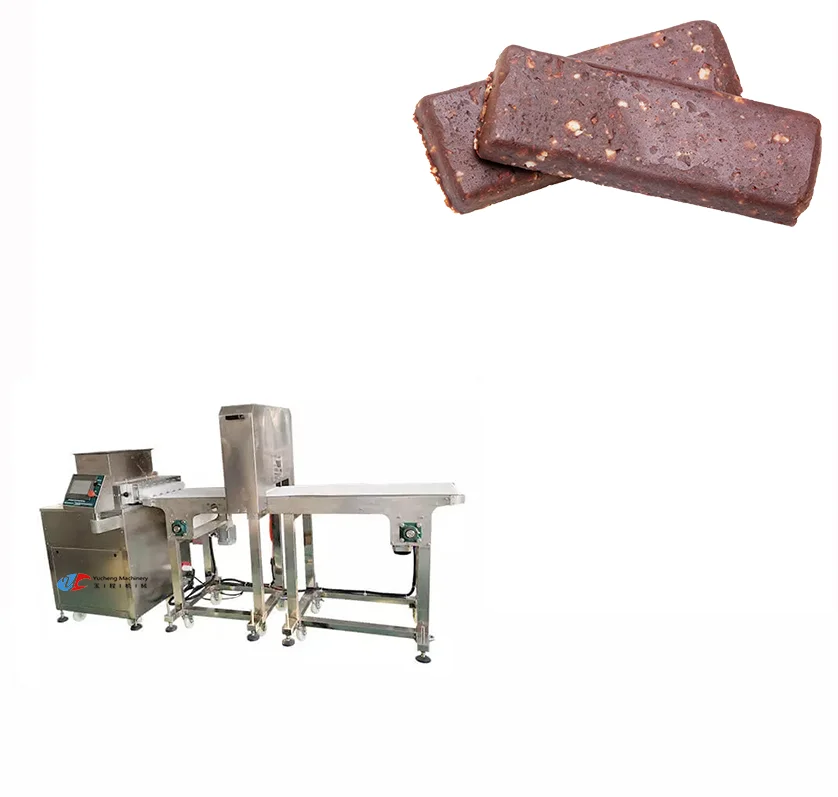
Modern date bar machine technology represents a convergence of food science, mechanical engineering, and production efficiency principles specifically designed for the unique properties of date-based confections. These machines solve fundamental challenges that manual or semi-automated production methods cannot adequately address, from consistent texture control to hygienic processing standards. As the global healthy snack market continues its trajectory toward projected valuations exceeding hundreds of billions of dollars, manufacturers increasingly recognize that production equipment choices directly influence product consistency, operational costs, and market responsiveness. The advantages these machines deliver extend far beyond simple automation, touching every aspect of successful healthy snack production from ingredient handling to final packaging readiness.
Enhanced Production Efficiency and Throughput Capacity
Continuous Processing Systems That Eliminate Bottlenecks
A primary advantage of implementing a date bar machine in healthy snack production lies in its ability to establish continuous processing workflows that dramatically reduce production bottlenecks. Traditional batch-based methods require frequent starts and stops, creating inefficiencies that compound throughout production shifts. Modern date bar machine systems incorporate continuous feeding mechanisms, mixing chambers, and forming sections that maintain steady material flow from raw ingredient introduction through final product shaping. This continuity eliminates the downtime associated with batch changeovers, allowing manufacturers to achieve throughput rates that can exceed manual production by factors of ten or more depending on system configuration and product specifications.
The throughput advantages become particularly significant when producing date bars at commercial scale, where daily production targets may reach thousands or tens of thousands of units. Advanced date bar machine designs incorporate variable-speed controls that allow operators to adjust processing rates based on ingredient characteristics, product formulations, and downstream packaging capacity. This flexibility ensures that the mixing and forming stages remain synchronized with other production line components, preventing material accumulation or starvation conditions that compromise efficiency. Manufacturers report that properly configured systems can maintain consistent output for extended periods, with some installations achieving continuous operation for eight to twelve hours with minimal manual intervention beyond routine monitoring and periodic ingredient replenishment.
Labor Optimization and Workforce Reallocation
The automation capabilities inherent in modern date bar machine technology deliver substantial labor optimization benefits that extend beyond simple headcount reduction. Manual date bar production requires skilled workers to perform repetitive tasks such as ingredient mixing, mass portioning, and hand-forming, which are not only labor-intensive but also subject to human fatigue factors that affect consistency over time. By mechanizing these core processes, manufacturers can redeploy workforce resources toward higher-value activities such as quality control, process monitoring, packaging operations, and production planning. This reallocation improves overall operational efficiency while reducing the physical demands on workers who previously performed manual forming tasks.
Labor cost advantages compound over time as production volumes increase and wage rates rise in many manufacturing regions. A date bar machine can typically replace the manual labor of multiple workers while simultaneously increasing output, creating favorable return-on-investment timelines that many manufacturers achieve within eighteen to thirty-six months depending on production volumes and local labor costs. Additionally, automation reduces the training burden associated with skilled manual operations, as machine operation requires less specialized technique than consistent hand-forming of sticky date-based materials. This simplification of skill requirements improves workforce flexibility and reduces production disruptions caused by employee turnover or absence.
Scalability and Production Flexibility
Modern date bar machine systems provide scalability advantages that allow manufacturers to respond effectively to market demand fluctuations without requiring proportional increases in labor or facility space. Modular equipment designs enable capacity expansion through the addition of parallel processing lines or the integration of higher-capacity components within existing systems. This scalability proves particularly valuable for growing businesses that need to increase production volumes progressively as market penetration deepens and distribution networks expand. The ability to scale production capacity incrementally reduces capital expenditure risks compared to building entirely new facilities or installing oversized equipment that remains underutilized during market development phases.
Production flexibility extends beyond volume scalability to include formulation versatility, as advanced date bar machine systems accommodate varying ingredient ratios, inclusion particle sizes, and final product dimensions through adjustable settings rather than equipment replacement. Manufacturers can switch between different date bar variants—such as chocolate-coated versions, nut-enriched formulations, or seed-topped products—with minimal changeover time by adjusting mixing parameters, forming die configurations, and conveyor speeds. This flexibility supports diversified product portfolios that address different consumer preferences and market segments without requiring dedicated production lines for each variant, thereby optimizing capital utilization and facility footprint efficiency.
Superior Product Quality and Consistency Standards
Uniform Texture and Structural Integrity
The texture consistency achieved through mechanized date bar machine processing represents a critical quality advantage that directly influences consumer acceptance and brand reputation. Date-based products present unique textural challenges due to the sticky, cohesive nature of date paste and the need to uniformly distribute inclusions such as nuts, seeds, and dried fruits throughout the product matrix. Manual mixing and forming methods struggle to achieve the consistent pressure application and ingredient distribution necessary for uniform texture, often resulting in batch-to-batch variations that consumers perceive as quality inconsistencies. Advanced date bar machine systems apply precisely controlled compression forces during forming operations, ensuring that each product unit exhibits consistent density, chewiness, and structural integrity.
Texture uniformity extends to the internal distribution of inclusion ingredients, which significantly affects both eating experience and nutritional delivery. Automated mixing mechanisms within date bar machine systems employ calculated rotation speeds and mixing durations that achieve homogeneous dispersion of nuts, seeds, and other particulates without over-processing ingredients that could compromise their textural contribution or nutritional integrity. This controlled mixing prevents the segregation of dense inclusions that sometimes occurs in manual processing, where larger particles may settle or cluster rather than distributing evenly. The resulting products exhibit consistent appearance when cut or bitten, with visible ingredient distribution that communicates quality and craftsmanship to health-conscious consumers who scrutinize product composition.
Dimensional Accuracy and Weight Control
Precise dimensional control constitutes another significant quality advantage delivered by date bar machine technology, particularly important for packaging efficiency, portion control accuracy, and regulatory compliance with labeling requirements. Modern forming mechanisms incorporate servo-driven cutting systems and adjustable die configurations that produce bars with tolerances measured in millimeters, ensuring that products fit packaging specifications without requiring manual trimming or adjustment. This dimensional consistency reduces packaging material waste and prevents the product-to-package fit issues that can compromise shelf appearance or lead to breakage during distribution. Weight accuracy directly correlates with dimensional precision, as consistent volumes of uniformly mixed material yield predictable weights that satisfy declared net weight standards without excessive overfill.
Weight control accuracy becomes particularly important in healthy snack production where products are marketed based on specific portion sizes that correspond to nutritional panel information and calorie declarations. Date bar machine systems equipped with mass flow monitoring or checkweighing integration can detect and correct deviations in real-time, maintaining weight specifications within narrow tolerance bands that typically range from one to three percent of target weight. This precision eliminates the yield losses associated with underweight product rejection while minimizing the profit erosion caused by systematic overweight conditions that occur when manufacturers compensate for manual inconsistency through excessive target weights. The cumulative financial impact of improved weight control often represents a significant component of overall equipment return on investment.
Hygiene Standards and Contamination Prevention
The enclosed processing environment provided by modern date bar machine systems delivers substantial hygiene advantages compared to open manual processing methods, directly addressing food safety requirements and contamination risk reduction. Date-based materials present particular contamination challenges due to their sticky surfaces that can trap microorganisms and their nutrient-rich composition that supports microbial growth under inappropriate conditions. Automated systems minimize human hand contact with product materials throughout processing, reducing contamination vectors while simultaneously simplifying sanitation protocols and facilitating compliance with food safety management systems such as HACCP or FSSC 22000. Stainless steel construction and smooth surface finishes enable effective cleaning-in-place procedures or rapid manual sanitation between production runs.
Contamination prevention extends beyond microbial control to include foreign material exclusion through integrated screening mechanisms and metal detection systems that can be incorporated into date bar machine lines. These protective measures prevent the introduction of physical contaminants that could pose consumer safety hazards or trigger costly product recalls. The closed processing pathway also minimizes exposure to environmental contaminants such as airborne particles, insects, or cross-contamination from adjacent processing activities in multi-product facilities. For manufacturers pursuing organic certifications, allergen-control programs, or specialty market positioning based on purity claims, the contamination prevention capabilities of automated systems provide essential infrastructure for maintaining product integrity claims that differentiate premium healthy snack offerings in competitive markets.
Operational Cost Reduction and Resource Efficiency
Ingredient Yield Optimization and Waste Minimization
Material yield optimization represents a significant operational cost advantage delivered by date bar machine technology, particularly relevant given the premium pricing of quality dates, organic nuts, and specialty ingredients common in healthy snack formulations. Manual processing methods typically generate higher waste percentages due to material adhesion to equipment surfaces, inconsistent portioning that requires trimming, and the difficulty of recovering edge trim or off-specification products for reprocessing. Automated systems minimize these yield losses through precise metering mechanisms that deliver exact ingredient quantities, non-stick surface treatments that reduce material adhesion, and forming technologies that produce near-net-shape products requiring minimal trimming. Yield improvements of two to five percentage points are commonly achieved, translating to substantial cost savings when calculated across annual ingredient volumes.
Waste minimization extends to the efficient recovery and reintegration of edge trim or minor off-specification products that occur during startup periods or formulation adjustments. Modern date bar machine systems can incorporate rework mechanisms that reintroduce clean process waste back into the ingredient stream, preventing the disposal of valuable materials. This closed-loop approach proves particularly important for expensive specialty ingredients such as organic dates, raw honey, or premium nut varieties where even small percentage improvements in utilization directly impact product costs and profit margins. The cumulative financial benefit of improved ingredient yield often ranks among the top three factors in equipment justification calculations, alongside labor reduction and throughput enhancement.
Energy Efficiency and Utility Consumption
Contemporary date bar machine designs incorporate energy efficiency features that reduce operational costs while supporting corporate sustainability objectives increasingly important to health-conscious consumer demographics. Variable frequency drives on motor systems allow precise power delivery matched to actual processing requirements rather than continuous full-power operation, reducing electrical consumption during light-load conditions or when processing less-viscous formulations. Efficient heating systems with improved insulation and recovery mechanisms minimize thermal energy waste during temperature-controlled processing stages such as date paste warming or coating application. Some advanced systems achieve energy consumption reductions of twenty to thirty-five percent compared to older equipment generations, with payback periods for energy efficiency investments typically ranging from two to four years depending on utility rates and production intensity.
Utility efficiency extends beyond electrical consumption to include water usage for cleaning operations and compressed air requirements for pneumatic control systems. Modern date bar machine designs emphasize sanitary design principles that reduce cleaning difficulty and water consumption while maintaining food safety standards. Quick-disconnect fittings, tool-free disassembly features, and open-frame construction facilitate rapid cleaning with minimal water and chemical usage compared to complex equipment designs with hard-to-access crevices. Compressed air optimization through the use of electrically-actuated controls rather than pneumatic systems, or through efficient pneumatic circuit design with leak prevention measures, further reduces ongoing utility costs. These operational efficiency improvements contribute to total cost of ownership advantages that extend throughout the equipment lifecycle.
Maintenance Requirements and Equipment Longevity
The durability and maintainability characteristics of quality date bar machine systems deliver long-term cost advantages through reduced downtime, lower spare parts consumption, and extended equipment service life. Industrial-grade construction using stainless steel frames, hardened wear surfaces, and sealed bearing assemblies withstands the demanding conditions of continuous date bar production where sticky materials and repetitive mechanical stresses challenge equipment integrity. Preventive maintenance requirements on well-engineered systems typically involve straightforward procedures such as lubrication, belt tensioning, and periodic inspection rather than frequent component replacement or complex adjustments. This maintenance simplicity reduces both direct parts costs and the indirect costs associated with production downtime and specialized technical labor.
Equipment longevity translates to favorable capital cost amortization as manufacturers depreciate machinery investments over operational lifespans that may extend fifteen to twenty years with proper maintenance and periodic refurbishment. This extended service life contrasts favorably with consumer-grade or light-duty equipment that may require replacement after only five to seven years of commercial operation. The availability of replacement parts, manufacturer support quality, and equipment design documentation all influence total ownership costs over extended periods. Manufacturers evaluating date bar machine investments should consider not only initial purchase price but also projected maintenance costs, spare parts availability, and manufacturer reputation for long-term support when calculating true lifecycle costs and comparing alternative equipment options.
Market Responsiveness and Competitive Positioning
Rapid Product Development and Formula Testing
The formula development advantages provided by flexible date bar machine systems enable manufacturers to respond quickly to emerging consumer trends and competitive market dynamics in the rapidly evolving healthy snack sector. Equipment with adjustable parameters and recipe storage capabilities allows product development teams to test new formulations efficiently, iterating through multiple ingredient combinations, texture variations, and coating options without requiring equipment modifications or extensive setup changes. This development agility proves particularly valuable as consumer preferences shift toward novel ingredients such as adaptogenic additions, plant-based proteins, or functional compounds that require processing parameter optimization. Manufacturers equipped with versatile systems can move from concept to market-ready product in timeframes measured in weeks rather than months, capturing first-mover advantages in trend-driven market segments.
Formula testing efficiency extends to small-batch production capabilities that allow market testing and consumer validation before committing to full-scale production runs. Some date bar machine systems accommodate batch size flexibility that enables economical production of test quantities ranging from hundreds to low thousands of units, supporting regional market tests, food service sampling programs, or e-commerce direct-to-consumer launches that validate demand before broader retail distribution. This testing capability reduces market entry risk by allowing data-driven decisions about formula finalization and production scale-up rather than relying solely on concept testing or focus group feedback. The ability to rapidly prototype, test, and refine products creates competitive advantages in markets where innovation velocity increasingly determines category leadership and consumer mind-share capture.
Capacity to Serve Diverse Distribution Channels
Modern date bar machine technology enables manufacturers to efficiently serve the increasingly diverse distribution channels that characterize contemporary healthy snack markets, from traditional grocery retail to specialized health food stores, food service operations, and direct-to-consumer e-commerce platforms. Each channel presents distinct packaging requirements, portion size preferences, and quality expectations that flexible production systems can accommodate through parameter adjustments rather than dedicated equipment. The ability to produce both individual single-serve bars for convenience retail and multi-bar family packs for grocery channels from the same production line optimizes capital utilization while supporting comprehensive market coverage strategies that maximize revenue opportunities across all viable distribution pathways.
Channel diversification capabilities become particularly important as healthy snack manufacturers pursue growth through multiple simultaneous market segments rather than dependence on single retail channels vulnerable to competitive pressure or buyer consolidation. Date bar machine systems that accommodate varied production runs without extensive changeover requirements enable economical short-run production of specialized products for food service accounts, private label programs, or subscription box services that complement higher-volume retail production. This multi-channel capability spreads business risk while building diverse revenue streams that collectively provide more stable financial performance than single-channel concentration. The operational flexibility to efficiently serve diverse customers with varying volume requirements and specification needs constitutes a significant competitive advantage in fragmented healthy snack markets characterized by numerous regional players and emerging challenger brands.
Brand Differentiation Through Product Innovation
Advanced date bar machine capabilities enable product innovations that support brand differentiation in increasingly crowded healthy snack categories where hundreds of date bar varieties compete for consumer attention and retail shelf space. Equipment features such as inclusion injection systems allow the creation of filled or layered products that deliver textural variety and flavor complexity beyond simple mixed-composition bars. Coating capabilities enable chocolate enrobing, yogurt topping, or seed crusting that creates visual distinction and taste experiences that command premium positioning. Shape versatility through interchangeable forming dies allows distinctive product profiles that enhance brand recognition and shelf presence. These innovation capabilities transform commodity-like date bars into differentiated branded products that justify premium pricing and build consumer loyalty resistant to private label competition.
Product innovation extends to functional positioning opportunities enabled by precise ingredient incorporation capabilities of sophisticated date bar machine systems. Manufacturers can accurately dose supplemental ingredients such as plant proteins, omega-3 sources, prebiotic fibers, or vitamin-mineral blends throughout product matrices, supporting functional nutrition claims that appeal to performance-oriented consumers or specific demographic segments such as active lifestyle participants or wellness-focused demographic groups. The processing precision necessary to maintain active ingredient stability and ensure consistent dosing across production runs requires equipment capabilities that manual or primitive automated systems cannot reliably deliver. Brands that successfully leverage equipment capabilities to deliver genuinely differentiated products with validated functional benefits establish market positions defensible against competitive imitation and retail buyer pressure for price concessions.
FAQ
What production volumes justify investing in a date bar machine?
Investment justification for date bar machine technology typically occurs when manufacturers reach consistent production volumes exceeding one thousand to two thousand units daily, though exact thresholds depend on product pricing, labor costs, and growth projections. At these volumes, labor cost savings, yield improvements, and quality consistency benefits generate return-on-investment timelines of eighteen to thirty-six months that most businesses find acceptable. Smaller producers may find entry-level or used equipment economically viable at lower volumes, while rapidly growing startups might justify investment based on projected rather than current volumes to avoid capacity constraints during critical growth phases. Financial analysis should consider not only current production economics but also strategic factors such as quality positioning requirements, food safety compliance needs, and competitive response capabilities that equipment ownership enables regardless of immediate volume-based payback calculations.
Can date bar machines handle organic and specialty ingredient formulations?
Quality date bar machine systems readily accommodate organic and specialty ingredient formulations provided that manufacturers select equipment with appropriate material contact surfaces and cleaning capabilities that prevent cross-contamination between conventional and certified organic production runs. Stainless steel construction, smooth surface finishes, and accessible design features facilitate the thorough cleaning protocols necessary for organic certification maintenance and allergen control programs common in specialty ingredient applications. Ingredient handling flexibility allows processing of various date varieties, alternative sweeteners, ancient grains, and novel protein sources that characterize premium healthy snack formulations. Manufacturers should verify that prospective equipment meets organic certifier requirements for material construction and cleaning validation, and should establish documented cleaning procedures that demonstrate effective removal of potential contaminants between production batches with different certification status or allergen profiles.
How do date bar machines compare to manual production for small-batch artisan products?
Small-batch artisan producers face nuanced decisions when evaluating date bar machine adoption, as automated equipment delivers consistency and efficiency advantages that may conflict with artisan positioning emphasizing handcrafted authenticity. However, many artisan brands successfully integrate semi-automated equipment that handles labor-intensive mixing and forming tasks while preserving craft elements such as hand-applied toppings, custom flavor combinations, or small-batch production runs that maintain artisan character. The quality consistency delivered by mechanical processing actually supports artisan brand promises by ensuring that every customer receives products meeting defined quality standards rather than experiencing the variable results sometimes associated with entirely manual production. Entry-level date bar machine systems or used equipment can provide automation benefits at capital costs accessible to small artisan businesses, with payback achieved through labor savings and yield improvements even at modest production volumes measured in hundreds rather than thousands of daily units.
What maintenance expertise do manufacturers need for date bar machine operation?
Most modern date bar machine systems require only basic mechanical maintenance competencies commonly available within food manufacturing environments, including skills such as belt replacement, chain lubrication, basic electrical troubleshooting, and routine component inspection procedures. Equipment suppliers typically provide operator training covering normal maintenance procedures, common adjustment requirements, and basic troubleshooting protocols that enable in-house maintenance staff to handle most routine service needs without external technical support. More complex issues involving servo systems, programmable controllers, or specialized components may require manufacturer technical service, though well-designed equipment minimizes these occurrences through robust component selection and proven control system architectures. Manufacturers should establish relationships with equipment suppliers offering responsive technical support, maintain spare parts inventories for wear components and common failure items, and document maintenance procedures through standardized checklists that ensure consistent execution by multiple staff members to prevent knowledge concentration risks associated with single-person maintenance expertise.
Table of Contents
- Enhanced Production Efficiency and Throughput Capacity
- Superior Product Quality and Consistency Standards
- Operational Cost Reduction and Resource Efficiency
- Market Responsiveness and Competitive Positioning
-
FAQ
- What production volumes justify investing in a date bar machine?
- Can date bar machines handle organic and specialty ingredient formulations?
- How do date bar machines compare to manual production for small-batch artisan products?
- What maintenance expertise do manufacturers need for date bar machine operation?


