 EN
EN
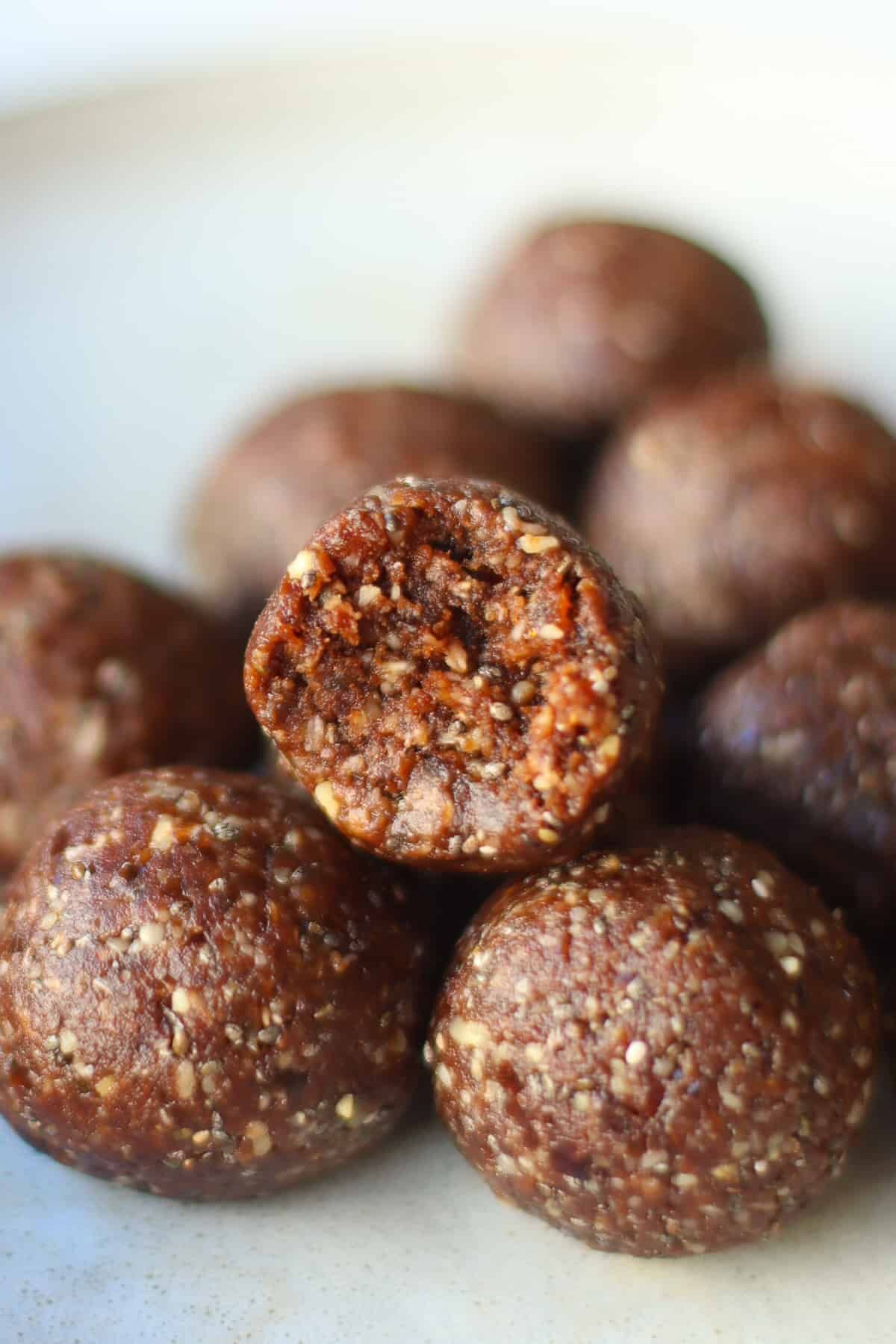
Selecting the right automatic encrusting equipment represents a critical investment decision that can dramatically impact your production efficiency, product quality, and long-term profitability. The choice between different automatic encrusting equipment options requires careful evaluation of multiple technical, operational, and business factors that align with your specific manufacturing requirements. Understanding the key selection criteria will help you make an informed decision that supports your production goals and delivers measurable returns on investment.
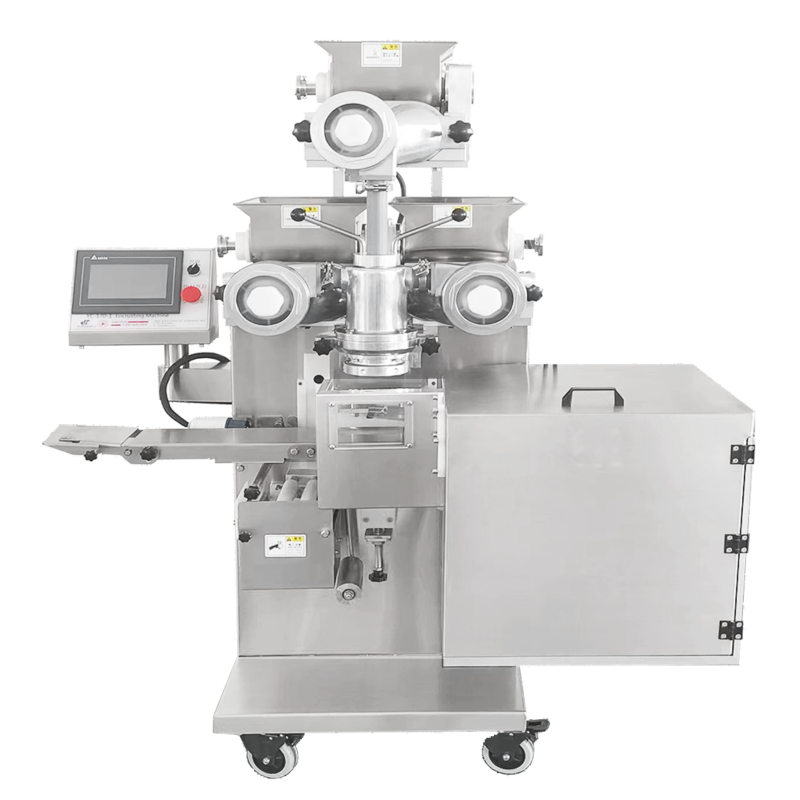
The process of choosing automatic encrusting equipment involves analyzing your current production challenges, future growth projections, and the technical capabilities required to achieve your manufacturing objectives. Modern automatic encrusting equipment offers sophisticated features that can transform traditional manual processes into highly efficient, consistent, and scalable production systems. The key to successful equipment selection lies in matching the right technical specifications with your operational requirements while considering factors such as throughput capacity, filling accuracy, versatility, and integration capabilities.
Understanding Your Production Requirements
Analyzing Current Production Capacity and Bottlenecks
Before evaluating automatic encrusting equipment options, conduct a comprehensive analysis of your existing production processes to identify capacity constraints and operational inefficiencies. Document your current output levels, peak production periods, and the manual labor requirements for encrusting operations. This baseline assessment will help you determine the minimum performance specifications needed from new automatic encrusting equipment to achieve meaningful productivity improvements.
Examine your product mix and seasonal variations to understand the flexibility requirements for your automatic encrusting equipment investment. Consider how different product lines utilize encrusting processes and whether you need equipment capable of handling multiple product types with minimal changeover time. This analysis will guide you toward automatic encrusting equipment that offers the versatility needed to support your diverse production requirements efficiently.
Evaluate the quality consistency challenges in your current manual or semi-automated encrusting processes. Identify variations in filling weights, shape uniformity, and surface finish that impact product quality and customer satisfaction. Understanding these quality gaps will help you prioritize features in automatic encrusting equipment that address specific consistency and precision requirements for your products.
Defining Future Growth and Scalability Needs
Project your production volume growth over the next three to five years to ensure your automatic encrusting equipment investment can accommodate future expansion without requiring premature replacement or significant modifications. Consider market trends, new product development plans, and potential capacity requirements that may influence your long-term equipment needs. This forward-looking approach ensures your automatic encrusting equipment selection supports sustainable business growth.
Assess the potential for product line expansion and diversification that may require different encrusting capabilities. Evaluate whether your future plans include products with varying sizes, shapes, filling types, or production volumes that would benefit from flexible automatic encrusting equipment configurations. This strategic perspective helps justify investing in more versatile equipment that can adapt to changing business requirements.
Consider the scalability options available with different automatic encrusting equipment manufacturers, including modular designs, upgrade paths, and expansion capabilities. Some systems offer modular configurations that allow you to add capacity or features incrementally as your business grows, providing a cost-effective approach to scaling production capabilities over time.
Technical Specifications and Performance Criteria
Throughput Capacity and Speed Requirements
Determine the minimum throughput capacity required from automatic encrusting equipment to meet your production targets while maintaining adequate buffer capacity for peak demand periods. Calculate the pieces per hour or per minute needed based on your production schedules, considering factors such as setup time, cleaning requirements, and planned maintenance windows that affect actual operating time.
Evaluate the speed adjustment capabilities of different automatic encrusting equipment options to ensure they can accommodate products requiring different processing speeds or quality standards. Some delicate products may require slower processing speeds to maintain integrity, while high-volume standard products benefit from maximum speed operation. Flexibility in speed control enhances the versatility of your equipment investment.
Consider the consistency of throughput performance across different product types and operating conditions. Reliable automatic encrusting equipment should maintain stable production rates regardless of ambient temperature variations, ingredient characteristics, or operator skill levels. This consistency ensures predictable production planning and delivery commitments to customers.
Filling Accuracy and Weight Control
Assess the filling accuracy requirements for your products, considering both customer expectations and cost control objectives. High-precision automatic encrusting equipment can minimize ingredient waste while ensuring consistent product weights that meet regulatory standards and customer specifications. Evaluate the weight variation tolerances achievable with different equipment options and their impact on your overall production costs.
Review the adjustment mechanisms available for fine-tuning filling weights and ratios in automatic encrusting equipment systems. Advanced equipment offers digital controls with memory settings for different products, enabling quick changeovers while maintaining precise control over ingredient portions. This capability becomes particularly valuable when producing multiple product variants with different filling requirements.
Consider the monitoring and feedback systems built into modern automatic encrusting equipment that provide real-time weight control and quality assurance. Integrated weighing systems and automatic adjustment capabilities help maintain consistent product specifications while reducing the need for constant operator intervention and manual adjustments during production runs.
Versatility and Flexibility Features
Product Range Compatibility
Evaluate the range of product sizes, shapes, and filling types that different automatic encrusting equipment options can accommodate. Consider your current product portfolio as well as potential future products that may require encrusting capabilities. Equipment that handles diverse product specifications without requiring major modifications or tool changes offers greater long-term value and operational flexibility.
Assess the changeover requirements between different products when using the same automatic encrusting equipment. Quick-change tooling systems, adjustable forming dies, and programmable settings can significantly reduce downtime between product runs, improving overall equipment utilization and production efficiency. Consider the time and labor required for these changeovers in your equipment evaluation process.
Review the compatibility of automatic encrusting equipment with different dough types, filling consistencies, and ingredient formulations used in your products. Some equipment performs better with specific ingredient characteristics, while others offer broader compatibility across various formulations. Understanding these limitations helps ensure your selected equipment can handle your complete product range effectively.
Customization and Modification Options
Investigate the customization options available from automatic encrusting equipment manufacturers to address your specific production requirements or unique product characteristics. Custom tooling, specialized feeding systems, or modified control programs can optimize equipment performance for your particular applications, potentially justifying higher initial investment costs through improved efficiency and quality.
Consider the availability of retrofit options and upgrade paths for enhancing automatic encrusting equipment capabilities after installation. Manufacturers who offer ongoing support for equipment improvements and feature additions provide better long-term value and help protect your investment as technology advances and business requirements evolve.
Evaluate the flexibility of control systems in automatic encrusting equipment for accommodating special processing requirements or integration with existing production management systems. Modern equipment often includes programmable logic controllers and communication interfaces that support customization and data integration without requiring extensive modifications to core mechanical systems.
Integration and Operational Considerations
Production Line Integration Requirements
Analyze how different automatic encrusting equipment options will integrate with your existing production line equipment, including upstream preparation systems and downstream processing or packaging equipment. Proper integration ensures smooth material flow, consistent production timing, and optimal overall line efficiency. Consider conveyor interfaces, height matching, and synchronization requirements when evaluating equipment options.
Assess the space requirements and facility modifications needed to accommodate new automatic encrusting equipment, including clearances for operation, maintenance access, and safety compliance. Factor in utility requirements such as compressed air, electrical power, and water connections that may require facility upgrades. Understanding these installation requirements helps accurate total cost calculations for different equipment options.
Consider the impact of automatic encrusting equipment placement on workflow efficiency and operator safety within your production facility. Equipment positioning should minimize material handling requirements while providing safe access for operation, cleaning, and maintenance activities. Proper integration planning ensures your investment enhances rather than complicates overall production operations.
Maintenance and Support Requirements
Evaluate the routine maintenance requirements for different automatic encrusting equipment options, including cleaning procedures, lubrication schedules, and wear part replacement intervals. Equipment with simpler maintenance requirements and longer service intervals can reduce operational costs and minimize production disruptions over the equipment's operational life.
Research the availability and quality of technical support services provided by automatic encrusting equipment manufacturers, including response times, service coverage areas, and spare parts availability. Strong manufacturer support ensures minimal downtime when issues occur and provides confidence in your equipment investment's long-term reliability and performance.
Consider the training requirements for operators and maintenance personnel who will work with new automatic encrusting equipment. Comprehensive training programs help ensure safe, efficient operation while maximizing the equipment's performance capabilities and service life. Factor training costs and time requirements into your equipment selection decision process.
Cost Analysis and Return on Investment
Total Cost of Ownership Evaluation
Calculate the complete financial impact of different automatic encrusting equipment options by analyzing initial purchase costs, installation expenses, training requirements, and ongoing operational costs. Include factors such as energy consumption, maintenance costs, spare parts, and expected service life to develop accurate total cost of ownership projections that support informed decision-making.
Assess the labor cost savings achievable through automatic encrusting equipment implementation, considering both direct operator reduction and indirect benefits such as improved quality consistency and reduced supervision requirements. Quantify these savings over the equipment's expected service life to determine the payback period and overall return on investment for different equipment options.
Evaluate the productivity improvements and capacity increases that automatic encrusting equipment can deliver compared to your current production methods. Consider the value of increased throughput, reduced waste, improved product quality, and enhanced production flexibility when calculating the financial benefits of equipment investment.
Financing and Budget Considerations
Explore financing options available for automatic encrusting equipment purchases, including equipment loans, leasing arrangements, and manufacturer financing programs. Different financing structures can impact cash flow requirements and tax implications, making some equipment options more attractive from a financial management perspective even if their purchase prices are higher.
Consider the budget timing and approval processes required for automatic encrusting equipment acquisition within your organization. Factor in lead times for equipment delivery and installation when planning purchase timing to ensure the equipment becomes available when needed to support production requirements or capacity expansion plans.
Assess the risk factors associated with different automatic encrusting equipment investments, including technology obsolescence, manufacturer stability, and market demand changes that could affect the equipment's useful life and residual value. Understanding these risks helps inform equipment selection decisions and financing arrangements.
FAQ
What production volume justifies investing in automatic encrusting equipment?
The decision to invest in automatic encrusting equipment typically becomes justified when your production volume reaches levels where manual processes create bottlenecks, quality inconsistencies, or excessive labor costs. Generally, operations producing more than 500-1000 pieces per day can benefit from automation, though the exact threshold depends on product complexity, labor costs, and quality requirements. Consider factors such as peak production periods, seasonal variations, and growth projections when evaluating whether your volume justifies automatic encrusting equipment investment.
How do I determine the right throughput capacity for my automatic encrusting equipment?
Calculate your required throughput capacity by analyzing your daily production targets, available operating hours, and desired buffer capacity for peak demand periods. Factor in time for equipment setup, cleaning, and maintenance when determining actual production time available. Most operations benefit from selecting automatic encrusting equipment with 20-30% more capacity than current requirements to accommodate growth and unexpected demand increases. Consider your production schedule flexibility and whether you need equipment capable of handling rush orders or seasonal peaks.
What maintenance requirements should I expect with automatic encrusting equipment?
Typical maintenance requirements for automatic encrusting equipment include daily cleaning and sanitization, weekly lubrication of moving parts, periodic inspection of wear components, and scheduled replacement of seals and gaskets. Most quality equipment requires 1-2 hours of daily maintenance and 4-8 hours of weekly preventive maintenance. Factor in the cost of maintenance supplies, spare parts inventory, and trained maintenance personnel when budgeting for equipment operation. Modern automatic encrusting equipment often includes diagnostic systems that help predict maintenance needs and minimize unexpected downtime.
Can automatic encrusting equipment handle different product sizes and filling types?
Most modern automatic encrusting equipment offers significant versatility in handling different product sizes, shapes, and filling types through adjustable tooling, programmable controls, and quick-change systems. However, the specific range of products depends on the equipment design and manufacturer specifications. When selecting equipment, verify compatibility with your complete product range and consider the changeover time required between different products. Some equipment excels at handling similar products with minor variations, while others offer broader flexibility for dramatically different product types and sizes.
Table of Contents
- Understanding Your Production Requirements
- Technical Specifications and Performance Criteria
- Versatility and Flexibility Features
- Integration and Operational Considerations
- Cost Analysis and Return on Investment
-
FAQ
- What production volume justifies investing in automatic encrusting equipment?
- How do I determine the right throughput capacity for my automatic encrusting equipment?
- What maintenance requirements should I expect with automatic encrusting equipment?
- Can automatic encrusting equipment handle different product sizes and filling types?


