 EN
EN


The decision to invest in automatic encrusting equipment for 2026 requires careful timing analysis, as market conditions, technology advancement cycles, and business readiness factors all influence the optimal purchase window. Food manufacturers and bakery operations planning their equipment acquisitions need to understand when the convergence of price stability, technological maturity, and operational readiness creates the ideal buying opportunity for automatic encrusting equipment.
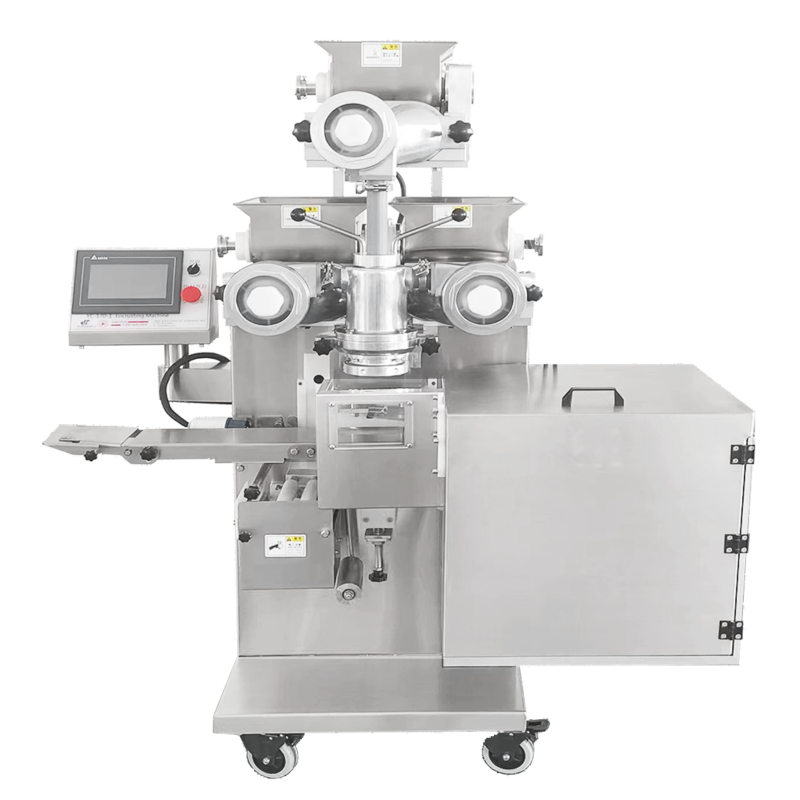
Strategic timing for automatic encrusting equipment purchases in 2026 depends on recognizing key market signals, production demand forecasts, and capital availability windows. Manufacturing operations that align their equipment acquisition timing with these critical factors typically achieve better return on investment and smoother implementation processes compared to those making reactive or poorly timed purchases.
Pre-Purchase Readiness Assessment Timeline
Production Volume Threshold Analysis
Manufacturing facilities should evaluate their production volume projections before committing to automatic encrusting equipment purchases in 2026. Operations producing fewer than 5,000 encrusted products daily may find manual or semi-automatic solutions more cost-effective until their volume consistently exceeds this threshold for at least six consecutive months. The break-even analysis for automatic encrusting equipment typically requires sustained high-volume production to justify the capital investment and operational overhead.
Food manufacturers experiencing seasonal volume fluctuations need to assess their peak production requirements and annual average output before determining purchase timing. Facilities with strong Q4 demand spikes should consider acquiring automatic encrusting equipment during Q1 or Q2 to allow sufficient installation, testing, and staff training time. This preparation period ensures the equipment operates at full efficiency during critical high-demand periods.
Financial Readiness Indicators
Capital allocation timing for automatic encrusting equipment should align with favorable cash flow periods and available financing terms. Many manufacturers find Q1 purchases advantageous due to renewed annual budgets and potential equipment vendor incentives following the previous year's sales cycles. Companies should secure financing pre-approval and budget allocation at least 90 days before their intended purchase date to avoid delays in equipment acquisition.
Tax consideration timing also influences optimal purchase windows for automatic encrusting equipment in 2026. Businesses seeking to maximize depreciation benefits may prefer Q4 purchases to capture full-year depreciation, while those prioritizing cash flow preservation might delay purchases until Q1 of the following fiscal year. Equipment lease-to-own options provide flexibility for companies uncertain about optimal timing but needing immediate production capacity expansion.
Market Condition Timing Factors
Technology Upgrade Cycle Recognition
The automatic encrusting equipment industry follows predictable technology refresh cycles that smart buyers can leverage for optimal purchase timing. Major manufacturers typically release updated models or significant feature enhancements every 18-24 months, creating opportunities for discounted purchases of previous-generation equipment that still offers excellent performance capabilities. Companies should monitor industry trade publications and manufacturer announcements to identify these technology transition periods.
Early 2026 presents a strategic window as several leading automatic encrusting equipment manufacturers are expected to introduce next-generation models with enhanced automation features. Buyers comfortable with proven technology can often negotiate favorable pricing on current models during these transition periods, while those requiring cutting-edge capabilities should plan purchases after new model stabilization, typically 6-9 months post-launch.
Supply Chain Stability Assessment
Global supply chain conditions significantly impact automatic encrusting equipment availability and pricing throughout 2026. Manufacturers should monitor component availability reports, shipping cost trends, and lead time projections when planning their equipment purchases. Extended lead times of 12-16 weeks for custom automatic encrusting equipment configurations require advance planning to ensure delivery aligns with production schedule requirements.
Geopolitical factors and trade policy changes can create sudden supply disruptions or price fluctuations for automatic encrusting equipment imports. Companies dependent on international suppliers should consider buffer timing in their purchase planning and potentially accelerate acquisition schedules if trade tensions appear likely to impact equipment availability or pricing during their preferred purchase window.
Operational Integration Timing Strategy
Production Schedule Coordination
Successful automatic encrusting equipment implementation requires careful coordination with existing production schedules and planned downtime windows. Manufacturing facilities should identify natural production lulls, maintenance periods, or facility expansion phases when equipment installation and commissioning can occur with minimal disruption to ongoing operations. Summer months often provide ideal installation windows for many food manufacturers due to reduced seasonal demand.
Staff training requirements for automatic encrusting equipment typically span 2-4 weeks for full operational proficiency. Companies should plan equipment delivery to allow adequate training time before peak production periods begin. This preparation ensures operators achieve optimal efficiency levels and reduces the risk of production delays or quality issues during critical business periods.
Regulatory Compliance Timeline
Food safety regulations and facility certification requirements can influence optimal timing for automatic encrusting equipment purchases and installations. New equipment installations often trigger regulatory inspections and certification updates that require 4-8 weeks for completion. Manufacturers should coordinate equipment purchases with their regulatory compliance calendar to ensure approvals align with planned production start dates.
Industry certification bodies typically experience higher inspection volumes during certain periods, potentially extending approval timelines. Companies should factor these regulatory processing delays into their equipment purchase timing and consider accelerating acquisitions if inspection backlogs appear likely during their preferred installation window.
Strategic Purchase Windows for 2026
Quarter-Based Timing Advantages
Q1 2026 offers several advantages for automatic encrusting equipment purchases, including renewed capital budgets, vendor sales incentives, and longer implementation timelines before peak seasonal demands. Manufacturers can leverage end-of-fiscal-year vendor motivations while ensuring equipment reaches full operational status before Q4 production increases. This timing also allows for comprehensive staff training and process optimization during traditionally slower production periods.
Q2 purchases of automatic encrusting equipment provide balanced timing between budget availability and implementation urgency. This window allows manufacturers to observe Q1 market conditions and technology announcements while maintaining sufficient installation time before autumn production ramp-ups. Mid-year equipment acquisitions often benefit from stabilized supply chains and competitive vendor pricing as manufacturers compete for market share.
Industry-Specific Timing Considerations
Bakery operations with holiday-focused product lines should complete automatic encrusting equipment purchases and installations by late Q2 to ensure full operational capability before Q4 demand surges. These businesses benefit from early timing that allows equipment optimization and staff proficiency development during lower-stakes production periods. Delayed purchases risk operational challenges during peak revenue-generating seasons.
Year-round production facilities have greater flexibility in timing automatic encrusting equipment purchases but should still consider maintenance schedule coordination and budget cycle alignment. These operations can optimize timing around planned facility upgrades, expansion projects, or equipment refresh cycles to maximize operational efficiency and minimize disruption impacts.
FAQ
What are the key signs that indicate readiness to purchase automatic encrusting equipment in 2026?
Key readiness indicators include consistent daily production volumes exceeding 5,000 encrusted products, secure capital financing or budget allocation, identified installation windows with minimal operational disruption, and completed staff training capability assessments. Additionally, stable product demand forecasts extending at least 18 months and regulatory compliance preparedness signal optimal purchase timing for automatic encrusting equipment.
How do seasonal business cycles affect optimal purchase timing for automatic encrusting equipment?
Seasonal businesses should align equipment purchases with their operational calendar, typically acquiring automatic encrusting equipment during off-peak periods to allow installation and training time. Companies with Q4 seasonal peaks benefit from Q1-Q2 purchases, while those with summer demand spikes should consider late autumn or winter acquisition timing to ensure equipment readiness before peak seasons begin.
What market conditions in 2026 might influence automatic encrusting equipment purchase timing?
Market conditions affecting purchase timing include technology refresh cycles from major manufacturers, supply chain stability and component availability, interest rate trends impacting financing costs, and potential trade policy changes affecting import pricing. Monitoring these factors helps manufacturers identify optimal purchase windows and avoid periods of higher costs or extended delivery timeframes for automatic encrusting equipment.
How long should companies plan between purchasing and full operational deployment of automatic encrusting equipment?
Companies should typically plan 16-20 weeks from purchase order to full operational deployment for automatic encrusting equipment. This timeline includes manufacturing lead times, shipping and delivery, installation and commissioning, staff training, regulatory inspections, and operational optimization phases. Complex custom configurations or international shipping may require additional time allowances in purchase planning schedules.
Table of Contents
- Pre-Purchase Readiness Assessment Timeline
- Market Condition Timing Factors
- Operational Integration Timing Strategy
- Strategic Purchase Windows for 2026
-
FAQ
- What are the key signs that indicate readiness to purchase automatic encrusting equipment in 2026?
- How do seasonal business cycles affect optimal purchase timing for automatic encrusting equipment?
- What market conditions in 2026 might influence automatic encrusting equipment purchase timing?
- How long should companies plan between purchasing and full operational deployment of automatic encrusting equipment?


