 EN
EN

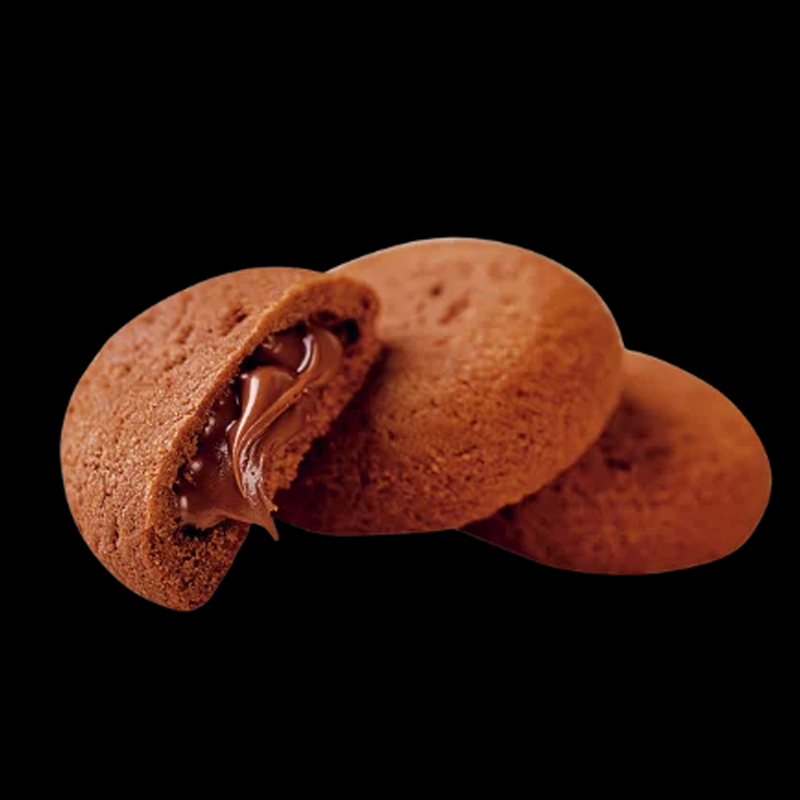
In the competitive bakery industry, consistency is not merely a desirable trait—it is the foundation of brand reputation, customer loyalty, and operational profitability. Whether producing artisan butter cookies, chocolate chip varieties, or intricate multi-colored designs, bakeries face the constant challenge of delivering identical products batch after batch. Manual production methods, while charming in small-scale operations, introduce variability in shape, weight, texture, and baking time. This is where a cookie machine becomes indispensable. By automating the forming, cutting, and portioning processes, a cookie machine eliminates human error, standardizes product specifications, and ensures that every cookie leaving the production line meets exact quality standards. For commercial bakeries aiming to scale operations without sacrificing quality, investing in reliable cookie production equipment is no longer optional—it is essential for maintaining the consistency that modern consumers expect.
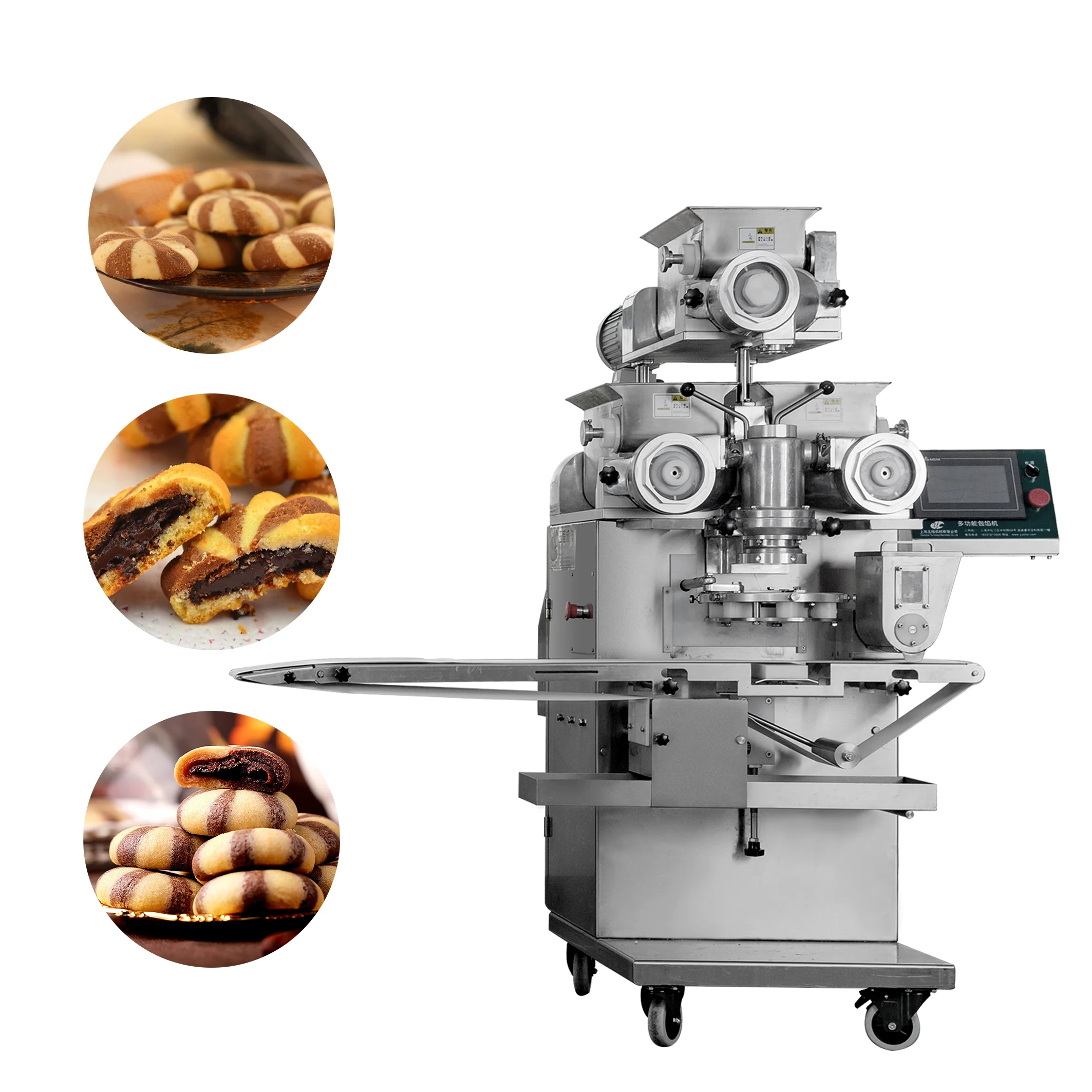
The essence of consistent bakery production lies in the ability to replicate results across thousands or even millions of units. A cookie machine addresses this requirement by controlling critical variables such as dough weight per piece, thickness uniformity, and shape precision. When these parameters are standardized, downstream processes including baking, cooling, and packaging become predictable and efficient. This uniformity reduces waste, minimizes rework, and optimizes oven utilization. Furthermore, consistency directly influences consumer perception—customers purchasing a favorite cookie expect the same taste, texture, and appearance every time. Any deviation can erode trust and drive buyers toward competitors. In this article, we explore the multifaceted reasons why cookie machines are essential for consistent bakery production, examining their impact on quality control, operational efficiency, scalability, labor management, food safety, and long-term business sustainability.
The Role of Automation in Achieving Production Uniformity
Eliminating Human Variability in Dough Portioning
Manual dough portioning is inherently inconsistent. Even skilled bakers cannot replicate the exact weight and shape of hundreds of cookies per hour without introducing variation. A cookie machine uses precision-engineered mechanisms—such as rotary molders, wire-cut systems, or depositors—to dispense dough in exact quantities. This mechanical consistency ensures that each cookie receives the same amount of ingredients, leading to uniform baking behavior. When every piece weighs the same, oven heat distribution affects them identically, resulting in even coloring, texture, and moisture content. This level of control is impossible to achieve manually, especially in high-volume production environments where speed and accuracy must coexist.
Standardizing Shape and Dimensional Accuracy
Shape consistency is critical for both aesthetic appeal and functional packaging. Irregular cookies lead to inefficient packing, increased breakage during handling, and inconsistent presentation on retail shelves. A cookie machine equipped with rotary dies or cutting systems produces cookies with precise dimensions, thickness, and edge definition. Whether producing simple round cookies or complex embossed designs, the machine replicates the pattern flawlessly across every cycle. This uniformity not only enhances visual appeal but also ensures that cookies fit standardized packaging formats, reducing material waste and improving shelf stability. For bakeries supplying retailers, dimensional consistency is a non-negotiable requirement.
Controlling Dough Texture and Density
A cookie machine also regulates the density and texture of dough as it is shaped. Manual rolling and cutting can inadvertently compress or stretch dough, altering its structure and affecting final texture. Automated systems apply consistent pressure and handling, preserving the intended crumb structure and preventing over-working. This is particularly important for delicate dough types such as shortbread or laminated varieties. By maintaining consistent dough integrity, the cookie machine ensures that each batch bakes to the same tenderness, crispness, or chewiness, depending on the recipe. This repeatability is essential for meeting quality specifications and consumer expectations.
Enhancing Operational Efficiency and Throughput
Increasing Production Speed Without Quality Compromise
Speed is a defining advantage of using a cookie machine in commercial bakery settings. Modern machines can produce thousands of cookies per hour, far exceeding manual capacity. However, speed alone is meaningless without quality. The key benefit is that these machines maintain consistency even at high throughput. Advanced systems synchronize multiple functions—dough feeding, forming, cutting, and transferring—into a seamless process. This integration eliminates bottlenecks and ensures that rapid production does not introduce defects. For bakeries facing seasonal demand spikes or large contract orders, the ability to scale output while preserving product integrity is a competitive necessity.
Reducing Production Cycle Time and Labor Dependency
Manual cookie production is labor-intensive, requiring multiple workers for dough preparation, portioning, shaping, and tray loading. A cookie machine consolidates these tasks, allowing fewer operators to manage higher output. This labor efficiency reduces cycle time and frees skilled staff to focus on quality assurance, recipe development, and supervisory roles. Additionally, automation reduces fatigue-related errors. Human workers experience declining accuracy over long shifts, but machines maintain unwavering precision. This reliability translates to fewer defective products, less waste, and more predictable production schedules.
Optimizing Raw Material Utilization
Consistency in portioning and forming directly impacts material efficiency. When a cookie machine dispenses precise dough amounts, ingredient usage aligns perfectly with production targets. There is no excess dough requiring rework or disposal. Manual processes often generate scrap from uneven cutting or irregular shapes. Automated systems minimize this waste by maximizing yield per batch. Over time, these savings accumulate into significant cost reductions. For large bakeries managing tight margins, improved material utilization can be the difference between profitability and loss, making the cookie machine an economically essential asset.
Ensuring Food Safety and Hygiene Compliance
Minimizing Direct Human Contact with Dough
Food safety regulations increasingly emphasize minimizing human contact with raw ingredients and semi-finished products. Manual handling introduces contamination risks from skin contact, airborne particles, and inconsistent hygiene practices. A cookie machine provides a closed or semi-closed production environment, reducing exposure points. Dough is fed directly from mixers into the machine, shaped, and deposited onto baking trays with minimal human intervention. This containment approach aligns with Hazard Analysis and Critical Control Points (HACCP) protocols and supports certification under international food safety standards. For bakeries exporting products or supplying institutional buyers, demonstrating robust hygiene practices is essential for market access.
Facilitating Sanitation and Equipment Maintenance
Modern cookie machines are designed with sanitation in mind. Stainless steel construction, removable parts, and easy-access panels simplify cleaning and reduce microbial buildup. Consistent equipment performance depends on regular maintenance, and well-designed machines enable rapid disassembly for thorough sanitation. This design philosophy prevents cross-contamination between batches and ensures that allergen control protocols can be effectively implemented. In contrast, manual production areas with numerous tools and surfaces are harder to clean comprehensively. The cookie machine, by consolidating multiple functions into a single unit, reduces the sanitation burden and supports compliance with increasingly stringent food safety audits.
Supporting Traceability and Quality Documentation
Automated cookie machines often integrate with monitoring systems that log production parameters such as batch numbers, timestamps, dough weights, and machine settings. This data enables precise traceability, allowing bakeries to track every cookie to its source ingredients and production conditions. In the event of a quality issue or recall, this documentation accelerates investigation and containment. Manual processes lack this level of granular record-keeping, making problem-solving slower and more uncertain. For bakeries operating under stringent regulatory oversight or supplying safety-critical sectors like healthcare or aviation catering, the traceability afforded by a cookie machine is not merely beneficial—it is mandatory.
Scaling Production to Meet Market Demand
Adapting to Seasonal and Promotional Surges
Bakeries experience fluctuating demand driven by holidays, promotions, and market trends. A cookie machine provides the flexibility to ramp up production quickly without compromising consistency. During peak seasons such as Christmas or Chinese New Year, bakeries must fulfill orders that may be several times their baseline volume. Manual operations struggle to scale proportionally, often resulting in rushed work, quality lapses, and missed deadlines. Automated systems absorb these surges smoothly, maintaining the same product standards regardless of volume. This reliability protects brand reputation and captures revenue opportunities that manual operations would forfeit.
Enabling Multi-SKU and Customization Capabilities
Consumer preferences are diversifying, with demand for specialty flavors, dietary-specific options, and visually distinctive products. A versatile cookie machine can handle multiple dough types and switch between recipes with minimal downtime. Machines equipped with interchangeable dies or multi-color depositing systems enable production of complex designs such as marbled, striped, or filled cookies. This flexibility allows bakeries to expand their product portfolios without investing in separate production lines. Consistency remains intact because the machine's core functions—portioning, shaping, and transferring—operate with the same precision across all SKUs. This capability is essential for bakeries pursuing differentiation and premium market positioning.
Supporting Geographic Expansion and Franchising
For bakery brands aiming to expand into new markets or establish franchise networks, product consistency across locations is paramount. A cookie machine ensures that every franchise or production facility can replicate the brand's signature products exactly. This standardization simplifies training, quality control, and supply chain management. New operators can achieve consistent results faster because the machine handles the most critical production variables. In contrast, manual methods require extensive training and yield unpredictable results across different teams. The cookie machine thus becomes a strategic asset for growth, enabling scalable replication of brand quality and accelerating market penetration.
Long-Term Business Sustainability and Competitive Advantage
Reducing Labor Costs and Mitigating Workforce Challenges
Labor shortages and rising wages are persistent challenges in the bakery sector. A cookie machine reduces dependence on large manual workforces, lowering labor costs per unit and insulating bakeries from wage inflation. Moreover, automated systems require less specialized skill, broadening the pool of potential operators and reducing training time. This workforce flexibility is particularly valuable in regions with tight labor markets or high turnover rates. By investing in automation, bakeries secure operational continuity and protect profitability against labor market volatility.
Enhancing Product Quality and Brand Reputation
Consistent quality is the cornerstone of brand equity. Consumers develop loyalty to products that deliver the same experience every time. A cookie machine guarantees this consistency, building trust and encouraging repeat purchases. Over time, this reliability differentiates brands in crowded markets and justifies premium pricing. Conversely, inconsistent products damage reputation, trigger complaints, and drive customers to competitors. The cookie machine, by eliminating variability, protects the brand investment and supports long-term market positioning. For bakeries aspiring to premium segments or export markets, this quality assurance is non-negotiable.
Improving Return on Investment Through Efficiency Gains
While the initial investment in a cookie machine can be substantial, the return on investment materializes through multiple channels: reduced labor costs, lower material waste, higher throughput, improved product consistency, and enhanced food safety compliance. These benefits compound over time, often resulting in payback periods of less than two years for high-volume operations. Additionally, automation reduces the risk of costly recalls, production stoppages, and quality failures. For bakery owners evaluating capital expenditures, the cookie machine represents not an expense but a strategic investment in operational resilience and competitive strength.
FAQ
What types of cookies can a cookie machine produce consistently?
A cookie machine can handle a wide variety of cookie types including wire-cut cookies, rotary molded cookies, deposited cookies, extruded varieties, and multi-colored or filled designs. The specific capabilities depend on the machine configuration and attachments. Modern systems are highly versatile and can switch between dough types with minimal adjustments, enabling bakeries to produce everything from simple butter cookies to complex multi-layered or embossed products while maintaining consistent weight, shape, and texture across all varieties.
How does a cookie machine improve baking consistency beyond shaping?
Uniform shaping and portioning by a cookie machine ensure that every cookie piece has identical dimensions and weight, which directly influences baking behavior. When cookies are uniform, they bake at the same rate, achieving consistent color, texture, and moisture content. This predictability allows bakers to optimize oven settings and reduce the risk of underbaking or overbaking. Additionally, consistent product dimensions enable efficient tray loading and oven utilization, further enhancing overall production consistency and quality control throughout the baking process.
Can small bakeries benefit from using a cookie machine?
Absolutely. While large-scale bakeries gain the most obvious advantages from high-capacity cookie machines, smaller bakeries also benefit significantly from semi-automatic or compact models. These machines improve consistency, reduce labor fatigue, and enable small operations to scale production without sacrificing quality. Entry-level cookie machines offer affordability and ease of use, making automation accessible to artisan bakeries aiming to grow. Even modest improvements in consistency and efficiency can enhance competitiveness, customer satisfaction, and profitability for small and mid-sized bakery businesses.
How often does a cookie machine require maintenance to maintain consistent performance?
Maintenance frequency depends on production volume, machine design, and operating conditions. Most commercial cookie machines require daily cleaning and lubrication, with more comprehensive inspections and part replacements scheduled monthly or quarterly. Preventive maintenance programs are essential to sustain consistent performance and extend equipment lifespan. Modern machines often feature diagnostic systems that alert operators to potential issues before they cause production disruptions. Following manufacturer guidelines and maintaining detailed service records ensures that the cookie machine continues delivering reliable, consistent results over many years of operation.


