 EN
EN

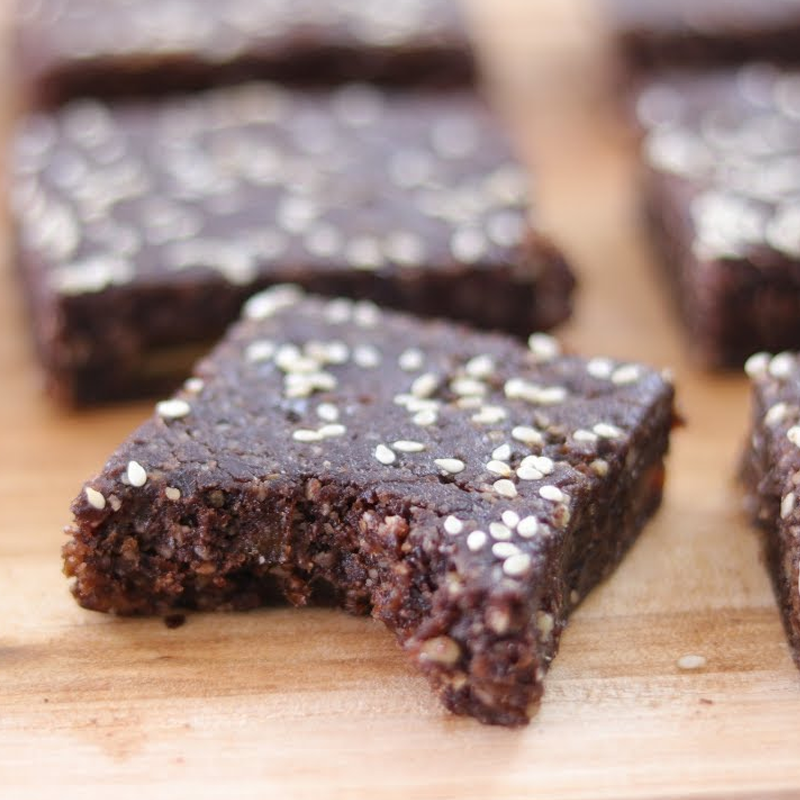
Modern bakeries are increasingly turning to automated solutions to meet growing consumer demand for healthy, convenient snack options. The date bar machine has emerged as a game-changing piece of equipment that transforms traditional bakery operations by streamlining production processes and ensuring consistent quality output. These sophisticated machines enable bakeries to produce large quantities of nutritious date bars while maintaining the artisanal quality that customers expect from premium baked goods.
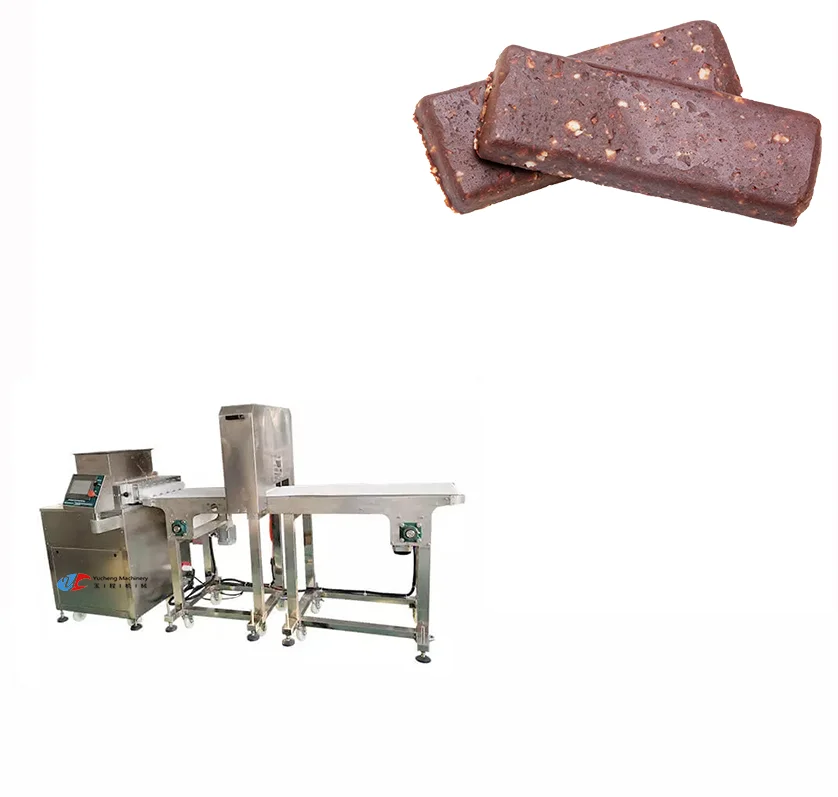
Production Efficiency and Scalability Benefits
Automated Processing Capabilities
The implementation of a date bar machine significantly enhances production efficiency by automating multiple manufacturing steps that traditionally required manual labor. These machines can process dates, nuts, and other ingredients simultaneously while maintaining precise measurements and consistent mixing ratios. The automated nature of the equipment reduces processing time by up to 70% compared to manual production methods, allowing bakeries to increase their daily output without proportionally increasing labor costs.
Advanced date bar machine models feature programmable controls that enable operators to adjust processing parameters based on specific recipe requirements. This flexibility allows bakeries to produce various date bar flavors and formulations without requiring extensive equipment modifications. The consistency achieved through automated processing ensures that each batch meets the same quality standards, reducing product variability and customer complaints.
Scalable Production Volume
Bakeries benefit from the scalable nature of date bar machine technology, which allows them to adjust production volumes based on seasonal demand fluctuations and market opportunities. During peak seasons or special promotions, operators can increase machine runtime to meet higher demand without compromising product quality. The modular design of many date bar machine systems enables bakeries to expand their production capacity by adding additional processing units as their business grows.
The ability to scale production efficiently makes the date bar machine an attractive investment for bakeries planning long-term growth strategies. Small artisanal bakeries can start with entry-level models and upgrade to more sophisticated systems as their customer base expands. This scalability ensures that the initial equipment investment continues to provide value throughout the bakery's development phases.
Quality Control and Product Consistency
Precision Ingredient Management
Modern date bar machine systems incorporate advanced weighing and measuring components that ensure precise ingredient ratios in every batch. This level of accuracy is difficult to achieve through manual production methods, where human error can lead to inconsistent flavor profiles and nutritional content. The machine's ability to maintain exact specifications helps bakeries build customer trust through reliable product quality.
Temperature control features in sophisticated date bar machine models prevent ingredient degradation during processing, preserving the nutritional value and natural flavors of dates, nuts, and other components. Consistent temperature management also ensures proper binding of ingredients, resulting in date bars with optimal texture and shelf life. This technical precision translates to reduced waste and higher customer satisfaction rates.
Standardized Production Processes
The standardization achieved through date bar machine automation eliminates variations that commonly occur in manual production environments. Each product batch follows identical processing steps, timing, and pressure applications, resulting in uniform appearance, texture, and taste characteristics. This consistency is particularly important for bakeries supplying retail chains or food service establishments that require standardized products across multiple locations.
Documentation and traceability features integrated into modern date bar machine systems enable bakeries to maintain detailed production records. These records support quality assurance programs and facilitate rapid response to any quality issues that may arise. The ability to track production parameters and ingredient sources enhances food safety compliance and supports certification requirements for organic or specialty markets.
Labor Cost Optimization and Workforce Management
Reduced Manual Labor Requirements
Implementation of date bar machine technology significantly reduces the manual labor traditionally required for date bar production, allowing bakeries to reallocate human resources to higher-value activities such as product development, customer service, and quality management. The automation of repetitive tasks like mixing, shaping, and cutting eliminates the physical strain on workers while reducing the risk of repetitive stress injuries common in manual food production environments.
Skilled bakers can focus on recipe development and quality oversight rather than performing routine production tasks, enhancing job satisfaction and enabling more creative contributions to the business. The date bar machine handles the physically demanding aspects of production while allowing human expertise to be applied where it adds the most value to the final product and customer experience.
Training and Operational Simplicity
Modern date bar machine systems feature intuitive control interfaces that require minimal training for operators to achieve proficiency. This simplicity reduces the time and cost associated with training new employees and minimizes the impact of staff turnover on production continuity. Clear visual displays and straightforward operating procedures enable bakeries to maintain consistent production standards regardless of which team member operates the equipment.
The reduced complexity of date bar machine operation compared to managing multiple manual processes means that bakeries can cross-train employees more easily, creating operational flexibility and reducing dependence on specialized skills. This operational resilience is particularly valuable for small bakeries where individual employees often perform multiple functions throughout the day.
Economic Advantages and Return on Investment
Cost-Effective Production Economics
The economic benefits of date bar machine implementation extend beyond labor cost savings to include reduced ingredient waste, improved energy efficiency, and enhanced product yield. Automated portion control ensures that ingredients are used optimally, minimizing overage and reducing raw material costs. The precise control systems prevent over-processing or under-processing that can result in product defects and waste.
Energy-efficient designs in contemporary date bar machine models help bakeries reduce utility costs while maintaining optimal production speeds. Variable speed controls allow operators to adjust energy consumption based on production requirements, optimizing operational costs throughout different demand periods. The combination of reduced waste and improved efficiency typically results in payback periods of 12 to 18 months for most bakery operations.
Market Competitiveness and Profit Margins
The ability to produce high-quality date bars efficiently enables bakeries to offer competitive pricing while maintaining healthy profit margins. Date bar machine automation allows businesses to respond quickly to market opportunities and seasonal demand spikes without incurring proportional increases in production costs. This operational agility helps bakeries capture market share in the growing healthy snack segment.
Consistent product quality achieved through date bar machine production supports premium pricing strategies and brand development efforts. Customers develop trust in products that meet their expectations consistently, leading to repeat purchases and positive word-of-mouth marketing. The professional appearance and uniform quality of machine-produced date bars enhance the bakery's reputation and support expansion into new market channels.
Technical Features and Operational Flexibility
Advanced Processing Capabilities
Contemporary date bar machine designs incorporate multiple processing stations that handle ingredient preparation, mixing, forming, and cutting operations in a continuous workflow. Multi-stage processing capabilities enable bakeries to produce complex date bar formulations that include layers, coatings, or embedded ingredients without requiring separate equipment investments. This versatility expands product development possibilities and supports menu diversification strategies.
Programmable recipe storage in advanced date bar machine systems allows bakeries to maintain consistent production of multiple product varieties without manual adjustment between batches. Recipe parameters including processing speeds, temperatures, and timing can be saved and recalled instantly, enabling efficient production scheduling and reducing setup time between different product runs.
Maintenance and Reliability Features
Modern date bar machine construction emphasizes easy maintenance access and component durability to minimize downtime and repair costs. Stainless steel construction and food-grade materials ensure longevity while maintaining sanitary conditions required for food production. Modular component design facilitates rapid replacement of wear parts without requiring extensive disassembly or specialized tools.
Preventive maintenance schedules integrated into date bar machine control systems help operators maintain optimal performance and extend equipment life. Automated alerts and diagnostic features identify potential issues before they result in production interruptions, supporting consistent operation and reducing emergency repair costs. This reliability is crucial for bakeries that depend on consistent production schedules to meet customer commitments.
FAQ
What production capacity can bakeries expect from a date bar machine
Production capacity varies significantly based on the specific date bar machine model and configuration selected. Entry-level systems typically produce 50-100 units per hour, while industrial-grade machines can process 500-1000 date bars hourly. The actual output depends on product size, complexity, and ingredient characteristics, but most bakeries see capacity increases of 300-500% compared to manual production methods.
How difficult is it to clean and maintain a date bar machine
Most modern date bar machine designs prioritize ease of cleaning with removable components and smooth surfaces that facilitate thorough sanitation. Daily cleaning typically requires 30-45 minutes, while weekly deep cleaning may take 2-3 hours depending on the machine complexity. Manufacturers provide detailed maintenance schedules and most routine maintenance tasks can be performed by bakery staff without specialized technical training.
Can a date bar machine handle different ingredient types and formulations
Yes, quality date bar machine systems are designed to accommodate various ingredient types including different date varieties, nuts, seeds, dried fruits, and binding agents. Adjustable processing parameters allow operators to modify mixing intensity, processing time, and forming pressure to suit different recipe requirements. Many machines can switch between formulations with minimal setup time, supporting diverse product offerings within the same production facility.
What is the typical return on investment timeline for bakeries purchasing a date bar machine
Most bakeries experience positive return on investment within 12-24 months of date bar machine installation, depending on production volume and labor cost savings achieved. Factors influencing ROI include current manual production costs, target production volume, local labor rates, and product pricing strategies. Higher-volume operations typically see faster payback periods due to greater labor savings and improved production efficiency gains.


