 EN
EN

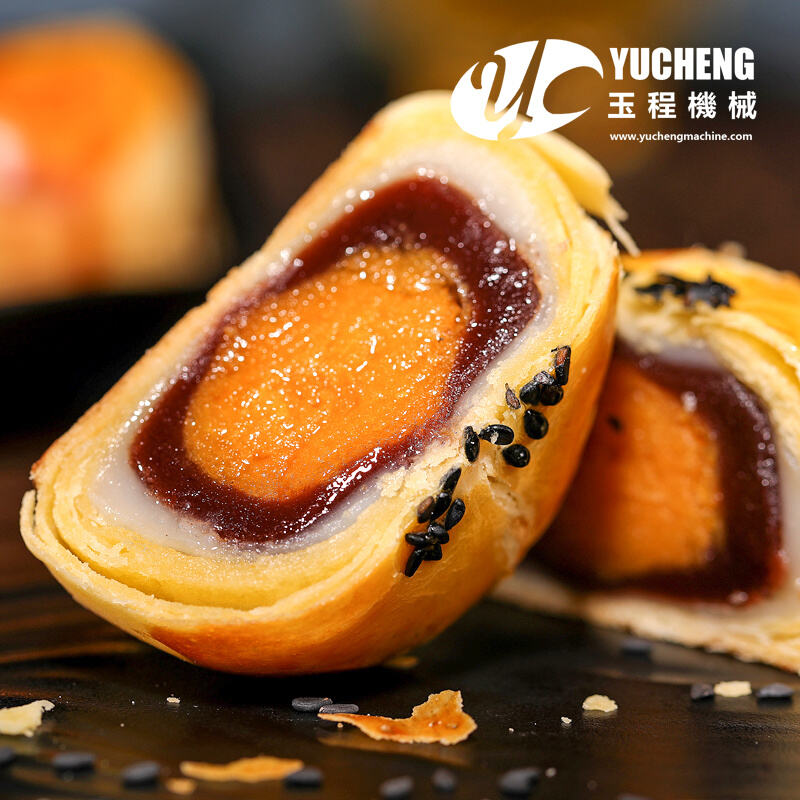
In today's competitive bakery industry, efficiency and consistency remain paramount to success. Many pastry shops and commercial bakeries are transitioning from traditional manual methods to automated solutions, recognizing the substantial benefits that modern technology brings to pastry production. A commercial pastry making machine represents more than just equipment; it embodies the evolution of baking practices toward greater precision, increased output, and enhanced profitability. The decision between manual pastry preparation and machine-assisted production significantly impacts operational costs, product quality, and business scalability.
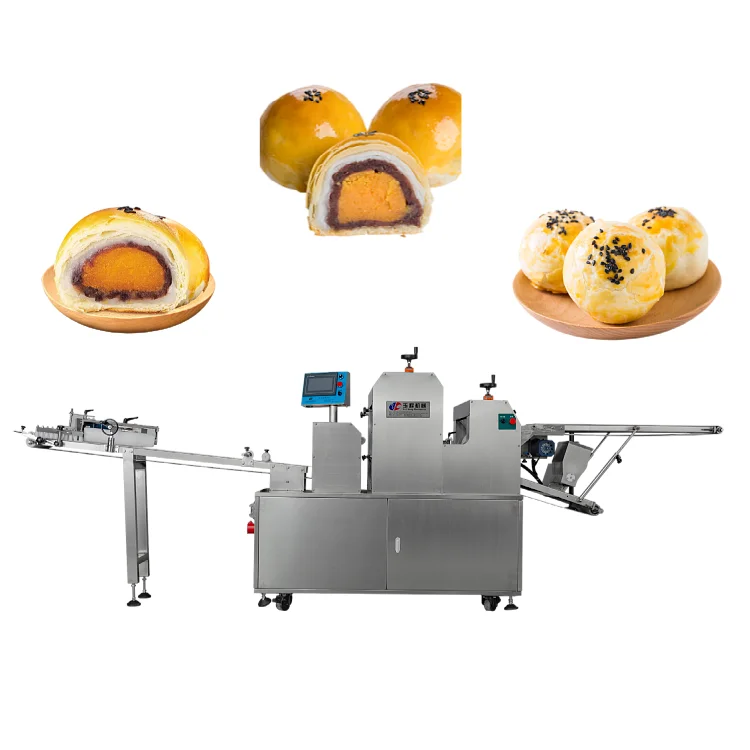
Understanding the fundamental differences between manual and automated pastry production helps business owners make informed decisions about their operations. Manual pastry making requires skilled labor, extensive training, and considerable time investment for each batch. Conversely, automated pastry making solutions streamline production processes while maintaining consistent quality standards. The investment in commercial pastry equipment often pays dividends through reduced labor costs, increased production capacity, and improved product uniformity. Modern pastry making machines incorporate advanced features that address common challenges faced in traditional baking environments.
Production Efficiency and Output Capacity
Time Optimization in Commercial Settings
Commercial pastry making machine technology revolutionizes production timelines by automating repetitive tasks that traditionally consume hours of manual labor. Professional bakers can produce multiple batches simultaneously, significantly reducing preparation time while maintaining quality standards. The automated mixing, shaping, and portioning capabilities of modern equipment allow bakeries to meet high-demand periods without compromising product consistency. Time efficiency translates directly into increased revenue potential and customer satisfaction through reliable delivery schedules.
Advanced pastry making systems incorporate programmable settings that optimize production cycles based on specific recipe requirements. Operators can adjust parameters such as mixing speed, temperature control, and processing duration to achieve desired results consistently. This level of control eliminates guesswork and reduces waste associated with trial-and-error approaches common in manual production. The predictable nature of machine-assisted production enables better inventory planning and resource allocation across bakery operations.
Scalability for Growing Businesses
Scalability represents one of the most compelling advantages of investing in commercial pastry making equipment. Manual production methods inherently limit output capacity based on available skilled labor and working hours. A well-designed pastry making machine enables businesses to scale production without proportionally increasing labor costs or floor space requirements. This scalability advantage becomes crucial as bakeries expand their customer base or enter new market segments.
The modular design of contemporary pastry making systems allows for incremental capacity increases as business needs evolve. Operators can upgrade components or add auxiliary equipment to existing setups without completely overhauling their production infrastructure. This flexibility provides growing businesses with cost-effective expansion options while preserving their initial equipment investment. Strategic planning around machine capabilities supports sustainable growth trajectories in competitive markets.
Quality Consistency and Product Standardization
Uniform Product Characteristics
Achieving consistent product quality represents a fundamental challenge in manual pastry production, where human variables inevitably introduce variations in texture, size, and appearance. Commercial pastry making machines eliminate many of these inconsistencies through precise control over mixing ratios, processing temperatures, and shaping parameters. Customers expect reliable product characteristics with each purchase, and automated systems deliver this consistency more effectively than manual methods.
The standardization capabilities of modern pastry making equipment extend beyond basic product dimensions to include complex factors such as dough elasticity, moisture content, and structural integrity. Sensors and monitoring systems continuously adjust processing parameters to maintain optimal conditions throughout production cycles. This level of precision ensures that each pastry meets predetermined quality specifications, reducing customer complaints and building brand reputation for reliability.
Reduced Human Error Factors
Human error in pastry production can manifest through ingredient measurement mistakes, timing inconsistencies, and technique variations among different operators. A sophisticated pastry making machine minimizes these error sources through automated ingredient dispensing, precise timing controls, and standardized processing procedures. The reduction in human variability directly correlates with improved product quality and reduced waste generation.
Training requirements for machine operators typically involve understanding equipment functions and safety procedures rather than developing complex manual skills. This standardized approach to training reduces the learning curve for new employees and ensures consistent operational practices across different shifts. The simplified training requirements also reduce labor turnover costs and maintain production continuity during staff transitions.
Economic Advantages and Return on Investment
Labor Cost Reduction
Labor costs represent a significant portion of operating expenses in traditional pastry production environments. Skilled pastry chefs command premium wages, and finding qualified personnel becomes increasingly challenging in competitive job markets. Commercial pastry making equipment reduces dependency on specialized labor by automating complex processes that traditionally require years of training to master. The resulting labor cost savings often justify equipment investments within relatively short payback periods.
Beyond direct wage savings, automated pastry production reduces associated labor costs such as benefits, training expenses, and productivity losses due to employee turnover. A reliable pastry making machine operates consistently regardless of holidays, sick days, or staffing challenges that commonly disrupt manual production schedules. This operational reliability provides business owners with greater control over production costs and scheduling flexibility.
Waste Reduction and Resource Optimization
Material waste in manual pastry production often results from inconsistent portioning, overworking dough, or failed batches due to timing or technique errors. Modern pastry making machines incorporate precise measuring systems and optimized processing cycles that minimize ingredient waste while maximizing yield from raw materials. The reduction in waste directly improves profit margins and supports sustainable business practices.
Resource optimization extends beyond ingredient conservation to include energy efficiency and space utilization. Contemporary pastry making equipment designs prioritize energy efficiency through improved insulation, optimized heating systems, and intelligent power management. The compact footprint of modern machines allows bakeries to maximize production capacity within limited floor space, reducing facility costs and improving workflow efficiency.
Technology Integration and Advanced Features
Automation and Control Systems
Modern pastry making machine systems incorporate sophisticated control interfaces that simplify operation while providing comprehensive process monitoring capabilities. Touch-screen controls, programmable recipes, and automated adjustments reduce the complexity of producing various pastry types within a single system. These technological advances enable operators to switch between different products efficiently without extensive setup time or specialized knowledge.
Integration capabilities with existing bakery management systems streamline production planning and inventory control. Advanced pastry making equipment can communicate with ordering systems, inventory databases, and quality control platforms to optimize production schedules and resource allocation. This connectivity supports data-driven decision making and improves overall operational efficiency across bakery operations.
Maintenance and Reliability Features
Reliability represents a critical factor in commercial pastry production, where equipment failures can disrupt delivery schedules and customer commitments. Professional-grade pastry making machines incorporate robust components and predictive maintenance features that minimize unplanned downtime. Regular maintenance requirements are typically straightforward and can be performed by trained operators rather than specialized technicians.
Self-diagnostic capabilities in contemporary pastry making systems identify potential issues before they cause production interruptions. Alert systems notify operators of maintenance requirements, performance anomalies, or component wear patterns that require attention. This proactive approach to maintenance management reduces repair costs and extends equipment lifespan while maintaining consistent production capabilities.
Health and Safety Considerations
Food Safety Standards Compliance
Food safety regulations in commercial pastry production require strict adherence to hygiene standards, temperature control, and contamination prevention measures. Commercial pastry making machines are designed with food safety compliance in mind, incorporating features such as easy-clean surfaces, enclosed processing chambers, and automated sanitization cycles. These design elements reduce the risk of foodborne illness and support compliance with health department regulations.
Temperature monitoring and control systems in modern pastry making equipment ensure that products remain within safe temperature ranges throughout processing. Automated documentation features create detailed production records that support traceability requirements and regulatory compliance audits. This level of documentation would be difficult to maintain consistently in manual production environments.
Workplace Safety Improvements
Manual pastry production involves repetitive motions, heavy lifting, and exposure to hot surfaces that can contribute to workplace injuries. Automated pastry making machine operation reduces these physical demands on workers while incorporating safety features such as emergency stops, protective guards, and lockout systems. The improved workplace safety associated with machine operation reduces insurance costs and liability exposure for business owners.
Ergonomic design considerations in modern pastry making equipment minimize operator fatigue and reduce the risk of repetitive stress injuries. Adjustable working heights, intuitive controls, and automated material handling systems create more comfortable working environments while maintaining high productivity levels. These safety improvements contribute to employee satisfaction and retention in competitive labor markets.
FAQ
What is the typical payback period for a commercial pastry making machine investment
The payback period for a commercial pastry making machine typically ranges from 18 to 36 months, depending on production volume, labor cost savings, and equipment specifications. Higher-volume operations generally experience shorter payback periods due to greater labor cost reductions and increased production efficiency. Factors such as product mix, local labor rates, and operational hours significantly influence the return on investment timeline for pastry making equipment.
How much space does a commercial pastry making machine require
Space requirements for commercial pastry making machines vary considerably based on production capacity and model specifications. Compact units designed for smaller operations may require as little as 10-15 square feet, while larger industrial systems might need 50-100 square feet including workspace and maintenance access. Most modern pastry making machines are designed with vertical space efficiency in mind to maximize production capacity within limited floor areas.
What level of operator training is required for pastry making machine operation
Operator training for modern pastry making machines typically requires 2-5 days of initial instruction followed by ongoing practice and familiarization. The training focuses on equipment operation, safety procedures, basic maintenance tasks, and troubleshooting common issues. Unlike manual pastry production, machine operation does not require extensive culinary training or years of experience to achieve consistent results.
Can pastry making machines handle different types of pastry recipes
Contemporary pastry making machines offer remarkable versatility in handling various pastry types through programmable settings and adjustable processing parameters. Most commercial systems can accommodate different dough consistencies, shaping requirements, and production volumes through recipe programming and equipment adjustments. Advanced models include preset programs for common pastry varieties while allowing custom recipe development for specialized products.


