 EN
EN

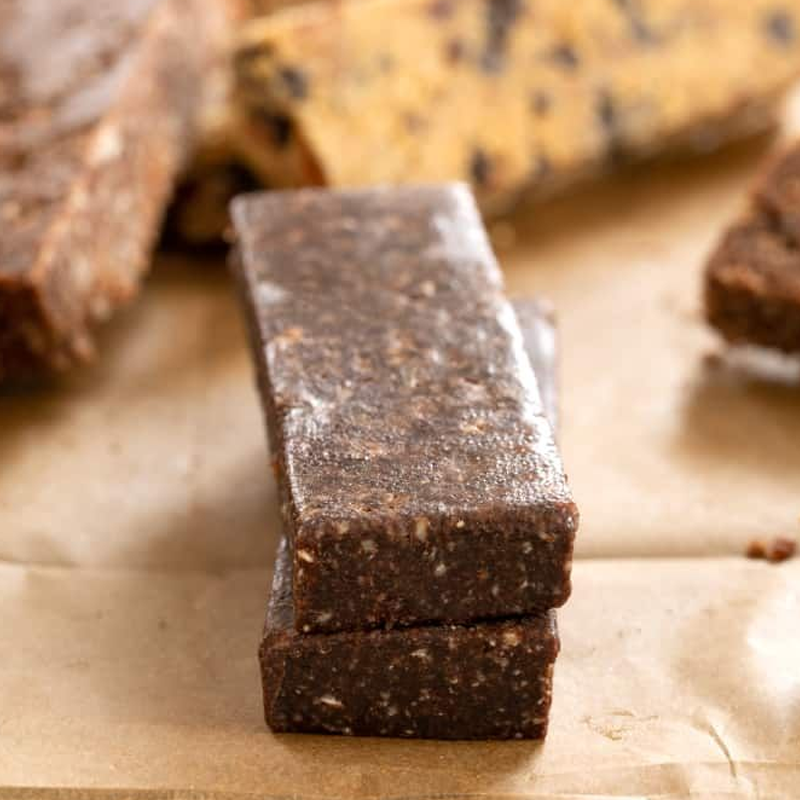
Selecting the appropriate date bar machine for your production facility requires careful evaluation of multiple technical and operational factors that directly impact manufacturing efficiency and product quality. Modern food processing facilities demand equipment that combines reliability, scalability, and precision to meet growing market demands for nutritious snack products. The complexity of date bar production involves ingredient mixing, forming, cutting, and packaging processes that must operate seamlessly to maintain consistent output quality. Understanding the specific requirements of your production environment enables informed decision-making when investing in automated manufacturing solutions.
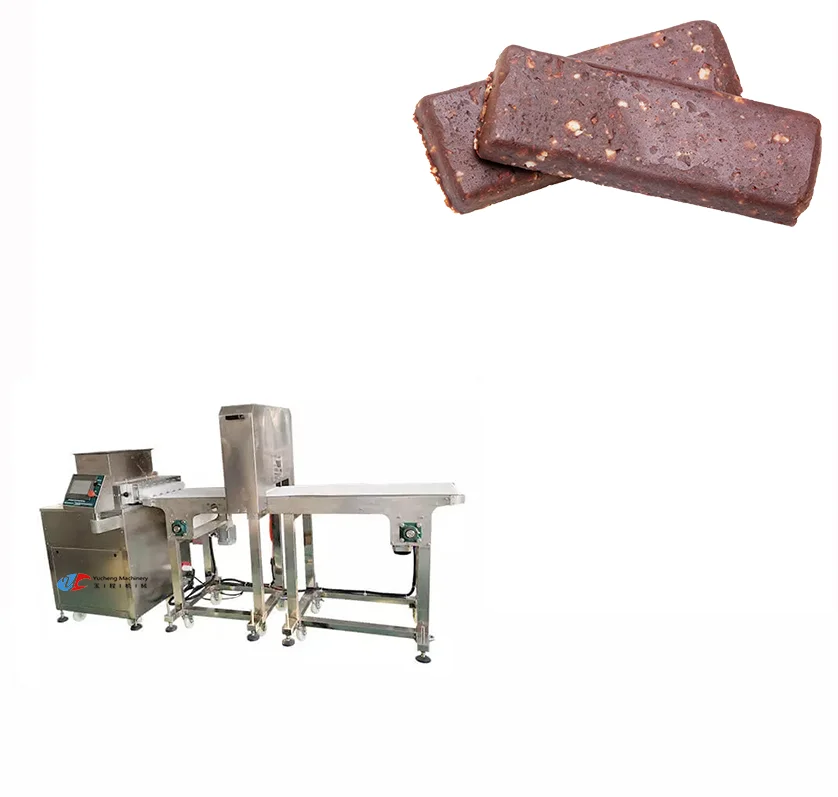
Production Capacity and Output Requirements
Determining Daily Production Volumes
Manufacturing facilities must establish clear production targets before selecting a date bar machine that aligns with operational goals and market demand projections. Small-scale operations typically require machines capable of producing 200-500 bars per hour, while large commercial facilities may need equipment handling 2000-5000 units hourly. Production capacity calculations should account for peak demand periods, seasonal fluctuations, and future expansion plans to ensure selected equipment remains viable long-term. Accurate forecasting prevents both under-investment in insufficient capacity and over-investment in excessive machinery that operates below optimal efficiency levels.
Batch Size Flexibility and Scalability
Modern date bar machine designs incorporate adjustable batch processing capabilities that accommodate varying production requirements without compromising operational efficiency. Flexible batch sizing enables manufacturers to produce different product variations, test market recipes, and respond quickly to changing consumer preferences. Scalable systems allow gradual capacity increases through modular additions rather than complete equipment replacement, providing cost-effective growth pathways for expanding businesses. Equipment with programmable batch controls offers precise ingredient rationing and consistent product specifications across different production runs.
Technical Specifications and Performance Features
Mixing and Blending Capabilities
The mixing system represents a critical component of any date bar machine, requiring thorough evaluation of blending uniformity, processing time, and ingredient compatibility features. High-quality mixing mechanisms ensure even distribution of dates, nuts, seeds, and binding agents while maintaining ingredient integrity throughout the blending process. Variable speed controls allow operators to optimize mixing parameters for different recipe formulations, preventing over-processing that could damage delicate ingredients or under-mixing that creates inconsistent texture. Stainless steel construction and easy-clean designs facilitate maintenance while meeting food safety regulations and hygiene standards.
Forming and Shaping Precision
Precision forming mechanisms determine the final appearance, weight consistency, and structural integrity of finished date bars, making this feature essential for product quality control. Advanced date bar machine models incorporate servo-driven forming systems that deliver repeatable dimensional accuracy and uniform product density across entire production batches. Adjustable forming parameters enable manufacturers to create various bar sizes, thicknesses, and shapes without extensive equipment modifications or lengthy changeover procedures. Temperature-controlled forming surfaces prevent ingredient sticking while maintaining optimal processing conditions for different formulation types.
Material Construction and Durability Standards
Food-Grade Materials and Safety Compliance
Food processing equipment must utilize materials that meet strict safety regulations while withstanding demanding production environments and frequent cleaning cycles. Stainless steel construction provides superior corrosion resistance, easy sanitization, and long-term durability essential for commercial food manufacturing applications. Non-toxic seals, gaskets, and contact surfaces ensure product safety while meeting FDA, USDA, and international food safety standards required for commercial operations. Proper material selection prevents contamination risks and extends equipment lifespan, reducing total cost of ownership over the machine's operational life.
Structural Integrity and Maintenance Requirements
Robust construction ensures reliable operation under continuous production demands while minimizing unplanned downtime and maintenance costs that impact profitability. Heavy-duty frame designs provide stable operation during high-speed processing while reducing vibration and noise levels in production facilities. Accessible maintenance points and modular component designs facilitate routine servicing and parts replacement without extensive equipment disassembly. Quality construction translates to lower operating costs through reduced repair frequency and extended service intervals between major maintenance procedures.
Automation Levels and Control Systems
Programmable Logic Controllers and User Interfaces
Modern date bar machine systems incorporate sophisticated control technologies that streamline operation while providing comprehensive monitoring and adjustment capabilities for production optimization. Intuitive touchscreen interfaces enable operators to program recipes, monitor production parameters, and make real-time adjustments without extensive technical training. Data logging capabilities track production metrics, ingredient usage, and equipment performance trends that support quality control and operational efficiency initiatives. Remote monitoring options allow supervisors to oversee multiple production lines and receive alerts about potential issues before they impact production schedules.
Integration with Existing Production Lines
Seamless integration capabilities ensure new date bar machine installations work harmoniously with existing packaging, labeling, and quality control systems without requiring extensive facility modifications. Standardized communication protocols enable data sharing between production equipment and enterprise management systems for comprehensive production tracking. Conveyor compatibility and adjustable discharge heights facilitate smooth product transfer to downstream processing equipment without manual intervention. Synchronized operation with packaging machinery maximizes overall line efficiency while minimizing product handling and potential contamination risks.
Energy Efficiency and Operating Costs
Power Consumption and Utility Requirements
Energy-efficient date bar machine designs significantly impact long-term operating costs while supporting sustainability initiatives and reducing environmental footprint in manufacturing facilities. Variable frequency drives and energy-optimized motors reduce power consumption during idle periods and adjust energy usage based on actual production demands. Proper sizing of electrical requirements prevents over-specification that increases installation costs while ensuring adequate power availability for peak production periods. Heat recovery systems capture waste thermal energy for facility heating or other processes, improving overall energy utilization efficiency.
Maintenance Cost Projections and Service Support
Comprehensive evaluation of maintenance requirements and service support availability helps establish accurate total cost of ownership calculations for equipment investment decisions. Preventive maintenance schedules and spare parts availability directly impact equipment uptime and production reliability over the machine's operational lifespan. Local service support reduces response times and travel costs for technical assistance while ensuring rapid resolution of operational issues. Training programs for maintenance personnel improve in-house troubleshooting capabilities and reduce dependence on external service providers for routine maintenance tasks.
Customization Options and Recipe Flexibility
Multi-Product Manufacturing Capabilities
Versatile date bar machine configurations enable manufacturers to produce diverse product lines using the same equipment platform, maximizing return on investment and facility utilization. Quick-change tooling systems allow rapid transitions between different bar sizes, shapes, and formulations without extensive setup procedures or production delays. Recipe storage capabilities maintain consistent processing parameters for multiple product variations while ensuring repeatable quality standards across different production runs. Flexible ingredient feeding systems accommodate various raw material types, particle sizes, and moisture contents without compromising processing efficiency.
Special Dietary and Nutritional Requirements
Growing consumer demand for specialized dietary products requires date bar machine capabilities that accommodate gluten-free, organic, vegan, and other specific nutritional formulations without cross-contamination risks. Dedicated processing chambers and cleaning protocols ensure product integrity for allergen-sensitive formulations while maintaining production efficiency. Temperature control systems preserve nutritional content and prevent degradation of sensitive vitamins, minerals, and natural compounds during processing. Gentle handling mechanisms maintain the texture and appearance of premium ingredients like whole nuts, seeds, and dried fruits that command higher market prices.
Quality Control and Testing Features
In-Line Monitoring and Detection Systems
Advanced quality control features built into modern date bar machine designs provide real-time monitoring of critical parameters that ensure consistent product quality and regulatory compliance. Weight checking systems verify individual bar specifications and automatically reject products outside acceptable tolerances, preventing customer complaints and maintaining brand reputation. Metal detection capabilities identify foreign objects that could pose safety risks while protecting downstream equipment from damage. Vision inspection systems evaluate surface appearance, dimensions, and packaging integrity to maintain premium product presentation standards.
Documentation and Traceability Requirements
Comprehensive record-keeping capabilities support regulatory compliance while providing detailed production data for quality management and process improvement initiatives. Batch tracking systems maintain ingredient traceability from raw material receipt through finished product distribution, enabling rapid response to quality issues or recall situations. Production reports document processing parameters, yields, and quality metrics that support continuous improvement efforts and operational optimization. Integration with enterprise resource planning systems ensures seamless data flow for inventory management, cost accounting, and production planning functions.
FAQ
What production capacity should I choose for my date bar machine
Production capacity selection depends on your current market demand, future growth projections, and available production time slots in your facility. Small operations typically benefit from machines producing 300-800 bars per hour, while commercial manufacturers often require 1500-4000 bars hourly. Consider peak demand periods and allow 20-30% capacity buffer for growth and equipment maintenance scheduling.
How important is stainless steel construction in date bar machines
Stainless steel construction is essential for food safety compliance, equipment longevity, and easy cleaning maintenance in commercial food production environments. Food-grade stainless steel prevents corrosion, resists bacterial growth, and withstands frequent sanitization cycles required by health regulations. This material choice significantly impacts long-term operating costs and regulatory compliance capabilities.
Can date bar machines handle different recipe formulations
Modern date bar machine designs offer extensive recipe flexibility through programmable controls and adjustable processing parameters. Most quality machines accommodate various ingredient types, moisture contents, and binding agents while maintaining consistent output quality. Recipe storage capabilities allow quick changeovers between different product formulations without extensive equipment reconfiguration.
What maintenance requirements should I expect with industrial date bar machines
Typical maintenance includes daily cleaning and sanitization, weekly lubrication of moving parts, monthly inspection of wear components, and quarterly comprehensive system checks. Quality machines require 2-4 hours weekly maintenance time and annual professional servicing. Proper maintenance scheduling prevents costly breakdowns and ensures consistent production quality throughout the equipment's operational lifespan.
Table of Contents
- Production Capacity and Output Requirements
- Technical Specifications and Performance Features
- Material Construction and Durability Standards
- Automation Levels and Control Systems
- Energy Efficiency and Operating Costs
- Customization Options and Recipe Flexibility
- Quality Control and Testing Features
- FAQ


