 EN
EN

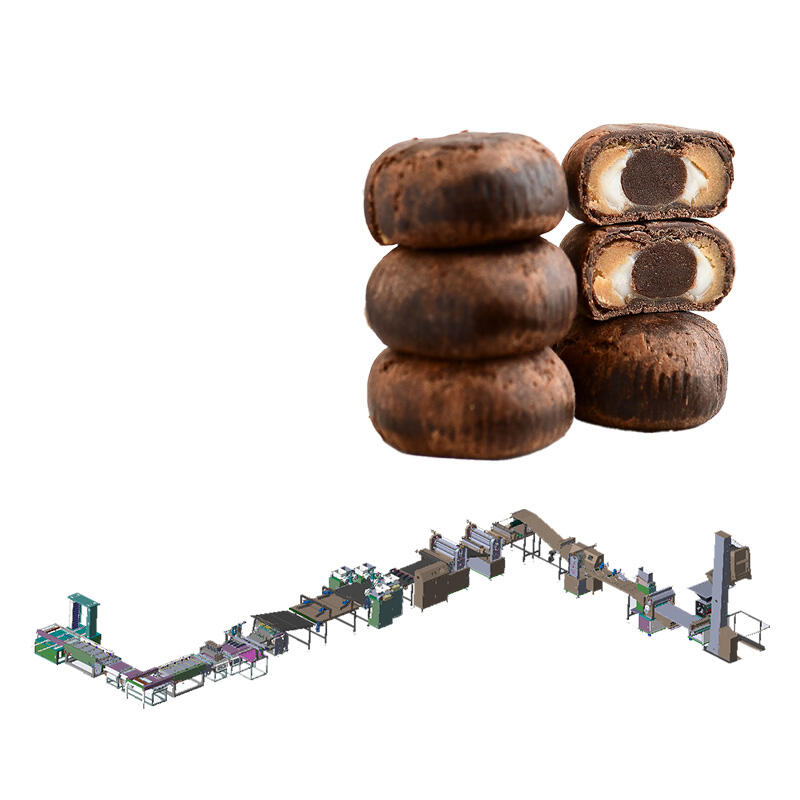
Modern bakeries and food production facilities increasingly rely on advanced automation to meet growing consumer demand for high-quality pastries. The contemporary pastry making machine represents a significant evolution from traditional hand-crafted methods, incorporating sophisticated engineering to streamline production while maintaining consistency and quality. These automated systems have revolutionized the baking industry by enabling precise control over ingredients, mixing ratios, and forming processes. Understanding how a pastry making machine operates in 2025 requires examining both its mechanical components and the technological innovations that drive its efficiency. The integration of digital controls, precision sensors, and automated feeding systems has transformed pastry production into a highly controlled and repeatable process.
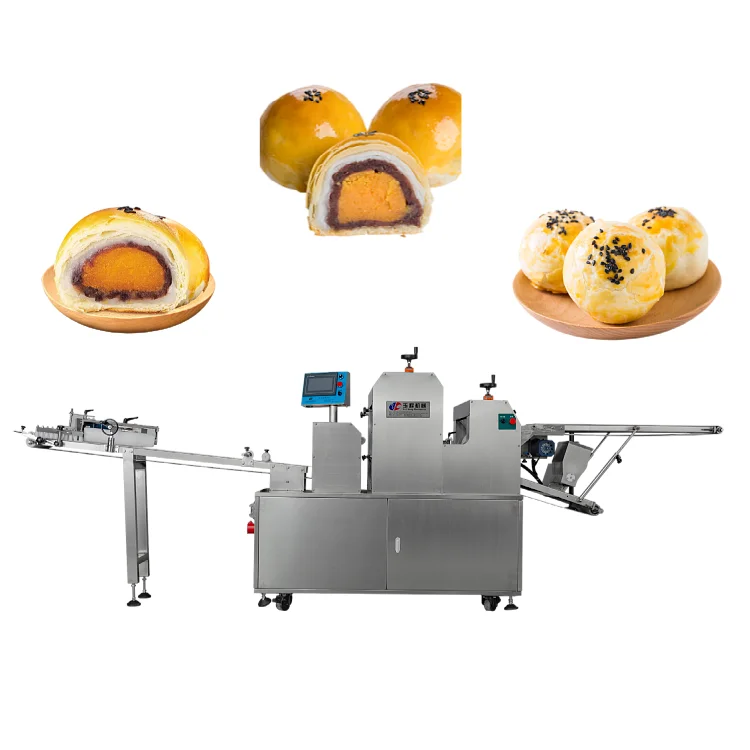
Core Components and Mechanical Systems
Ingredient Feeding and Dosing Mechanisms
The foundation of any modern pastry making machine begins with its ingredient handling system. These machines feature multiple hoppers and dispensing units designed to accurately measure flour, butter, sugar, and other essential components. Precision scales integrated into the feeding mechanism ensure consistent ratios, while automated conveying systems transport ingredients to mixing chambers without manual intervention. The dosing accuracy has improved dramatically in recent years, with many systems achieving measurement precision within 0.1% variance.
Advanced pastry making machine models incorporate separate channels for wet and dry ingredients, preventing premature mixing and maintaining optimal texture development. Temperature-controlled ingredient storage compartments preserve ingredient quality while waiting for processing. The automated feeding system reduces labor costs and minimizes contamination risks associated with manual handling. Multiple recipe storage capabilities allow operators to switch between different pastry types without extensive reconfiguration time.
Mixing and Dough Development Technology
The mixing stage represents the heart of pastry production, where ingredients transform into workable dough through controlled mechanical action. Modern mixing bowls feature variable speed controls and programmable mixing cycles optimized for different pastry types. The mixing blades or hooks are engineered with specific geometries to achieve proper gluten development while avoiding overworking the dough. Temperature monitoring during mixing prevents heat buildup that could compromise dough quality.
Sophisticated pastry making machine designs incorporate multiple mixing stages, allowing for lamination processes essential in croissant and puff pastry production. The ability to add ingredients at predetermined intervals during mixing creates opportunities for complex flavor profiles and texture variations. Vacuum mixing capabilities in premium models remove air bubbles, resulting in denser, more uniform pastry structures. The mixing chamber cleaning systems ensure sanitary conditions between batches without extensive manual cleaning procedures.
Forming and Shaping Operations
Automated Dough Portioning
Once mixing is complete, the pastry making machine transitions to portioning operations that divide the dough into precise weights for individual pastries. Pneumatic or hydraulic systems provide the force necessary to extrude dough through calibrated openings. Weight sensors continuously monitor portion sizes, automatically adjusting extrusion pressure to maintain consistency. This automated portioning eliminates the variability inherent in manual dough division while significantly increasing production speed.
The portioning system adapts to different dough consistencies through adjustable pressure settings and interchangeable cutting mechanisms. Some advanced models incorporate vision systems that verify portion uniformity and reject pieces outside acceptable tolerances. The conveying system that moves portioned dough to the next processing stage maintains proper spacing and orientation for subsequent forming operations. Minimal dough handling during portioning preserves texture and prevents degradation from excessive manipulation.
Shaping and Molding Processes
The forming section of a pastry making machine employs various mechanical approaches to create the desired pastry shapes and sizes. Rolling mechanisms with adjustable thickness settings flatten dough to precise dimensions required for different products. Cutting systems utilize sharp blades or stamping dies to create specific shapes while minimizing waste from irregular edges. The forming tools are designed for easy changeover, allowing the same machine to produce multiple pastry varieties throughout a production shift.
Specialized forming attachments enable the production of filled pastries, with injection systems that deposit precise amounts of jam, cream, or other fillings. The pastry making machine coordinates filling injection with dough forming to ensure proper encapsulation without leakage. Multi-layer pastry production requires sophisticated laminating equipment that alternates dough and fat layers with mathematical precision. The final shaping operations may include crimping, sealing, or surface texturing to enhance both appearance and functionality.
Control Systems and Automation Technology
Digital Interface and Programming
Contemporary pastry making machine designs feature intuitive touchscreen interfaces that simplify operation while providing comprehensive control over all processing parameters. The human-machine interface displays real-time production data, ingredient levels, and system status information. Recipe management systems store hundreds of formulations with automated recall capabilities, eliminating manual setup procedures and reducing operator error potential. Production scheduling features coordinate multiple batches and optimize machine utilization throughout operating shifts.
Advanced programming capabilities enable remote monitoring and control through internet connectivity, allowing supervisors to oversee multiple production lines from centralized locations. Data logging functions record all processing parameters for quality assurance and troubleshooting purposes. The system generates production reports that track efficiency metrics, ingredient consumption, and maintenance requirements. Integration with enterprise resource planning systems provides seamless coordination between production planning and manufacturing execution.
Quality Control and Monitoring Systems
Modern pastry making machine installations incorporate multiple sensors and monitoring devices to ensure consistent product quality throughout the production process. Temperature sensors track ingredient and processing conditions to maintain optimal parameters for different pastry types. Weight monitoring systems verify portion accuracy and alert operators to deviations that require attention. Vision inspection systems examine formed pastries for defects, automatically rejecting products that fail to meet quality standards.
The integrated quality control system maintains statistical process control charts that identify trends and potential issues before they impact product quality. Moisture content sensors ensure proper dough hydration levels, while texture analysis equipment evaluates consistency characteristics. Automated sampling systems collect representative products for laboratory testing, maintaining traceability throughout the production chain. These monitoring capabilities enable proactive adjustments that maintain quality while maximizing production efficiency.
Production Efficiency and Performance Optimization
Throughput Capabilities and Speed Control
The production capacity of a modern pastry making machine varies significantly based on product complexity and size requirements, but most commercial units achieve output rates between 1000 and 5000 pieces per hour. Variable speed controls allow operators to optimize production rates for specific products while maintaining quality standards. The machine design minimizes changeover time between different pastry types, maximizing productive operating hours. Continuous operation capabilities enable 24-hour production schedules in high-demand facilities.
Energy efficiency considerations have become increasingly important in pastry making machine design, with manufacturers implementing servo motor drives and optimized heating systems to reduce power consumption. The modular design approach allows facilities to scale production capacity by adding processing modules without replacing entire systems. Predictive maintenance systems monitor component wear and performance to schedule maintenance activities during planned downtime rather than responding to unexpected failures. These efficiency improvements directly impact profitability while reducing environmental footprint.
Maintenance and Sanitation Features
Hygiene requirements in food processing demand that pastry making machine designs facilitate thorough cleaning and sanitization procedures. Quick-disconnect fittings and removable components enable rapid disassembly for cleaning access to all product contact surfaces. Stainless steel construction throughout food contact areas provides corrosion resistance and easy cleaning properties. The machine frame design eliminates areas where food particles could accumulate and create contamination risks.
Automated cleaning-in-place systems reduce manual cleaning labor while ensuring consistent sanitation results. These systems circulate cleaning solutions through all product pathways, followed by sanitizing rinses that prepare the equipment for the next production run. Maintenance access panels provide technicians with convenient access to mechanical components without compromising food safety barriers. Documentation systems track cleaning cycles and maintenance activities to satisfy regulatory compliance requirements.
Advanced Features and Future Technologies
Artificial Intelligence and Machine Learning Integration
The latest generation of pastry making machine technology incorporates artificial intelligence algorithms that continuously optimize processing parameters based on ingredient variations and environmental conditions. Machine learning systems analyze production data to identify patterns that predict optimal mixing times, forming pressures, and other critical variables. These intelligent systems adapt automatically to changes in flour protein content, ambient humidity, and other factors that affect pastry quality.
Predictive analytics capabilities forecast maintenance needs and potential quality issues before they occur, enabling proactive interventions that prevent production disruptions. The AI system learns from operator adjustments and successful production runs to refine its recommendations over time. Integration with supply chain management systems enables the pastry making machine to adjust recipes based on available ingredients, maximizing flexibility while maintaining product standards. Voice recognition interfaces allow hands-free operation in environments where manual controls are impractical.
Sustainability and Environmental Considerations
Environmental sustainability has become a crucial factor in pastry making machine design, with manufacturers implementing features that reduce waste, energy consumption, and water usage. Precision ingredient dosing systems minimize raw material waste, while dough recycling capabilities reprocess trim and rejected pieces back into production. Heat recovery systems capture waste heat from ovens and other processes to preheat ingredients or facility spaces. Water recycling systems treat and reuse cleaning water to reduce overall consumption.
The pastry making machine incorporates biodegradable lubricants and food-grade materials that minimize environmental impact throughout the equipment lifecycle. Modular construction enables component replacement and upgrading rather than complete machine replacement, extending useful life and reducing disposal requirements. Energy monitoring systems provide detailed consumption data that helps facilities identify opportunities for further efficiency improvements. These sustainability features appeal to environmentally conscious consumers while reducing operating costs for manufacturers.
Frequently Asked Questions
What types of pastries can a modern pastry making machine produce
Modern pastry making machine systems can produce a wide variety of baked goods including croissants, puff pastries, Danish pastries, pie crusts, tart shells, empanadas, and filled pastries. The versatility comes from interchangeable forming tools, adjustable processing parameters, and programmable recipes that accommodate different dough types and shaping requirements. Most commercial units can switch between products with minimal changeover time, making them suitable for facilities that produce multiple pastry varieties throughout their operating schedule.
How long does it take to train operators on pastry making machine operation
Operator training typically requires 2-3 days for basic operation and an additional week for advanced troubleshooting and maintenance procedures. The intuitive touchscreen interfaces and automated features significantly reduce the learning curve compared to traditional manual pastry production methods. Most manufacturers provide comprehensive training programs that include both classroom instruction and hands-on practice with actual production scenarios. Ongoing training updates help operators stay current with software upgrades and new feature implementations.
What maintenance is required for optimal pastry making machine performance
Regular maintenance includes daily cleaning and sanitization, weekly lubrication of mechanical components, and monthly calibration of weighing and dosing systems. More extensive maintenance such as belt replacement, motor service, and major component overhauls typically occurs every 6-12 months depending on production volume. The pastry making machine monitoring systems provide alerts when specific maintenance tasks are due, helping facilities maintain optimal performance while avoiding unexpected downtime. Preventive maintenance programs significantly extend equipment life and reduce total operating costs.
How does ingredient quality affect pastry making machine operation
Ingredient consistency directly impacts pastry making machine performance, with variations in flour protein content, fat composition, and moisture levels requiring processing parameter adjustments. High-quality ingredients with consistent specifications enable more stable operation and better product uniformity. The advanced control systems can compensate for minor ingredient variations, but significant changes may require recipe modifications or manual intervention. Many facilities implement ingredient testing protocols to ensure compatibility with their pastry making machine specifications before use in production.


