 EN
EN

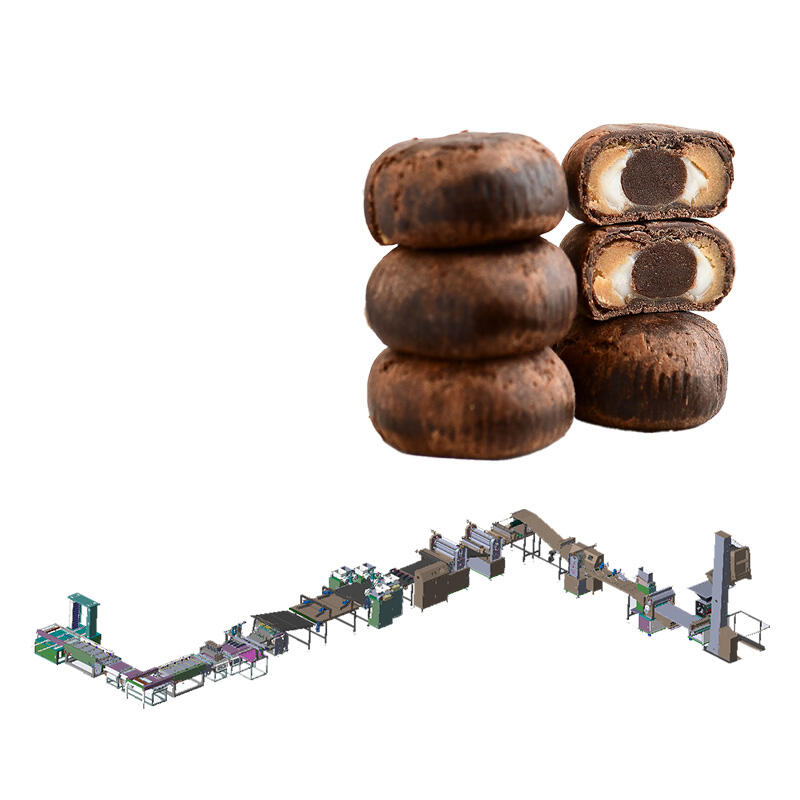
Small bakeries face unique challenges when selecting equipment that balances functionality, space efficiency, and budget constraints. A pastry making machine represents a significant investment that can transform production capabilities and streamline operations for artisan bakers and commercial establishments alike. Understanding the specific requirements of your bakery operation helps determine which pastry making machine configuration will deliver optimal performance while maintaining the quality standards your customers expect.
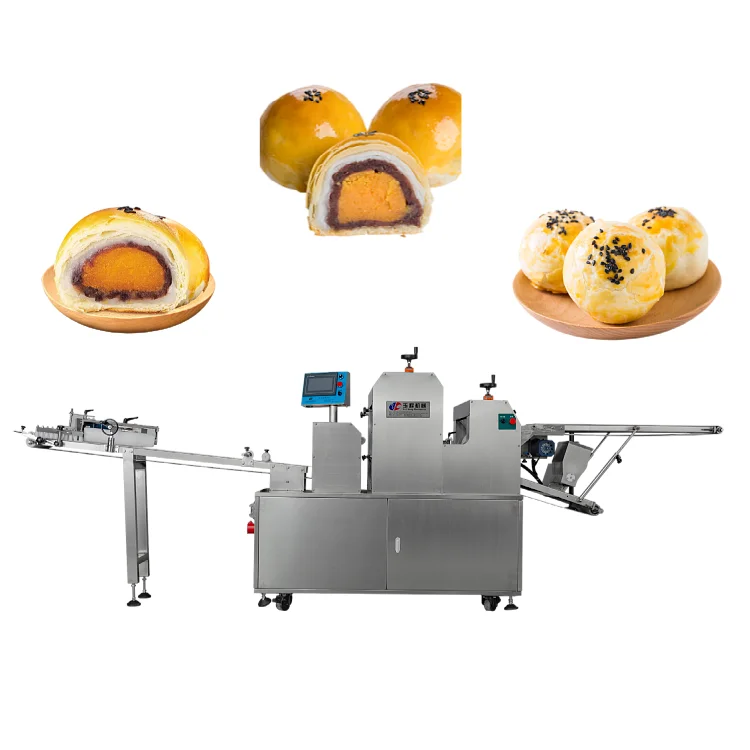
The modern bakery landscape demands efficient production methods that preserve traditional craftsmanship while meeting contemporary market demands. Professional bakers increasingly rely on specialized equipment to maintain consistent quality across their pastry offerings. When evaluating options, consideration must be given to production volume, available floor space, power requirements, and the specific types of pastries your establishment produces regularly.
Essential Features for Small Bakery Equipment
Space Optimization and Footprint Considerations
Small bakeries operate within constrained environments where every square foot matters significantly. A compact pastry making machine design maximizes production capacity without overwhelming limited kitchen space. Modern equipment manufacturers understand these spatial challenges and develop solutions that integrate seamlessly into existing workflows. Counter-top models and vertical configurations offer alternatives to traditional floor-standing units while maintaining professional-grade performance standards.
Efficient space utilization extends beyond the machine footprint to include storage requirements for accessories, maintenance supplies, and raw materials. Multi-functional equipment that handles various pastry types reduces the need for multiple specialized machines. This consolidation approach proves particularly valuable for establishments transitioning from manual production methods to automated systems while maintaining operational flexibility.
Production Capacity and Output Requirements
Determining appropriate production capacity involves analyzing current demand patterns and projected growth expectations. A pastry making machine should accommodate peak production periods without creating bottlenecks in your operational workflow. Small bakeries typically benefit from equipment that processes between 100 to 500 pieces per hour, depending on pastry complexity and customer volume expectations.
Scalability considerations become crucial when evaluating long-term equipment investments. Modular systems allow incremental capacity increases as business grows, while fixed-capacity units may require replacement as demand expands. Understanding your market trajectory helps select equipment that supports sustainable growth without premature obsolescence or excessive initial investment.
Types of Pastry Production Equipment
Automated Dough Processing Systems
Automated dough processing represents the foundation of consistent pastry production in commercial environments. These systems handle mixing, kneading, and portioning operations with precision that exceeds manual capabilities. A quality pastry making machine incorporates programmable controls that ensure reproducible results across different product lines while accommodating recipe variations and seasonal adjustments.
Temperature control features within dough processing equipment prevent overheating during extended mixing cycles, preserving ingredient integrity and final product texture. Variable speed controls enable adaptation to different dough types, from delicate puff pastry preparations to robust bread doughs. This versatility makes automated systems valuable investments for diversified bakery operations.
Shaping and Forming Equipment
Specialized shaping equipment transforms prepared doughs into consistent, professional-appearing products ready for proofing and baking. Modern pastry making machine designs incorporate interchangeable forming dies and adjustable parameters that accommodate various pastry shapes and sizes. This flexibility enables small bakeries to expand product offerings without requiring additional equipment investments.
Precision forming capabilities ensure uniform product dimensions that support consistent baking results and professional presentation standards. Automated portioning eliminates waste associated with manual cutting and reshaping while maintaining exact weight specifications required for cost control and customer satisfaction. These efficiency gains translate directly into improved profit margins and operational sustainability.
Selection Criteria for Small Operations
Budget Considerations and Return on Investment
Financial planning for pastry equipment requires careful analysis of initial costs, operating expenses, and projected revenue increases. A well-chosen pastry making machine should demonstrate clear return on investment through labor savings, increased production capacity, and improved product consistency. Financing options and lease arrangements may provide access to higher-quality equipment while preserving working capital for other operational needs.
Total cost of ownership extends beyond purchase price to include maintenance requirements, energy consumption, and replacement part availability. Equipment with established service networks and readily available components reduces long-term operational risks and unexpected downtime costs. Warranty coverage and technical support quality significantly impact overall ownership experience and operational continuity.
Maintenance Requirements and Serviceability
Routine maintenance procedures must align with available staff capabilities and operational schedules. Simple cleaning protocols and accessible service points reduce daily maintenance time while ensuring food safety compliance and optimal performance. A pastry making machine with straightforward maintenance requirements minimizes disruption to production schedules and reduces dependence on specialized service technicians.
Preventive maintenance programs extend equipment lifespan and maintain consistent performance standards throughout the service life. Documentation and training resources help staff understand proper care procedures and identify potential issues before they impact production capabilities. Comprehensive maintenance support contributes significantly to long-term operational success and equipment reliability.
Integration with Existing Workflows
Staff Training and Operational Adaptation
Successful equipment integration depends heavily on comprehensive staff training and gradual implementation strategies. A new pastry making machine requires operators to develop new skills while adapting existing production methods to automated processes. Training programs should address both technical operation and safety procedures to ensure smooth transitions and optimal utilization of equipment capabilities.
Change management considerations include addressing staff concerns about automation and demonstrating how equipment enhances rather than replaces skilled craftsmanship. Gradual implementation allows teams to adapt progressively while maintaining production continuity and quality standards. Ongoing support and advanced training opportunities help maximize equipment potential and operational efficiency.
Quality Control and Consistency Standards
Automated production systems enable unprecedented consistency in pastry quality and appearance while maintaining artisanal character. Programmable parameters ensure reproducible results across production runs, eliminating variations associated with manual processes. Quality control protocols should incorporate equipment monitoring and regular calibration procedures to maintain performance standards over time.
Documentation systems track production parameters and quality metrics, enabling continuous improvement initiatives and troubleshooting support. Data collection capabilities help identify optimization opportunities and validate equipment performance against established benchmarks. These insights support informed decision-making regarding operational adjustments and future equipment investments.
Technology and Innovation Trends
Digital Controls and Programmable Functions
Modern pastry making machine technology incorporates sophisticated digital control systems that simplify operation while expanding functional capabilities. Touch-screen interfaces provide intuitive access to recipe storage, production monitoring, and maintenance scheduling features. These technological advances reduce operator training requirements while ensuring consistent results across different skill levels and production shifts.
Connectivity features enable remote monitoring and diagnostic capabilities that support proactive maintenance and technical support services. Integration with bakery management systems provides comprehensive production tracking and inventory management capabilities. These technological enhancements transform traditional equipment into intelligent production assets that contribute to overall operational efficiency and business intelligence.
Energy Efficiency and Environmental Considerations
Sustainable operation practices increasingly influence equipment selection decisions as energy costs and environmental regulations affect business operations. Energy-efficient pastry making machine designs reduce operational expenses while supporting corporate sustainability initiatives. Variable frequency drives, improved insulation, and optimized heating systems contribute to reduced energy consumption without compromising production capabilities.
Environmental compliance features address waste reduction, emissions control, and resource conservation requirements. Equipment manufacturers increasingly prioritize sustainable design principles that align with contemporary environmental standards and regulatory expectations. These considerations become particularly relevant for establishments seeking certification under various sustainability programs or responding to customer environmental preferences.
FAQ
What size pastry making machine works best for startup bakeries
Startup bakeries should consider compact, multi-functional units that process 100-300 pieces per hour while occupying minimal floor space. Counter-top models or small floor units with production capacities matching initial customer demand provide cost-effective entry points. Scalable designs allow capacity increases as business grows without requiring complete equipment replacement.
How much maintenance does automated pastry equipment require
Daily maintenance typically involves cleaning cycles and basic inspections requiring 30-45 minutes per day. Weekly procedures include lubrication and deeper cleaning protocols. Monthly professional servicing ensures optimal performance and identifies potential issues before they affect production. Proper maintenance extends equipment life significantly while maintaining consistent output quality.
Can small bakeries afford professional pastry making equipment
Professional equipment becomes cost-effective when labor savings and increased production capacity offset initial investment costs. Financing options, leasing arrangements, and used equipment markets provide access to quality machines within various budget constraints. Return on investment typically occurs within 12-24 months through improved efficiency and expanded production capabilities.
What safety features should bakery equipment include
Essential safety features include emergency stop controls, safety interlocks preventing operation with guards removed, and non-slip surfaces around work areas. Electrical safety certifications ensure compliance with local codes and insurance requirements. Training protocols and clear safety documentation help prevent accidents and ensure proper equipment operation throughout its service life.


