 EN
EN

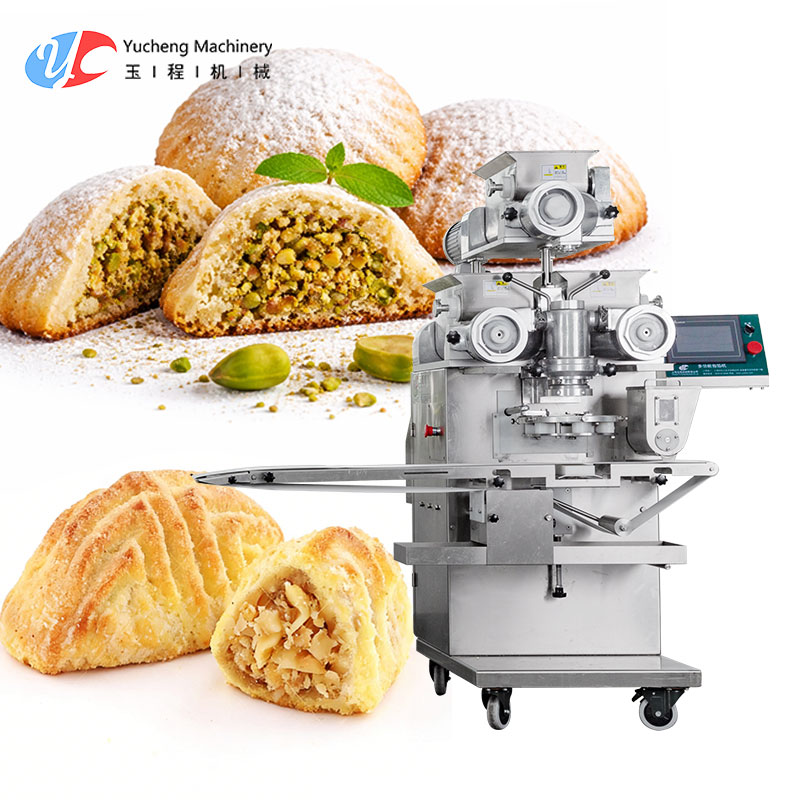
Every food production operation reaches a turning point where the existing equipment can no longer keep pace with demand, quality expectations, or operational efficiency. For businesses that rely on a coxinha machine as the backbone of their snack output, recognizing that turning point early can mean the difference between steady growth and costly stagnation. A coxinha machine that once served your production line well may quietly begin to limit your potential, and the signs are often more visible than operators realize.

Understanding when to upgrade your coxinha machine setup is not just about reacting to breakdowns. It is about making proactive decisions that align your production capacity with your business goals. Whether you operate a mid-sized catering business, a commercial bakery, or a large-scale snack manufacturing facility, your coxinha machine plays a central role in throughput, consistency, and labor management. This article outlines the timing signals, production conditions, and operational factors that clearly indicate it is time to invest in a newer or more capable coxinha machine setup.
Production Output Signals That Demand Attention
Falling Short of Order Volume Targets
One of the clearest indicators that your coxinha machine setup needs an upgrade is a consistent inability to meet order volumes within expected timeframes. When your coxinha machine runs at full capacity yet still leaves orders unfulfilled or forces your team into extended overtime, the machine's throughput ceiling has been reached. A modern coxinha machine offers significantly higher cycles per hour compared to older semi-automatic or manual-assist models, making this upgrade decision a direct response to growth pressure.
If your production schedule has expanded but your coxinha machine configuration has remained unchanged for several years, there is a strong likelihood that a capacity mismatch has developed. Upgrading your coxinha machine setup at this stage prevents revenue loss, protects client relationships, and removes the bottleneck that slows the entire production line. Waiting too long to act on these output signals turns a manageable issue into a structural production problem.
Increasing Reject Rates and Shape Inconsistency
A coxinha machine that was once precise may gradually produce inconsistent shapes, uneven filling ratios, or irregular dough thickness as internal components wear down. Rising reject rates are a measurable sign that your coxinha machine can no longer hold the quality tolerances required for commercial-grade output. Shape inconsistency affects not only appearance but also frying time, texture, and final product quality, all of which impact customer satisfaction.
When quality control checks on your coxinha machine output start requiring more manual correction or rework, labor costs rise and production flow breaks down. A more advanced coxinha machine setup equipped with precision molds, automated portioning, and tighter encrusting mechanisms delivers the consistency that growing food businesses depend on. Upgrading at this point is both a quality decision and a cost-efficiency decision.
Equipment Age and Maintenance Signals
Frequent Breakdowns and Rising Repair Costs
Every coxinha machine has a productive service life, and once that threshold is crossed, repair frequency tends to increase sharply. If your coxinha machine requires maintenance interventions multiple times per month, or if spare parts are becoming difficult to source, the total cost of keeping the old coxinha machine running often exceeds the cost of investing in a new setup. Tracking repair frequency and cumulative maintenance spend over a twelve-month period gives a clear financial case for upgrading.
Unplanned downtime caused by an aging coxinha machine also disrupts production schedules, strains staff, and may trigger penalties in supply agreements. A newer coxinha machine is engineered with more durable materials, easier-access maintenance points, and longer service intervals, all of which reduce the operational burden on your facility. The upgrade decision becomes financially sound when the cost of inaction outweighs the investment in a reliable coxinha machine.
Outdated Automation and Control Features
Older coxinha machine models often lack the programmable controls, adjustable speed settings, and integrated hygiene designs that current food safety standards and labor optimization strategies require. If your coxinha machine cannot be programmed to switch between product sizes or filling types without significant manual reconfiguration, production flexibility is limited. Modern coxinha machine setups allow operators to store presets, adjust parameters quickly, and reduce changeover time between production runs.
Food processing facilities upgrading their coxinha machine to a current-generation model gain access to hygiene-compliant surfaces, tool-free disassembly for cleaning, and energy-efficient motors. These improvements directly reduce labor hours spent on cleaning and reconfiguration while ensuring compliance with food production regulations. Upgrading your coxinha machine setup when automation capabilities fall behind industry norms is a forward-thinking operational move.
Business Expansion and Strategic Readiness
Entering New Markets or Product Categories
When a food business decides to expand its product range or enter new distribution channels, the existing coxinha machine setup must be evaluated against those new demands. A coxinha machine designed for a single filling type or a fixed dough weight may not accommodate recipe variations required for retail packaging, export markets, or premium product lines. Upgrading your coxinha machine at the point of business expansion ensures that production infrastructure scales alongside your commercial ambitions.
New market entry often brings stricter quality documentation requirements, traceability standards, and consistent portion control expectations. A more capable coxinha machine with precise weight control and reliable output supports these compliance needs without adding manual inspection labor. Planning the coxinha machine upgrade as part of your expansion strategy, rather than as an afterthought, puts the entire production chain in a stronger position from the start.
Scaling Labor Efficiency and Reducing Headcount Dependency
Labor costs in food manufacturing continue to rise, and a coxinha machine setup that requires significant manual handling at each production stage is increasingly difficult to justify economically. Upgrading to a fully automatic coxinha machine allows one or two operators to manage output volumes that previously required larger teams. This labor efficiency gain is a compelling reason to upgrade your coxinha machine setup when workforce costs become a pressure point in your operating budget.
A high-capacity automatic coxinha machine also reduces the risk of human error in portioning and shaping, bringing more consistency to large production runs. When the business case for reducing dependency on manual labor is strong, the coxinha machine upgrade becomes a strategic investment with a measurable return over time. The timing is right when labor savings, output gains, and quality improvements all align to justify the capital commitment.
FAQ
How do I know if my current coxinha machine has reached its capacity limit?
If your coxinha machine consistently runs at full speed yet still cannot meet order volumes, or if production delays are becoming routine, it has likely reached its capacity ceiling. Reviewing your output data against order history over three to six months will confirm whether a coxinha machine upgrade is necessary to close the gap.
Is it worth upgrading a coxinha machine if the business is still small?
Upgrading a coxinha machine is worth considering even for smaller operations when repair costs are rising, quality consistency is declining, or order growth is projected. A more efficient coxinha machine setup reduces waste, lowers labor dependency, and positions the business to scale without replacing equipment again in the near term.
What features should I prioritize in a new coxinha machine setup?
Prioritize a coxinha machine with adjustable portioning, multiple mold compatibility, easy-clean stainless steel construction, and programmable controls. These features ensure the coxinha machine setup can handle recipe variations, meet hygiene standards, and maintain consistent output quality across extended production runs.


