 EN
EN

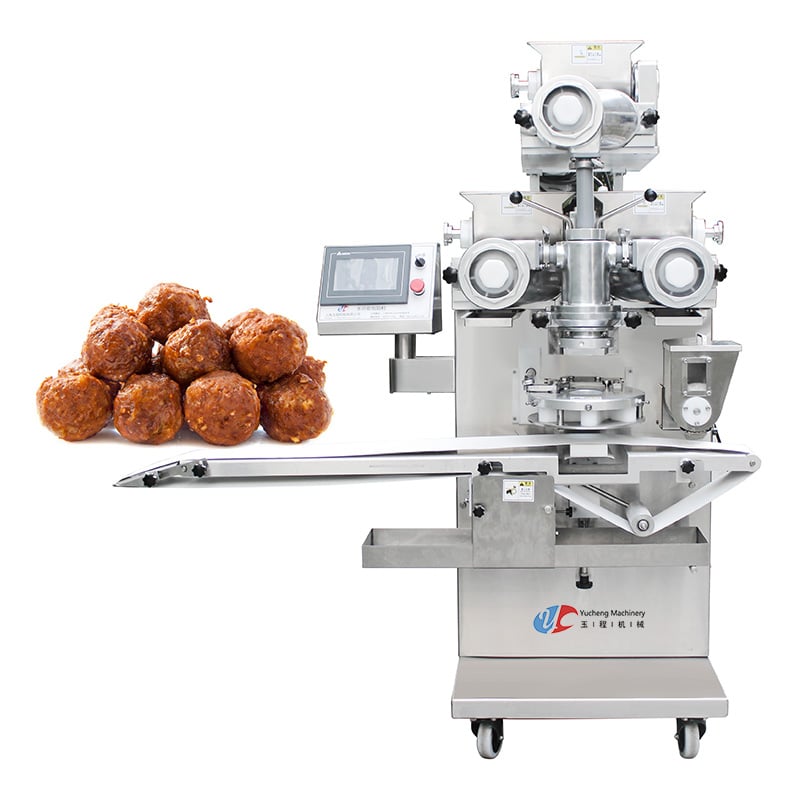
Foodservice operators managing high-volume production face consistent pressure to maintain quality while controlling labor costs and preparation time. A meatball machine addresses these operational challenges by automating one of the most labor-intensive tasks in commercial kitchens. Understanding which foodservice operations benefit most from implementing a meatball machine helps managers make informed equipment investments that directly impact profitability and production reliability.
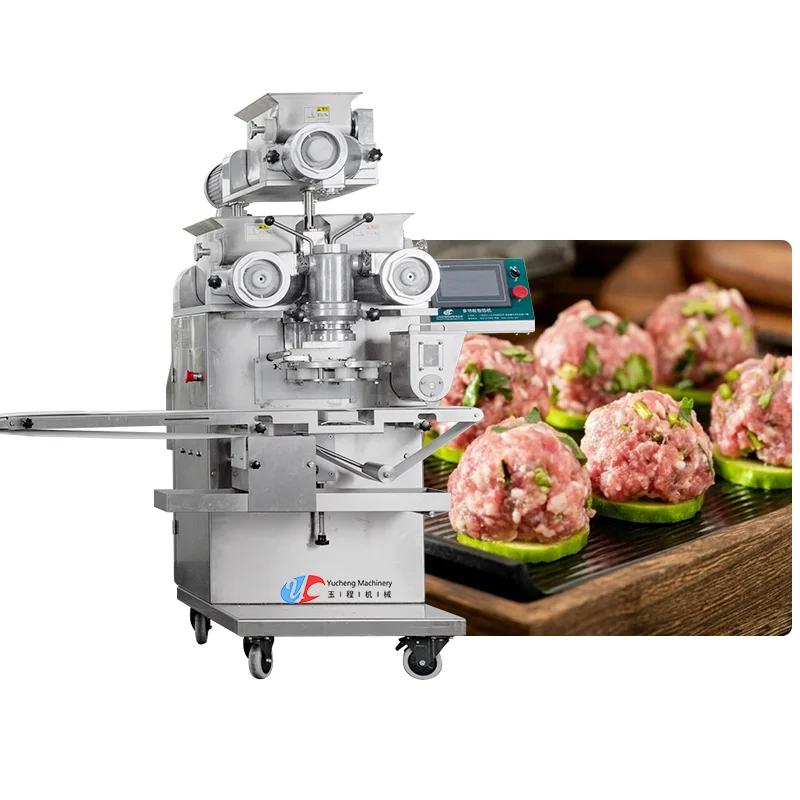
The decision to invest in a meatball machine depends on understanding your operation's volume, product mix, and labor environment. Not all foodservice facilities require the same automation solutions, and the true value of a meatball machine emerges when operational demands align with the equipment's capabilities. This article identifies the specific foodservice operations that achieve the highest return on investment and operational improvement by deploying a meatball machine in their production workflow.
High-Volume Foodservice Operations Gain Maximum Value from Meatball Machine Investment
Production Scale Where Meatball Machine Delivers Measurable Efficiency
Foodservice operations producing more than 500 meatballs daily experience the most significant productivity gains from a meatball machine. This production threshold marks the point where manual meatball formation becomes a bottleneck, consuming excessive labor hours and creating quality inconsistency. A meatball machine operates at standardized speeds, typically forming 200 to 800 meatballs per hour depending on the model and settings, which directly offsets the time investment of multiple kitchen staff members working simultaneously on hand-rolling meatballs.
Commercial catering companies, institutional foodservice operations serving schools and hospitals, and large restaurant chains with multiple locations benefit substantially from meatball machine automation. These operations require consistent product appearance, predictable portion sizes, and reliable daily output volumes that justify the capital equipment expense. The meatball machine ensures every meatball meets the same weight specification and cooking performance, eliminating variance that manual production introduces and creating more predictable food cost management.
Eliminating Labor Bottlenecks Through Meatball Machine Deployment
Labor availability challenges have intensified across the foodservice industry, making automation investments increasingly critical for operational continuity. A meatball machine reduces the number of skilled kitchen staff required for meatball production, allowing existing personnel to focus on other essential preparation tasks or finishing operations. In tight labor markets where finding reliable meatball rollers is difficult, a meatball machine provides independence from this specialized skill requirement and reduces training burden for new team members.
Operators managing multiple shifts or extended service hours find that a meatball machine enables production scheduling flexibility without proportional staffing increases. One operator monitoring the meatball machine can maintain output that previously required two or three manual rollers, creating significant labor cost reduction over annual operating periods. This staffing efficiency becomes particularly valuable during seasonal demand peaks when temporary labor sourcing becomes expensive and unreliable.
Specific Foodservice Sectors Where Meatball Machine Implementation Drives Profitability
Italian Restaurants and Mediterranean Cuisine Specialists Maximize Product Consistency with Meatball Machine
Restaurants specializing in Italian cuisine, Swedish meatballs, or Mediterranean dishes built around meatball-based entrées face constant pressure to maintain product consistency across service periods and location branches. A meatball machine ensures that meatballs served on Monday morning match the size, texture, and cooking characteristics of meatballs served Thursday evening, strengthening customer loyalty and menu predictability. This consistency particularly matters for prix fixe menus, pasta dishes with standardized meatball counts, and plated presentations where portion uniformity affects plate appearance and perceived value.
Specialty pizza operations adding meatball toppings to signature products gain efficiency and cost control by pre-forming and storing standardized meatballs ready for rapid assembly. A meatball machine enables these operations to manage meatball inventory rotation, maintain fresher products, and reduce production bottlenecks during peak dinner service. The ability to produce consistent meatball sizes also improves pizza presentation by ensuring even topping distribution across each pie.
Contract Foodservice and Institutional Kitchens Achieve Scale Economies Through Meatball Machine
School lunch programs, corporate cafeteria operations, healthcare facility kitchens, and military foodservice units serve hundreds or thousands of meals daily, creating production volumes where a meatball machine becomes economically essential. These institutional operations benefit from the standardized portion control a meatball machine provides, which directly controls food costs and ensures compliance with nutritional guidelines and portion specifications. Meatballs formed by a meatball machine enable consistent nutritional labeling and allergen documentation, critical requirements for institutional foodservice compliance.
Centralized kitchen operations preparing meals for multiple satellite locations use meatball machines to pre-form products at the main facility, which are then par-cooked, frozen, and distributed to finishing locations. This workflow reduces labor demands at individual satellite locations while maintaining quality control at the central production point. The meatball machine enables this hub-and-spoke production model by creating shelf-stable intermediate products that transport reliably and cook predictably at final service locations.
Quality and Cost Control Benefits That Drive Meatball Machine Selection
Ingredient Consistency and Waste Reduction Through Meatball Machine Precision
A meatball machine precisely portions meat mixture into identical weights, creating predictable ingredient cost per unit and eliminating the variance inherent in hand-rolling operations. This weight consistency simplifies purchasing calculations, enables accurate food cost tracking, and reduces material waste from oversized or undersized meatballs that fail quality inspection. Operations handling meatballs with expensive ingredients—grass-fed beef, specialty game meats, or premium veal blends—achieve maximum value realization through the precision portioning a meatball machine delivers.
Foodservice operations sourcing meatballs for sous vide, pressure cooking, or specialized heat treatments benefit from the uniform density and size consistency that a meatball machine creates, ensuring identical cooking times and results across production batches. This uniformity prevents situations where oversized meatballs emerge undercooked or undersized meatballs become overcooked, reducing finished product quality variation and waste. Operations producing meatballs for retail packaging also rely on meatball machine consistency to meet package weight declarations and customer expectations for visual uniformity.
Extended Production Windows and Cold Chain Management with Meatball Machine Output
A meatball machine enables foodservice operations to shift meatball production to off-peak hours, reducing pressure on kitchen schedules during service periods and improving overall operational flow. Operators can prepare large meatball batches during morning prep hours or night shifts, then refrigerate or freeze the formed products until cooking becomes necessary. This flexibility allows smaller operations to achieve larger production volumes without expanding kitchen footprint, and enables larger operations to distribute production demands more evenly across the day.
Prepared meatballs stored in refrigerated or frozen form using a meatball machine maintain consistent quality through shelf life because their uniform size ensures predictable spoilage rates and thawing behavior. Operations managing multiple service points or extended banquet menus gain planning predictability by maintaining formed meatball inventory that can be mobilized quickly when demand spikes or staffing drops unexpectedly. This inventory flexibility becomes increasingly valuable in unpredictable operating environments where demand forecasting becomes difficult.
FAQ
Which foodservice operation sizes see the fastest return on meatball machine investment?
Foodservice operations producing 1,000 or more meatballs weekly typically achieve payback on meatball machine capital investment within 12 to 18 months through labor cost reduction alone. Larger operations exceeding 5,000 weekly meatballs may achieve payback within 6 to 9 months. Smaller operations producing 200 to 500 weekly meatballs should evaluate whether labor cost savings justify the equipment expense, or whether a meatball machine investment becomes profitable only if customer demand for consistent product quality supports premium pricing.
Can a meatball machine accommodate multiple recipe variations within one operation?
Many modern meatball machine models offer adjustable settings for portion size, density, and formation speed, allowing operations to produce different meatball sizes and weights with the same equipment through simple adjustment. Operators can prepare Italian-style meatballs, Swedish meatballs, Asian-style varieties, and specialty blends by changing meat mixture composition and adjusting the meatball machine settings accordingly. This flexibility enables multi-concept operations or kitchens serving diverse customer bases to realize meatball machine value across different menu applications.
What daily production volume makes a meatball machine economically necessary rather than optional?
When daily meatball production requirements exceed 500 to 800 meatballs, a meatball machine typically becomes economically essential because manual rolling at that scale requires at least two full-time kitchen staff members dedicated solely to meatball production. Once volume exceeds this threshold, the cost of employing additional labor to meet production demands usually exceeds the annualized cost of operating a meatball machine, making automation the more economical choice. Operations approaching this volume threshold should calculate their specific labor costs and production rates to determine whether a meatball machine investment aligns with their financial circumstances.


