 EN
EN

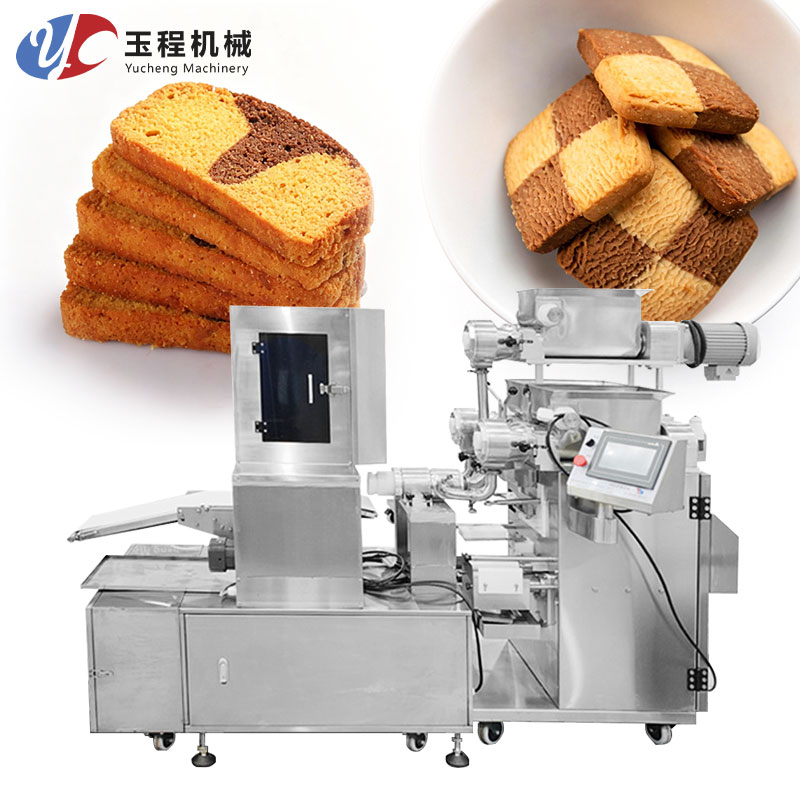
Selecting the right biscuit machine is one of the most important decisions a food producer can make. Whether you are launching a small bakery or scaling up an industrial production line, the biscuit machine you choose will directly shape your output quality, operational efficiency, and long-term profitability. With so many models, configurations, and capacity ranges available on the market today, making an informed choice requires careful evaluation of your specific production goals, product types, and facility conditions.
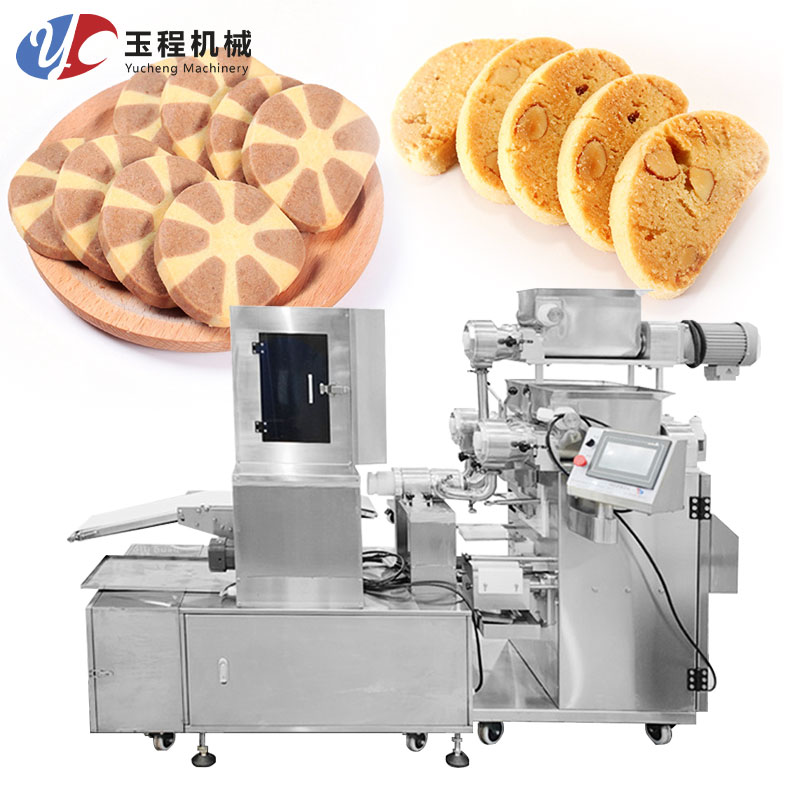
A biscuit machine is not a one-size-fits-all investment. The right biscuit machine for a high-volume industrial facility will look very different from the right biscuit machine for a mid-scale artisan producer. Understanding what separates one biscuit machine from another — in terms of mechanical design, automation level, dough compatibility, and output capacity — will help you avoid costly mismatches and ensure that your chosen biscuit machine delivers consistent results from day one.
Understanding Your Production Requirements
Output Volume and Production Scale
The first step in choosing the correct biscuit machine is defining your required production volume. A biscuit machine designed for small-batch output typically operates at lower speeds and handles a narrower range of dough types. An industrial-grade biscuit machine, by contrast, is engineered for continuous high-speed operation, often producing hundreds of kilograms per hour without manual intervention. Before evaluating any biscuit machine specification sheet, calculate your daily and weekly output targets so you can match those figures to machine capacity ratings accurately.
Production scale also influences the physical footprint of the biscuit machine. Larger biscuit machine systems require more floor space, higher electrical load capacity, and more robust maintenance infrastructure. A biscuit machine that fits your volume requirements but exceeds your facility constraints will create operational bottlenecks rather than solving them. Always map your available space and utility connections before committing to a specific biscuit machine configuration.
Product Type and Dough Compatibility
Different biscuit products require different dough handling capabilities. A biscuit machine used for hard dough varieties must exert greater forming pressure and operate with higher-durability die heads than a biscuit machine designed for soft or wire-cut cookie doughs. If your product range includes multi-color or dual-tone biscuits, you will need a biscuit machine equipped with multiple extruder chambers and a synchronized forming system. Confirming dough compatibility before purchase ensures that the biscuit machine you select can handle your full product catalog without requiring frequent modifications.
Key Technical Factors in Biscuit Machine Selection
Automation Level and Control Systems
Modern biscuit machine options range from semi-automatic models with manual loading to fully automatic biscuit machine lines with integrated PLC control panels. A fully automatic biscuit machine reduces labor dependency, minimizes human error, and supports consistent portion control across every production run. For producers operating at higher volumes, investing in an automatic biscuit machine with programmable settings allows rapid recipe switching and reliable repeatability. A semi-automatic biscuit machine may be appropriate for smaller operations where flexibility and low capital cost are the priority.
Control system quality directly affects how easily operators can manage the biscuit machine. Look for a biscuit machine that features an intuitive touchscreen interface, real-time production monitoring, and adjustable speed controls. A biscuit machine with advanced diagnostics can alert operators to mechanical irregularities before they escalate into unplanned downtime, which is critical for maintaining production schedules and minimizing waste.
Material Quality and Hygienic Design
Food-grade stainless steel construction is the standard requirement for any reliable biscuit machine. A biscuit machine built with high-quality stainless steel resists corrosion, withstands repeated sanitation cycles, and meets international food safety standards. Pay attention to the die molds and forming plates of the biscuit machine — these components come into direct contact with dough and must be manufactured from food-safe materials that are easy to clean and replace. A biscuit machine with a hygienic open-frame design simplifies daily cleaning routines and reduces the risk of cross-contamination between production batches.
Practical Buying Considerations
After-Sales Support and Spare Parts Availability
A biscuit machine is a long-term asset, and reliable after-sales support is as important as the machine itself. When evaluating suppliers, confirm that replacement parts for the biscuit machine are readily available and that technical support can be reached quickly in the event of a breakdown. A biscuit machine supplier that offers installation assistance, operator training, and a clear warranty policy gives buyers greater confidence in their investment. Avoid selecting a biscuit machine from a supplier that cannot demonstrate a credible support infrastructure.
Customization and Scalability Options
Your production needs today may not reflect your requirements in two or three years. A biscuit machine platform that supports modular expansion — such as the addition of extra color extruders, tunnel oven connections, or automated stacking systems — provides better long-term value than a biscuit machine with a fixed, non-expandable configuration. Discuss scalability options with the biscuit machine supplier early in the selection process. Knowing that your biscuit machine can grow alongside your business reduces the risk of premature capital expenditure on replacement equipment.
Budget is always a consideration when choosing a biscuit machine, but the lowest-priced biscuit machine is rarely the most cost-effective over its full service life. Factor in energy consumption, maintenance frequency, and the cost of consumable parts when comparing biscuit machine options. A slightly higher upfront investment in a well-engineered biscuit machine often results in significantly lower total cost of ownership across five or more years of operation.
FAQ
What types of biscuits can a single biscuit machine produce?
Many modern biscuit machine models are designed to handle multiple product types, including hard-dough biscuits, soft cookies, sandwich biscuits, and multi-color shapes. The range of products a biscuit machine can produce depends on its die mold set, extruder design, and dough handling system. Buyers should request a product compatibility list from the biscuit machine supplier to confirm that the machine supports their intended product catalog.
How do I determine the right capacity for my biscuit machine?
Start by calculating your required daily output in kilograms or units, then match that figure to the rated capacity of the biscuit machine models you are considering. Always apply a buffer of at least 15 to 20 percent above your current needs when selecting a biscuit machine, to account for production growth and peak demand periods without overloading the equipment.
Is an automatic biscuit machine suitable for small-scale operations?
An automatic biscuit machine can be suitable for small-scale operations if the production volume justifies the capital investment. Compact automatic biscuit machine models are available at lower capacity ratings, offering the benefits of consistency and reduced labor even for smaller producers. Evaluate whether the efficiency gains from an automatic biscuit machine outweigh the upfront cost relative to your specific production scale and business model.


