 EN
EN

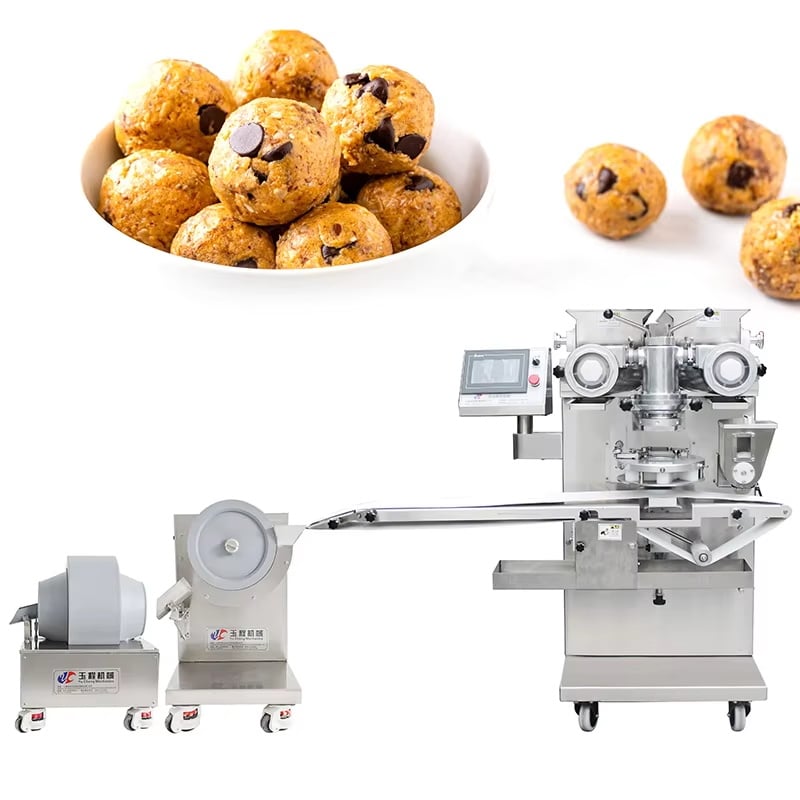
A coxinha machine is a specialized food processing device designed to form, fill, and shape the iconic Brazilian snack known as coxinha. Whether you are running a small snack shop or a large-scale food production facility, a coxinha machine helps you produce consistent, uniform coxinhas at a speed and volume that manual preparation simply cannot match. In 2025, the demand for automated snack production has grown considerably, and the coxinha machine sits at the center of that shift.

Understanding what a coxinha machine does and how it operates is essential for any food business considering automation. A coxinha machine handles the encrusting process, where dough is wrapped precisely around a savory filling to create that signature teardrop shape. This article breaks down the definition, working principles, mechanical components, and practical value of a coxinha machine in modern food production.
What a Coxinha Machine Actually Does
Core Function of the Coxinha Machine
At its core, a coxinha machine automates the encrusting and shaping process that would otherwise require skilled hand labor. The coxinha machine receives two inputs simultaneously: the outer dough and the inner filling. It then portions both materials, wraps the dough around the filling, and shapes the product into the traditional coxinha form. The result is a fully enclosed snack piece ready for breading and frying.
A coxinha machine eliminates the inconsistency that comes with hand-made production. Every piece produced by a coxinha machine has virtually the same weight, dough thickness, and filling ratio. This consistency matters deeply for commercial operations where quality control and portion standardization are non-negotiable. The coxinha machine essentially replicates skilled handcraft at machine speed.
Types of Products a Coxinha Machine Can Handle
While the coxinha machine is named after the coxinha snack, many models in 2025 are multi-functional encrusting machines. A modern coxinha machine can also shape kubba, kibbeh, arancini, and other filled snacks by swapping molds. This versatility makes the coxinha machine a flexible investment for food manufacturers who want to diversify their product line without purchasing multiple machines.
How a Coxinha Machine Works Mechanically
The Encrusting and Portioning Mechanism
The working principle of a coxinha machine is based on a co-extrusion and encrusting mechanism. Inside the coxinha machine, two separate hoppers feed dough and filling into a central nozzle system. The outer dough forms a hollow tube while the filling is simultaneously injected into the center. The coxinha machine then cuts and seals each individual portion using a set of molds or forming dies.
The mold set of a coxinha machine is interchangeable and determines the final product shape. For coxinha production, the mold creates the characteristic teardrop or drumstick form. The coxinha machine applies controlled pressure to ensure the dough fully encloses the filling without tearing or leaving gaps. Precision in this step is what makes a coxinha machine far more reliable than hand production at scale.
Speed, Output, and Control Settings
A commercial coxinha machine typically operates at production speeds ranging from 1,000 to 3,000 pieces per hour, depending on model capacity and piece size. The operator can adjust the coxinha machine settings to control filling weight, dough weight, and overall piece weight. Most modern coxinha machine models feature a digital control panel that allows precise parameter input and easy recipe switching.
The coxinha machine motor drives both the feeding screws and the forming mechanism in a synchronized motion. This synchronization is critical because the coxinha machine must portion the outer dough and inner filling at exactly the same time to maintain consistent enclosure. Any timing misalignment would result in broken or unevenly filled pieces, which is why a well-engineered coxinha machine uses servo or stepper motor control in 2025 models.
Why Food Businesses Invest in a Coxinha Machine in 2025
Operational Efficiency and Labor Savings
The primary reason food businesses invest in a coxinha machine is operational efficiency. One coxinha machine can replace the output of multiple trained workers, reducing labor costs while maintaining or improving throughput. A coxinha machine also operates continuously without fatigue, which is a significant advantage during peak production periods or when fulfilling large orders.
Beyond labor savings, a coxinha machine reduces raw material waste. Because the coxinha machine portions both dough and filling with mechanical precision, there is minimal over-use or under-use of ingredients. Over a long production run, these savings from operating a coxinha machine can be substantial and contribute meaningfully to improving profit margins.
Hygiene, Maintenance, and Long-Term Value
Modern coxinha machine designs prioritize food-grade hygiene standards. The contact parts of a coxinha machine are typically made from stainless steel and food-safe plastics, which comply with international food processing regulations. Cleaning a coxinha machine is straightforward because most components are removable and can be washed separately, reducing downtime between production batches.
From a long-term value perspective, investing in a coxinha machine offers a strong return when production volume justifies the upfront cost. A coxinha machine built to industrial standards can operate reliably for many years with routine maintenance. Businesses that scale their coxinha production using a coxinha machine often find that the consistency and speed advantages compound over time, making the coxinha machine one of the most impactful pieces of equipment in a snack food operation.
FAQ
Can a coxinha machine handle different filling types?
Yes, a coxinha machine can handle a wide range of fillings, including shredded chicken, cheese, vegetables, and meat-based pastes. The filling hopper of the coxinha machine accepts any filling with an appropriate consistency. Operators simply adjust the coxinha machine filling feed rate to match the viscosity and density of different filling types.
How do I choose the right coxinha machine for my business?
Choosing the right coxinha machine depends on your required output volume, the piece size you produce, and your available floor space. A coxinha machine with adjustable molds gives you greater product flexibility. It is also important to evaluate the ease of cleaning, availability of spare parts, and the level of technical support offered with the coxinha machine you select.
Is a coxinha machine suitable for small-scale production?
Yes, there are compact coxinha machine models designed for smaller operations. A small-scale coxinha machine typically produces between 600 and 1,200 pieces per hour, which suits catering businesses, restaurants, or food kiosks. Even a small coxinha machine provides significant consistency and speed advantages compared to fully manual coxinha preparation.


